

`motifs` Related Article Results
 Da
DaDazkırı Carpet
Dazkırı Carpet is a handwoven product unique to the Dazkırı district of Afyonkarahisar province, with a history of 150 to 200 years. Characteristics and Production Quality and Weaving Technique: Dazkırı carpets belong to the coarse quality category and are typically woven in sizes of 35x40 or 30x40. Depending on the carpet’s dimensions and yarn thickness, either a single weft or double weft may be used. The pile height of the carpet is 4 to 5 cm. The patterns are regular in design and require sk
EN
Yahya B. Keskin
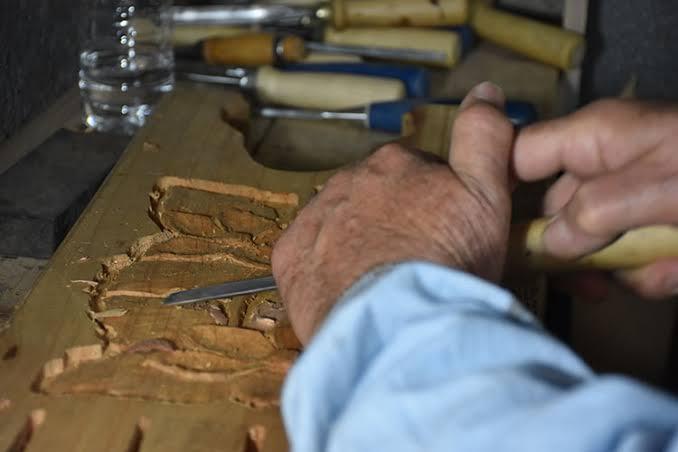
Wood Carving in the Black Sea Region
Black Sea Region’nde wood wood carving is a traditional craft that developed within historical process and has been passed down from generation to generation, particularly evident in the provinces of Army, Trabzon, Rize and Artvin like as common. Woodworking has established itself as a distinctive important place found in both everyday objects and architectural decorations, becoming a reflection of the region’s cultural identity craft. Wood carving - carving process " image-alternate="" image-el
EN
Esmanur Demir
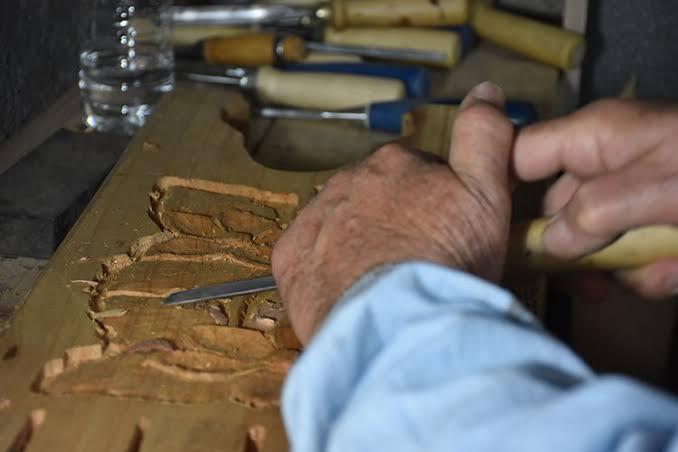
Wood Carving in the Black Sea Region
Wood carving in the Black Sea Region is a traditional craft that has developed over time and been passed down from generation to generation, particularly prevalent in the provinces of Ordu, Trabzon, Rize and Artvin. Woodworking has occupied an important place both in everyday household items and in architectural decorations, becoming a craft that reflects the cultural identity of the region. Wood carving - carving process " image-alternate="" image-element-format="right"> History The Black Se
EN
Esmanur Demir
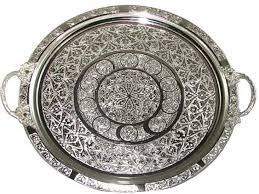
Gaziantep Copper Craftsmanship
Gaziantep Copper Handicraft represents a traditional craft of Gaziantep Province. This craft is based on manual techniques applied in the processing of copper and is sustained primarily through knowledge transmitted from master to apprentice. The production process consists of labor-intensive stages including flattening copper into sheets, shaping it, embossing patterns with hammers, and surface treatments. The resulting products typically manifest as everyday or aesthetic items such as kitchenw
EN
Ali Hakyol
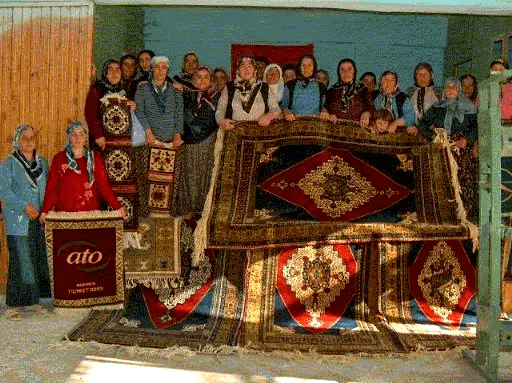
Taşpınar Carpets
Taşpınar Rugs are a traditional hand-woven rug type produced in the town of Taşpınar, within Aksaray Province in Türkiye’s Central Anatolia Region. Aksaray has been known for carpet weaving since the Seljuk period, and this tradition continued through the Ottoman era. Taşpınar carpet weaving is regarded today as the most renowned and representative branch of Aksaray carpet production. Written sources indicate that the name Taşpınar first appears in the 1869–70 Second Konya Salname. These region-
EN
Miyase Taşpınar
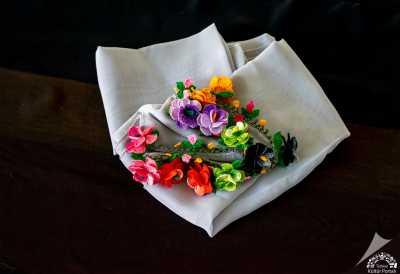
Uluborlu Çeki Oyası
Uluborlu Çeki Oyası is a traditional embroidery craft unique to the Uluborlu district of Isparta Province in Türkiye and is a protected traditional craft under geographical indication. Registered under Law No. 6769 on Industrial Property, this craft was applied for on 25 February 2021 and officially registered as a geographical indication on 9 May 2022. Registered by the Uluborlu Municipality, this embroidery is an integral part of the district’s cultural heritage, with all stages of its product
EN
Elif Laçin
MeMerzifon Weaving
Merzifon Weaving is a handwoven textile unique to the Merzifon district of Amasya Province. It is one of the important cultural symbols of Merzifon and historically served as a primary source of livelihood for the local population, with production continuing for over a century. Merzifon Weave (AA) Characteristics and Production Production Area: Merzifon Weaving is produced exclusively within the geographical boundaries of the Merzifon district of Amasya Province. All stages of production must ta
ENYahya B. Keskin
ÇıÇınarcık İşi
Çınarcık İşi is a traditional handicraft produced in the district of Çınarcık, within the province of Yalova, using fine needle lace techniques. This type of embroidery reflects the sociocultural structure and aesthetic understanding of the region and holds an important place in the daily life and ceremonies of the local population. Origin and Development The history of Çınarcık İşi stems from examples of needle lace created by rural women in the district who gathered together to work. This hand
EN
Zeynep Şule Bingöl
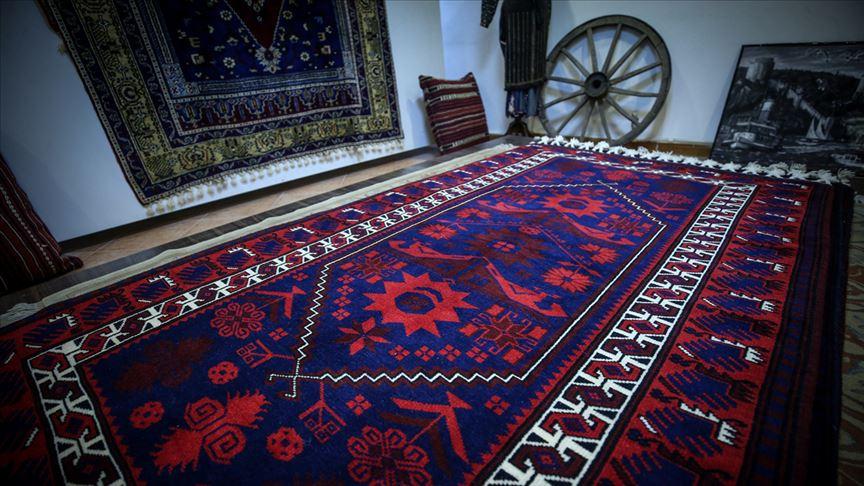
Yağcıbedir El Halısı
Yağcıbedir rug is one of Türkiye’s important cultural heritage elements, traditionally woven in the Sındırgı district of Balıkesir and its surroundings using traditional methods, distinguished by the use of natural root dyes and geometric motifs. These rugs, among the original examples of Anatolian carpet weaving, are particularly notable for their dominant use of deep blue, red, and white colors in their designs. History The origins of Yağcıbedir carpet weaving trace back to the Yörük/Turkmen c
EN
Gökhan Tanaydın
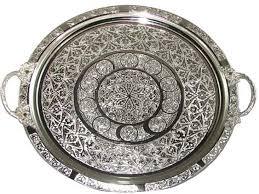
Gaziantep Copper Craftsmanship
Gaziantep Copper Craftsmanship represents a traditional craft of the city of Gaziantep. This craft is based on manual techniques applied in the processing of copper and is sustained primarily through knowledge passed down from master to apprentice. The production process consists of labor-intensive stages including flattening copper into sheets, shaping it, embossing patterns with hammers, and surface treatments. The resulting products typically take the form of everyday or aesthetic items such
EN
Ali Hakyol