

`traditional-handicrafts` Related Article Results
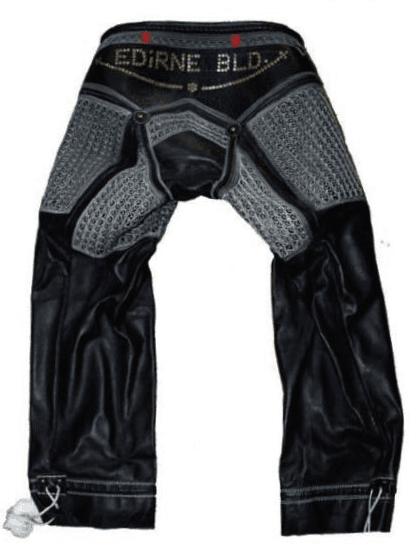
Kıspetçilik
Kıspetçilik, geleneksel Turkish oil wrestling is a craft profession focused on the production of the kıspet worn by wrestlers. The kıspet is a durable and flexible wrestling garment extending from the waist to below the knee, made from buffalo, cattle or male goat leather. As one of the fundamental elements of Turkish wrestling culture, the kıspet has a unique design that allows wrestlers to maintain their mobility while preventing opponents from easily gripping it. The profession of kıspetçilik
EN
Sümeyra Uzun
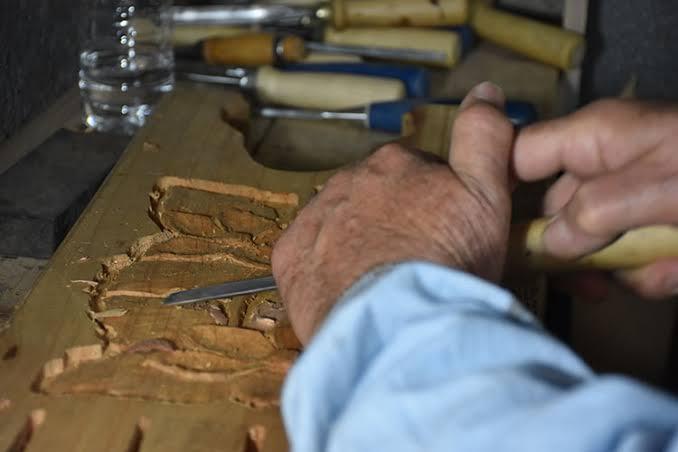
Wood Carving in the Black Sea Region
Black Sea Region’nde wood wood carving is a traditional craft that developed within historical process and has been passed down from generation to generation, particularly evident in the provinces of Army, Trabzon, Rize and Artvin like as common. Woodworking has established itself as a distinctive important place found in both everyday objects and architectural decorations, becoming a reflection of the region’s cultural identity craft. Wood carving - carving process " image-alternate="" image-el
EN
Esmanur Demir
 Şa
ŞaŞanlıurfa Culha Weaving
Şanlıurfa culha weaving is a traditional craft that has been practiced for centuries and represents the city’s deep-rooted textile heritage. This craft is based on the hand-weaving of cotton, wool, and silk yarns on traditional looms using plain weave or twill techniques, and over time it has produced fabrics tailored to the local population’s needs and aesthetic sensibilities. Registered as a geographical indication, culha weaving not only preserves a historical production tradition but also pr
EN
Sevgi Kıraç

Baksı Museum
Baksı Museum is a private museum located in Bayburt Province, Türkiye. It brings together modern art and traditional crafts. The museum has been established in harmony with nature, offering visitors both artistic works and the region’s natural beauty. Where Is It Located? The Baksı Museum is situated in one of Bayburt’s most beautiful natural areas, in the region between the Black Sea and Eastern Anatolia. The surrounding natural landscape provides visitors with the opportunity to explore both c
EN
İbrahim Filiz
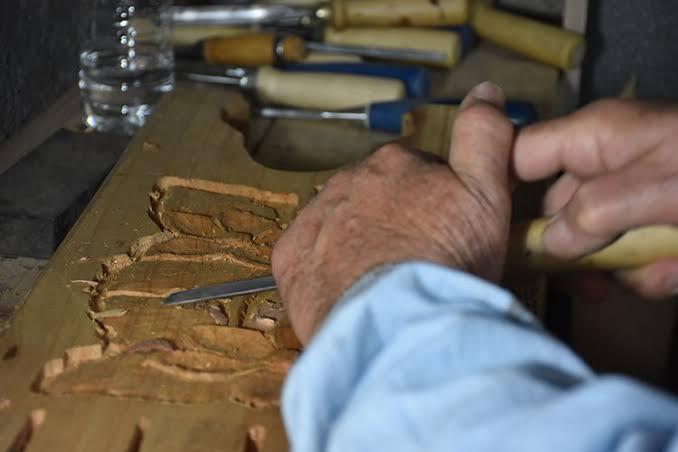
Wood Carving in the Black Sea Region
Wood carving in the Black Sea Region is a traditional craft that has developed over time and been passed down from generation to generation, particularly prevalent in the provinces of Ordu, Trabzon, Rize and Artvin. Woodworking has occupied an important place both in everyday household items and in architectural decorations, becoming a craft that reflects the cultural identity of the region. Wood carving - carving process " image-alternate="" image-element-format="right"> History The Black Se
EN
Esmanur Demir
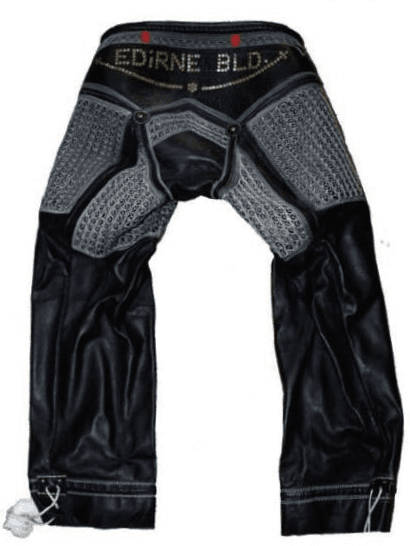
Kıspetçilik
Kıspetçilik is a traditional craft involving the production of the Turk oil wrestling garment known as the kıspet. The kıspet is a durable and flexible wrestling attire extending from the waist to below the knee, made from buffalo, cattle, or male goat leather. As one of the fundamental elements of Turkish wrestling culture, the kıspet has a unique design that preserves the wrestler’s mobility while preventing opponents from easily gripping it. The craft of kıspetçilik has been passed down from
EN
Sümeyra Uzun
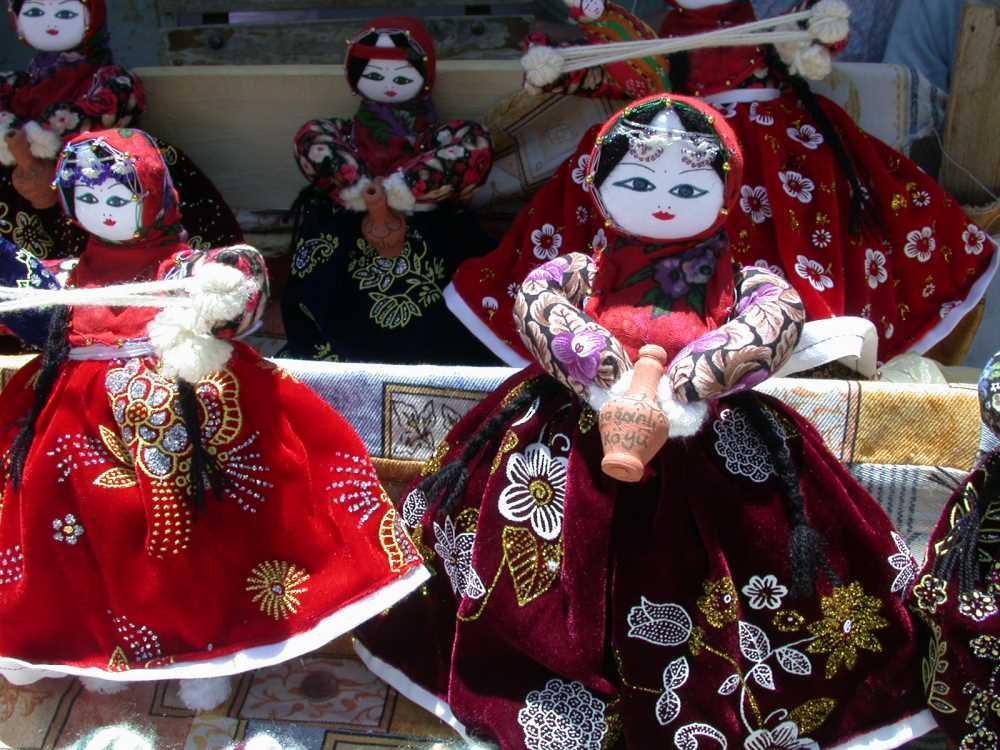
Soğanlı Cloth Dolls
Soğanlı Cloth Dolls are one of the traditional handicrafts long practiced in Soğanlı Village, part of the Yeşilhisar district of Kayseri. Made using regional techniques and local materials, these cloth dolls are among the important cultural elements that reflect the historical lifestyle, clothing, and aesthetic understanding of the local population. History The production of Soğanlı Cloth Dolls originated from the practice of women in the region using leftover fabric scraps at home to make toys
EN
Zeynep Şule Bingöl
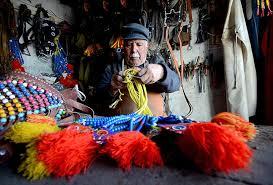
Saraçlık
Saraçlık is a traditional craft encompassing the production of leather goods such as saddles, bridles, and harnesses. Those who practice this trade are called saraç, and their workshops are known as saraçhane. Handmade products include items such as reins, belts, wallets, and haversacks. History The art of saraçlık has historically held particular importance among equestrian societies. Tracing its origins back to the Lydian period, this craft experienced significant development during the era of
EN
Meltem Saraç
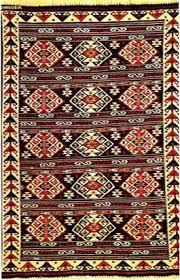
Jirkan Kilimi
Jirkan kilim is a traditional handwoven carpet specific to Van Province in Türkiye and is protected by a geographical indication granted by the Van Municipality. This geographical indication was officially published in the Official Gazette on 1 September 1996 with the aim of preserving the region’s cultural heritage. Throughout history, Jirkan kilims have been produced through the manual labor of women in the region and passed down from generation to generation. The name of the kilim and its pro
EN
Sinem Bostan
Kadirli Andız Rosary
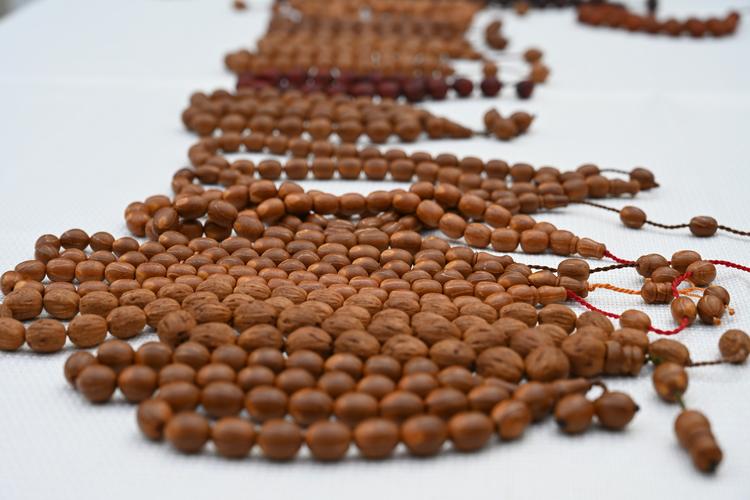
Kadirli Andız Tespihi is a traditional handicraft product made from seeds harvested from the Juniperus drupacea juniper trees that grow naturally in the mountainous regions of Kadirli district, Osmaniye Province, Türkiye (at elevations of 800–1500 meters). Registered as a geographical indication on 25 April 2025, this product stands out for its unique qualities that reflect the cultural heritage and natural resources of the region. Kadirli Andız Tespihi (AA) " image-alternate="" image-element-fo
EN
Elif Laçin