


This article was automatically translated from the original Turkish version.
+1 More

Winglet
Type | Aerodynamic structure | ||||||||
|---|---|---|---|---|---|---|---|---|---|
Initial Design | Theoretically proposed in 1897 by British engineer Frederick W. Lanchester | ||||||||
Modern Design | Developed in the 1970s by Richard T. Whitcomb under NASA's ACEE program | ||||||||
Application Area | Fixed-wing aircraft | ||||||||
Winglet Types | Blended (smooth transition) Raked wingtip (extended wingtip) Spiroid (ring-shaped) Sharklet-like vertical types Split Scimitar / Multi-part Wing fence (vertical fence type) | ||||||||
A winglet is a wing structure integrated at the tips of fixed-wing aircraft, designed primarily to enhance the aerodynamic efficiency of the aircraft. This concept was first proposed theoretically by British engineer Frederick W. Lanchester in the 1890s, but it was developed in its modern form in the 1970s by NASA engineer Richard T. Whitcomb. Winglets are engineered to reduce vortices formed at the wingtips, which cause induced drag. These vortices are turbulent air movements created by air flowing from the high-pressure region beneath the wing to the low-pressure region above it, as described by Bernoulli’s principle, resulting in turbulent airflow.
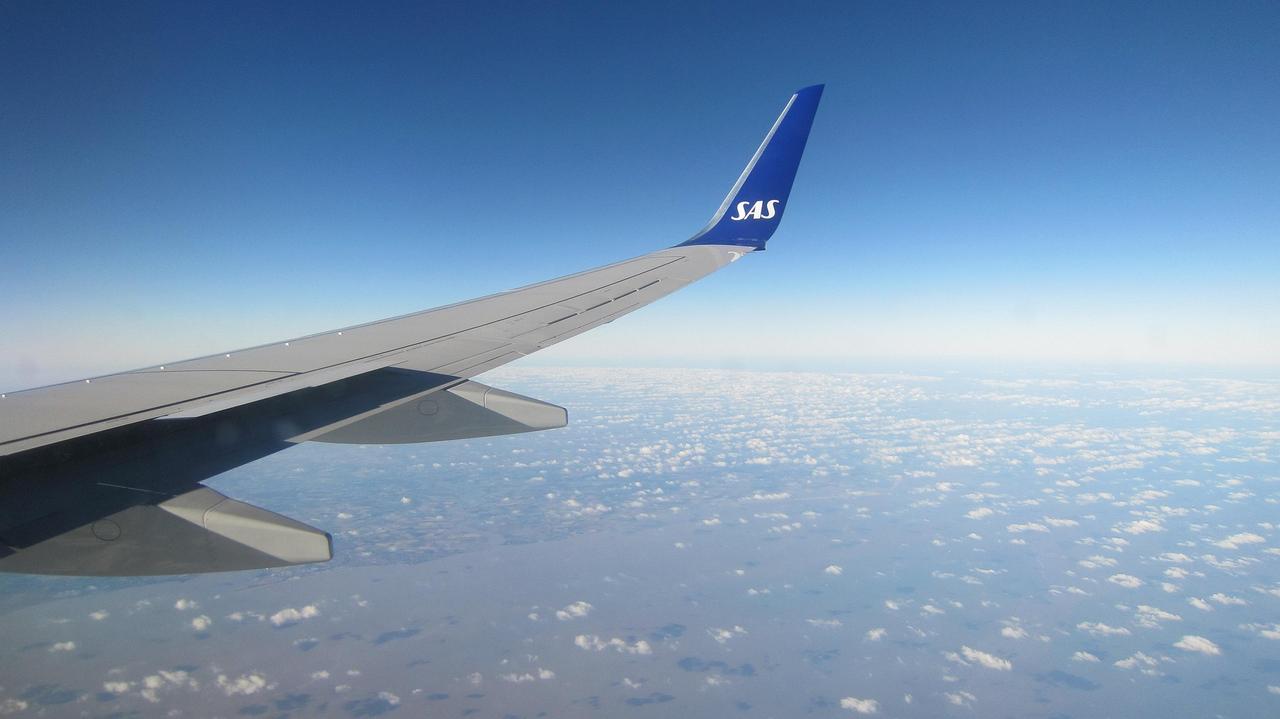
B737 Winglet ()
The origins of the winglet extend to the late 19th century. In 1897, British engineer Frederick W. Lanchester proposed attaching vertical plates to the tips of aircraft wings to reduce drag caused by tip vortices. He obtained the first patent based on this idea in the same year. However, his concept was not practically implemented at the time and attracted limited interest. The first person to integrate the winglet concept into flight was Scottish engineer William Sommerville in 1910. Sommerville’s design is considered one of the functional precursors to modern winglets. During World War II, some German aircraft, particularly the Heinkel He-162A, featured downward-curved wingtips known as “Lippisch ears.” Although these structures offered aerodynamic advantages, they did not gain widespread adoption in civil or military aviation after the war.
The integration of winglets into aviation in their modern form occurred in the 1970s. Following the global oil crisis of 1973, the need for fuel efficiency increased. During this period, NASA launched the Aircraft Energy Efficiency (ACEE) program to improve aircraft energy efficiency. Engineer Richard T. Whitcomb at the Langley Research Center revisited Lanchester’s concept and developed an aerodynamically optimized winglet design with a curved upward profile.
Whitcomb’s publications in 1976 predicted that this design could reduce induced drag by up to 20 percent. Subsequent tests confirmed this estimate, leading to rapid adoption of winglets in civil aviation. By the 1980s and 1990s, winglets became widespread on large passenger aircraft and business jets, and today they are a standard aerodynamic component of modern aviation.
Aircraft fly based on a lift mechanism grounded in Bernoulli’s principle and Newton’s third law. Air flows faster over the upper surface of the wing, resulting in lower pressure, while air moves more slowly beneath the wing, creating higher pressure.
During flight, high pressure forms beneath the wing and low pressure above it. Due to this pressure difference, air tends to flow from the underside to the upper side of the wing, particularly around the wingtip. This movement generates vortices known as “wingtip vortices” behind the aircraft. These vortices create turbulence, resulting in an additional form of drag called induced drag. Induced drag requires the engines to produce greater thrust, thereby increasing fuel consumption. Winglets mitigate this by reducing the pressure differential at the wingtips, weakening the vortices and minimizing drag forces.
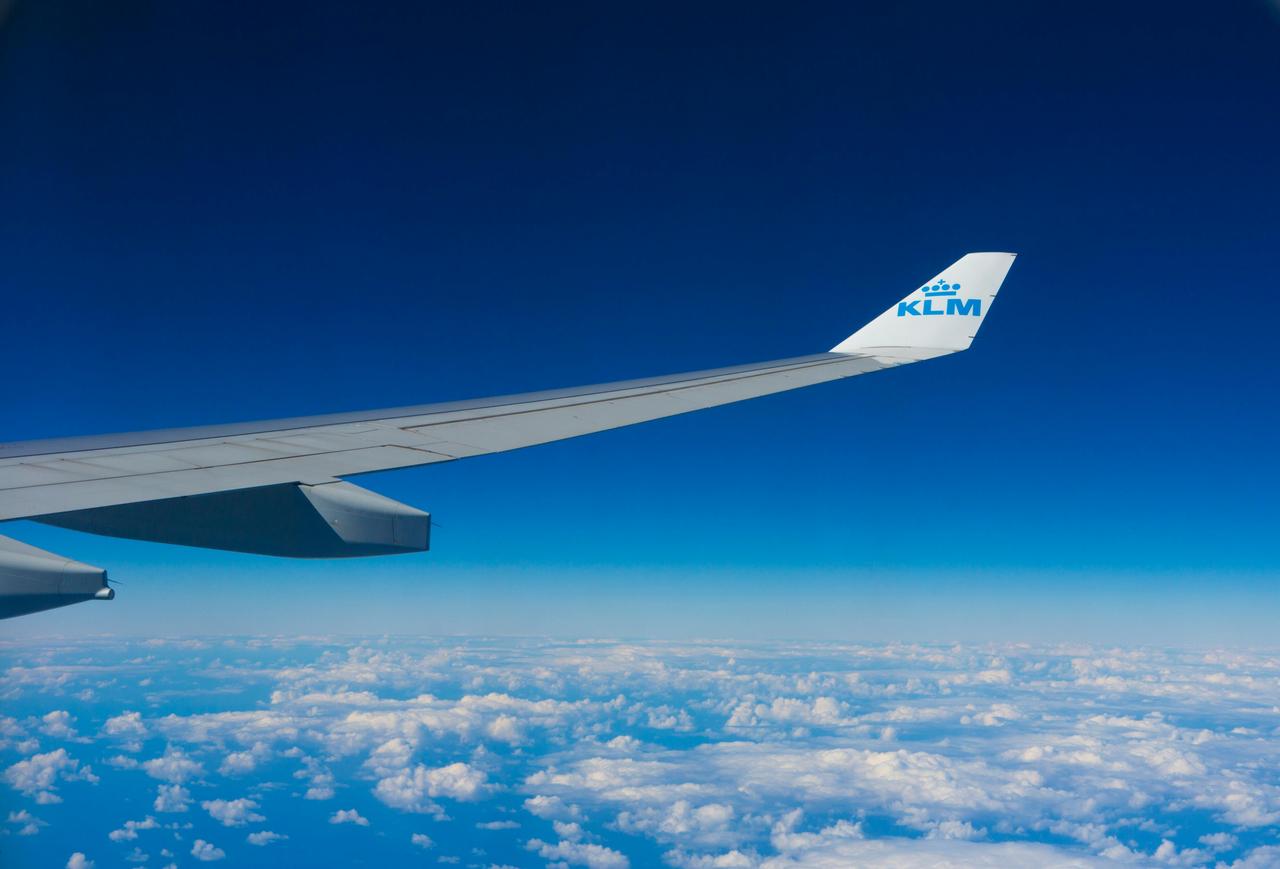
Airbus A330 winglet (Walter Sietinga, Pexels)
Winglet designs vary according to the engineering priorities and performance goals of manufacturers. There is no single definitive winglet shape; designs are tailored to the aircraft type, mission profile, and flight conditions. Winglets can be integrated into new aircraft during production or retrofitted onto older models. Winglet configurations are adapted to meet specific aerodynamic requirements. The main types of winglets are as follows:
Blended Winglet: A widely used design that smoothly merges with the wing, offering high aerodynamic efficiency. This design reduces induced drag by approximately 4–5 percent by minimizing flow separation. It is commonly used on Gulfstream aircraft and certain Boeing models.
Split Scimitar Winglet: An advanced version of the blended winglet. In addition to the traditional upward-extending plate, it includes a second downward-facing flap. This dual-directional structure further reduces drag by an additional 1–2 percent by balancing vortex flow. It is preferred on long-range commercial aircraft such as the Boeing 737 MAX family.
Wingtip Fence: A structure consisting of two vertical planes—one upward and one downward—attached perpendicularly to the wingtip. This system, which does not require complex curved geometry, splits vortex energy and reduces induced drag by approximately 1.5–2 percent. It is widely applied on the Airbus A320 family as a cost-effective and practical solution for short-haul flights.
Sharklet: An aerodynamic wingtip design developed by Airbus for the A320neo family, resembling a shark’s fin. Operating on the blended winglet principle, it leverages advanced materials and design optimization to reduce carbon dioxide emissions by approximately 700 tons per aircraft annually. Fuel consumption is reduced by 3–4 percent. Sharklets are used both in new aircraft production and retrofit programs.
Raked Wingtip: A wingtip type where the wing’s end is swept backward and angled more widely. This design improves the lift-to-drag ratio by 15–20 percent and reduces induced drag by 20–25 percent. It is particularly important on long-range wide-body aircraft such as the Boeing 787 and 777X, where high performance and takeoff-weight balance are critical.
Spiroid Winglet: A spiral structure that forms a closed loop at the wingtip. It directs airflow along a single continuous surface, concentrating vortices at the center. This feature reduces the stall angle at low speeds and increases lift. It is currently under experimental application in military transport aircraft and business jets requiring high maneuverability.
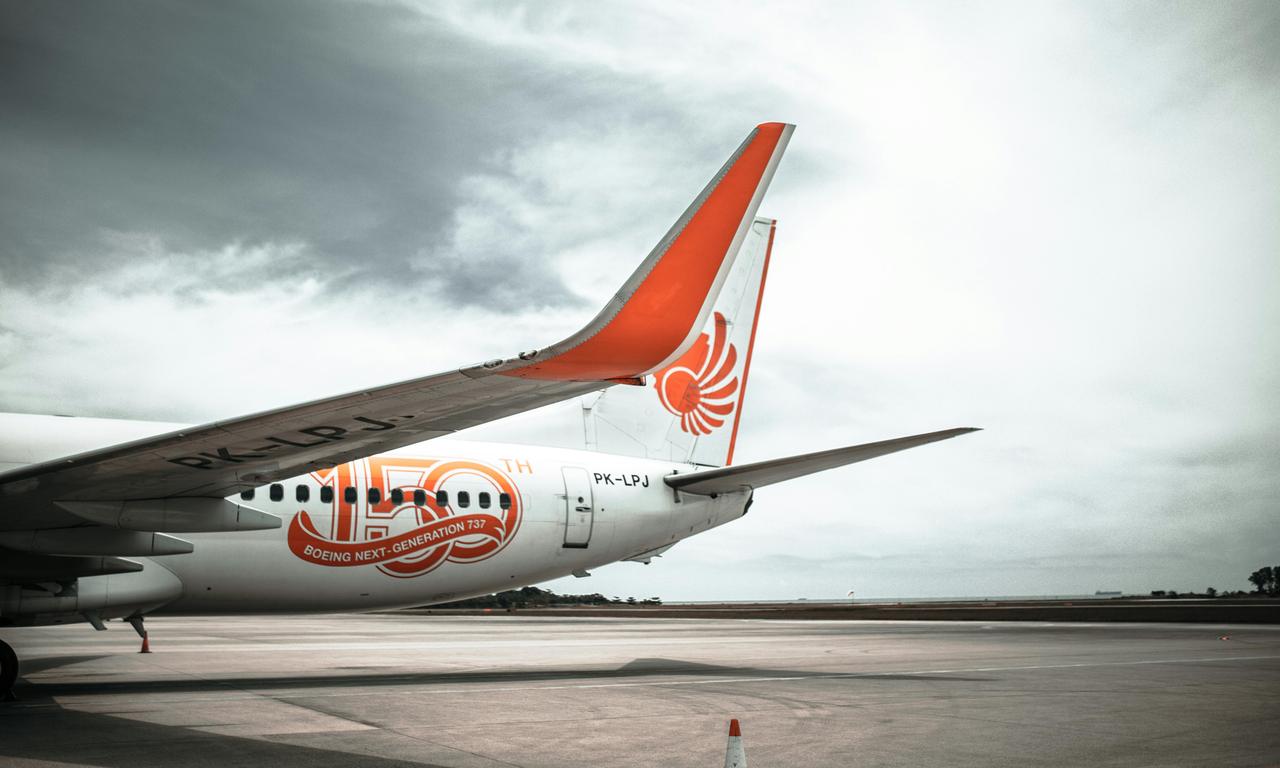
B737 winglet (Nur Andi Ravsanjani Gusma,Pexels)
Winglets are a significant engineering solution in modern aviation, enhancing aerodynamic efficiency, reducing environmental impact, and improving operational performance. By limiting vortices at the wingtips, they reduce drag, resulting in fuel savings of 3 to 5 percent and increased range. Takeoff and climb performance improves, with lower stall speeds and more stable flight characteristics in turbulent conditions. Engine lifespan extends and carbon emissions decrease, playing a key role in sustainability strategies aligned with IATA’s 2050 Net Zero goals sustainability.
However, certain limitations exist. Winglet design and structural integration can increase aircraft weight and raise production, installation, and maintenance costs. Retrofitting older aircraft may be economically inefficient due to compatibility challenges. Their increased wingspan can also pose physical collision risks in tight parking areas. Thus, winglets are viewed as a balancing element requiring careful engineering and fleet planning to reconcile technical benefits with cost considerations.
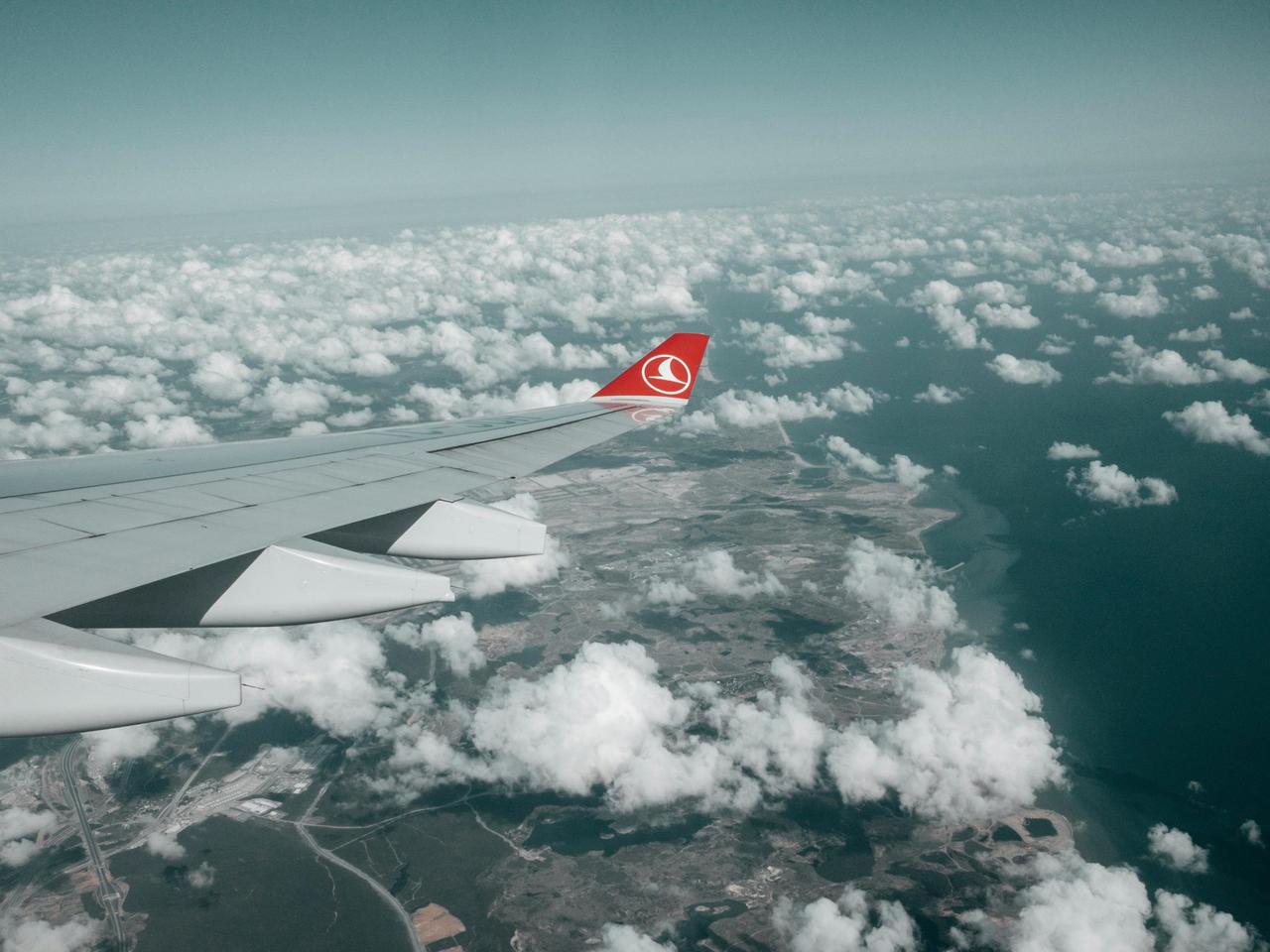
A330 Winglet (Carl Alfons, Pexels)
Winglet technology holds a central role in modern aviation, contributing significantly to environmental sustainability and operational efficiency. Amid rising international air traffic and efforts to combat climate change, winglets rank among the top structural improvements aimed at reducing aircraft fuel consumption and carbon emissions. These wingtip structures enable fuel savings of 3 to 5 percent, directly translating into reduced greenhouse gas emissions and economic gains.
Today, most new-generation aircraft are produced with winglet-like tip structures, while existing fleets are being retrofitted to benefit from this technology. This transition is regarded as a critical step toward the aviation industry’s goal of achieving net-zero carbon emissions by 2050. The role of winglets extends beyond improving fuel efficiency; they also provide indirect benefits such as noise reduction, extended engine life, and reduced maintenance frequency.
Future developments aim to move winglet designs beyond passive aerodynamic elements toward integration with active control systems. Research is underway to develop adaptive wingtip structures that can change shape during different flight phases to optimize performance across varying altitudes and speeds. Additionally, advanced composite materials will enable the production of lighter, more flexible, and durable structures, further enhancing fuel efficiency.
Airbus. "Airbus engineers bring sustainable aviation to reality." Accessed May 2, 2025.https://www.airbus.com/en/newsroom/news/2020-03-airbus-eeers-bring-sustainable-aviation-to-reality?utm_source
Boeing. "737 Next Generation Tasarım Özellikleri." Accessed May 2, 2025.https://www.boeing.com/commercial/737ng/737-next-generation-design-highlights?utm_source
Carl Alfons. "Uçak Kanadı." Pexels. Accessed May 2, 2025.https://www.pexels.com/tr-tr/fotograf/ucak-kanadi-2837826/
Fernandez, Janiere. "Beyaz Uçak Penceresi." Pexels. Accessed May 12, 2025.https://www.pexels.com/tr-tr/fotograf/beyaz-ucak-penceresi-2405101/
Gongzhang, Hanlin. Axtelius, Eric. “Aircraft Winglet Design.” Degree Project in Vehicle Engineering, Second Cycle, 15 Credits Stockholm, Sweden 2020. Accessed May 5, 2025.https://www.diva-portal.org/smash/get/diva2:1440647/FULLTEXT01.pdf
Gredos. "SAS Wing Winglet." Pixabay. Accessed May 2, 2025.https://pixabay.com/photos/sas-wing-winglet-1289265/
Nur Andi Ravsanjani Gusma. "Beyaz ve Turuncu Uçak Park Edilmiş." Pexels. Accessed May 2, 2025.https://www.pexels.com/tr-tr/fotograf/beyaz-ve-turuncu-ucak-park-edilmis-2834804/
Tegler, Eric. "What’s in a Winglet?: Inside the Epic Quest To Build a Better Airplane Wing." *Popular Mechanics*. Accessed May 12, 2025.https://www.popularmechanics.com/
Walter Sietinga. "Beyaz ve Mavi KLM Uçak Fotoğrafı." Pexels. Accessed May 2, 2025.https://www.pexels.com/tr-tr/fotograf/beyaz-ve-mavi-klm-ucak-fotografi-396437/
Whitcomb, Richard T. "This Month in NASA History: Winglets Helped Save an Industry." NASA. Accessed May 12, 2025.
Öğretmen, Barış Ata. "Uçakların Kanat Ucundaki “Winglet” Ne İşe Yarar?" Turkish Defence Agency. Accessed May 5, 2025.https://tdefenceagency.com/ucaklarin-kanat-ucundaki-winglet-ne-ise-yarar/

Winglet
Type | Aerodynamic structure | ||||||||
|---|---|---|---|---|---|---|---|---|---|
Initial Design | Theoretically proposed in 1897 by British engineer Frederick W. Lanchester | ||||||||
Modern Design | Developed in the 1970s by Richard T. Whitcomb under NASA's ACEE program | ||||||||
Application Area | Fixed-wing aircraft | ||||||||
Winglet Types | Blended (smooth transition) Raked wingtip (extended wingtip) Spiroid (ring-shaped) Sharklet-like vertical types Split Scimitar / Multi-part Wing fence (vertical fence type) | ||||||||
History
Working Principle
Winglet Types
Benefits and Disadvantages
Current Importance and Future Outlook