

`aviation-technology` Related Article Results
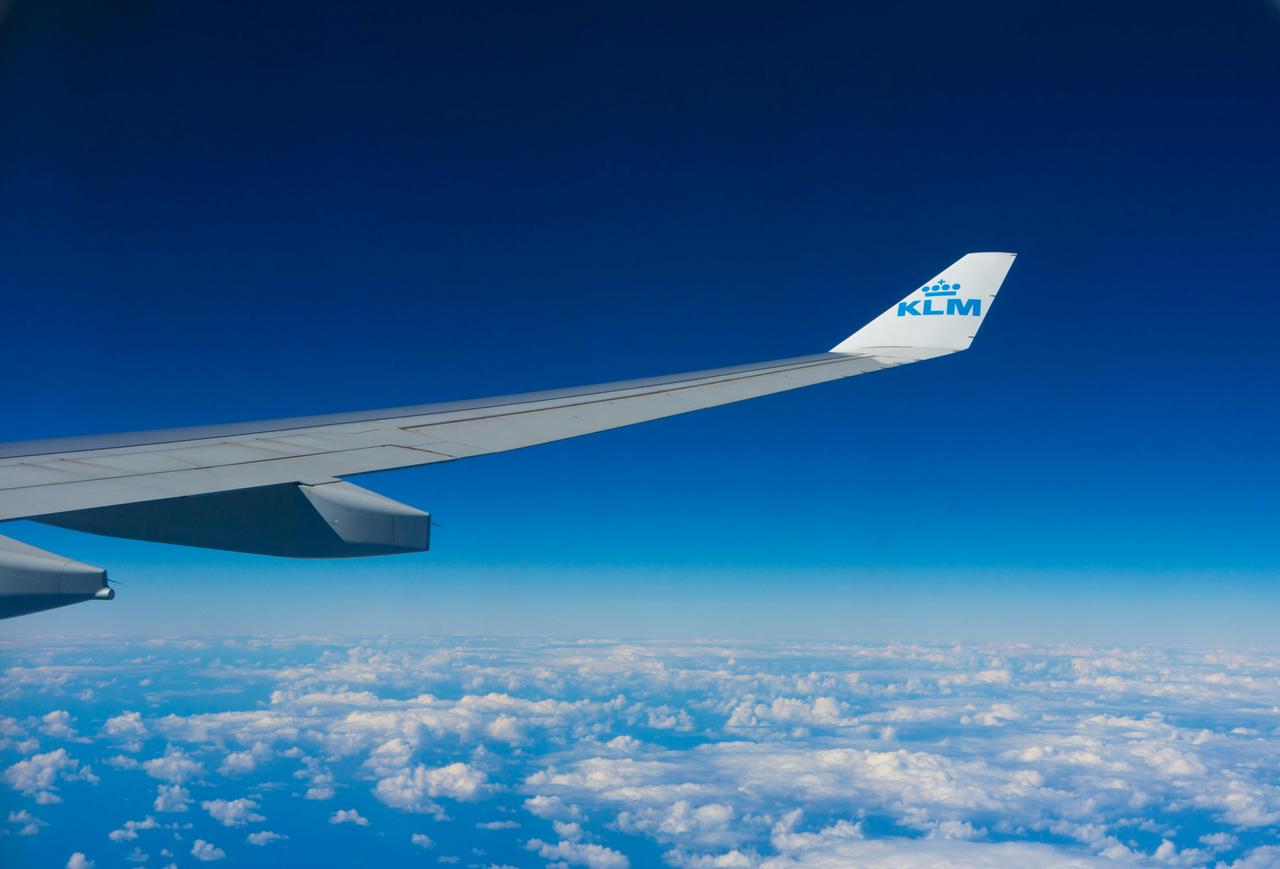
Winglet
A winglet is a wing structure integrated at the tips of fixed-wing aircraft, primarily designed to enhance the aerodynamic efficiency of the aircraft. This concept was first theorized in the 1890s by Frederick W. Lanchester, but it was developed in its modern form in the 1970s by NASA engineer Richard T. Whitcomb. Winglets are engineered to reduce vortices formed at the wingtip, which cause induced drag. These vortices are turbulent air movements created by air flowing from the high-pressure reg
EN
Mustafa Hamza Cinoğlu
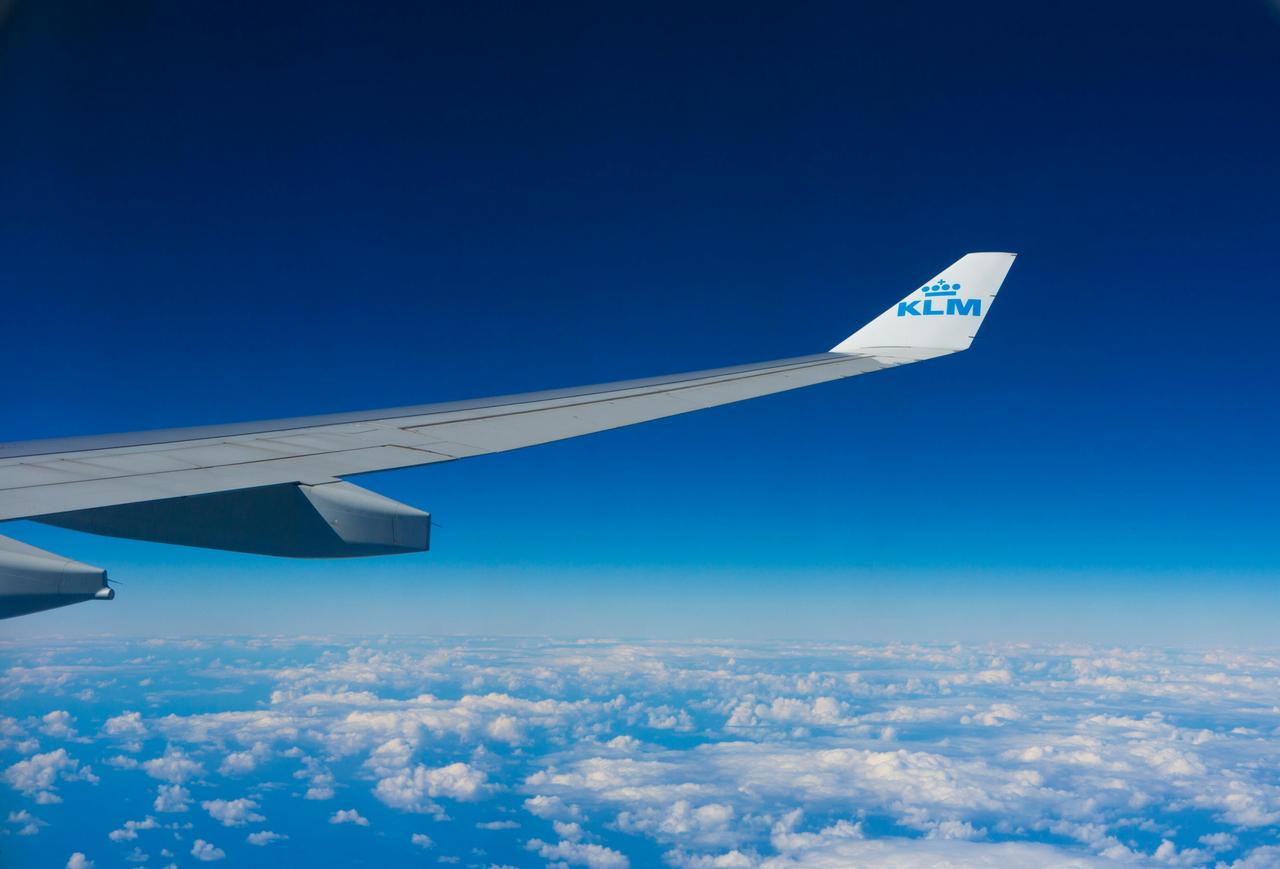
Winglet
A winglet is a wing structure integrated at the tips of fixed-wing aircraft, designed primarily to enhance the aerodynamic efficiency of the aircraft. This concept was first proposed theoretically by British engineer Frederick W. Lanchester in the 1890s, but it was developed in its modern form in the 1970s by NASA engineer Richard T. Whitcomb. Winglets are engineered to reduce vortices formed at the wingtips, which cause induced drag. These vortices are turbulent air movements created by air flo
ENMustafa Hamza Cinoğlu
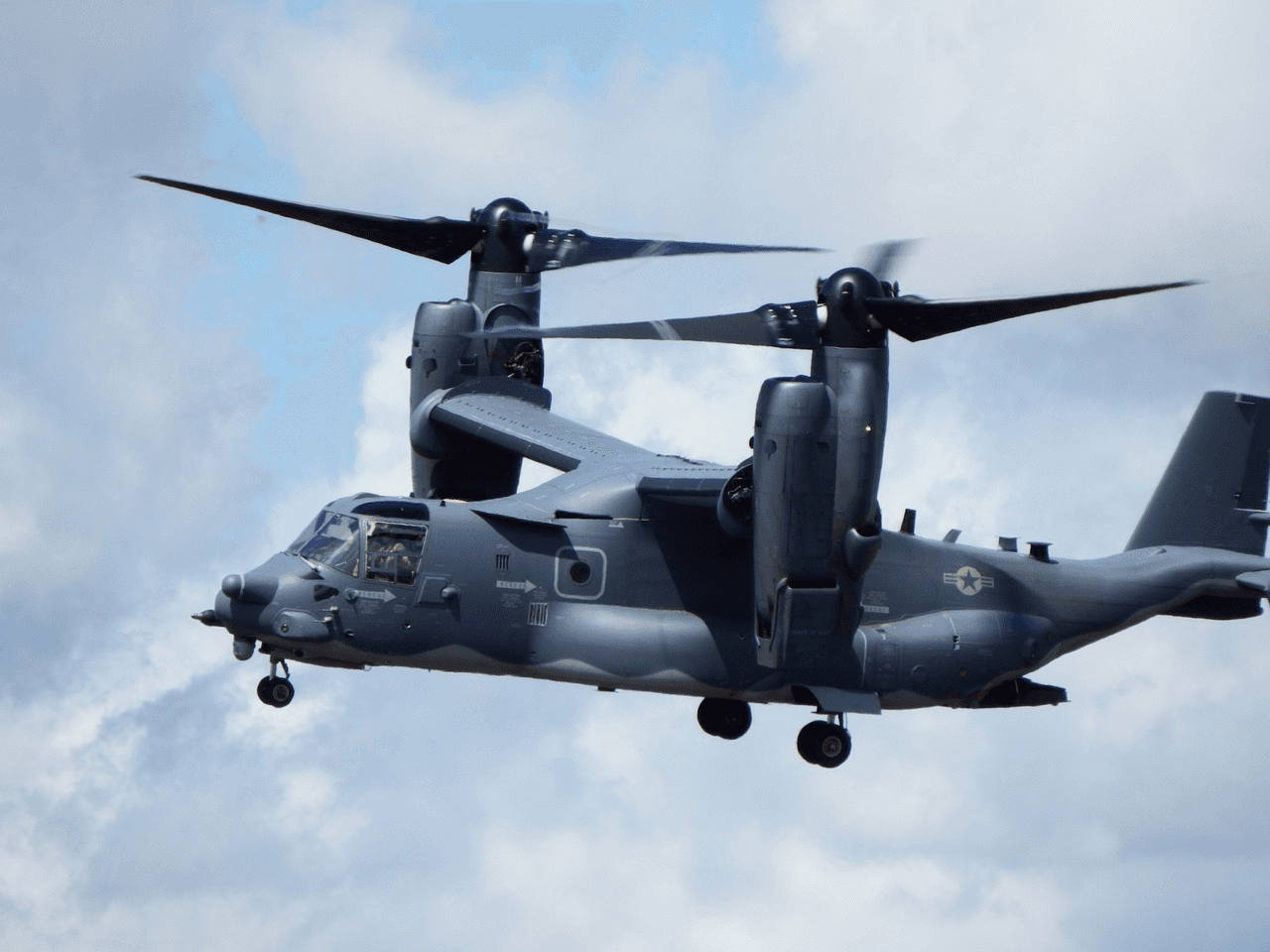
Bell Boeing V-22 Osprey
Bell Boeing V-22 Osprey is a convertible aircraft that combines vertical takeoff and landing (VTOL) capabilities with short takeoff and landing (STOL) performance, securing a unique place in aviation history. This innovative design integrates the vertical takeoff and landing capabilities of helicopters with the high speed and extended range advantages of fixed-wing aircraft, making it particularly valuable for a variety of military missions. The Bell Boeing V-22 Osprey enhances operational flexi
EN
Arif Zahid Yüksel
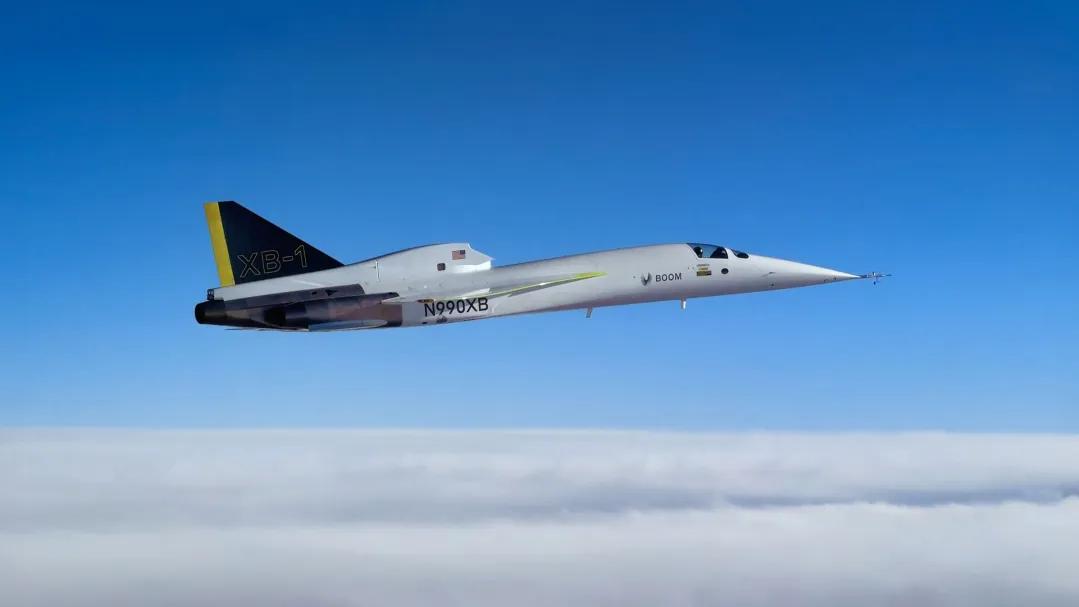
Supersonic Aircraft
Supersonic aircraft are aerial vehicles capable of exceeding the speed of sound (approximately 1,235 km/h – Mach 1 at sea level). These aircraft can reach speeds between Mach 1 and Mach 5. Achieving supersonic speeds requires specially designed aerodynamic structures, materials resistant to high temperatures and powerful propulsion systems. The shock waves generated in the atmosphere during the movement of aircraft flying faster than sound produce a loud effect known as a sonic boom. This phenom
EN
Tuba Akalın
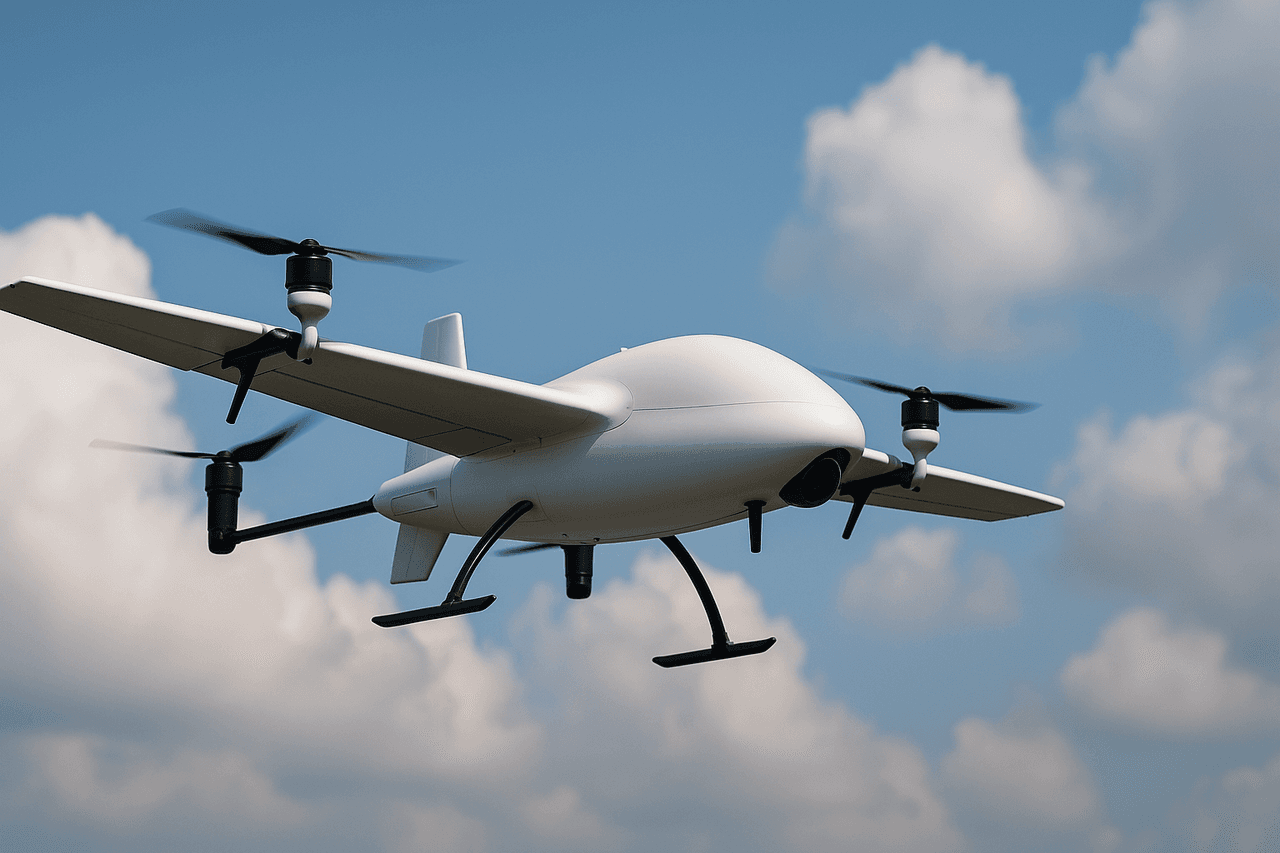
Autonomous Aircraft
Autonomous aerial vehicles are airborne platforms that do not carry a pilot or passenger and can perform pre-programmed missions or be remotely controlled through artificial intelligence and various algorithms. Although these systems, commonly known as Unmanned Aerial Vehicles (UAVs) or drones, were initially developed for military purposes, they have now achieved broad applications in commercial, industrial, civil, and scientific fields. By requiring minimal human intervention during flight, th
ENElyesa Köseoğlu
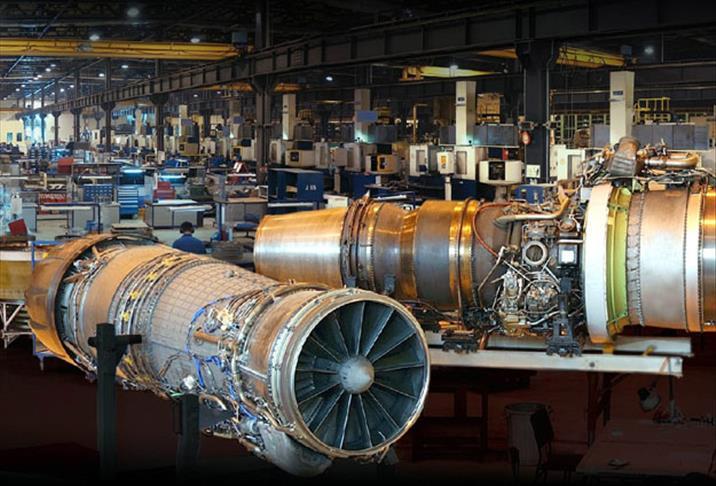
The Journey of the Aircraft Engine
The history of the aircraft engine began in 1848 with John Stringfellow’s pioneering steam engine and evolved into the 12-horsepower engine used by the Wright Brothers for their historic flight in 1903, revolutionizing aviation. This journey rapidly progressed from piston engines to rotary engines and then to jet technology, marked by major breakthroughs such as Frank Whittle’s 1930 turbojet patent and the first successful rocket-powered aircraft, the Heinkel He 176, in 1939. The development of
EN
Kadir Maden
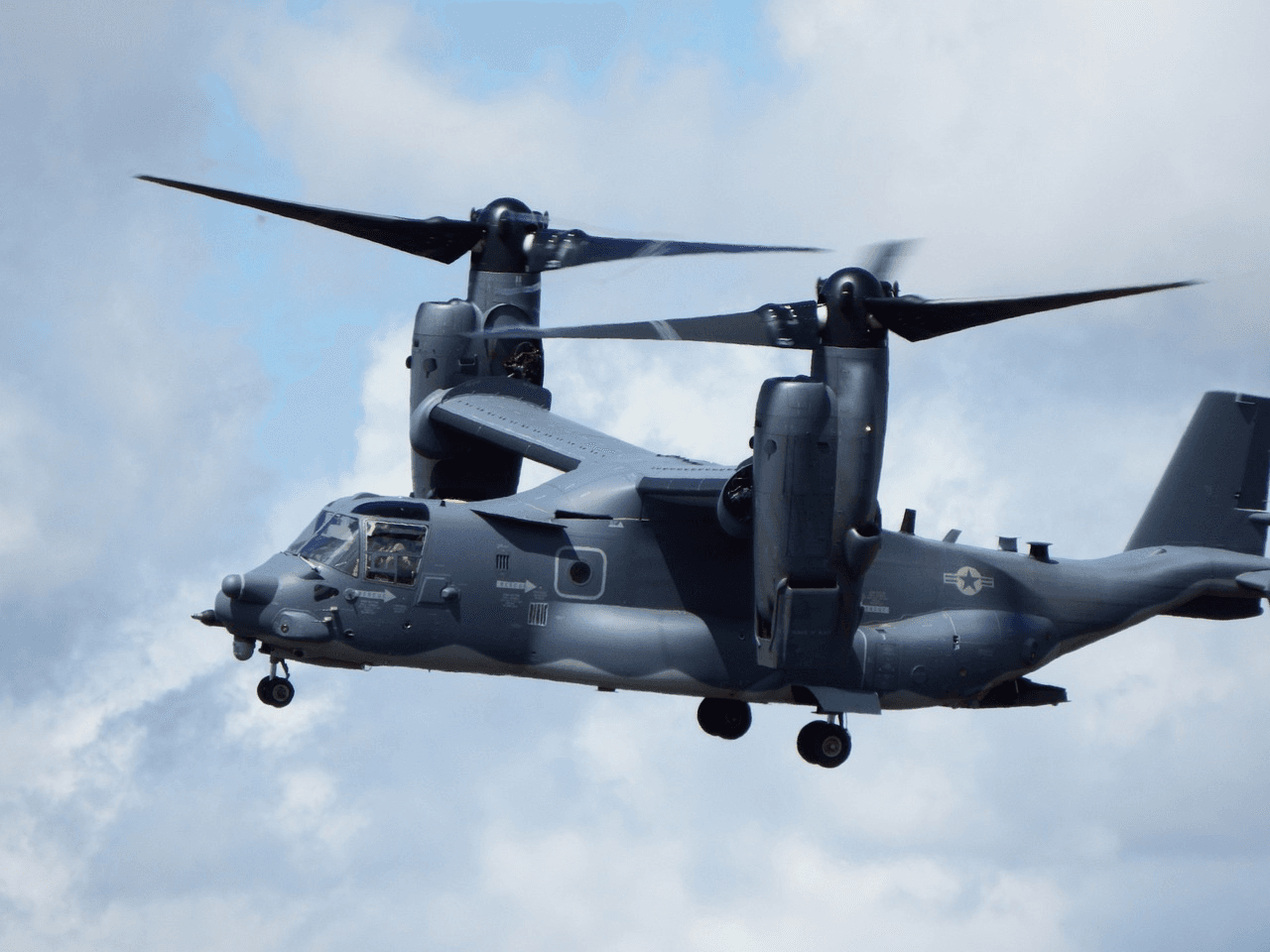
Bell Boeing V-22 Osprey
Bell Boeing V-22 Osprey is a convertible aircraft that occupies an important place in aviation history by combining vertical takeoff and landing (VTOL) with short takeoff and landing (STOL) capabilities. This innovative design integrates the vertical takeoff and landing capacity of helicopters with the high speed and long range advantages of fixed-wing aircraft and is widely used for various missions in military operations. The Bell Boeing V-22 Osprey adapts to the dynamic nature of military ope
EN
Arif Zahid Yüksel
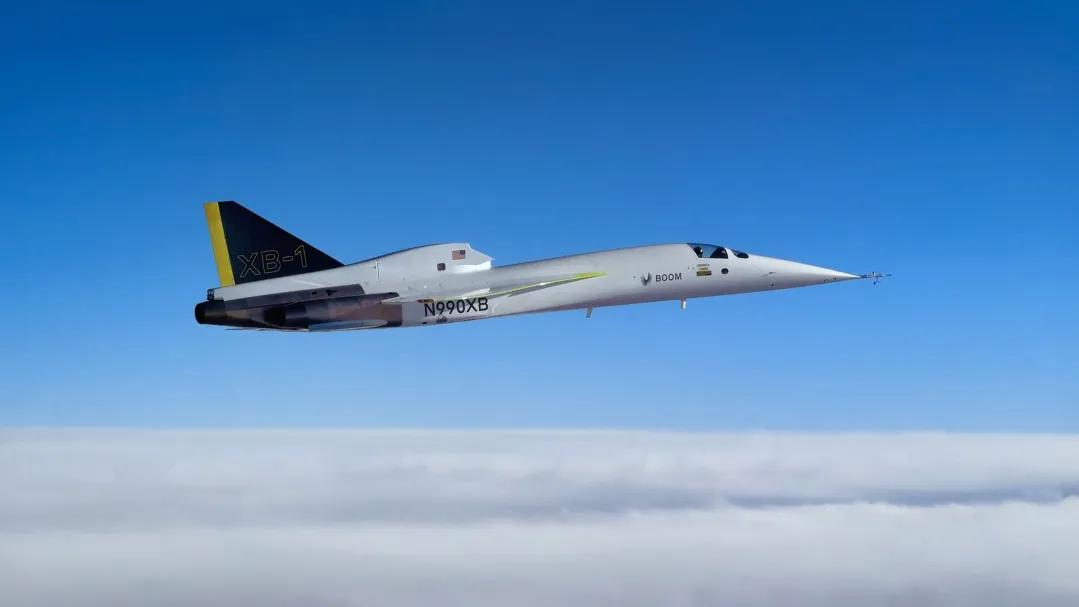
Supersonic Aircraft
Supersonic aircraft are aerial vehicles capable of exceeding the speed of sound (approximately 1,235 km/h at sea level Mach 1). Such aircraft can reach speeds between Mach 1 and Mach 5. To achieve supersonic speeds, specialized aerodynamic designs, materials resistant to high temperatures and powerful engine systems are required. The shock waves generated in the atmosphere during the movement of aircraft exceeding the speed of sound produce a loud effect known as a sonic boom. This has led to si
EN
Tuba Akalın