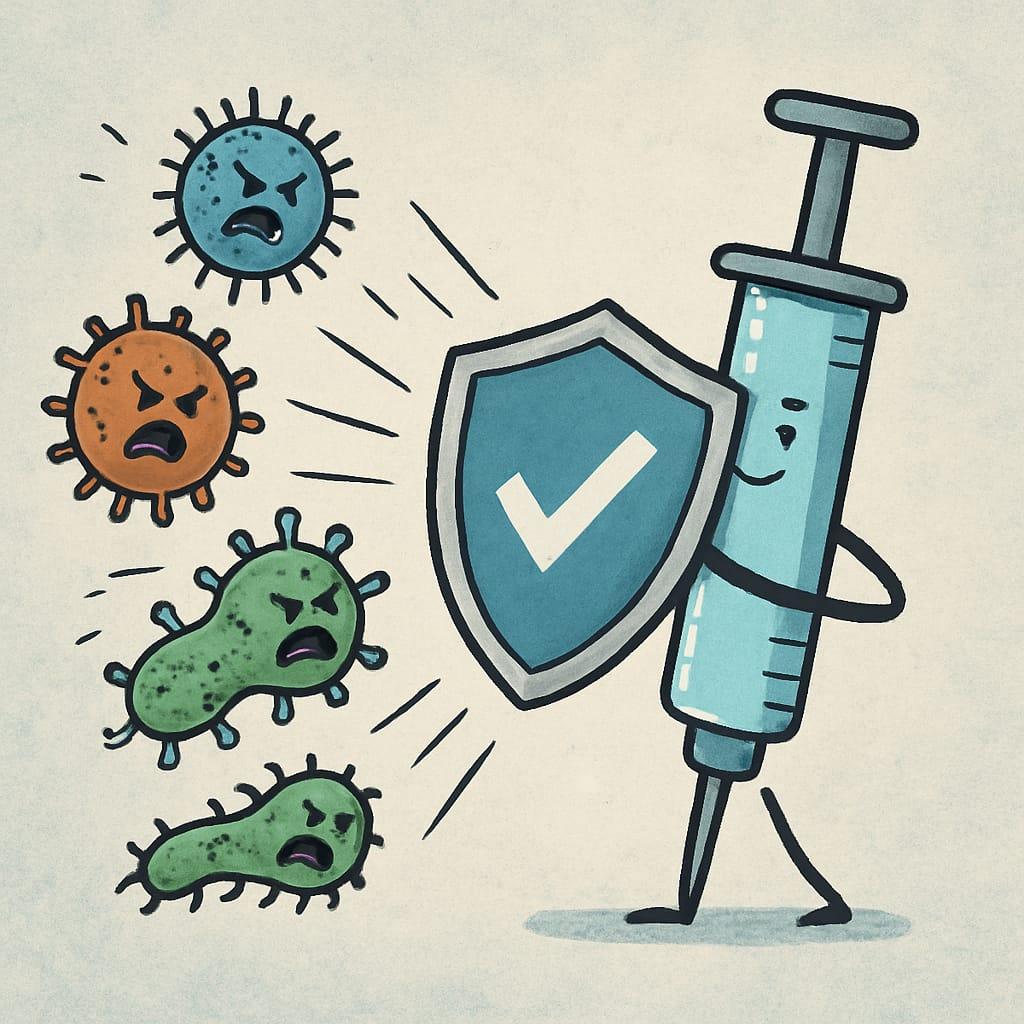


What is Vaccination, and Why Do We Get It?
Vaccines are medical tools that protect our bodies from diseases and strengthen our immune system. They contain weakened or inactivated forms of disease-causing microbes. This allows our bodies to recognize these microbes and prepare defenses to eliminate them.
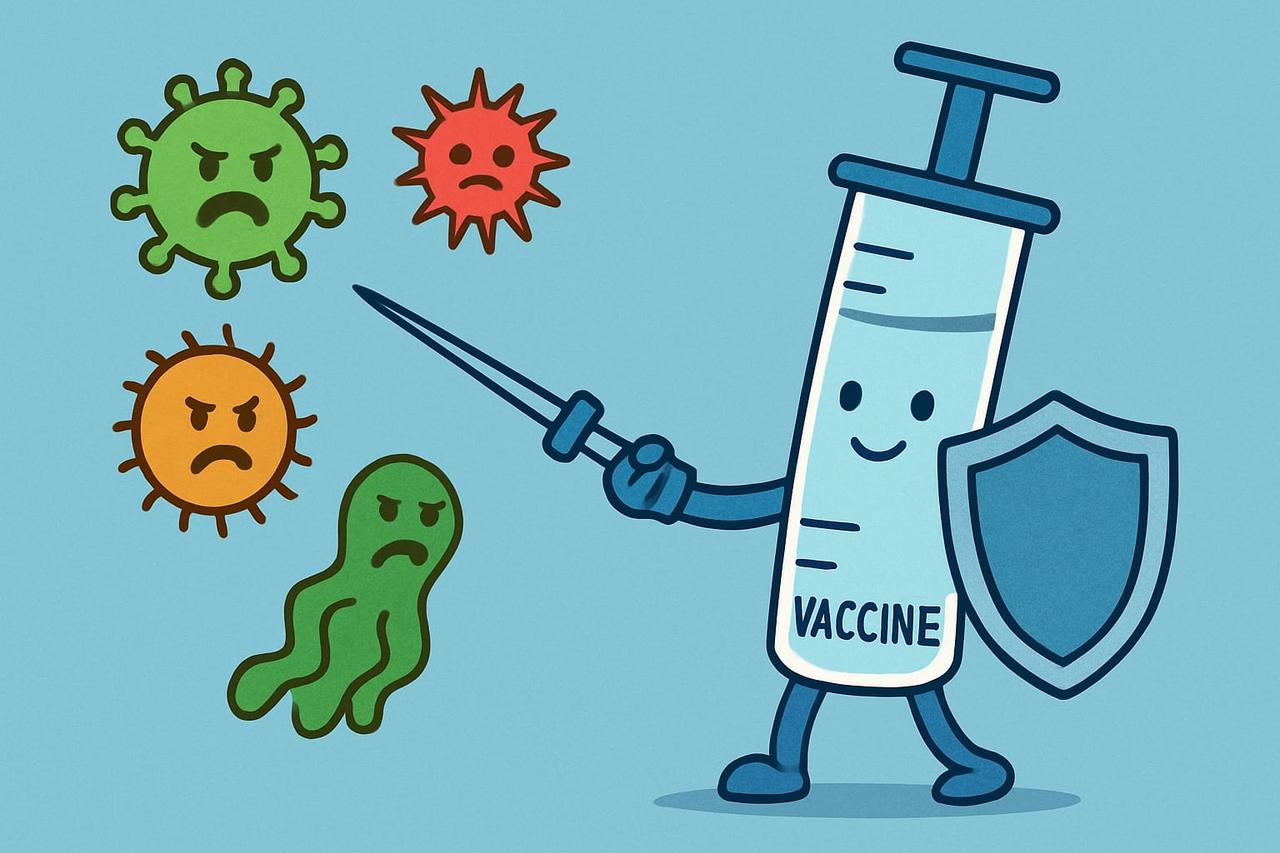
(Generated by Artificial Intelligence.)
What Is the Immune System?
The immune system is the body’s defense mechanism that protects us from disease-causing microbes entering from outside. It fights harmful microbes that enter the body and prevents us from becoming ill.
How Do Vaccines Work?
When a vaccine is administered, the microbes it contains do not harm the body but teach the immune system to recognize them. The body produces specialized defense cells against these microbes. As a result, when confronted with the actual disease, the body responds rapidly.
Immune Memory
The immune system remembers the microbes it encounters through vaccination. When the disease returns, the body’s defense becomes stronger and faster.
Why Should We Get Vaccinated?
Getting vaccinated is essential to protect ourselves from diseases and prevent their spread. Diseases can cause serious harm and spread easily. Vaccines allow us to protect both ourselves and those around us.
Who Should Get Vaccinated?
Children, elderly people, pregnant women, and individuals with weakened immune systems should especially receive vaccines. These groups are more vulnerable to diseases.
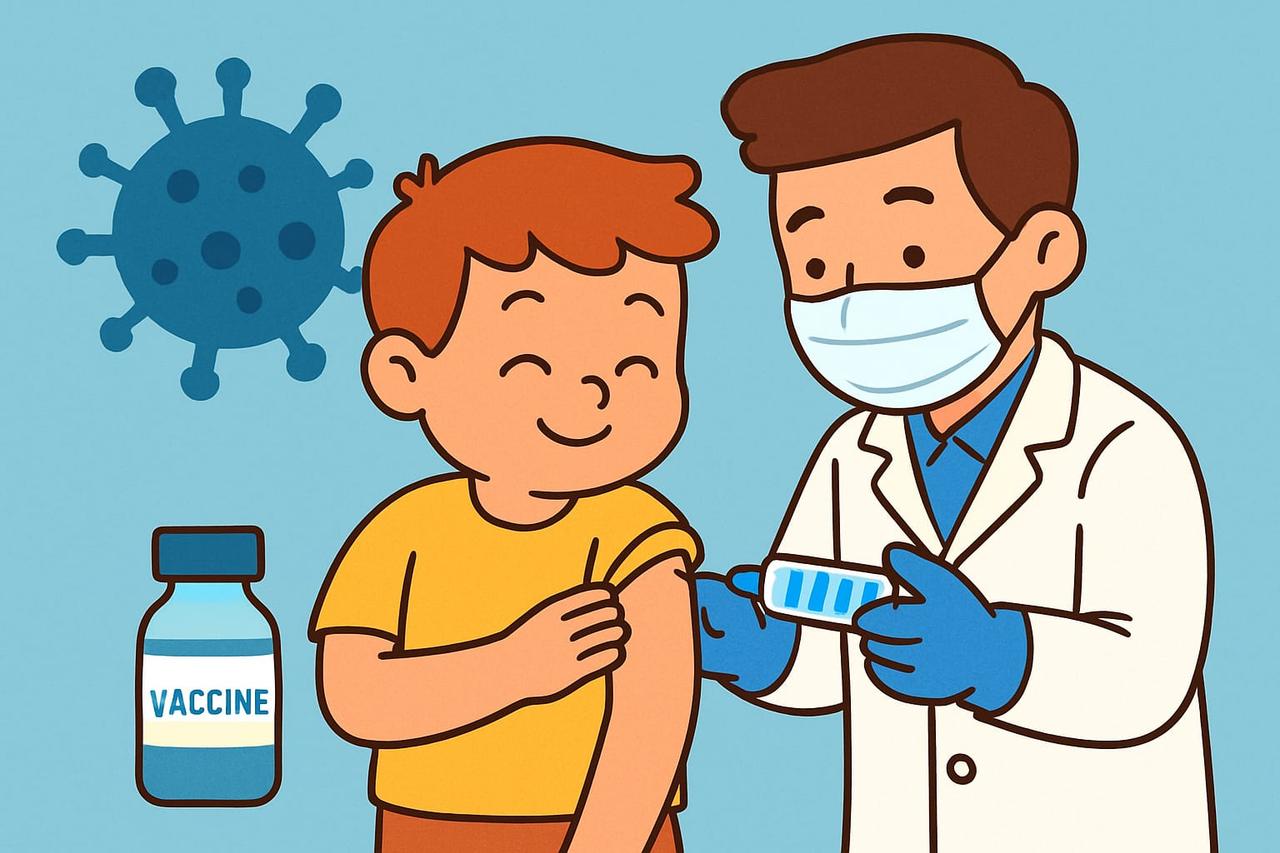
(Generated by Artificial Intelligence.)
Safety of Vaccines
Vaccines are tested through scientific research and proven to be safe. Side effects are usually mild and resolve quickly.
The Importance of Vaccination in Society
When a sufficient number of people in a community are vaccinated, the spread of diseases becomes difficult. This phenomenon is called “herd immunity” and protects everyone’s health.