

`microorganisms` Related Article Results
 Pa
PaPanspermia Theory
Frozen worlds with underground oceans could be the incubation machines for organic life. But how did life get here? Panspermia is a theory that suggests life may have come to Earth from space. According to this theory, life may have started on another planet or in an extraterrestrial environment, and life forms may have been transported to Earth through meteors, comets, or other space objects. The word "panspermia" is derived from the Greek term "panspermia" (seeds of everything), and this term
EN
Beyza Nur Türkü
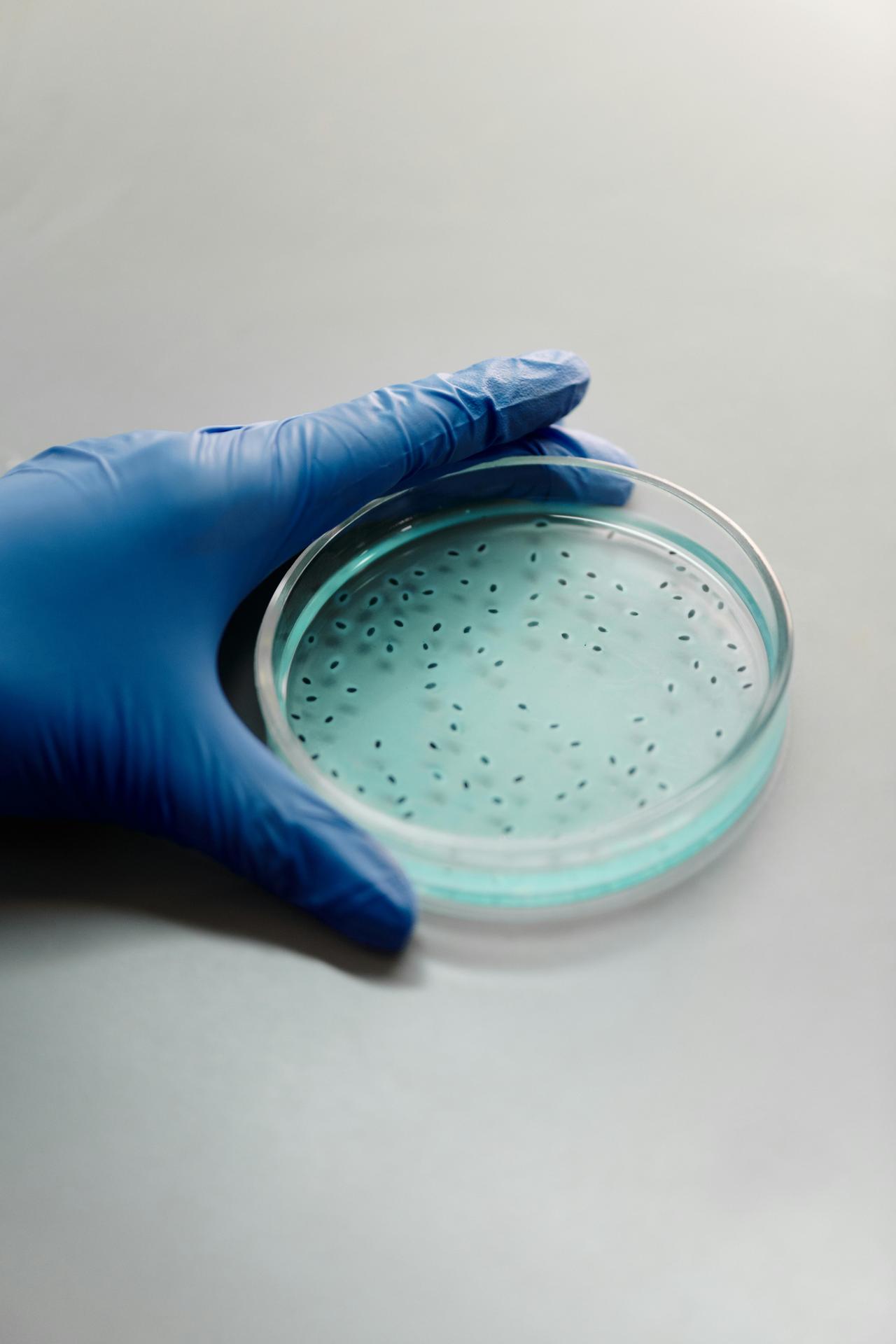
Microorganism
Microorganisms are microscopic, invisible to the naked eye, and mostly unicellular organisms. Bacteria, viruses, fungi, protozoa, and some algae belong to this group. As the oldest and most widespread forms of life, microorganisms can live in soil, water, air, and within or on living organisms. While some can harm their host, the majority play symbiotic or beneficial roles. Microbial life is an integral part of Earth’s biosphere and holds a central role in ecosystem functioning. Classification a
EN
Şevket Kaynar

What is Vaccination, and Why Do We Get It?
Vaccines are medical tools that protect our bodies from diseases and strengthen our immune system. They contain weakened or inactivated forms of disease-causing microbes. This allows our bodies to recognize these microbes and prepare defenses to eliminate them. What Is the Immune System? The immune system is the body’s defense mechanism that protects us from disease-causing microbes entering from outside. It fights harmful microbes that enter the body and prevents us from becoming ill. How Do Va
EN
Fatma Köroğlu
BiBioremediation
Bioremediation is the process by which chemical and organic pollutants contaminating the environment are naturally cleaned up through microorganisms, plants, or enzymes. This method is more sustainable, environmentally friendly, and cost-effective compared to traditional physical and chemical treatment techniques. Bioremediation can target a wide range of contaminants including petroleum and oil spills, pesticides, heavy metals, industrial waste, and other organic pollutants. The process reduces
EN
PINAR GÜNER
GrGreen Synthesis
Nanoparticles are materials with sizes typically ranging from 1 to 100 nanometers, and due to their small dimensions they exhibit optical, electronic, magnetic and catalytic properties distinct from those of conventional materials. These unique properties have made nanoparticles attractive for potential applications in numerous fields including medicine, environmental science, energy, agriculture and textiles. Traditional nanoparticle synthesis methods often require high temperatures, high press
ENRamazan Bayat
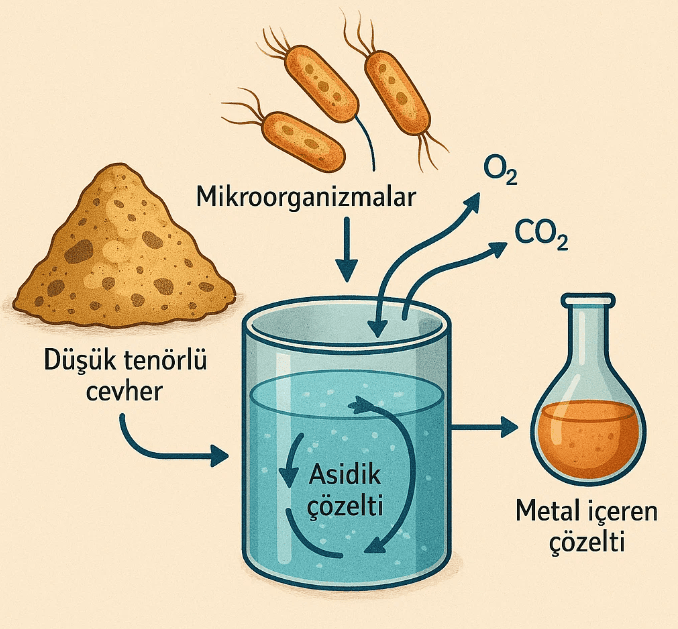
Biohydrometallurgy
Biohydrometallurgy is a branch of metallurgy that employs microorganisms (particularly bacteria and fungi) to facilitate the dissolution (leaching) of metals from metal-containing ores or wastes. This technology is generally regarded as a sub-discipline of hydrometallurgy and is also described by terms such as "biological leaching", "biological dissolution", or "bio-based metal recovery". It has gained significant importance as a sustainable, economical, and environmentally friendly alternative,
EN
Muhammet Ali Demir