Ulukale Camii
Ulukale Camii is an old village mosque from the Ottoman period located in Ulukale Village, within the Çemişgezek district of Tunceli. Built of stone, with a simple appearance and functional design, it is one of the fine examples of Ottoman rural mosque architecture. It is considered an important part of the village’s historical identity.
Where Is the Mosque Located?
Mosque is situated at the exact center of Ulukale Village. It was constructed in harmony with the village’s houses, streets, and neighborhood layout. Throughout history, Ulukale Village was a settlement within the Çemişgezek Sanjak under Ottoman administration. Therefore, the mosque is regarded as one of the representatives of Islamic life at the village level in the region.
Historical Background
The exact date and builder of the mosque are unknown; however, according to information from the Ministry of Culture and Tourism, the mosque belongs to the Ottoman period. This indicates that it was likely constructed after the 16th century as part of Ottoman settlements in the region.
Throughout history, Ulukale Village has been a place where Turkmen, Kurdish and Zaza communities lived together. For this reason, the mosque has played a significant role as a center sustaining Islamic worship in a multicultural village.
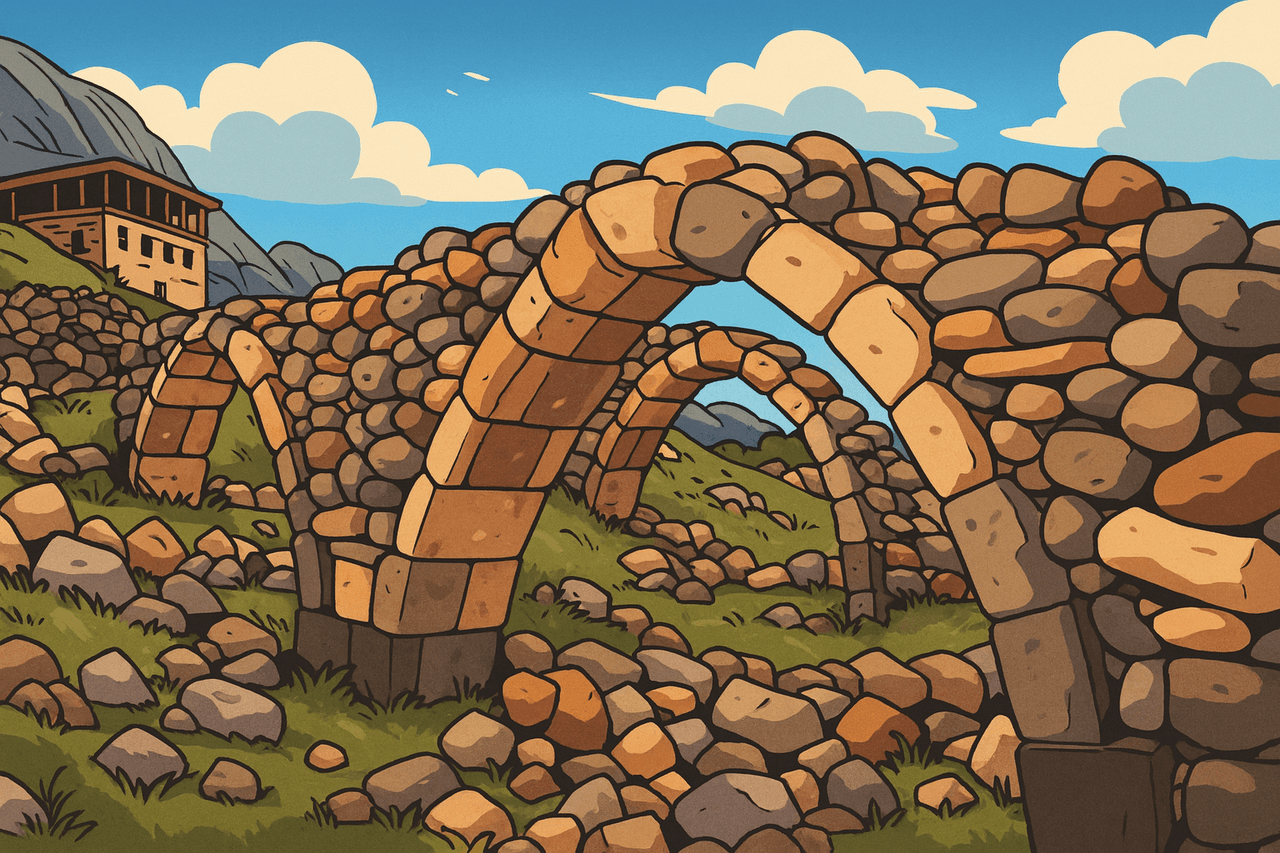
Kültür Portalı Generated from the Photograph.
What Is the Structure of the Mosque?
Ulukale Camii has a simple exterior typical of Ottoman rural mosques.
Its notable features:
- It has a rectangular plan.
- Cut stone and rubble stone have been used together.
- There is almost no decoration on the exterior facade.
- Inside, there are essential worship elements such as the mihrab, minbar and pulpit.
- It is distinguished by its wooden ceiling.
- Sources do not specify the nature of the minaret; therefore, it may have been built without a minaret or may have had a later-added temporary minaret.
- There is no courtyard. This may be due to limited space in rural areas.
What Did the Mosque Represent for the Villagers?
Ulukale Camii was not merely a place for prayer. Villagers gathered here to converse, hold meetings, and sometimes receive religious education. Thus, the mosque was one of the central hubs of the village’s spiritual and social life.
Kültür Portalı Generated from the Photograph.
Is the Mosque Preserved?
Signs of wear and damage over time are visible, but the mosque has been embraced by the villagers and preserved to this day through the community’s care and attention.
Why Is the Mosque Important?
Ulukale Camii is one of the valuable examples of rural Ottoman architecture in Tunceli.
Factors that make it significant:
- Its simple and functional architecture
- Its conformity to Ottoman provincial architectural traditions
- Its strong place in the village’s historical memory
- Its representation of Islamic worship in a multicultural village
Therefore, the mosque is an important cultural and historical heritage.