

`mosque` Related Article Results

Glassblowing (Children)
Mosque is a material that is melted in very hot furnaces and hardens when cooled. Typically transparent and brittle, glass can be used in a variety of forms. Glassblowing is the art of shaping molten glass by blowing it and using specialized tools. Using this method, glass objects beautiful are created. The History of Glass In ancient times, people used pieces of glass that resembled the shiny, hard stones found in nature. Over time, they learned to make glass themselves. In the 1st century BCE,
EN
Sümeyra Uzun
Kaptan Paşa Camii
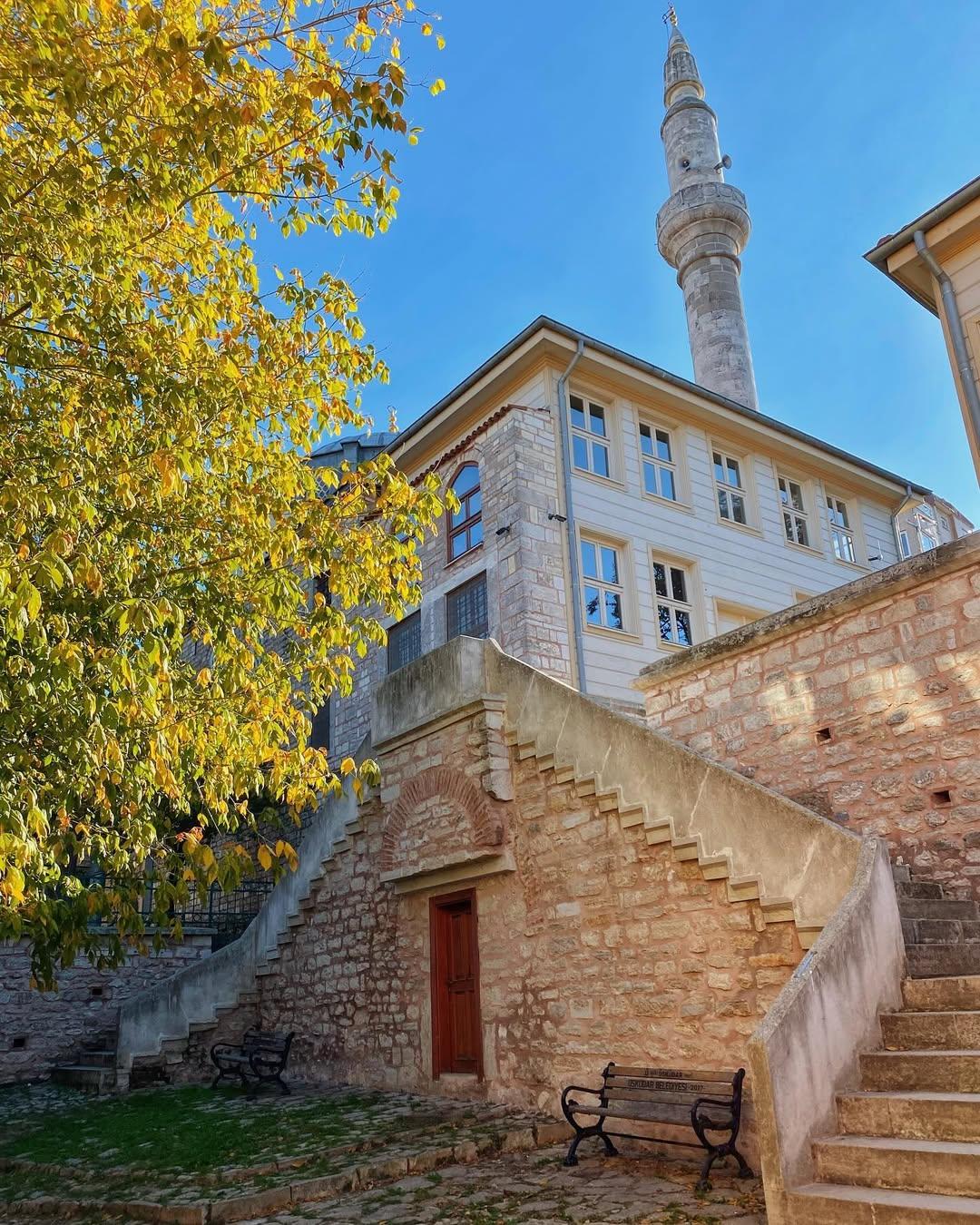
The Kaptan Pasha Mosque is located at the intersection of Kaptanpaşa Street and Aziz Mahmut Efendi Street in the Üsküdar district of Istanbul. It was originally built in 1499 by Fakih Efendi as a small prayer hall. Over time, this initial structure evolved into a mosque and was rebuilt in its current form between 1728 and 1729 by Kaptan-ı Sea Kaymak Mustafa Paşa. However, in 1890, a fire destroyed much of the mosque, and it was repaired the same year by Helvacı Kızı Şerife Nefise Hanım. Kaptan P
ENSümeyra Uzun
Karaköy Underground Mosque
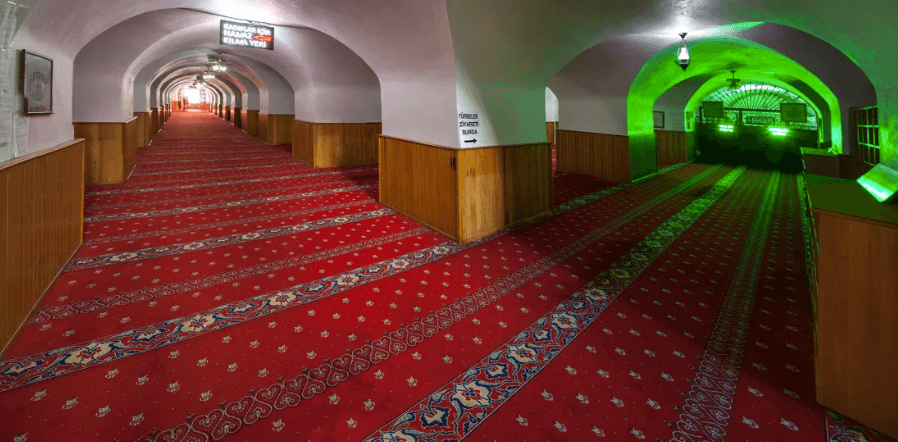
Karaköy Underground Mosque is a historic mosque located in the Beyoğlu district of Istanbul, adjacent to the Karaköy steamship pier close at place site. Notably distinguished by its architecture and history, this mosque is unique among Istanbul’s mosques as it was constructed underground. The Underground Mosque is one of the religious structures of both Istanbul and the Ottoman Empire, standing out both as a place of worship and for its historical and cultural significance. Underground Mosque (S
ENSümeyra Uzun
Abdulatif Mosque
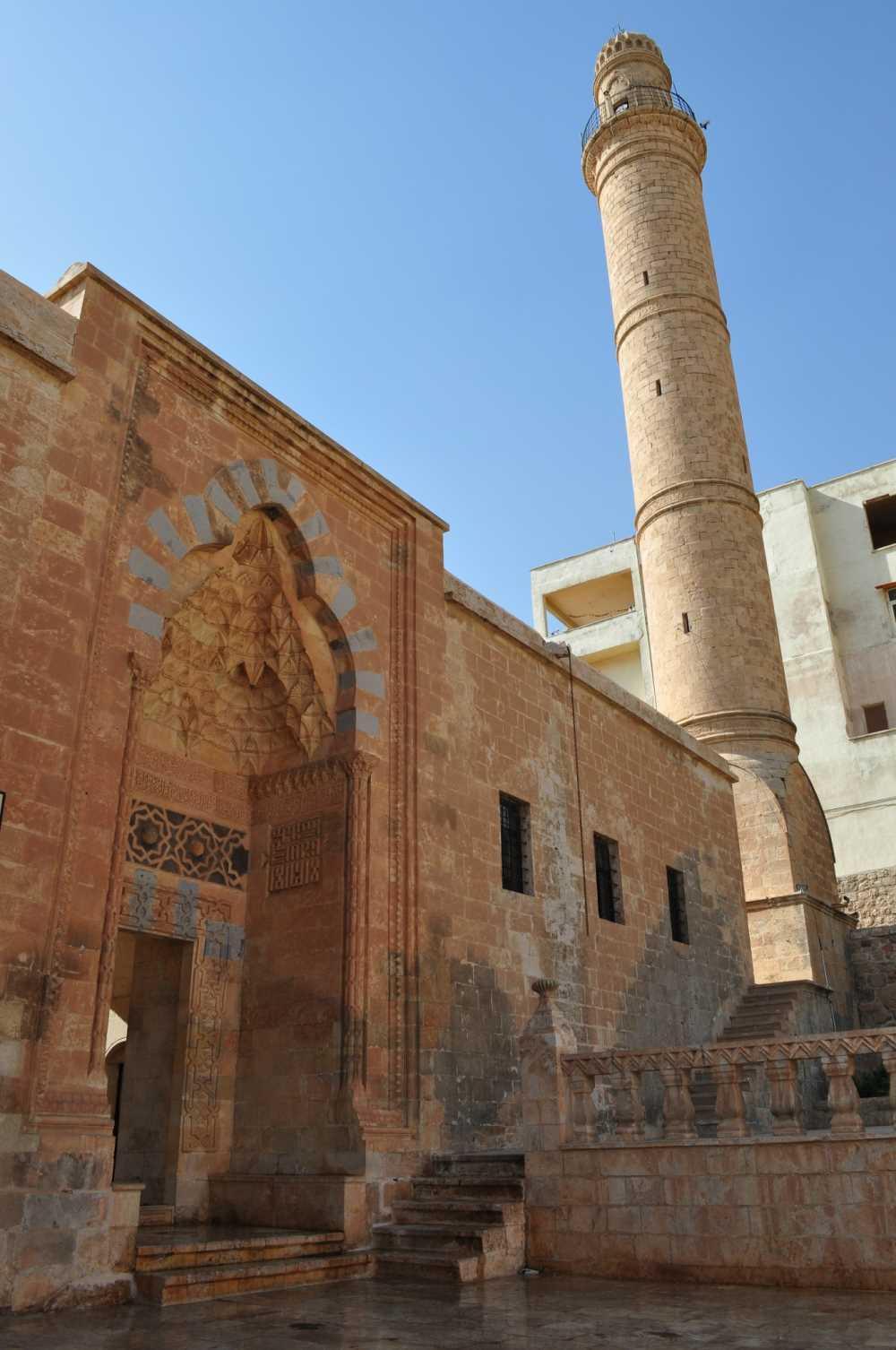
Abdüllatif (Latifiye) Camii is a mosque located south of Cumhuriyet Alanı in the city center of Mardin, commissioned in 1371 during the Artuklu period by Abdul Latif ibn Abdullah. Its transverse rectangular plan, dome over the mihrap area, stone ornamentation, and lengthy waqfiyya inscription reflect characteristics of the late period. The structure, along with its courtyard and a minaret that has been renovated or rebuilt in different eras, represents a multi-layered historical process. The mos
EN
Aynur Çankaya

Putra Mosque (Children's)
Putra Mosque, Malaysia is a very large and beautiful mosque located in the city of Putrajaya. This mosque is part of a project developed for government Malaysia’s administrative center. Construction began on 15 March 1996 and it was opened on 30 August 2000. The mosque is named after Tunku Abdul Rahman Putra, Malaysia’s first Prime Minister. How Was It Built? The Putra Mosque was constructed on the edge of a large lake in Malaysia’s new capital. It was built to demonstrate the grandeur of Islam
EN
Bilal Utku Karakoç
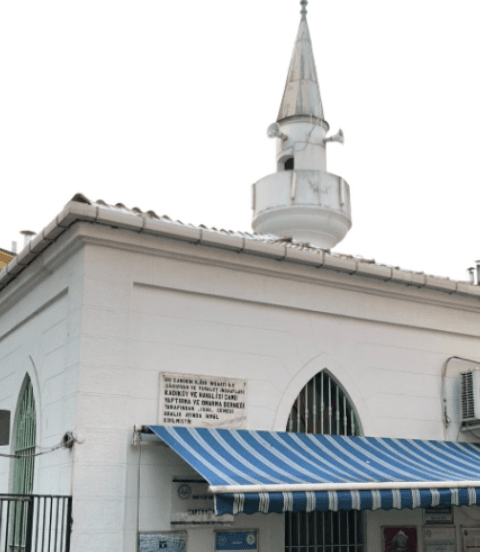
Cafer Ağa Mosque
Cafer Ağa Mosque is one of the classic Ottoman-era mosques located in the Mühürdar neighborhood of Istanbul's Kadıköy district. The mosque was built between 1554 and 1557 by Cafer Ağa, one of the leading figures of the reign of Sultan Suleiman the Magnificent. The building stands out for its location, architecture, and intertwined educational and worship functions. History Cafer Ağa Mosque takes its name from its founder, Cafer Ağa. Cafer Ağa was a state official who served in the palace during
ENElyesa Köseoğlu
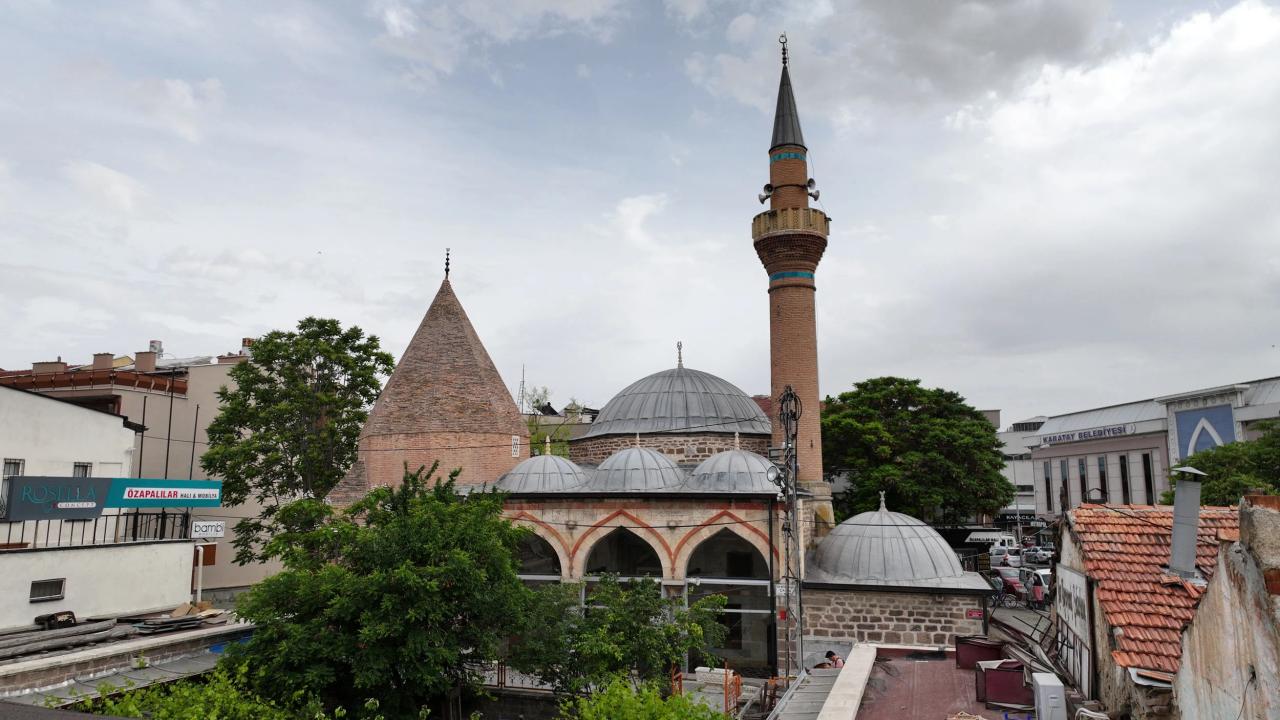
Piri Mehmet Paşa Mosque (Konya)
Piri Mehmet Paşa Mosque is one of the early Ottoman complex mosques located southeast of Aziziye Mosque in Karatay district of Konya. Built with cut stone and rubble stone materials, the building bears the characteristic features of classical Ottoman architecture with its square-plan harim, single dome with trumpet transition, three-eyed last congregation place and zaviye-tabhane unit. Together with the Mevlevi matbah, zaviye-madrasah, bathhouse and Siyavuş Pasha Tomb around the mosque, it forms
ENAyşe İkbal Özsakın
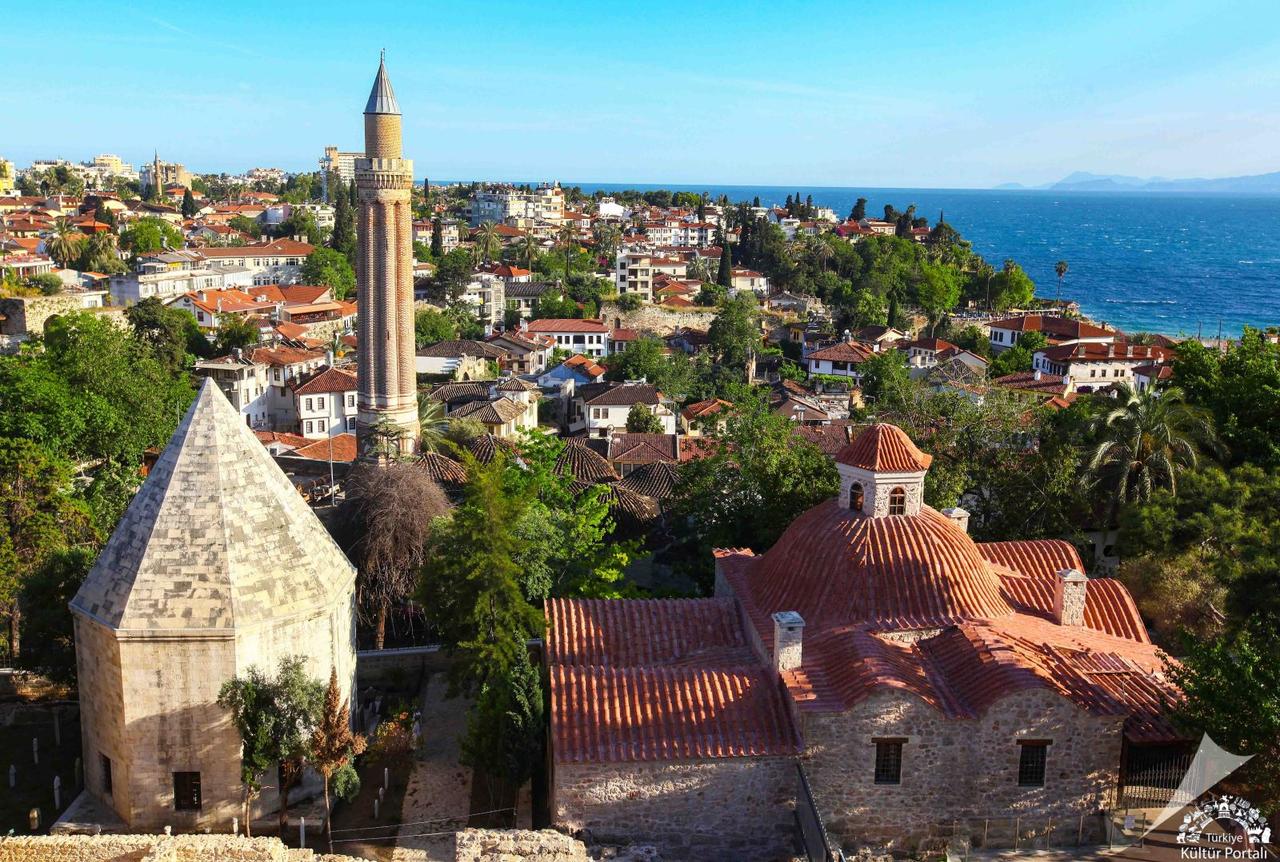
Yivli Minare Camii - Antalya
The Yivli Minare Camii is a highly significant structure located in the historic Kaleiçi district of Antalya, a beautiful city in southern Türkiye, near the sea. This mosque is regarded as both a historical and cultural symbol due to its unusual minaret shape and architectural design. Its history provides a valuable starting point for those seeking to trace the Turkish presence in Anatolia. Time Travel: The Seljuk Era The history of the Yivli Minare Camii dates back approximately 800 years to th
EN
Nida Üstün
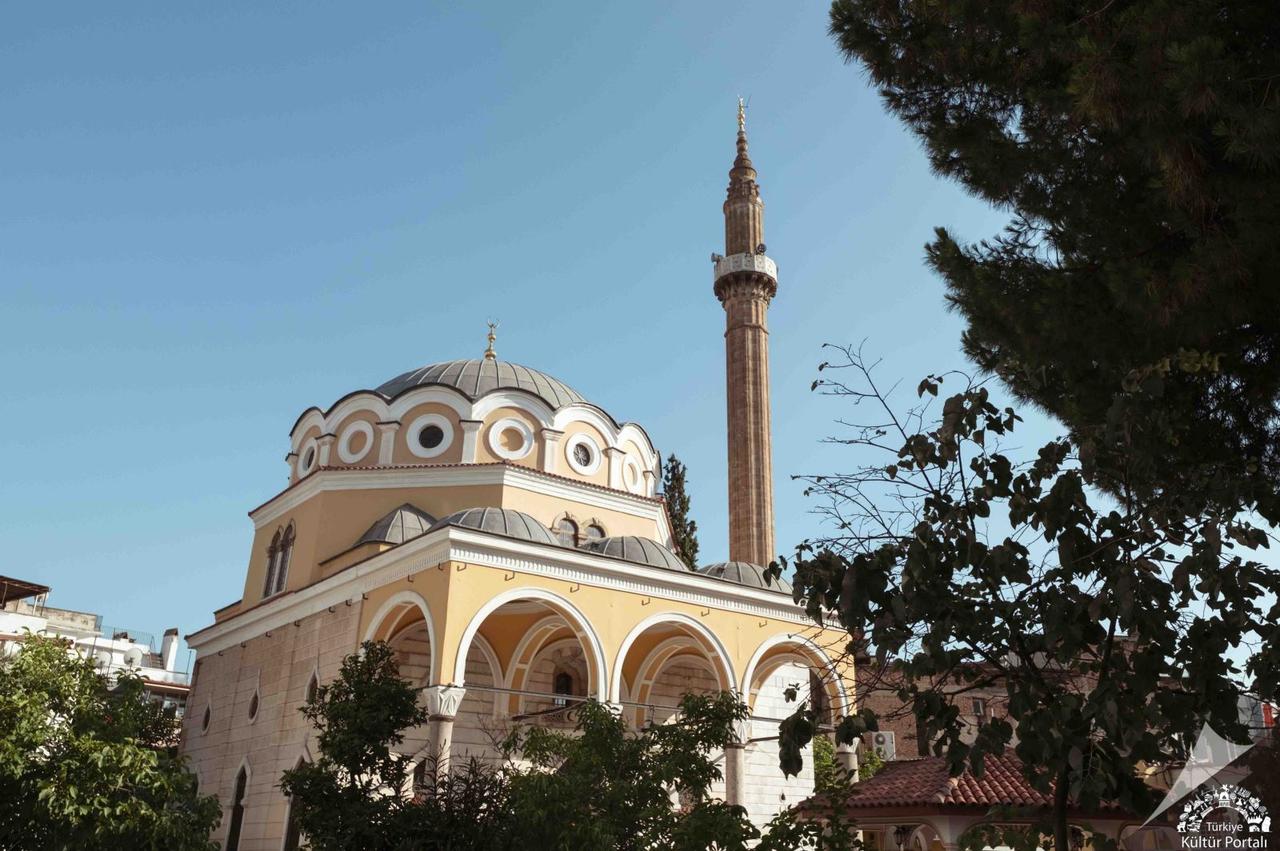
Aydın Ramazan Paşa Camii
A mosque is the term used for large structures where Muslims gather for worship. The Aydın Ramazan Paşa Camii is a significant place of worship located in the city of Aydın in Türkiye, with a long and rich history. Mosques have historically served not only as places for prayer but also as centers where people come together, learn, and make important decisions. Let us take a closer look at the story of this special building. The Two Constructions of Ramazan Paşa Camii The Ramazan Paşa Camii was i
ENNida Üstün
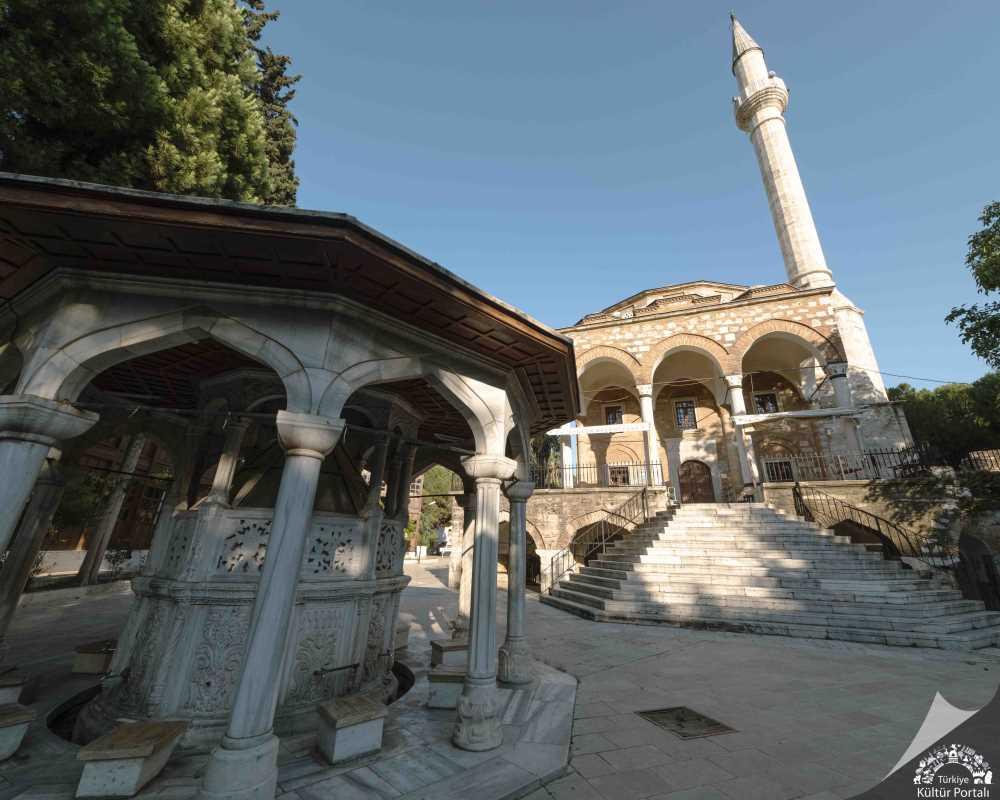
Aydın Cihanoğlu Camii
Cihanoğlu Camii is a historic and beautiful structure located in the city of Aydın, Türkiye. This mosque is an important work built approximately 270 years ago. It is not only a place of worship but also a valuable structure that reflects the architecture and art of its time. The mosque was constructed as a külliye—a complex of buildings—alongside a medrese, a sebil (a public fountain for drinking water), and a fountain. Historical structures like this mosque are essential for understanding a ci
ENNida Üstün