

`anatolian-culture` Related Article Results
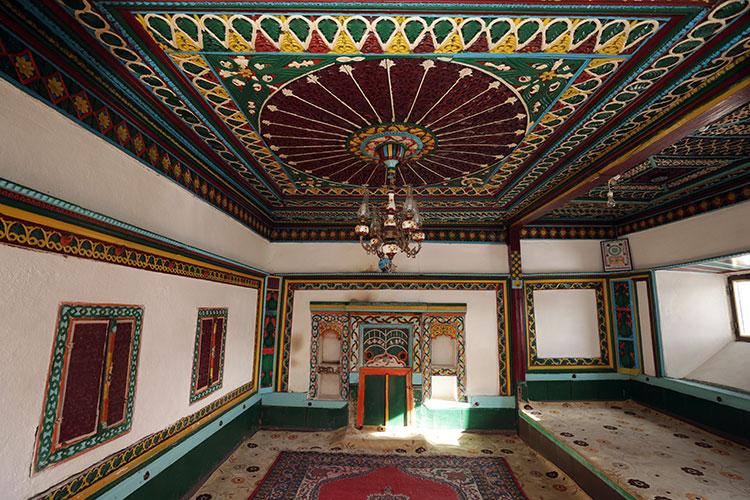
Village Chambers
Village rooms are traditional spaces in rural settlements of Anatolia, organized for communal use by the villagers or neighborhood residents. They serve functions such as hosting travelers, enabling villagers to gather for conversation, and facilitating various social and cultural gatherings. In addition to their role in accommodation and hospitality, village rooms function as public meeting places where information and communication are exchanged, social solidarity is organized, and local cultu
EN
Samet Buğrahan İçoğlu
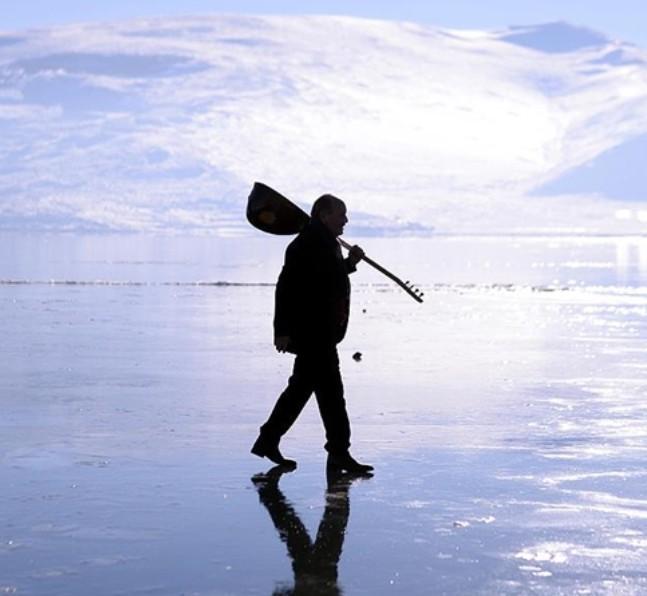
Yener Yılmazoğlu
Yener Yılmazoğlu was born in 1958 as the fourth child of the family in the Çıldır district of Ardahan province. His father's name is Medet, and his mother's name is Sine. He completed his primary and high school education in Çıldır. During middle school, Yılmazoğlu developed an interest in poetry, and after high school, he met Murat Çobanoğlu at the Minstrels’ Coffeehouse in Kars, where he became an apprentice and learned to play the saz. He was raised in an environment where various regional ev
EN
Kadir Maden
 Be
BeBeypazarı Living Museum
The Living Museum of Beypazarı, established on 23 April 2007 by educator and cultural scientist Dr. Zehra Sema Demir, is recognized as the pioneer of applied museology in Türkiye. Dr. Demir founded this museum with the aim of reviving preserving and transmitting the tangible and intangible elements of Anatolian culture to future generations. Since its opening, the museum has not only displayed artifacts but has also functioned as a platform enabling visitors to actively participate in cultural e
EN
Meltem Saraç
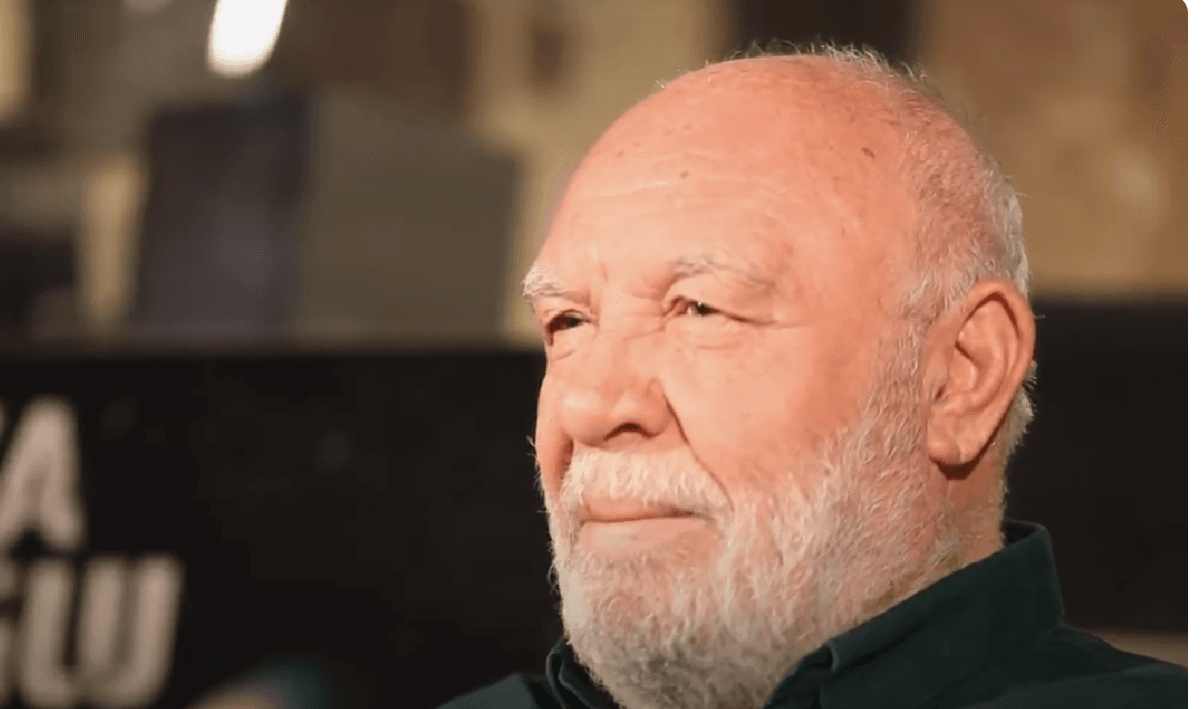
Musa Eroğlu
Musa Eroğlu (b. 1944, Kumaçukuru Village, Mut, Mersin) is one of the contemporary representatives of Turkish folk music tradition. Official records list his birth year as 1946. He was raised within the Alevi belief and cultural environment and is of Tahtacı Turkmen origin. Eroğlu, who does not write poetry but knows hundreds of folk songs by heart, aims to become the voice of the people through “usta malı” songs and also serves as a source contributor in the TRT repertoire. Eroğlu, who received
EN
Sevgi Kıraç
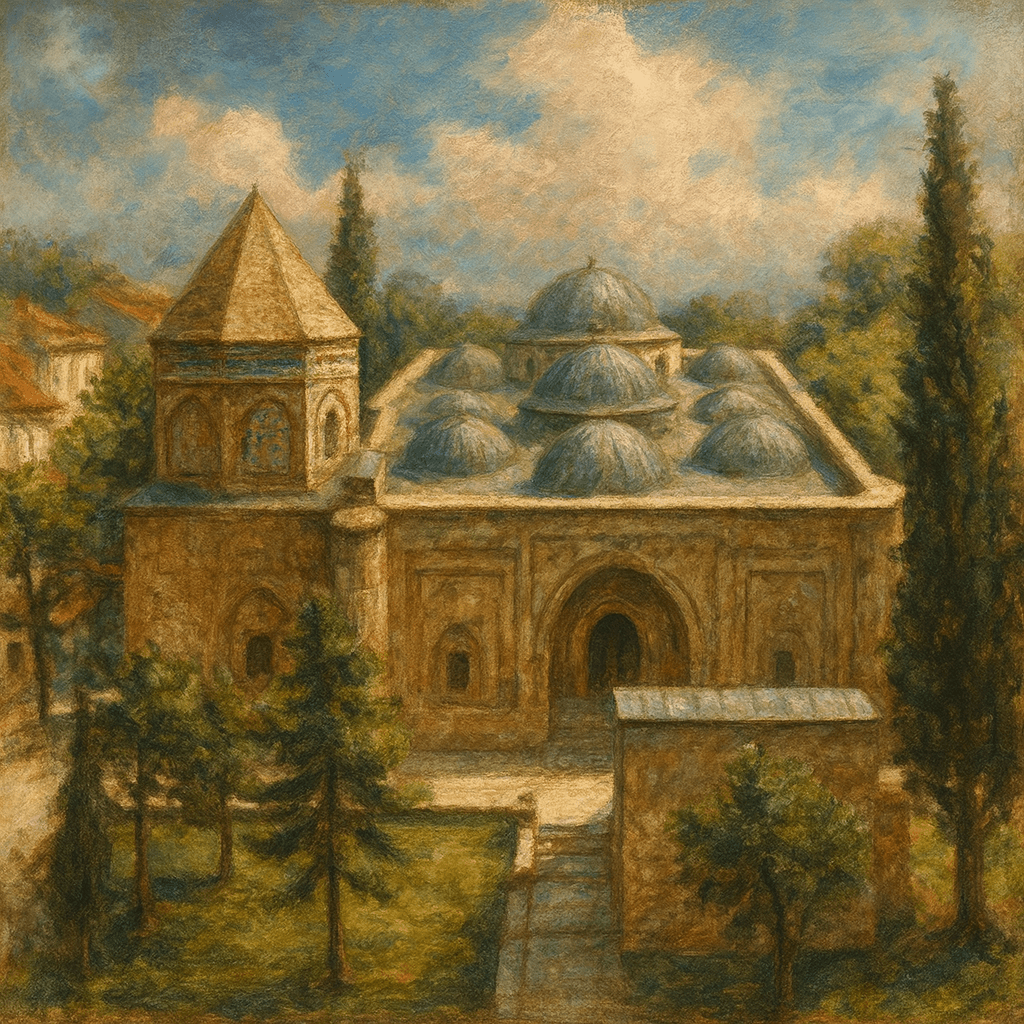
Torumtay Tomb
The Torumtay Türbesi, located in the center of Amasya, was built in 1278 by Amasya’s governor Seyfeddin Torumtay. The tomb serves as the eternal resting place not only for Torumtay but also for his children and grandchildren. Its structure, decorations, and layout exhibit distinctive features different from other Seljuk tombs. (Generated by Artificial Intelligence) " image-element-format="right" image-source="https://cdn.t3pedia.org/media/uploads/2025/08/25/PS2zN3xItllvFzw3yTyREk7KZVbntAdZ.png"&
EN
Hikmet Can Urhan
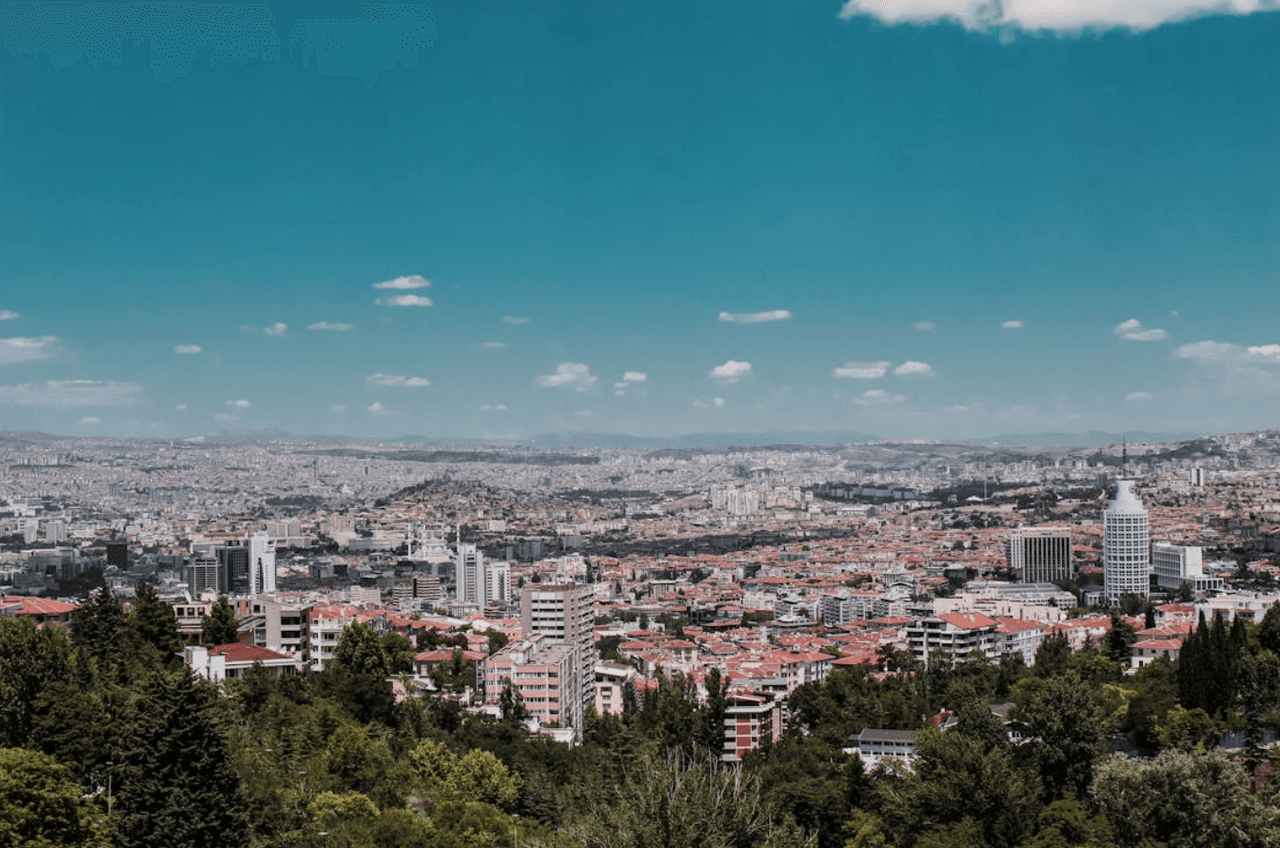
Ankara (Province)
Ankara, as the capital of Türkiye, has also been a city throughout history that bears traces of many different civilizations and has served as a point of interaction among numerous cultures due to its strategic location. Its history extends back to the Hellenistic Period, and the city has hosted the Roman, Byzantine, Seljuk, and Ottoman Empires, playing a significant role in the foundation of the Republic of Türkiye. History Although the origin of the name Ankara is not definitively known, vario
EN
Sümeyra Uzun
101071 Malazgirt-Ahlat Festivals
The Malazgirt Victory Ahlat Festivals take place annually during the last days of August in the Çarho locality of the Ahlat district. Held at the Ahlat National Garden, Türkiye’s second largest national garden, the festival features various activities reflecting the era of the battle. Festival Area (AA) " image-alternate="" image-element-format="right"> Meaning and Significance of the Festival The Battle of Malazgirt was a pivotal conflict fought in 1071 on the Malazgirt Plain between the Gre
EN
Selin Nisa Baykar
Bedri Rahmi Eyüboğlu
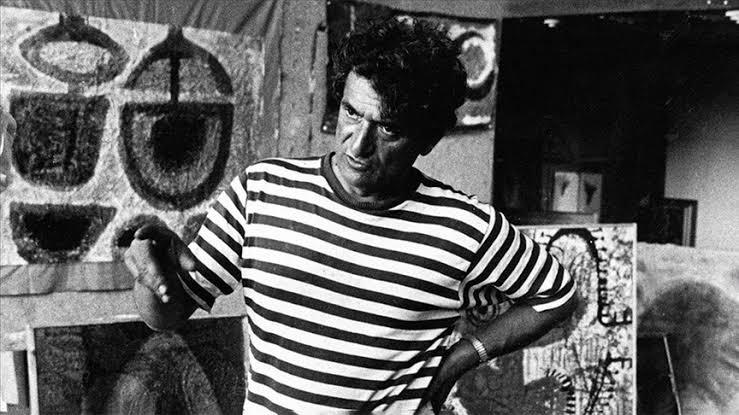
Born on March 15, 1911, in Görele district of Giresun, Bedri Rahmi, whose real name was Ali Bedrettin Eyüboğlu, was the second child in a family of five. His father, Rahmi Bey, was a district governor and member of parliament, and his mother was Lütfiye Hanım. He is the brother of the renowned writer Sabahattin Eyüboğlu and Mualla Eyüboğlu, one of Türkiye’s first female architects. His childhood was spent in various towns across Anatolia due to his father’s official postings. The literary and ar
EN
Abdullah Keskin
Turkish Coffee
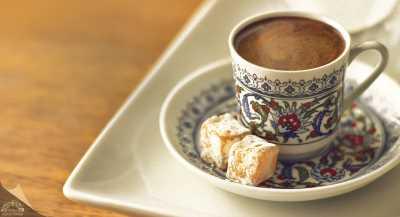
Turkish coffee is a beverage distinguished from other types of coffee by its unique aroma, foam, and sediment, made from roasted and finely ground beans of the coffee plant (Coffea arabica). It is typically served in small, single-handled cups, accompanied by water and Turkish delight. Although the coffee plant does not grow in Türkiye, Turkish coffee is differentiated by its distinctive grinding and brewing methods. Turkish Coffee (AA) " image-alternate="" image-element-format="right"> Histo
EN
Zelal Çakar
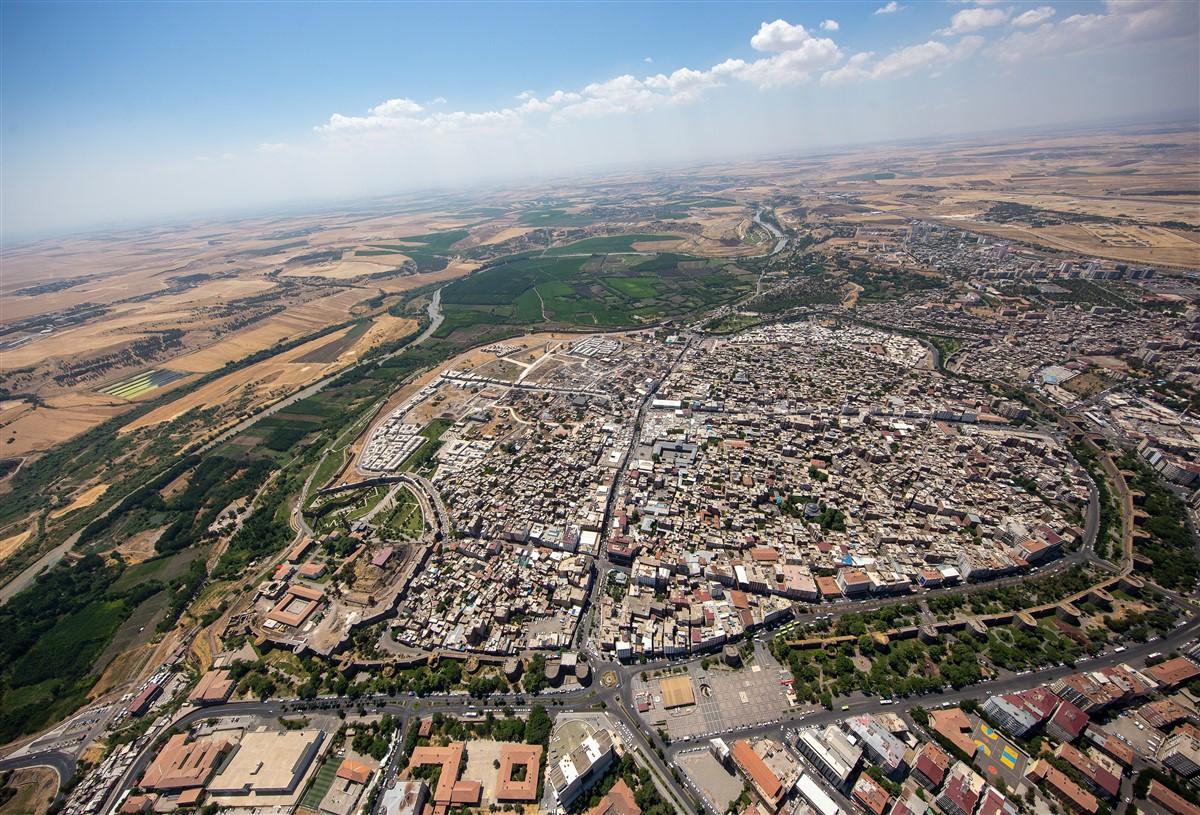
Diyarbakır Walls
The Diyarbakır Walls are a historical defensive structure enclosing the city of Diyarbakır in southeastern Türkiye. The walls consist of two sections: the Inner Citadel and the Outer Citadel, and are believed to have originated from the Inner Citadel, which formed the earliest settlement core of the city on its northeastern side. Although no exact date is known for the construction of the walls, various sources generally date their origin to the mid-4th century. However, it is believed that the
EN
Mehmet Tahir Özbey