


This article was automatically translated from the original Turkish version.
+2 More
Street art is not merely graphics or paintings drawn on walls but a form of expression that transforms public spaces through art. Beyond aesthetic concerns, it is also used to convey messages about political and social issues. Over time, this art form has become a space reflecting individual and collective identities and has gained global prominence since the mid-20th century.
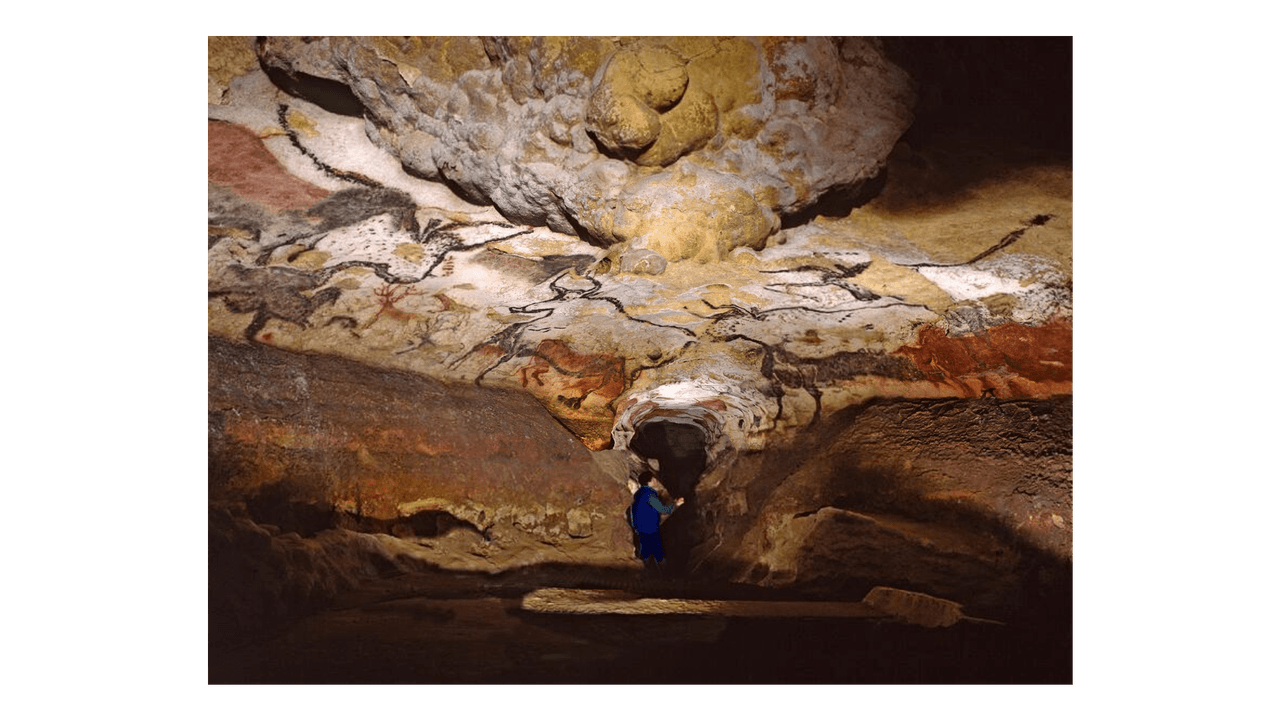
Although street art is viewed as a modern phenomenon its origins date back to antiquity. Cave paintings from prehistoric times are regarded as among the earliest forms of human art. For example the murals found in the Lascaux Cave in France represent some of the earliest examples of humans seeking to depict their environment and the world they inhabited.
class=\
Modern street art began to develop from the mid-20th century onward. In the 1960s and 1970s a graffiti movement emerged in New York particularly in the Harlem district and was embraced by young people. Over time it spread to cities such as London and Berlin and began to manifest in diverse forms. During this process street art became a means for individuals to assert their artistic presence in public spaces.
Public space refers to areas accessible to individuals freely and where social interactions occur. Street art uses these spaces as canvases not only to create aesthetic transformations but also to question societal structures. According to Hannah Arendt’s definition of public space this is a realm where individuals can express not only their physical presence but also their ideas and identities. Street artists transform ordinary often overlooked walls buildings and bridges in these areas into instruments of social critique. Public space denotes places that individuals can use collectively and where social interactions take place. Thinkers such as Hannah Arendt who argue that public space is more than a mere physical location but a site for expressing individual identities emphasize the significance of street art in this context. Street art is regarded as a method through which artists make their messages about society visible by transforming mundane and neglected spaces into aesthetic or critical expressions.
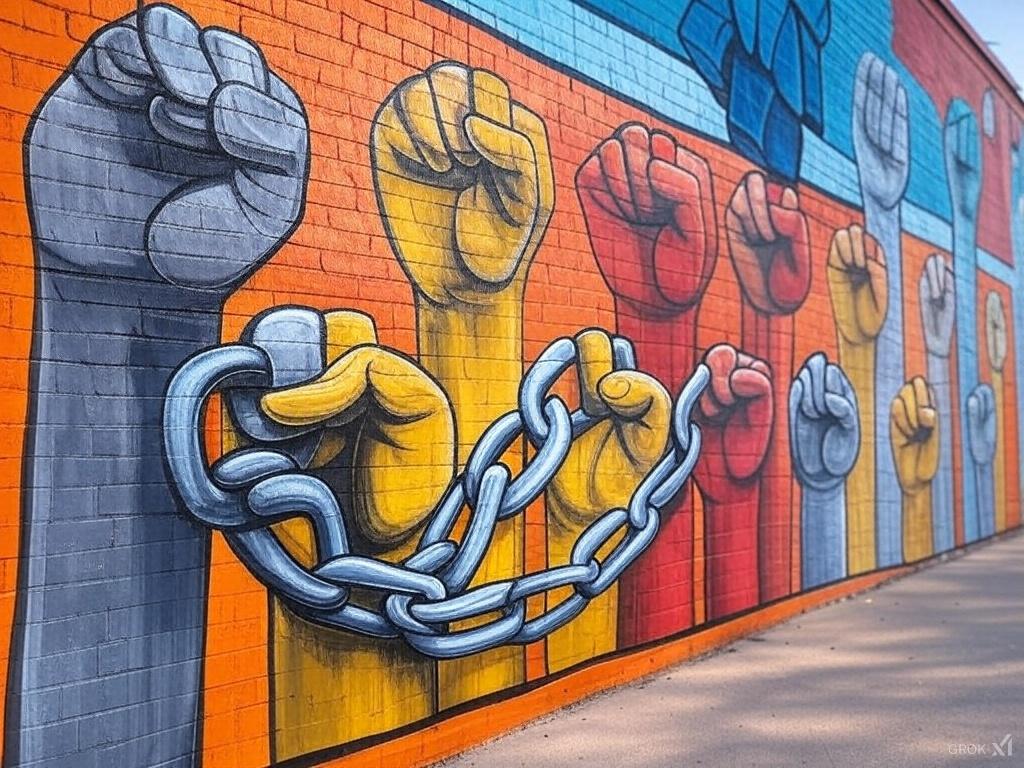
Street art sometimes functions not only as an artistic production but also as a vehicle for narrating social and political issues. Works addressing global concerns such as inequality war and migration generate striking effects in public space. Artists such as Banksy foreground social critique in their work and use their art as a political message tool.
class=\
In particular artworks painted on walls in Palestine have established a narrative about the region’s political situation. Murals on the West Bank wall aim to raise global awareness of the problems faced by local communities and foster international awareness. Through such examples street art transcends being merely a local artistic expression and creates a global discussion.
Street art has become an important element in shaping the visual identity of urban areas. Henri Lefebvre emphasized that cities are not merely physical spaces but also arenas where social practices are produced. In this context street art has become a reflection of a city’s cultural diversity. Artists transform specific spaces viewing cities not only as architectural structures but also as dynamic spaces where artistic narratives emerge.
Connected to David Harvey’s concept of the “right to the city” street artists can be seen as individuals demanding a “right to speak” in urban spaces. This art form enables those engaged in urban life to influence spatial arrangements.
For many years street art has been a contentious issue from a legal standpoint. In many countries unauthorized graffiti and wall paintings are classified as vandalism and subject to criminal penalties. However in recent years some cities have recognized street art as an art form and legalized it in designated areas. Cities such as Berlin and Melbourne have supported such artworks and established legal working spaces for artists.
Yet the institutionalization and legalization of street art carry the risk of altering its inherently critical and independent nature. Originally emerging as an art form opposed to the system street art may partially lose its uniqueness and autonomy when confined within legal frameworks. Therefore the future of street art remains an important topic of debate for both artists and city administrations.
Historically street art has been used for various purposes across different periods and has become a global art form since the second half of the 20th century. Today it is regarded not only as an aesthetic expression but also as a tool for social critique and the redefinition of public space. Despite ongoing legal debates street art continues to exist as a significant art form shaping the visual and cultural identity of cities.
Arendt, Hannah. The Human Condition. Chicago: University of Chicago Press, 1958.
Borden, Iain. Graffiti and Urban Space: The Poetics and Politics of Space. London: Routledge, 2001.
Ferrell, Jeff. Crimes of Style: Urban Graffiti and the Politics of Criminality. New York: Garland, 1993.
Harvey, David. Rebel Cities: From the Right to the City to the Urban Revolution. London: Verso, 2012.
Lefebvre, Henri. The Production of Space. Oxford: Blackwell, 1991.
Mah, Alice. Port Cities and Global Legacies: Urban Identity, Waterfront Work, and Radicalism. London: Palgrave Macmillan, 2014.
Ministère de la Culture. *Lascaux Cave Virtual Visit*. Accessed February 21, 2025.https://archeologie.culture.gouv.fr/lascaux/en/lascaux-cave-virtual-visit#hall-bulls/info.
Rancière, Jacques. The Politics of Aesthetics: The Distribution of the Sensible. London: Bloomsbury, 2004.

Public Space and Street Art
The Political Power of Street Art
Street Art’s Contribution to Urban Culture
The Legal Dimensions of Street Art