

`political-power` Related Article Results
 Th
ThThe Decline of Nations (Book)
Daron Acemoglu and James A. Robinson’s book Why Nations Fail investigates the causes of differences in economic and political development among nations. The authors analyze why nations with similar historical conditions have followed divergent economic and political paths. The book attempts to explain the origins of wealth and poverty through the role of institutions. Book Content Why Nations Fail " image-alternate="" image-element-format="right"> Inclusive and Extractive Institutions The aut
EN
Ahsen Karakaş
ThThe Decline of Nations (Book)
Daron Acemoglu and James A. Robinson’s book Nations Falling investigates the causes of differences in economic and political development among nations. The authors analyze why nations with similar historical conditions have followed divergent economic and political paths. The book attempts to explain the origins of wealth and poverty through the role of institutions. Content of the Book Nations Falling " image-alternate="" image-element-format="right"> Inclusive and Extractive Institutions Th
EN
Ahsen Karakaş
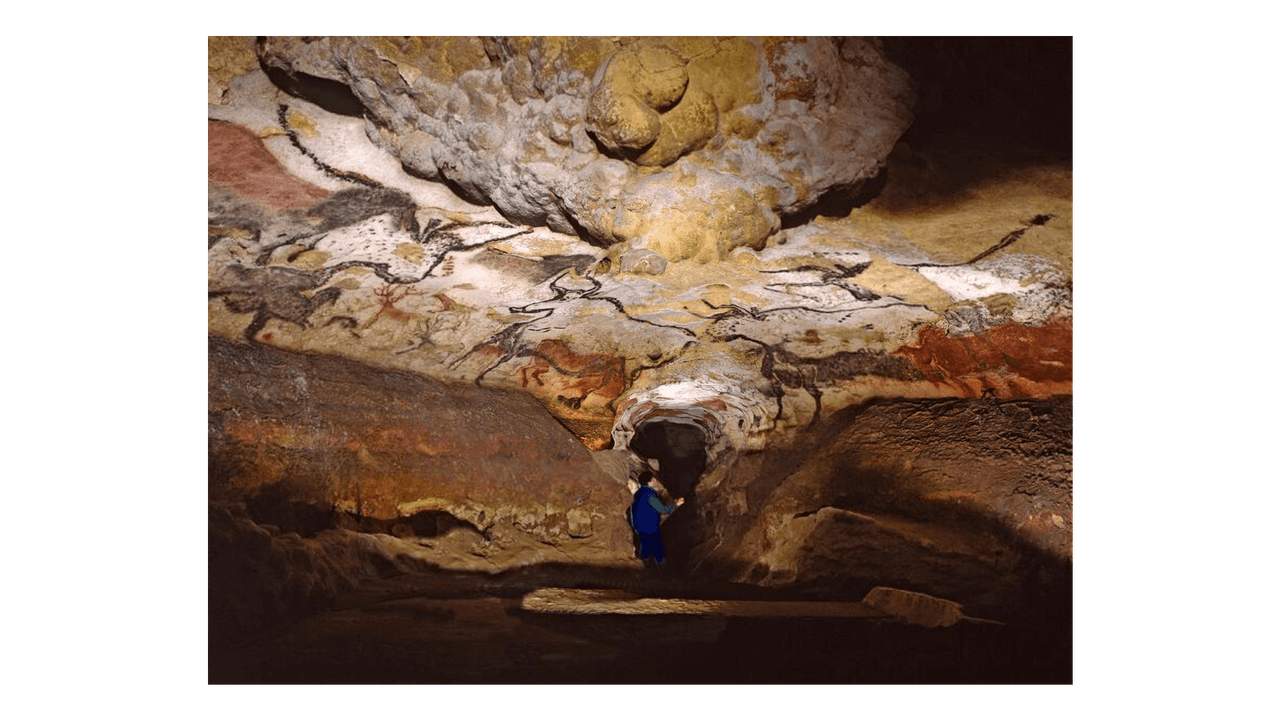
Street Art
Street art is not merely graphics or paintings drawn on walls, but a form of expression that transforms public spaces through art. Beyond aesthetic concerns, it is also used to convey messages about political and social issues. Over time, this art form has become a space where individual and collective identities are reflected, and since the mid-20th century it has gained widespread global recognition. Although street art is often viewed as a modern phenomenon, its origins date back to antiquity
EN
Ahsen Buyurkan
AgAgrarian Society
Agrarian society refers to a social structure that emerged with the transition from a hunter-gatherer lifestyle to a settled way of life, where agriculture became the central mode of production. The Agricultural Revolution was one of the most significant transformations in human history, affecting not only the economy but also social, cultural, and political structures. By cultivating the land, humans gained control over natural forces for the first time and secured their food supply. This shift
EN
Sümeyra Uzun
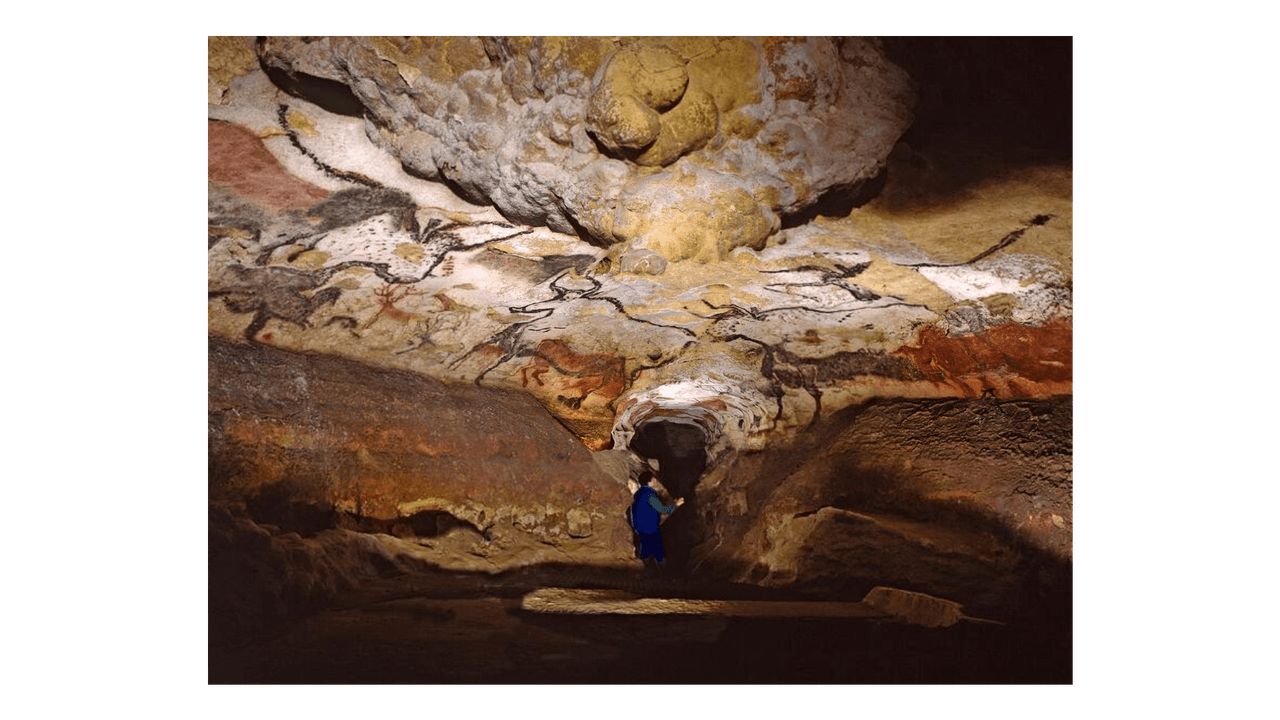
Street Art
Street art is not merely graphics or paintings drawn on walls but a form of expression that transforms public spaces through art. Beyond aesthetic concerns, it is also used to convey messages about political and social issues. Over time, this art form has become a space reflecting individual and collective identities and has gained global prominence since the mid-20th century. Although street art is viewed as a modern phenomenon its origins date back to antiquity. Cave paintings from prehistoric
EN
Ahsen Buyurkan