


This article was automatically translated from the original Turkish version.
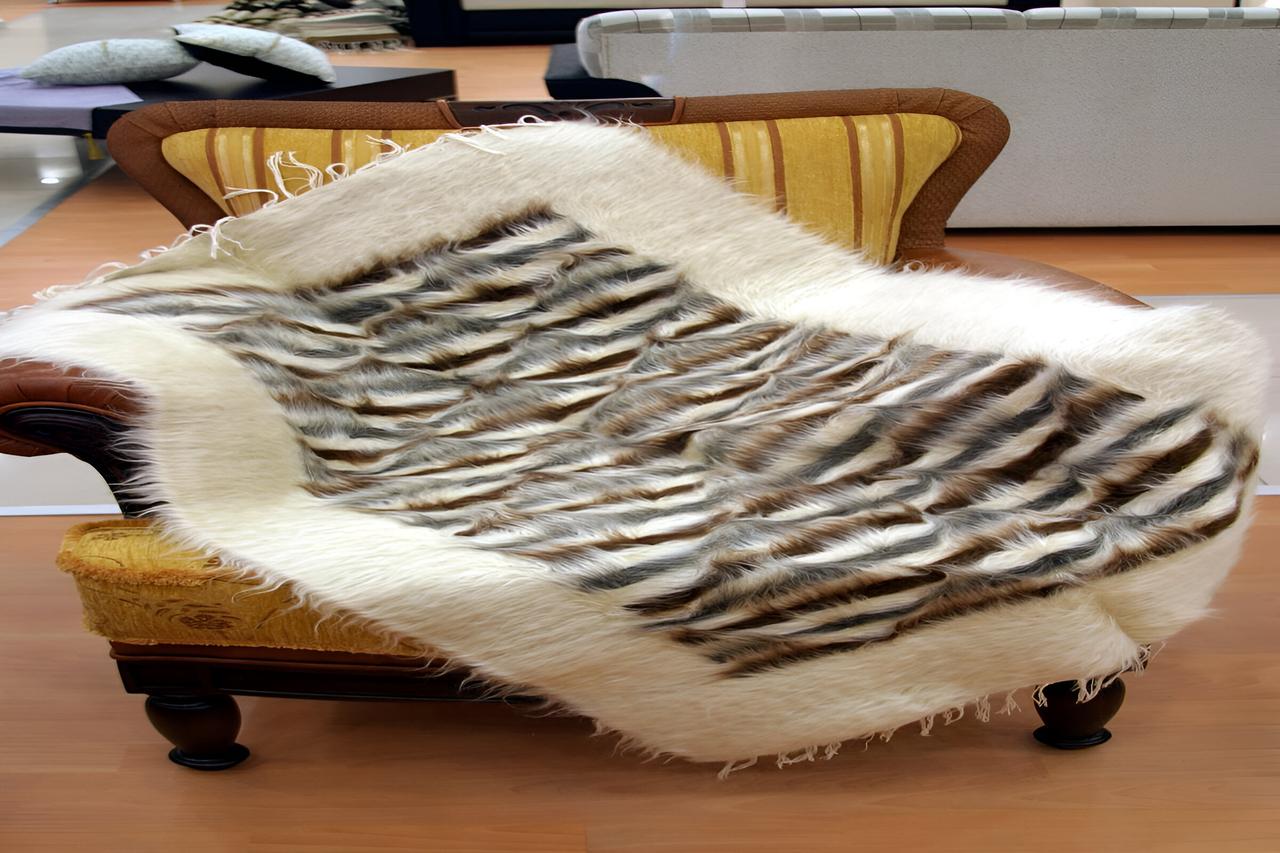
Siirt Blanket
Name | Siirt Battaniyesi | ||||||||
|---|---|---|---|---|---|---|---|---|---|
Origin | Türkiye Siirt | ||||||||
History | A traditional craft product produced for over a century | ||||||||
Raw material | Pure fleece of the Tiftik goat | ||||||||
Siirt Battaniyesi is a traditional handcrafted textile produced on handlooms in the province of Siirt in Türkiye, using the pure fleece of tiftik goats. With a history spanning over a century, these blankets hold an important place in folk culture and have been passed down through generations to the present day. Noted for both their functionality and aesthetic value, Siirt blankets are more than just heating tools; they also stand out as cultural heritage items and popular gifts.
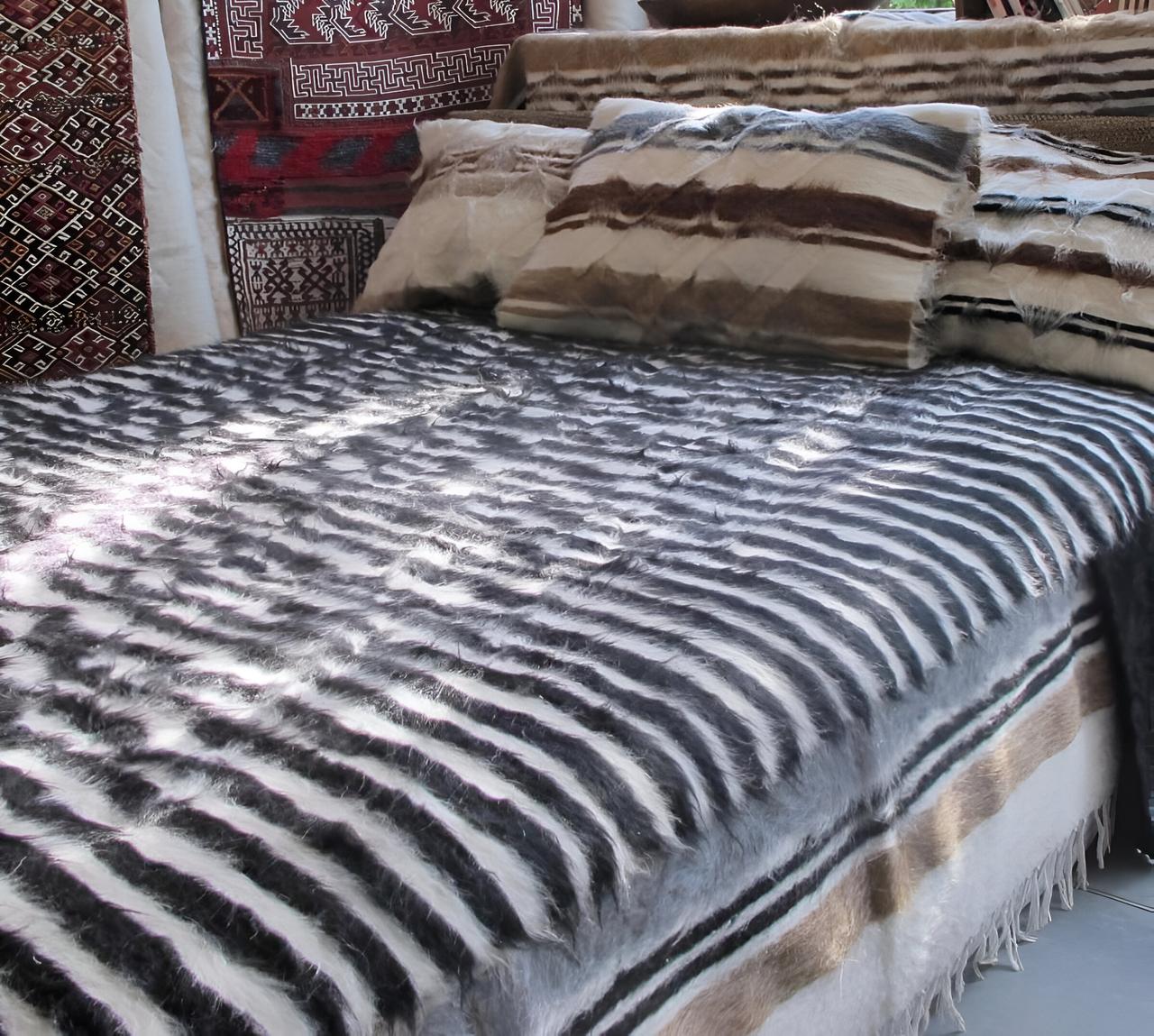
Siirt Battaniyesi (Siirt Belediyesi)
The raw material for Siirt blankets is the fleece of tiftik goats, raised in the region of Siirt, whose natural environment and climate are ideal for tiftik goat rearing. On average, one tiftik goat yields 1 to 2 kilograms of fleece annually. The fleece undergoes three main stages before being prepared for weaving:
Weaving is completed on handlooms with intensive manual labor. Only one single-person blanket can be produced per loom per day. After weaving, the blankets are combed with iron combs to remove excess fibers and shape them. This step gives the blanket its characteristic soft texture and aesthetic appearance. In addition to blankets, similar products such as heybe, seccade, scarves, coats, capes, and yelek are also produced using the same technique.
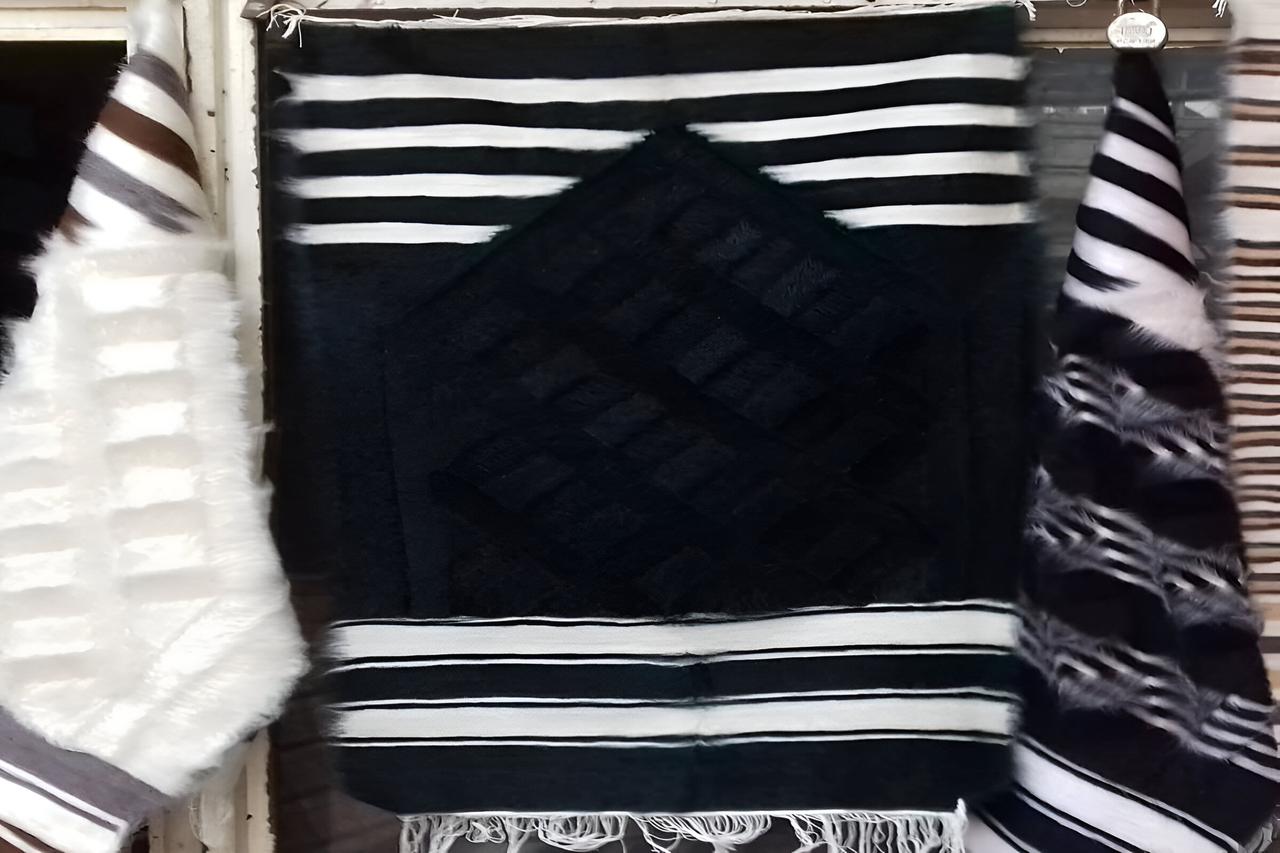
Siirt Battaniyesi (Siirt Belediyesi)
Made entirely from natural tiftik fleece, Siirt blankets are fully organic and contain no synthetic materials. This feature ensures that the blankets are both healthy and durable. With an average lifespan of 30 to 50 years, Siirt blankets are renowned for their resistance to wear, fading, and excellent heat retention. They provide effective thermal insulation even in temperatures as low as -30 degrees Celsius, protecting users during winter conditions. Their soft texture and aesthetic patterns give them both functional and visual value.
Blankets are produced in single-person (1.35 m x 2 m) and double-person (1.60 m x 2 m) sizes, weighing between 3 and 5 kilograms. Color options include the natural tones of tiftik fleece: white, black, brown, camel, and gray. Various motifs and stripes woven into the fabric add asymmetrical patterns, enhancing their visual richness.
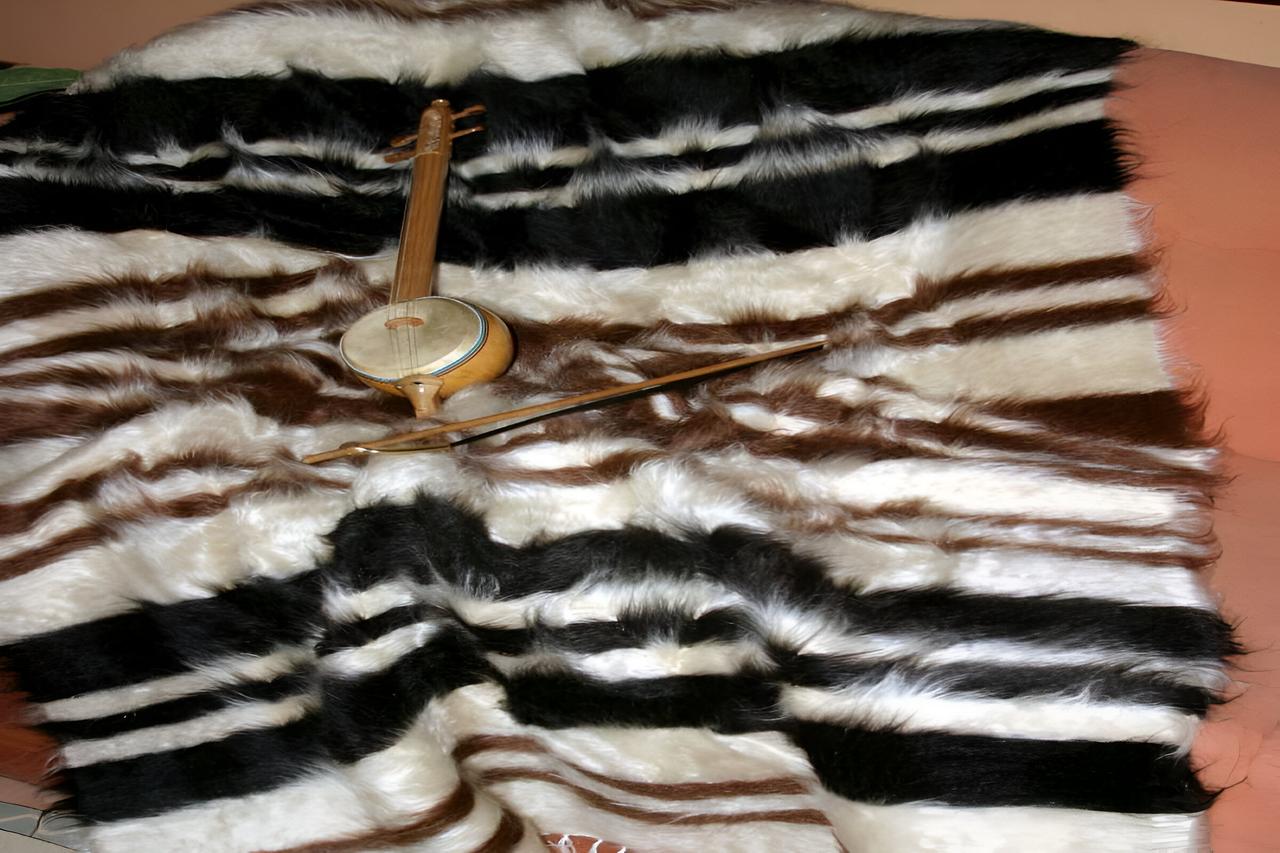
Siirt Battaniyesi (Siirt Belediyesi)
Originally developed using techniques employed in aba and seccade weaving, the Siirt blanket gradually evolved into its current form. Today, driven by tourist demand, it has expanded into a wide range of products including coats, scarves, headwear, bags, divan covers, quilts, and decorative items. It has become a tradition to gift Siirt blankets to visitors, and giving them as souvenirs to departing guests is a widespread practice. This tradition has reinforced the blanket’s role in the region’s cultural identity.
Widely used across Southeastern Anatolia, Central Anatolia, and Eastern Anatolia, Siirt blankets also attract significant interest abroad. Exported to many regions of the world, especially the United States, these blankets are sought after at premium prices and hold considerable tourist value. In 2003, the Siirt Provincial Administration secured official protection for the blanket through registration with the Turkish Patent Institute.
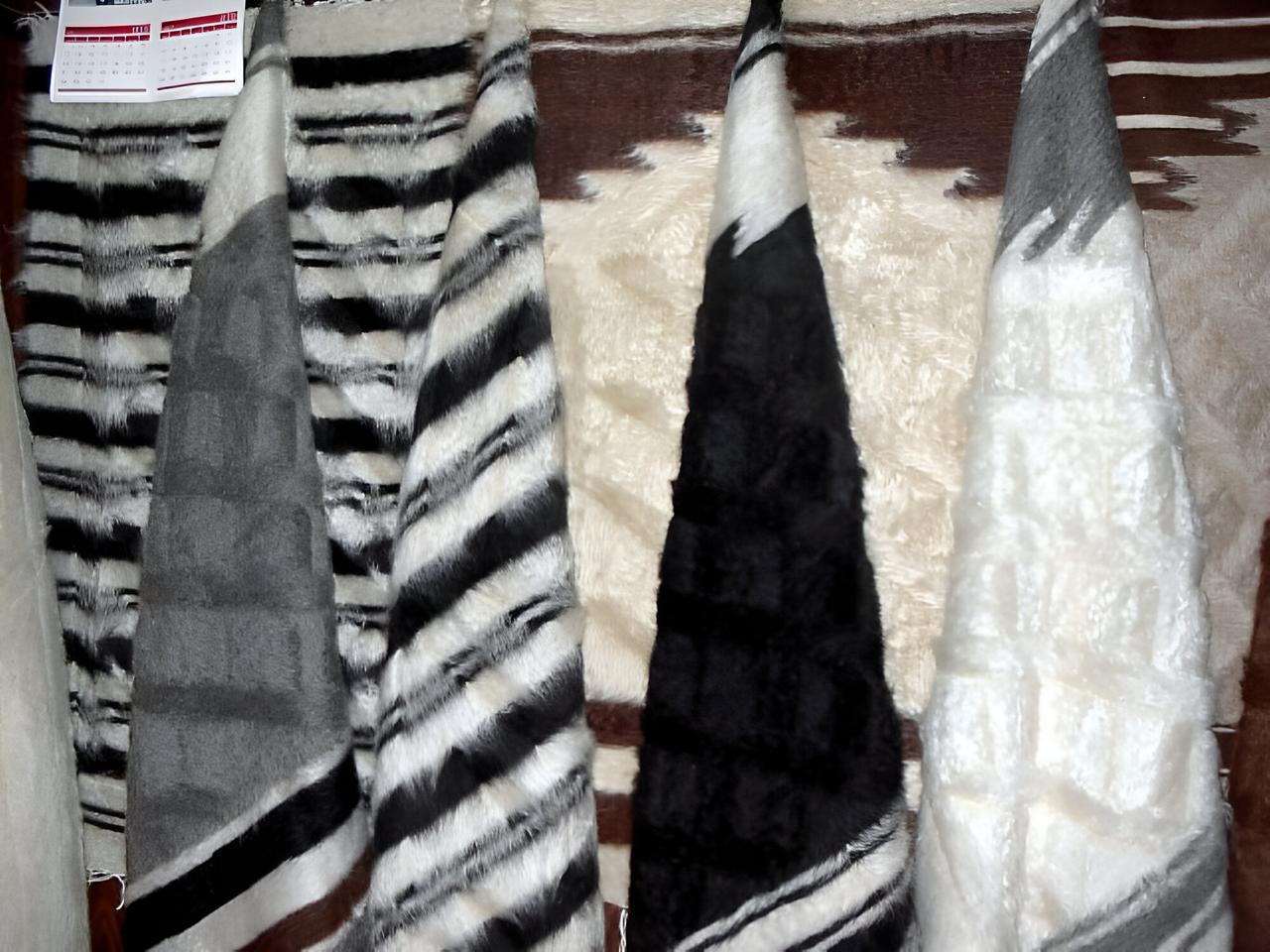
Siirt Battaniyesi (Siirt Belediyesi)
Proper cleaning methods play a vital role in ensuring the long lifespan of Siirt blankets. Two primary methods are recommended:
These methods allow the blanket to be cleaned without damaging its texture.
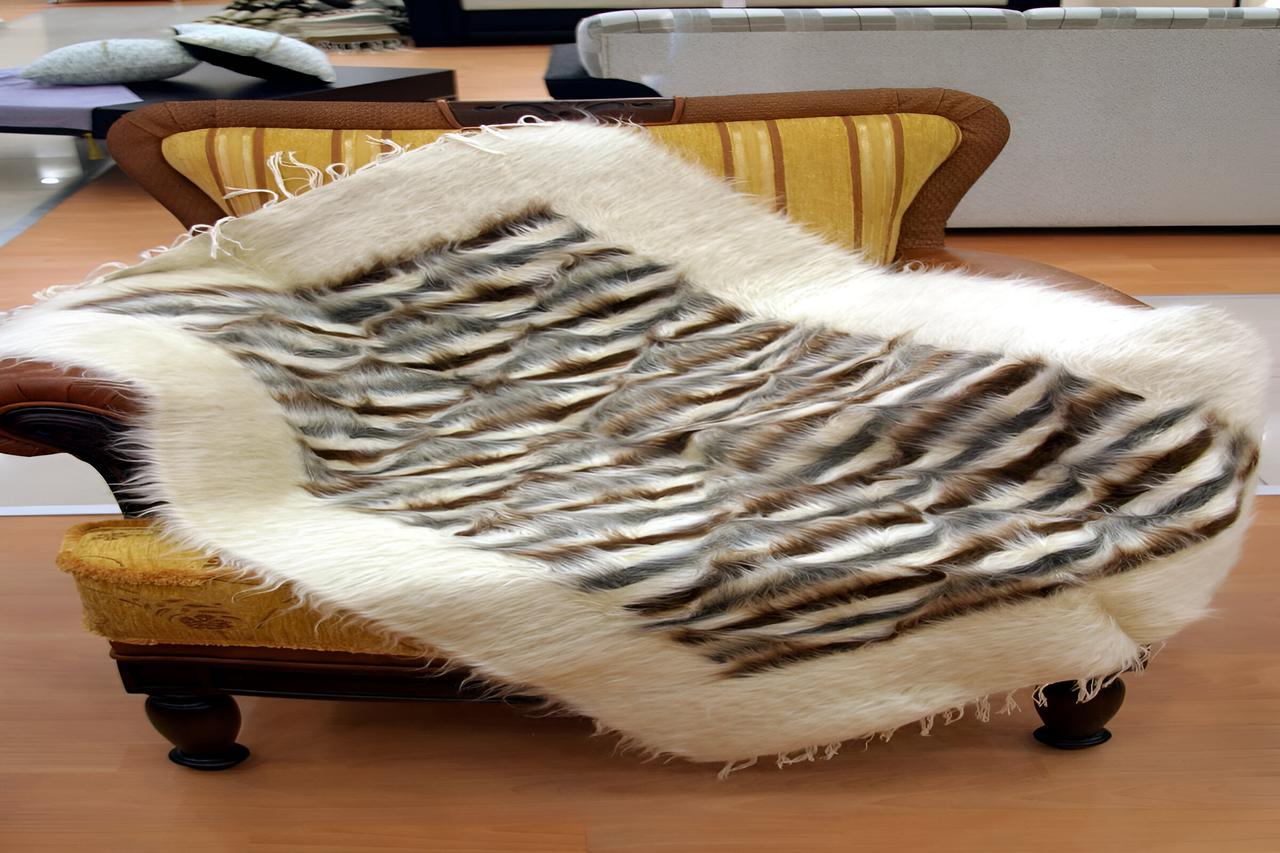
Siirt Battaniyesi (Siirt Belediyesi)
Although Siirt blanket weaving is a deeply rooted craft, it faces decline due to the high cost of raw tiftik fleece and market challenges. The number of handlooms, which was around 300 in the 1970s, has now dropped to approximately 70. Nevertheless, the quality and uniqueness of these blankets continue to make them valuable both locally and globally.
The Siirt blanket is not merely a woven product; it is a symbol of Siirt’s cultural heritage and traditional handicrafts. With its naturalness, durability, and aesthetic richness, it continues to endure as one of Türkiye’s most significant handcrafted items.
Culture Portal. "BATTANİYE | Kültür Portalı." Accessed April 1, 2025.https://www.kulturportali.gov.tr/turkiye/siirt/kulturatlasi/battaniye.
Siirt Municipality. "T.C. Siirt Belediyesi - Siirt Battaniyesi." İSAY, Accessed April 1, 2025.https://www.siirt.bel.tr/siirt-battaniyesi
Tuncel, Kemal Sahin, Hanim Taskaynatan, and Demet Erkuzu. “Siirt blanket and technical properties.” Akademik Sanat Dergisi 5, no. 9 (April 29, 2020).https://doi.org/10.34189/asd.5.9.003

Siirt Blanket
Name | Siirt Battaniyesi | ||||||||
|---|---|---|---|---|---|---|---|---|---|
Origin | Türkiye Siirt | ||||||||
History | A traditional craft product produced for over a century | ||||||||
Raw material | Pure fleece of the Tiftik goat | ||||||||
Production Process
Characteristics and Quality
Uses and Cultural Significance
Cleaning and Maintenance
Current Status