

`traditional-art` Related Article Results
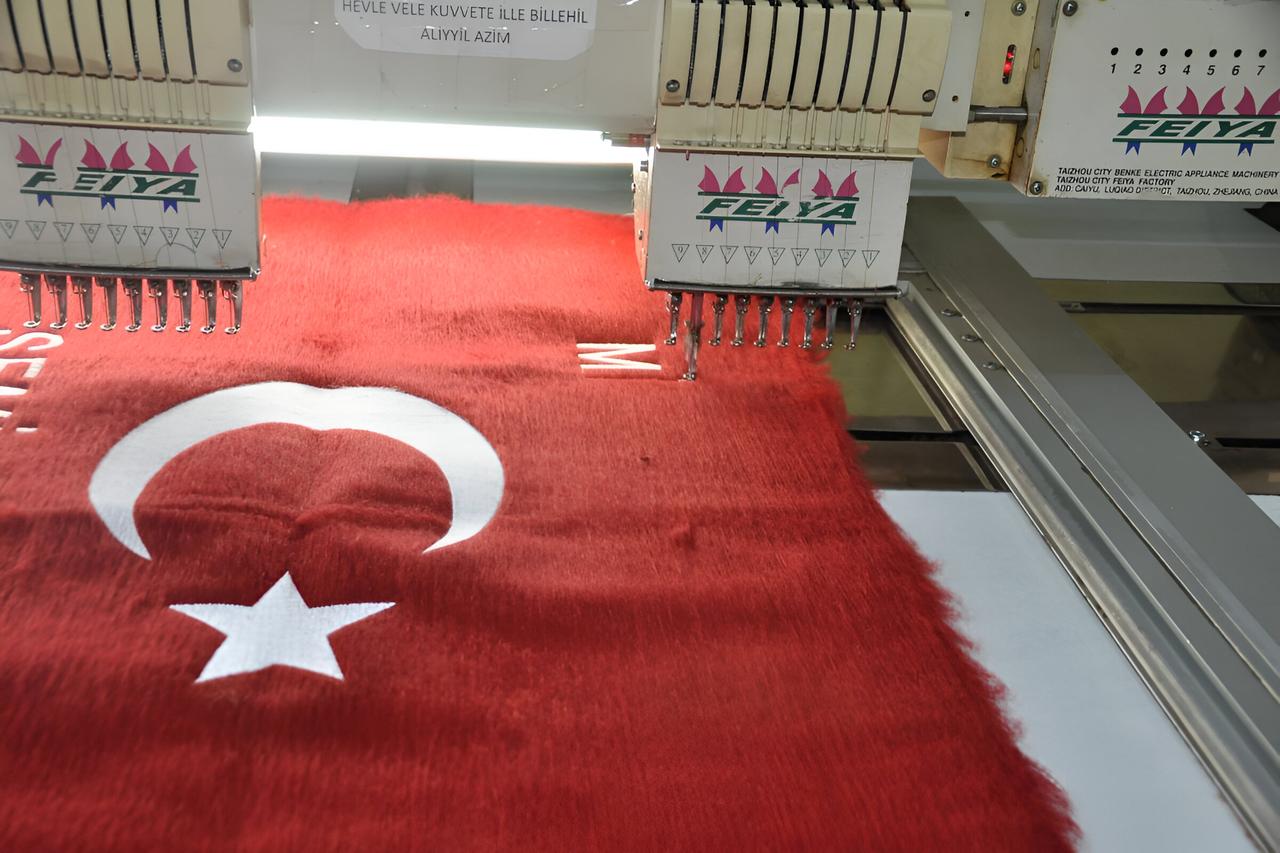
Siirt Blanket
Siirt Blanket is a traditional handcraft product woven on handlooms using the fleece of tiftik goats native to Siirt province in Türkiye. These blankets, with a history spanning over a century, hold a significant place in the people culture and have been passed down from generation to generation until the present day. Noted for both their functionality and aesthetic value, Siirt blankets are more than just a means of warmth; they also stand out as a cultural heritage and a popular gift item. Sii
EN
Muhammed Samed Acar
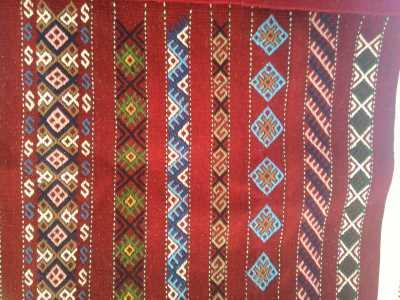
Kelkit Zilli Kilim
Kelkit Zilli Kilim is a handwoven artistic product unique to the Kelkit district of Gümüşhane and represents a cultural heritage passed down through generations. Made from 100% wool, 100% root dye, and 100% kirman yarn, this kilim was officially registered on 21 June 2019 under Industrial Property Law No. 6769 as a geographical indication. Produced within the boundaries of Kelkit district using local craftsmanship and traditional techniques, this product is registered by the Kelkit Subprovince.
EN
Elif Laçin
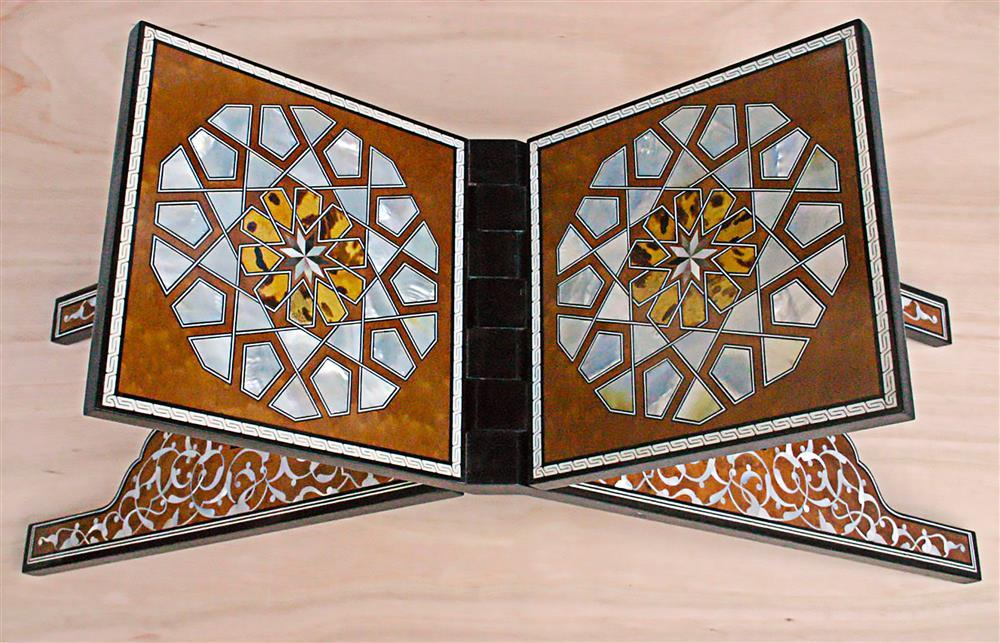
Mother-of-pearl Inlay Art
Shell inlay art is a traditional decorative art achieved by embedding shell pieces into recesses carved into wooden surfaces. The shell used in this art form is a hard, glossy, and phosphorescent material found on the inner surfaces of the shells of marine creatures such as mussels and oysters. Due to its luster and durability, shell has been valued for decorative purposes for centuries. Materials Used The craft of shell inlay is known as “sedefkârlık,” and the artisan who practices it is called
EN
Miray GÜR

Art and Technology: The Reflections of Digital Transformation in the Field of Art
Which digital tool do you use to express your emotions? Until the 2000s, art was the reflection of creativity and imagination in fields such as painting, music, dance, and sculpture. In traditional arts, the artist transformed their creativity and imagination onto a canvas, into the measure of a song, or into a dance movement. Here, materials such as paper, clay, stone, and brush—factors that emphasized tangibility and sensory experience—took center stage. The artist’s expression aimed to prompt
EN
T3 Akademi
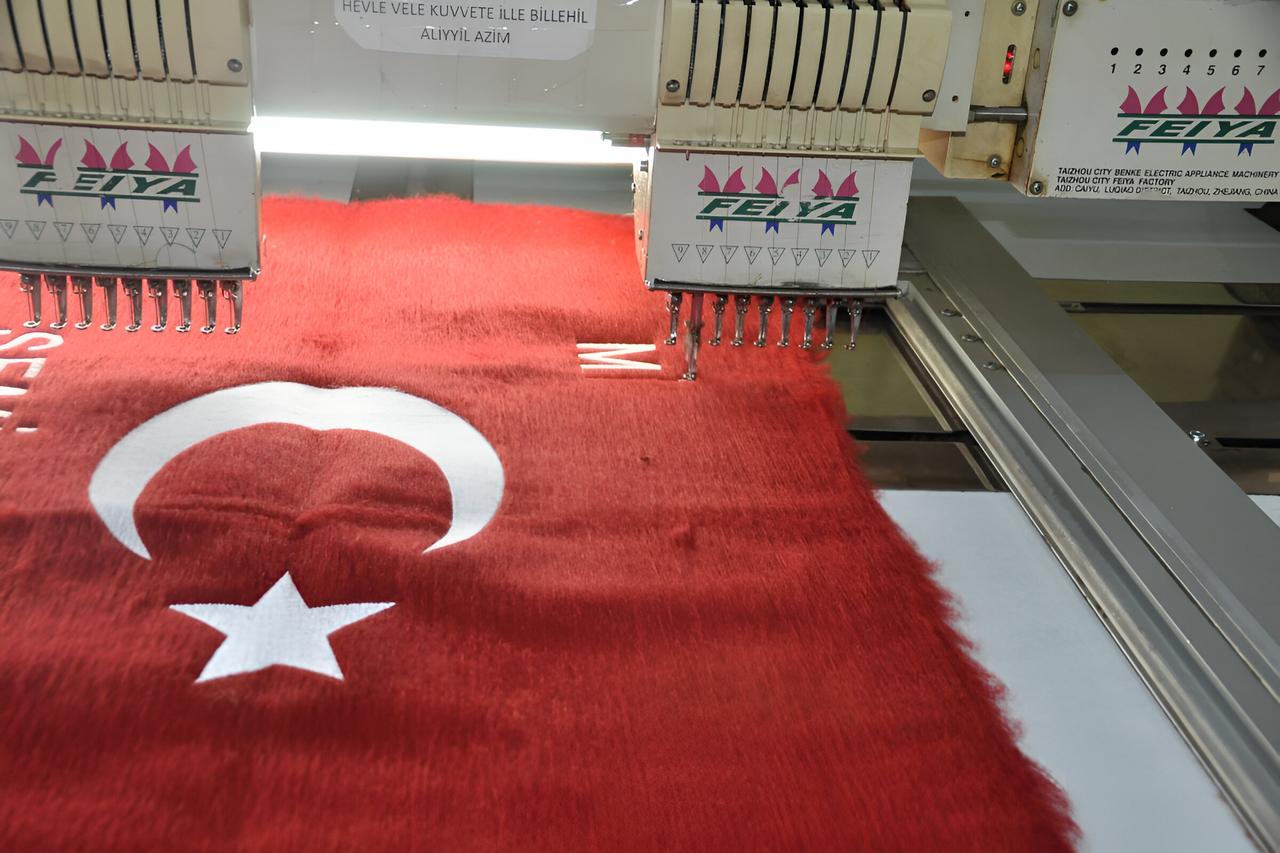
Siirt Blanket
Siirt Battaniyesi is a traditional handcrafted textile produced on handlooms in the province of Siirt in Türkiye, using the pure fleece of tiftik goats. With a history spanning over a century, these blankets hold an important place in folk culture and have been passed down through generations to the present day. Noted for both their functionality and aesthetic value, Siirt blankets are more than just heating tools; they also stand out as cultural heritage items and popular gifts. Siirt Battaniye
EN
Muhammed Samed Acar
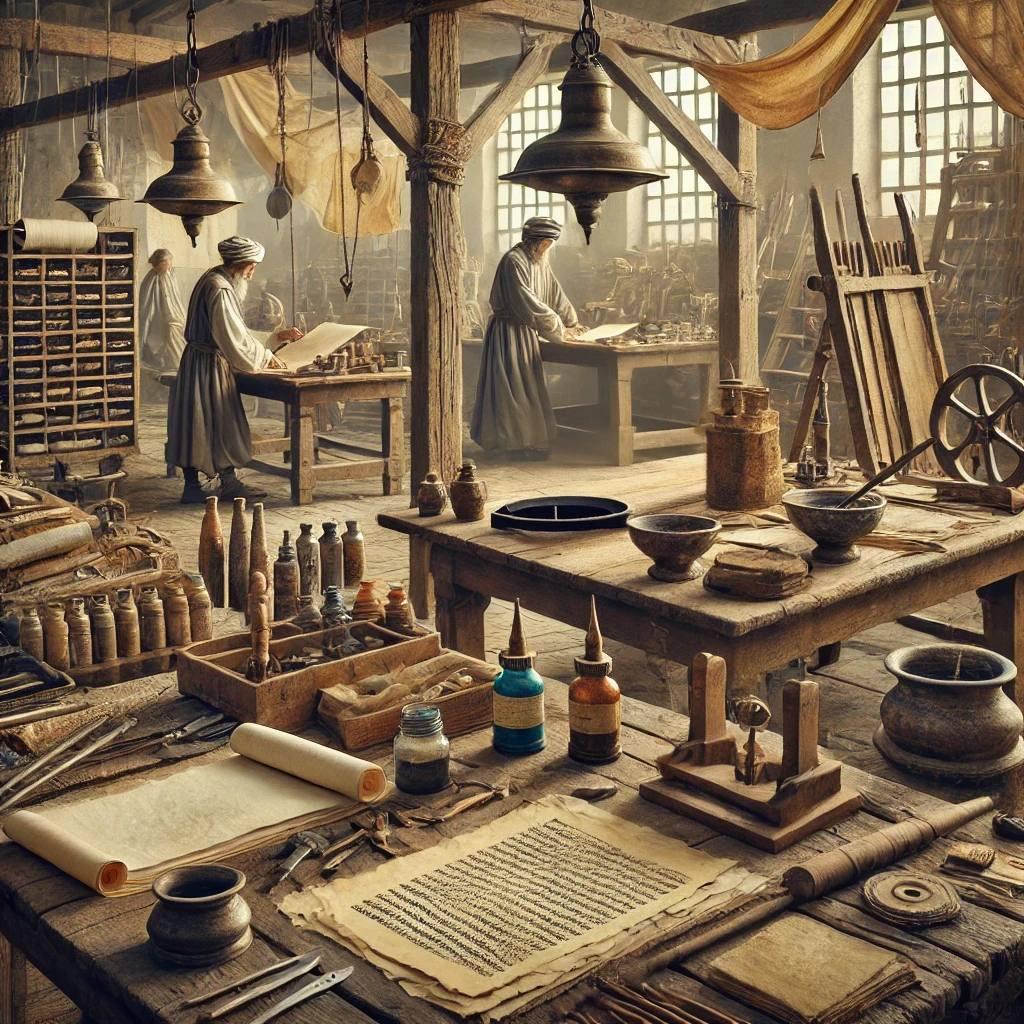
Professions and Specializations in Manuscript Production
Manuscript work culture refers to an ecosystem encompassing not only written texts but also the entire process from their creation to their preservation. Throughout this process, the production, writing, decoration, binding, and preservation of manuscripts such as required every stage stage to involve different areas of expertise and professional groups. These craftsmen and artists involved in manuscript production did not merely fulfill a practical function; they also contributed significantly
EN
Burak Enes
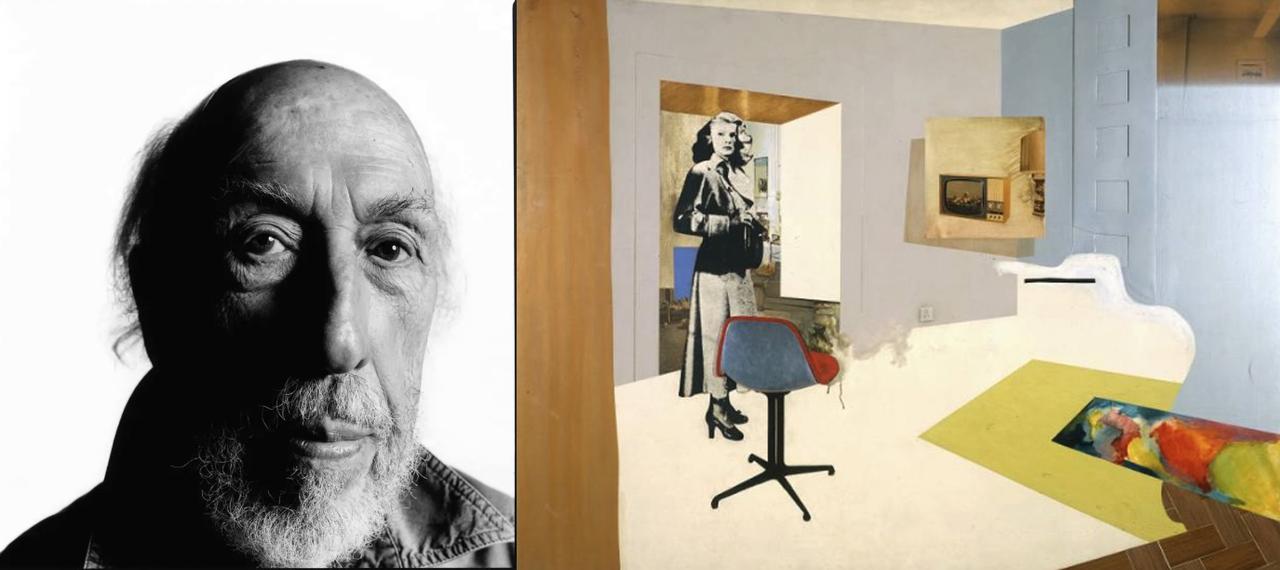
Pop Art
Pop Art is an art movement that emerged in the late 1950s and early 1960s in the United States and the United Kingdom. This movement represents an aesthetic approach that challenges traditional notions of art and draws inspiration from popular culture. Consumer culture, advertising, comic books, celebrities, cinema and other elements of everyday life formed the source material for Pop Art artists. The movement is regarded both as a pivotal moment in art history and as a reflection of social dyna
EN
Enes Tayyar
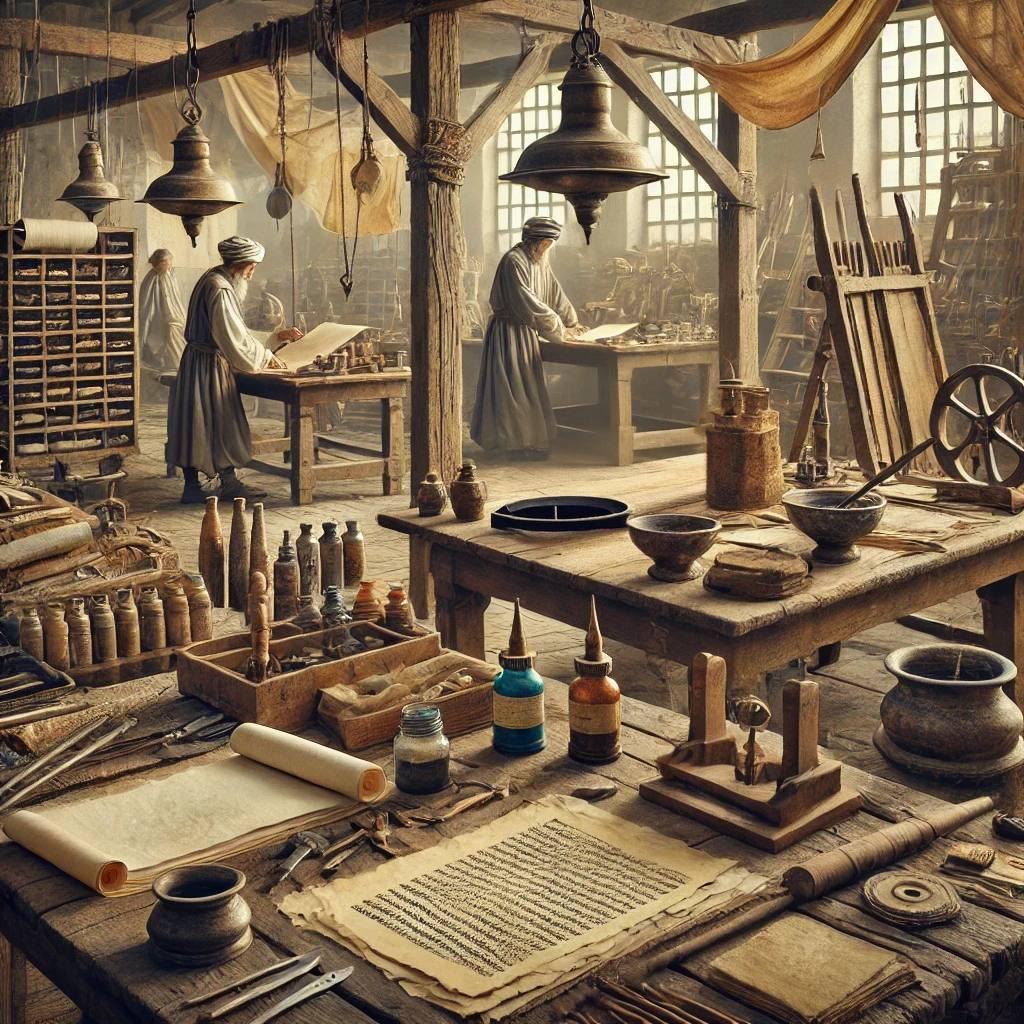
Professions and Specializations in Manuscript Production
Manuscript work culture refers to an ecosystem that encompasses not only written texts but also the entire process from their creation to their preservation. Throughout this process, the production, writing, decoration, binding, and protection of texts each require different areas of expertise and professional groups. The artisans and artists involved in the production of manuscript works did not merely fulfill a practical function; they also made significant contributions to the aesthetic and a
EN
Burak Enes
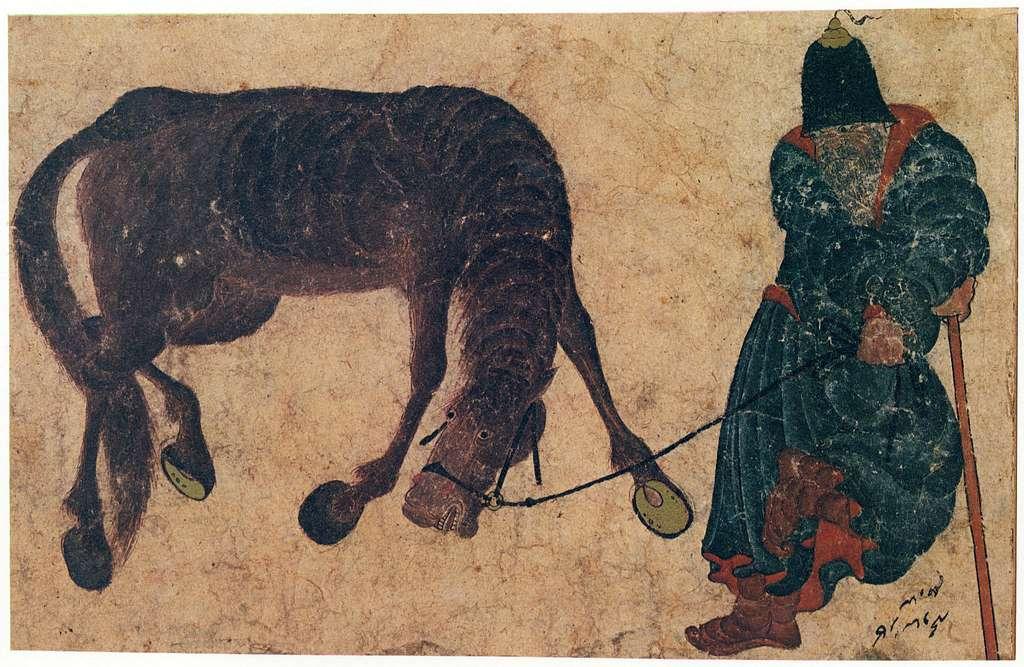
Mehmet Black Pen and Miniatures
Mehmet Siyah Kalem, a 15th-century artist who inspired both Eastern and Western art. His works depict the daily life beliefs and cultural structures of societies through an artistic lens. In his drawings shamanistic and fantastical elements reflect a striking and imaginary world. These pieces reveal not only the artistic understanding of his time but also a creativity that challenges the boundaries of imagination. Nomadic camp. Topkapı Sarayı Hazine Kitaplığı. 2153." image-alternate="" image-ele
ENBurak Enes
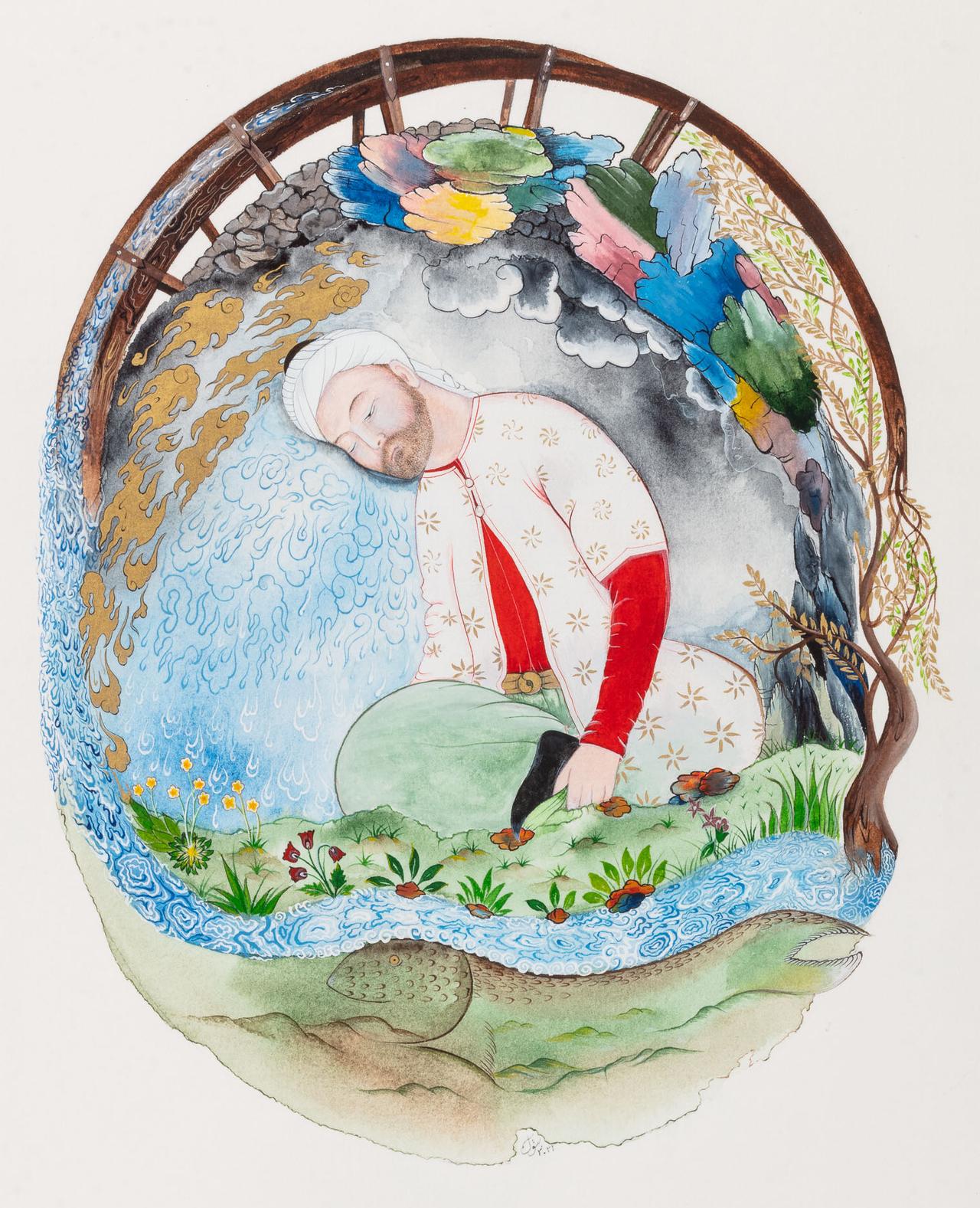
The Short History of the Term “Traditional”: How Do We Read Art?
The term “tradition” generally refers to a connection with the past.Turkish Language Association, Current Turkish Dictionary, “Tradition,” accessed 14 March 2024,https://sozluk.gov.tr/. ">【1】 Over time, this concept has expanded to encompass meanings associated with the term “traditional,” implying practices passed down from the past. Today, this term has nearly become a universal label for various art forms such as hat, tezhip, miniatür, ebru and bookbinding, among others. However, the term
EN
Betül BİLGİN