


This article was automatically translated from the original Turkish version.
+2 More
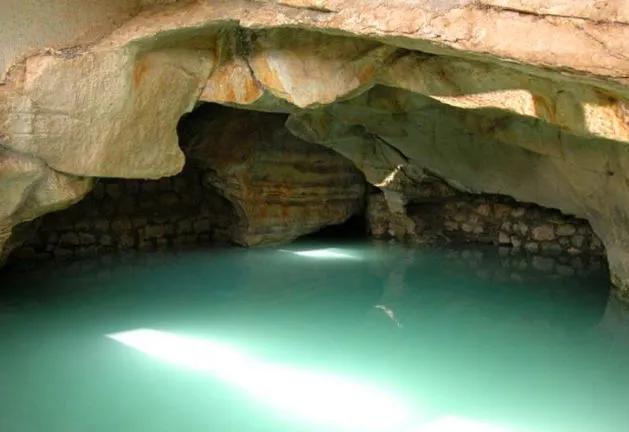
Billoris (Sağlarca) Spa
Location | Eruh - Siirt/Türkiye | ||||||||
|---|---|---|---|---|---|---|---|---|---|
Distance | 15-17 km from Siirt. 17 km from Eruh | ||||||||
Water Temperature | 30-36°C | ||||||||
Flow Rate | Total 172-173 l/s | ||||||||
Mineral Content | Chloride, sulfate, bicarbonate, sodium, hydrogen-sulfide, calcium | ||||||||
pH Value | 6.4 (slightly acidic) | ||||||||
Geological Structure | Germav, Gercüş, Midyat and Şelmo Formations; Quaternary alluvium | ||||||||
Current Status | Basic facilities, no accommodation | ||||||||
Access | Siirt-Eruh services | ||||||||
Effects on Health | Orthopedic and neurological Rheumatic diseases Joint disorders Respiratory disorders Skin and women's diseases Stress and muscle fatigue | ||||||||
Siirt, located in southeastern Anatolia region of Türkiye, is a province notable for its rich natural resources and cultural heritage, and also recognized for its geothermal potential. One of the most significant examples of this potential is the Biloris Thermal Springs, situated within the boundaries of the Eruh district. Known locally as “Sağlarca Thermal Springs,” this thermal source is located inside a natural cave along the banks of the Botan River. Enriched with minerals, and distinguished by its geological structure and health effects, Biloris Thermal Springs holds scientific and touristic value.
Biloris Thermal Springs is located 15–17 kilometers from the center of Siirt, along the Siirt–Eruh highway, within the boundaries of Sağlarca Village under Eruh district. The springs are situated directly beside the Botan River, inside a natural cave that has been expanded and adapted for thermal water use. Access from Siirt to the springs is provided by service vehicles heading toward Eruh; Eruh district center is approximately 17 kilometers away. In addition to the main spring feeding the bathing pool, a second thermal source exists nearby, whose waters flow directly into the Botan River. This geographical location renders the springs both accessible and surrounded by natural beauty.
The region where Biloris Thermal Springs is located has a complex geological history and is covered by formations from various periods. The oldest unit in the area is the Upper Cretaceous–Lower Paleocene Germav Formation, composed of gray-green shale, marl, sandstone, mudstone, and milky limestone. Overlying this is the Paleocene–Lower Eocene Gercüş Formation, consisting of reddish marl, sandstone, and conglomerate with occasional limestone bands. Above this lies the Eocene Midyat Formation, whose lower levels contain marly limestone. Above the Midyat limestones is the Upper Miocene Şelmo Formation, composed of sandstone, conglomerate, mudstone, and marl. The uppermost layers consist of Quaternary alluvial units: well to moderately consolidated polygenetic conglomeratic old alluvium, unconsolidated sand, clay, and gravel, as well as travertine deposits left by the hot springs in the vicinity. The total thickness of this stratigraphic sequence reaches 170 meters.
Geothermal activity in the region is linked to tectonic movements. NW–SE trending anticlines, synclines, and faults facilitate the ascent of water to the surface. Young basaltic outcrops indicate that the geothermal gradient exceeds normal values in certain areas. The spring waters emerge along these fault lines and originate from five distinct sources:
The total discharge of these sources ranges between 172 and 173 L/s, with temperatures varying between 30 and 35°C.
The chemical composition of the spring water includes chloride, sulfate, bicarbonate, sodium, hydrogen sulfide, and calcium minerals. The pH value is 6.4, indicating a slightly acidic character. The water temperature ranges between 33 and 36°C, making it suitable for bathing due to its proximity to human body temperature.
The therapeutic waters of Biloris Thermal Springs can provide supportive effects when used in bathing therapy for various health conditions. According to scientific literature and local observations, the waters offer several benefits. They are applied as bathing therapy during the chronic phases of inflammatory rheumatic diseases such as rheumatoid arthritis and ankylosing spondylitis, and for noninflammatory joint disorders such as osteoarthritis and chronic back pain, to alleviate pain and improve mobility. Additionally, they are used to support the mobilization process in patients experiencing prolonged immobility following orthopedic surgeries or neurological procedures. In selected neurological conditions such as cerebral palsy, the water’s soothing and balance-enhancing properties contribute positively to rehabilitation. Moreover, due to its mineral content, the water has demonstrated supportive effects in certain skin conditions and gynecological disorders.【1】
Biloris Thermal Springs possesses significant potential for health tourism due to its geographical location and natural surroundings. However, the current infrastructure is inadequate; there are no modern accommodation units, hygienic bathing pools, or comprehensive health services. Furthermore, the mixing of Botan River waters with the spring sources may negatively affect water quality.
Biloris (Sağlarca) Thermal Springs is one of Türkiye’s important thermal areas due to its geothermal resources. Despite its potential in health and tourism, this potential has not yet been fully realized due to infrastructure deficiencies and insufficient promotion. With increased scientific research and investment in infrastructure, the springs could become a significant center for both the local population and health tourism.
Kapluhan, Erol. “Billoris (Sağlarca) Kaplıcası.” *Türkiye Turizm Ansiklopedisi.* Accessed April 11, 2025.https://turkiyeturizmansiklopedisi.com/billoris-saglarca-kaplicasi
Siirt Vakfı. "Siirt Sağlarca Kaplıcası (Billoris) Tanıtımı." Siirt Vakfı. Accessed April 11, 2025.https://siirtvakfi.org.tr/siirt-saglarca-kaplicasi-billoris-tanitimi/
T.C. Ministry of Culture and Tourism Siirt Provincial Directorate. "Kaplıcalar." Siirt İl Kültür veTurizm Müdürlüğü. Accessed April 11, 2025.https://siirt.ktb.gov.tr/TR-56384/kaplicalar.html
[1]
Erol Kapluhan, “Billoris (Sağlarca) Kaplıcası,” Türkiye Turizm Ansiklopedisi, Son erişim: 11 Nisan 2025, https://turkiyeturizmansiklopedisi.com/billoris-saglarca-kaplicasi

Billoris (Sağlarca) Spa
Location | Eruh - Siirt/Türkiye | ||||||||
|---|---|---|---|---|---|---|---|---|---|
Distance | 15-17 km from Siirt. 17 km from Eruh | ||||||||
Water Temperature | 30-36°C | ||||||||
Flow Rate | Total 172-173 l/s | ||||||||
Mineral Content | Chloride, sulfate, bicarbonate, sodium, hydrogen-sulfide, calcium | ||||||||
pH Value | 6.4 (slightly acidic) | ||||||||
Geological Structure | Germav, Gercüş, Midyat and Şelmo Formations; Quaternary alluvium | ||||||||
Current Status | Basic facilities, no accommodation | ||||||||
Access | Siirt-Eruh services | ||||||||
Effects on Health | Orthopedic and neurological Rheumatic diseases Joint disorders Respiratory disorders Skin and women's diseases Stress and muscle fatigue | ||||||||
No Discussion Added Yet
Start discussion for "Siirt Billoris (Sağlarca) Hot Springs" article
Geographical Location and Access
Geological Structure and Geothermal Characteristics
Physical and Chemical Properties
Health Effects
Tourism Potential and Current Status
Future Prospects