


This article was automatically translated from the original Turkish version.
+1 More
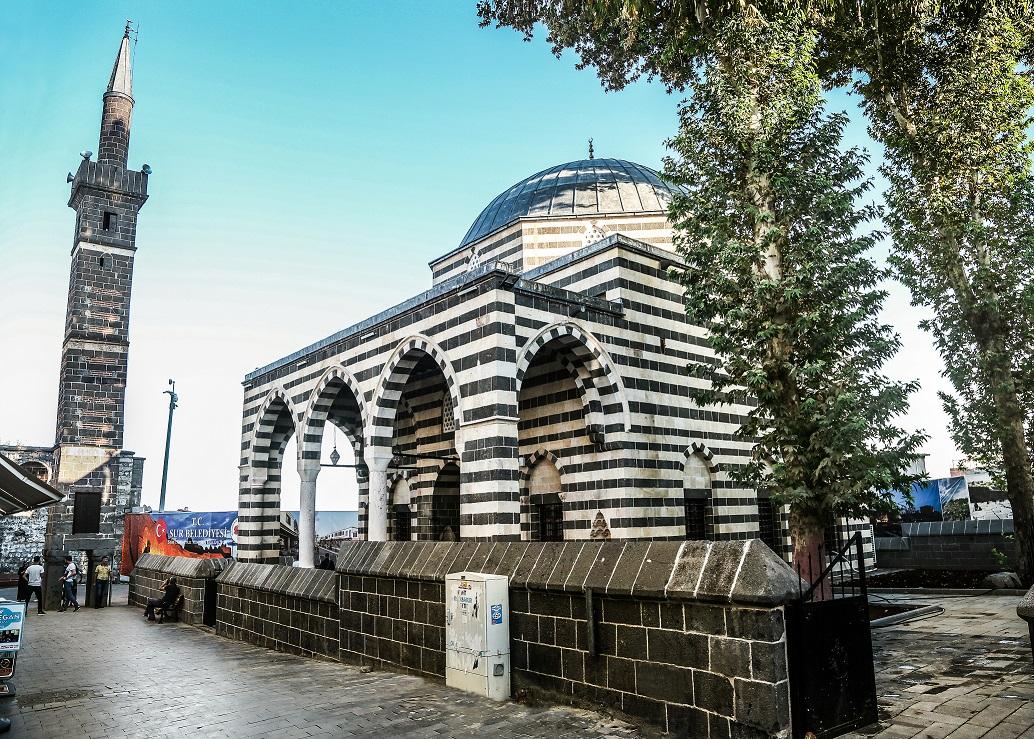
Sheikh Matar (Four-Legged Minaret) Camii
Name | Şeyh Mutahhar Mosque (commonly known as the Four-Legged Minaret Mosque) | ||||||||
|---|---|---|---|---|---|---|---|---|---|
Location | Diyarbakır Türkiye | ||||||||
Construction Date(s) | 1500 (Hijri 906) | ||||||||
Founder | Akkoyunlu ruler Sultan Kasım Bey | ||||||||
Architect | Hacı Ömer's son Hüseyin (according to the inscription) | ||||||||
Architectural Feature | minaret rising on four monolithic stone pillars alternating use of black and white stones square plan layout single dome | ||||||||
Minaret | Arabic inscriptions in celî sülüs script the four pillars symbolize the four Islamic schools of thought the only example of a four-legged minaret in Anatolia | ||||||||
Cultural Significance | a symbol of interfaith brotherhood with the nearby Mar Petyun Chaldean Church and Surp Giragos Armenian Church a tourist and historical monument | ||||||||
Folk Belief | it is believed that the wish of one who passes under the pillars seven times will be granted | ||||||||
Condition | still standing today visitable | ||||||||
Şeyh Mutahhar Camii is one of Diyarbakır’s most significant monumental structures, built in 1500 (Hijri 906) by Akkoyunlu ruler Sultan Kasım Bey. According to the inscription on the minaret, the structure was constructed during the reign of Adil Sultan Kasım Han through the efforts of Hacı Ömer Oğlu Hüseyin. The mosque is also known among the public as Şeyh Matar Camii because the tomb of Şeyh Mutahhar is located on the site where the mosque was built. However, its primary fame derives from its minaret, which rises on four columns and is known as the “Four-Legged Minaret.”
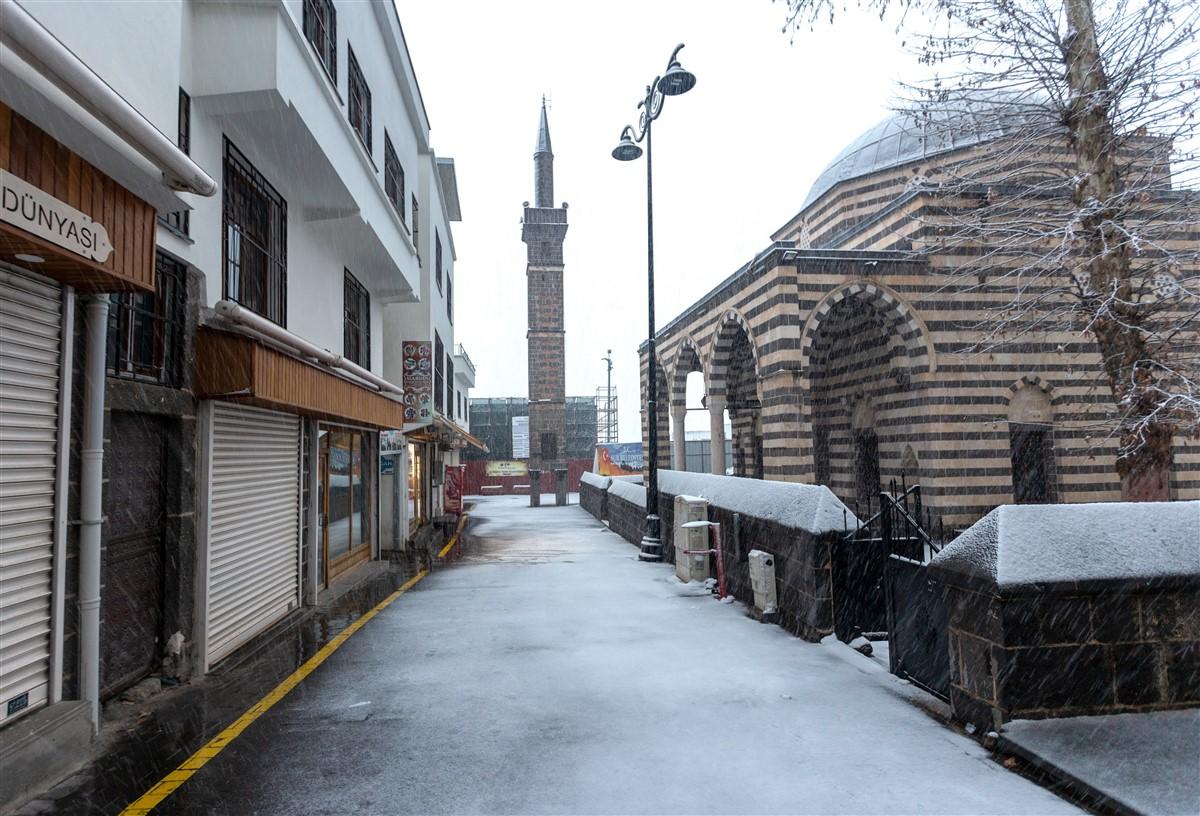
Şeyh Matar (Dört Ayaklı Minare) Camii (Diyarbakır Valiliği)
Şeyh Mutahhar Camii is constructed on a square plan and covered by a single dome. Black and white stones were used alternately in its construction to create a harmonious pattern, an aesthetic feature that has captivated all who see it. The minaret, standing entirely independent from the main structure in the northeast corner, is designed as a square minaret resting on four monolithic stone columns. This minaret stands out as the only four-legged minaret in Anatolia and holds unique architectural significance.
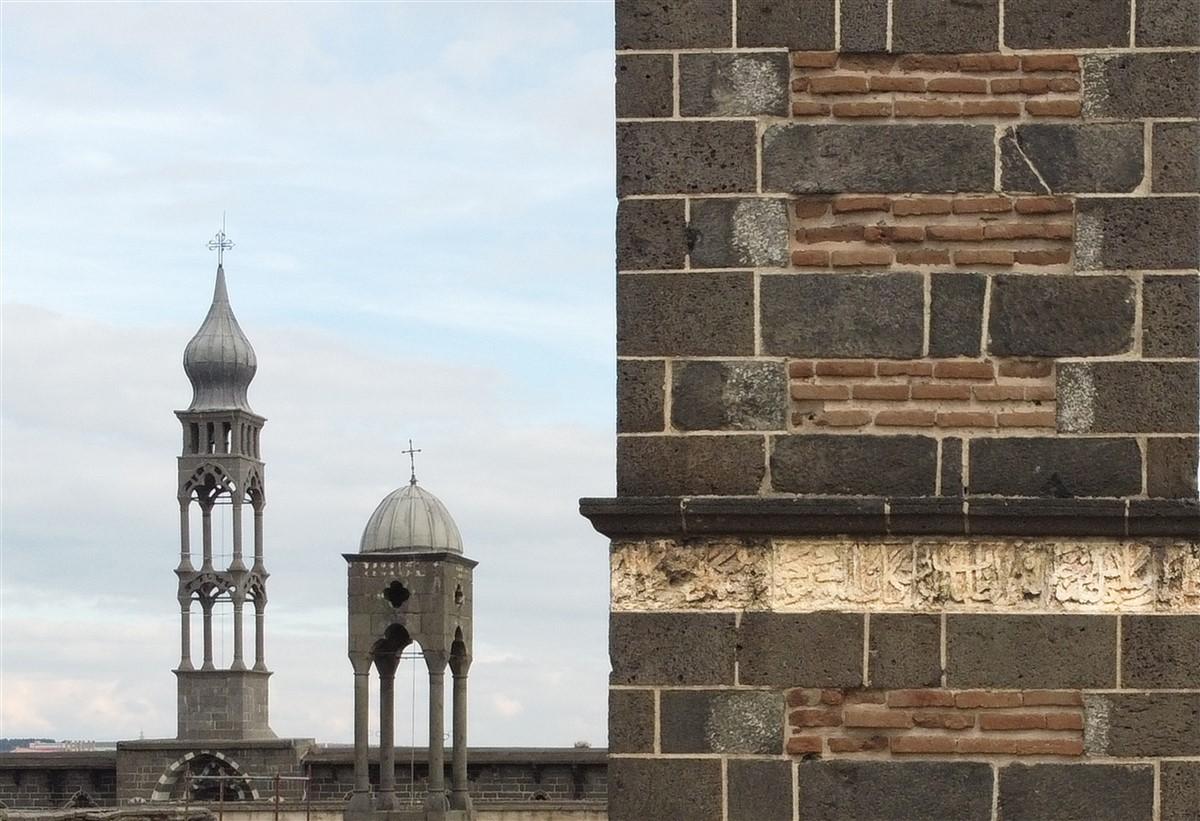
Şeyh Matar (Dört Ayaklı Minare) Camii (Diyarbakır Valiliği)
The Four-Legged Minaret is the most striking feature of the mosque and holds significant tourist appeal, attracting both local and foreign visitors each year. The four columns of the minaret are interpreted by the public as symbolizing the four Islamic schools of thought: Hanafi, Shafi, Maliki, and Hanbali. On the minaret’s body, two bands of Arabic calligraphy in celî sülüs script are inscribed. The first inscription, located on the north and east sides, provides information about the minaret’s founder and construction date: “This blessed minaret was built in the year 906 AH through the efforts of Hacı Ömer Oğlu Hüseyin during the reign of Adil Sultan Kasım Han.” The second inscription contains verses 40, 43, 44, and 56 of Surah Al-Ahzab from the Qur’an. Additionally, according to a widespread popular belief, those who pass beneath the minaret’s four columns seven times will have their wishes granted.
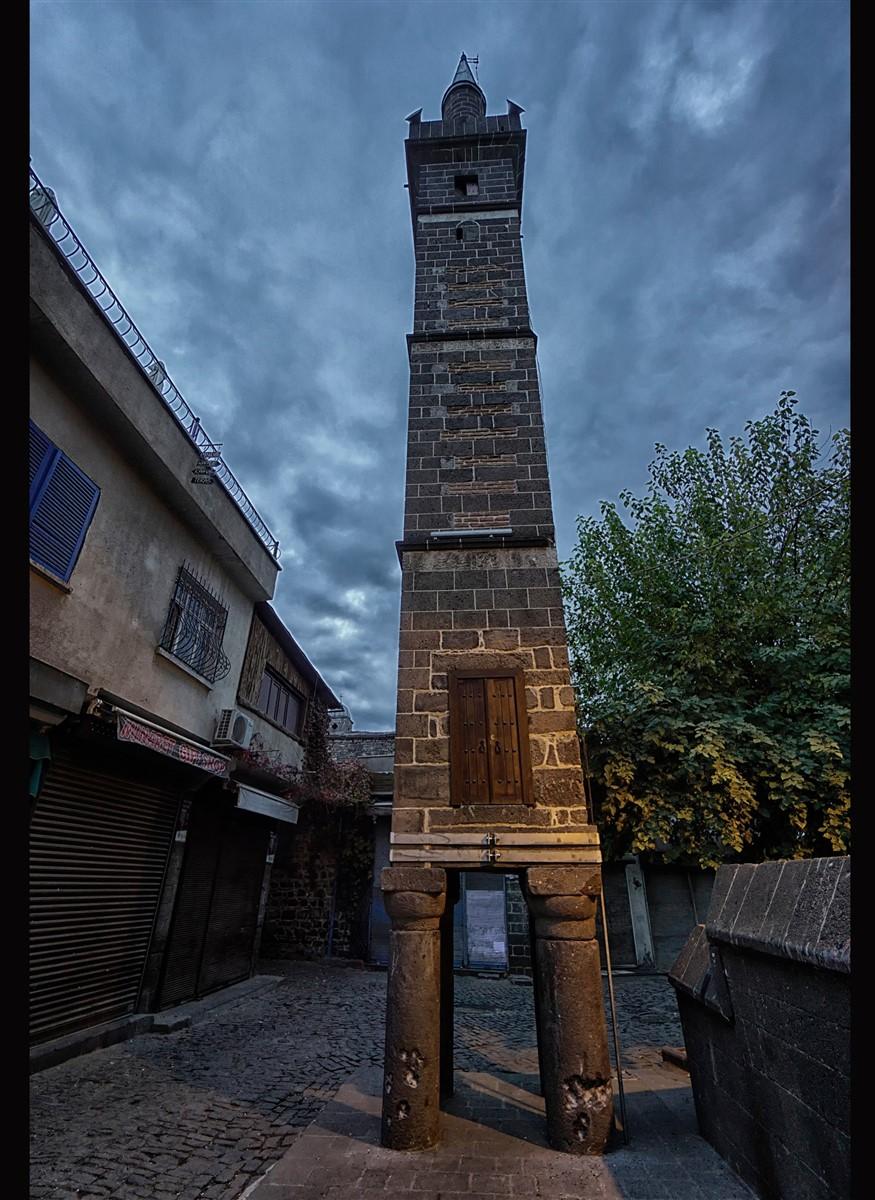
Şeyh Matar (Dört Ayaklı Minare) Camii (Diyarbakır Valiliği)
Şeyh Mutahhar Camii stands out not only for its architectural features but also for its historical and cultural value. This structure, reflecting Diyarbakır’s rich past, is an important monument from the Akkoyunlu period. Alongside the Mar Petyun Keldani Kilisesi and the Surp Giragos Ermeni Kilisesi located adjacent to it, these three buildings are regarded as symbols of fraternal coexistence without regard to religion, language, color, or sect. This characteristic transforms the mosque and its surroundings into a testament to the harmonious coexistence of diverse cultures.
Şeyh Mutahhar Camii and its Four-Legged Minaret continue to endure today as one of Diyarbakır’s most important monuments, valued for both their architectural uniqueness and symbolic meanings.
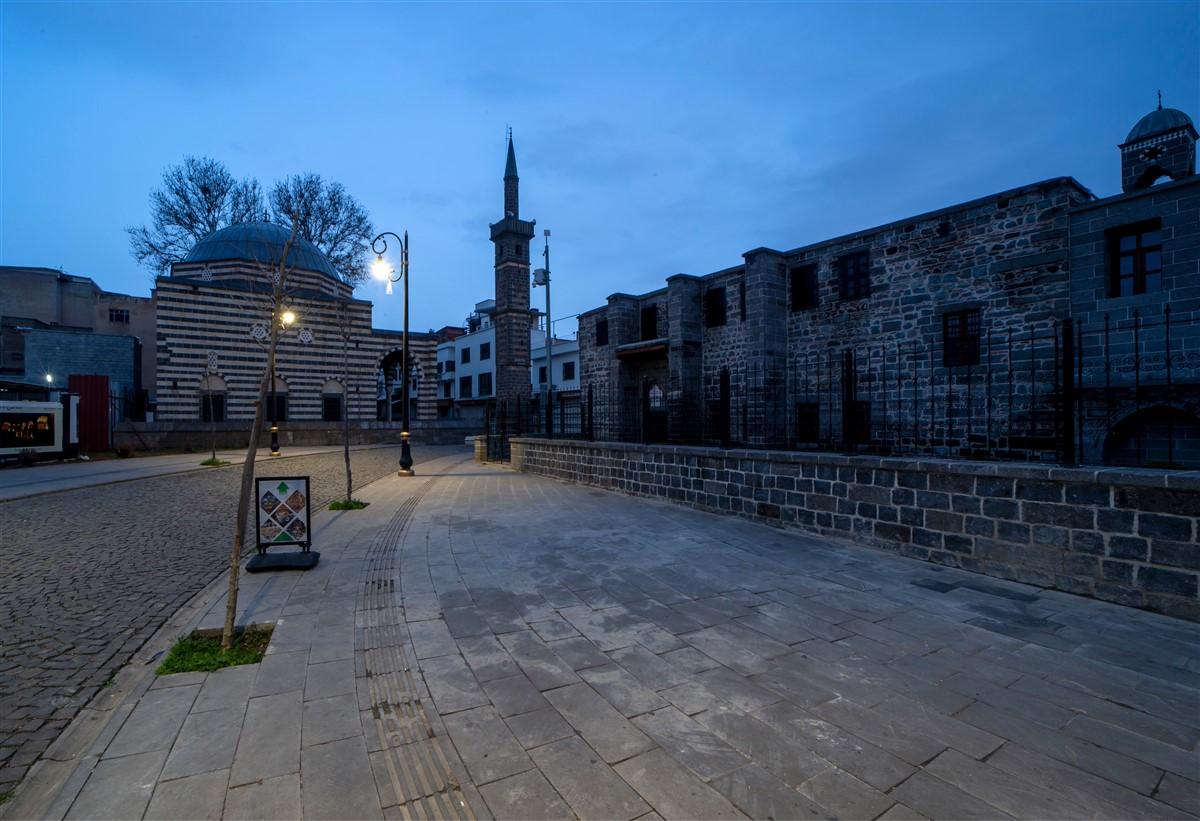
Şeyh Matar (Dört Ayaklı Minare) Camii (Diyarbakır Valiliği)
"Şeyh Matar (Dört Ayaklı Minare) Camii." T.C. Diyarbakır Valiliği. Accessed April 2, 2025.http://www.diyarbakir.gov.tr/seyh-matar-dort-ayakli-minare-camii
"Şeyh Mutahhar Camii (4 Ayaklı Minare)." Diyarbakır Tanıtım Portalı. Accessed April 2, 2025.https://diyarbakir.org.tr/mekan/seyh-mutahhar-camii-4-ayakli-minare/
"Şeyh Mutahhar Camii (Dört Ayaklı Minare)." Ministry of Culture and Tourism Culture Portal. Accessed April 2, 2025.https://www.kulturportali.gov.tr/turkiye/diyarbakir/gezilecekyer/seyh-mutahhar-cam-dort-ayakli-mnare

Sheikh Matar (Four-Legged Minaret) Camii
Name | Şeyh Mutahhar Mosque (commonly known as the Four-Legged Minaret Mosque) | ||||||||
|---|---|---|---|---|---|---|---|---|---|
Location | Diyarbakır Türkiye | ||||||||
Construction Date(s) | 1500 (Hijri 906) | ||||||||
Founder | Akkoyunlu ruler Sultan Kasım Bey | ||||||||
Architect | Hacı Ömer's son Hüseyin (according to the inscription) | ||||||||
Architectural Feature | minaret rising on four monolithic stone pillars alternating use of black and white stones square plan layout single dome | ||||||||
Minaret | Arabic inscriptions in celî sülüs script the four pillars symbolize the four Islamic schools of thought the only example of a four-legged minaret in Anatolia | ||||||||
Cultural Significance | a symbol of interfaith brotherhood with the nearby Mar Petyun Chaldean Church and Surp Giragos Armenian Church a tourist and historical monument | ||||||||
Folk Belief | it is believed that the wish of one who passes under the pillars seven times will be granted | ||||||||
Condition | still standing today visitable | ||||||||
No Discussion Added Yet
Start discussion for "Sheikh Mutahhar (Four-Legged Minaret) Camii" article
Architectural Features
The Four-Legged Minaret
Historical and Cultural Significance