

`anatolian-architecture` Related Article Results
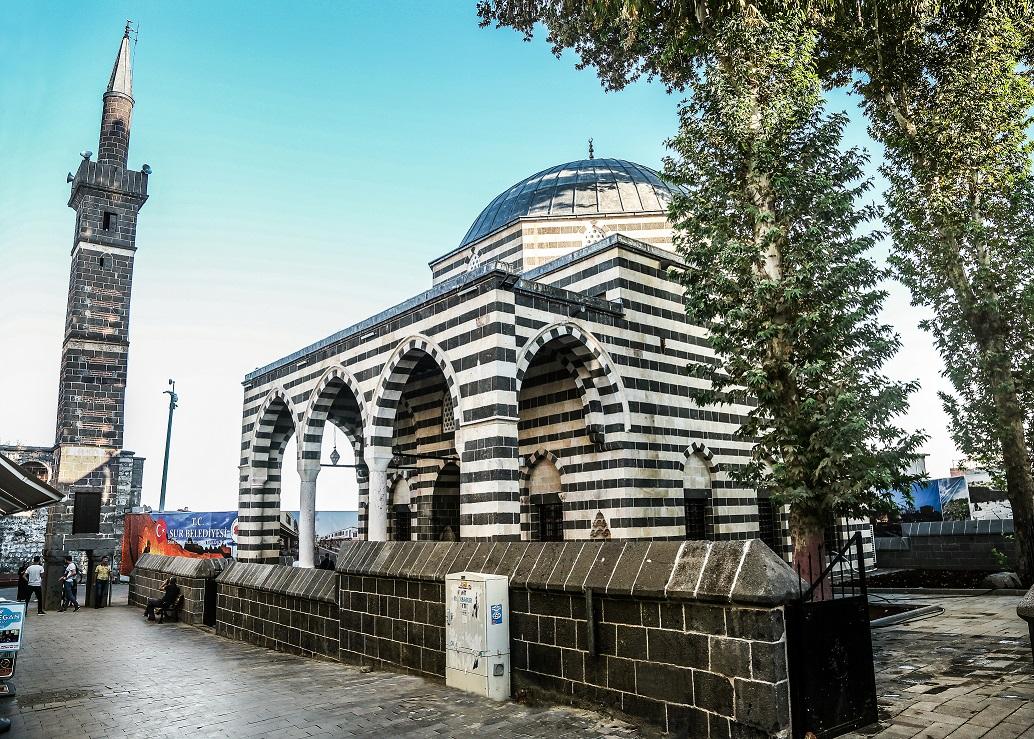
Sheikh Mutahhar (Four-Legged Minaret) Camii
Sheikh Mutahhar Mosque is one of Diyarbakır’s most monumental structures, built in 1500 (Hijri 906) by Akkoyunlu ruler Sultan November Bey. According to the inscription on the mosque’s minaret, it was constructed during the reign of Sultan Kasım Inn through the efforts of Hacı Omar Oğlu Hüseyin. The mosque is also known as "Şeyh Matar Mosque" between people due to the presence of the tomb of Şeyh Mutahhar on the site where it was built. However, its primary fame derives from its minaret, which r
EN
Mehmet Tahir Özbey
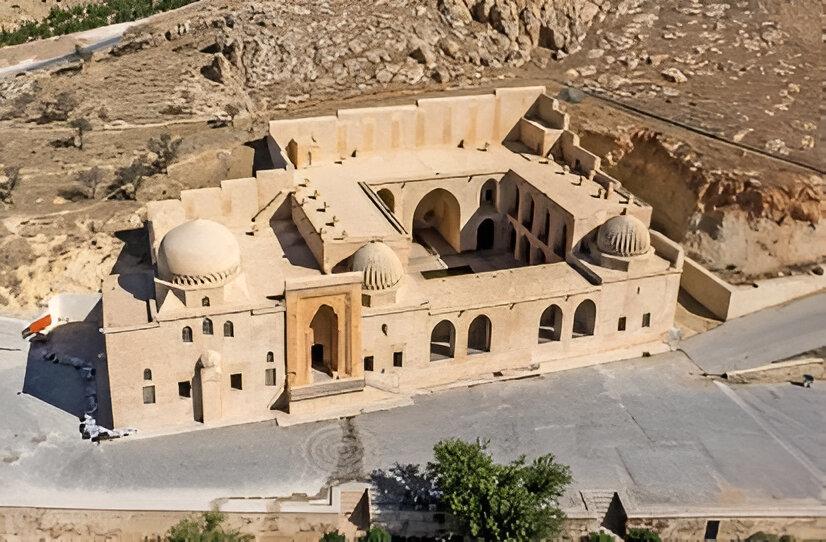
Kasımiye Medresesi
Kasımiye Medresesi, located on a commanding position overlooking the Mesopotamian Plain to the southwest of the provincial center, is a historical madrasa that has survived to the present day. Construction began during the Artuklu period (13th century), but was left incomplete due to raids by Timur forces under Mongol. It was finally completed between 1457 and 1502 during the reign of Medrese ruler Cihangiroğlu November Sultan (Sultan Kasım). Although no exact construction date is known, it is d
EN
Muhammed Samed Acar
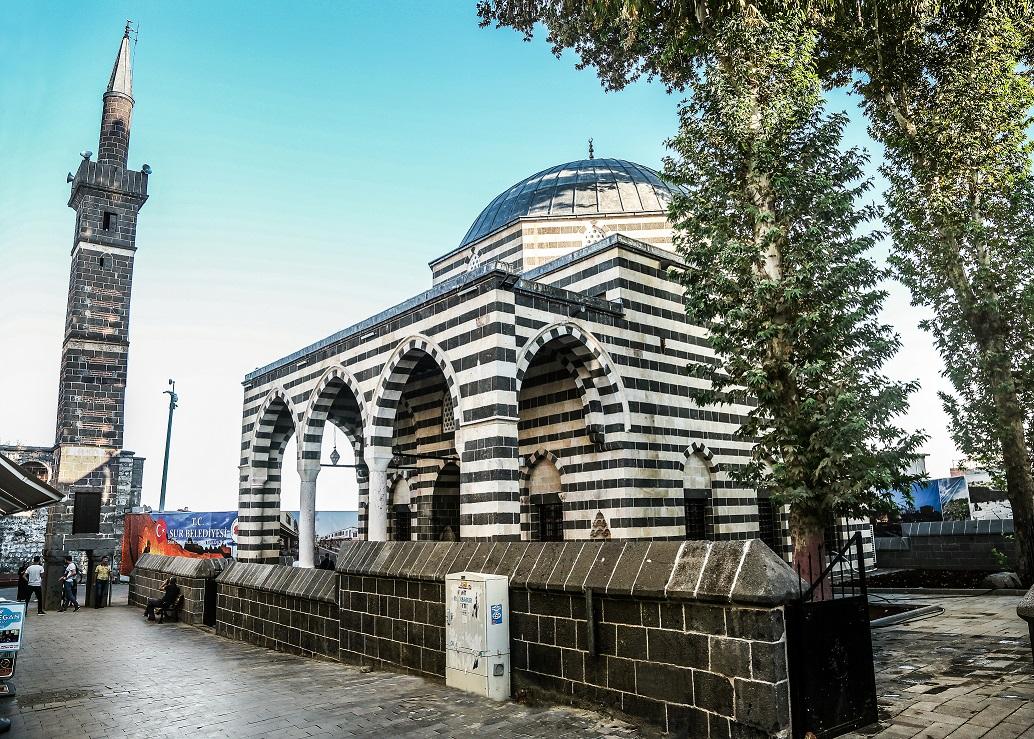
Sheikh Mutahhar (Four-Legged Minaret) Camii
Şeyh Mutahhar Camii is one of Diyarbakır’s most significant monumental structures, built in 1500 (Hijri 906) by Akkoyunlu ruler Sultan Kasım Bey. According to the inscription on the minaret, the structure was constructed during the reign of Adil Sultan Kasım Han through the efforts of Hacı Ömer Oğlu Hüseyin. The mosque is also known among the public as Şeyh Matar Camii because the tomb of Şeyh Mutahhar is located on the site where the mosque was built. However, its primary fame derives from its
EN
Mehmet Tahir Özbey
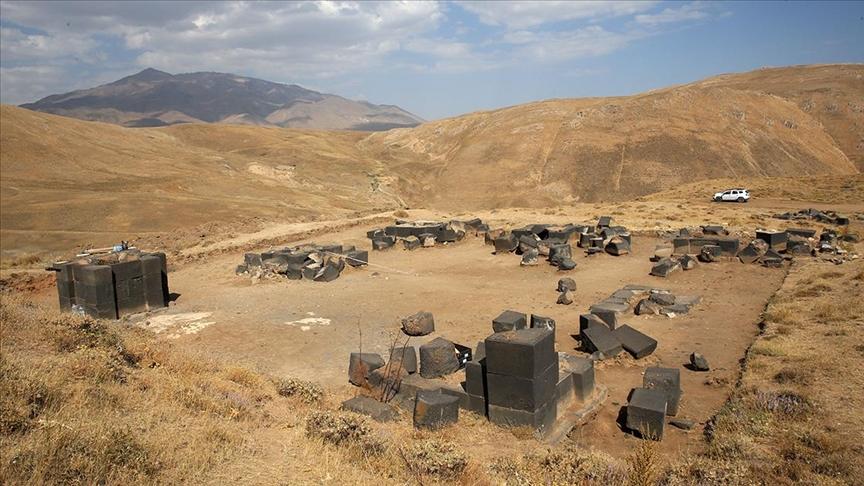
Kef Castle
Kef Kalesi is a historical fortress located near the district of Adilcevaz in Bitlis province, on the southern slopes of Mount Süphan, commanding a strategic position over the Van Lake basin. Situated at an elevation of 2300 meters above sea level, the fortress occupies a dominant location overlooking Van Lake and controls the critical route between Erciş and Bitlis. Due to its natural topography, the eastern, western and southern sides consist of steep and sheer cliffs, making access from these
EN
Aleyna Bozarslan
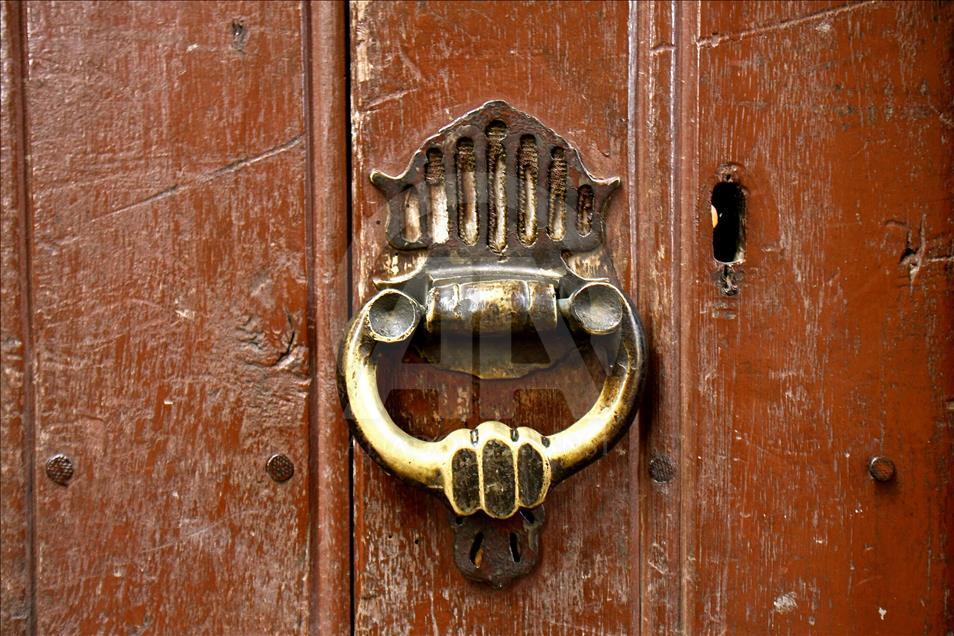
Anatolian Door Knockers
In Anatolian traditional architecture, door knockers are more than mere functional elements; they serve as carriers of aesthetic taste, privacy, social rituals, and cultural symbolism. These elements, passed down from the Ottoman era to the present, have materialized social codes, religious affiliations, and traditional belief systems through their forms, tonal qualities, and the motifs engraved upon them. Door Knocker (AA) " image-element-format="right" image-source="https://cdn.t3pedia.org/med
EN
Elif Laçin
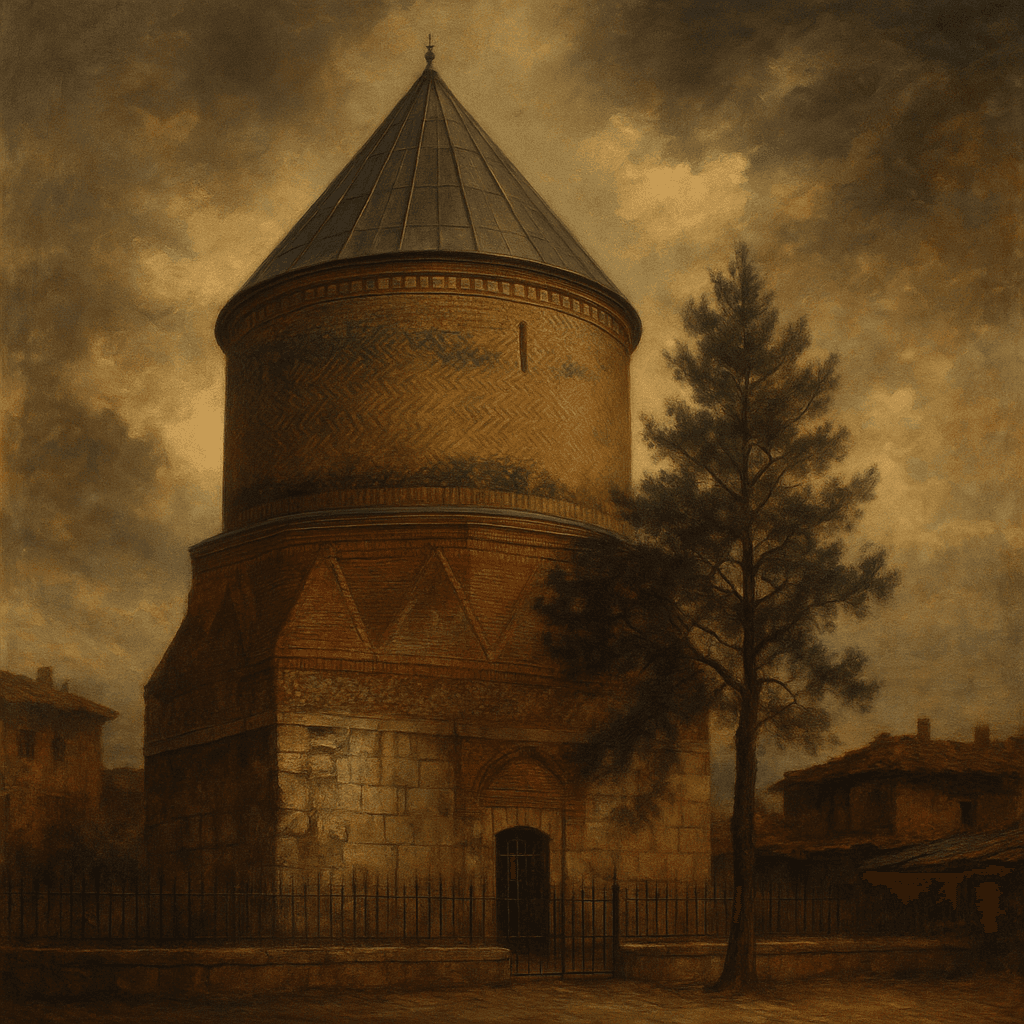
Güdük Minare
Located in the city center of Sivas, the Güdük Minare is a structure notable for its distinctive appearance and historical significance. Although it is called a minaret due to its resemblance to one, it is in fact a türbe. It was built by Alâeddin Eretna for his father, Şeyh Hasan Beg, who died in 1347. It is also known among the public as the Dabas Tekkesi. (Generated by Artificial Intelligence) " image-element-format="right" image-source="https://cdn.t3pedia.org/media/uploads/2025/08/25/Gyjen7
EN
Hikmet Can Urhan
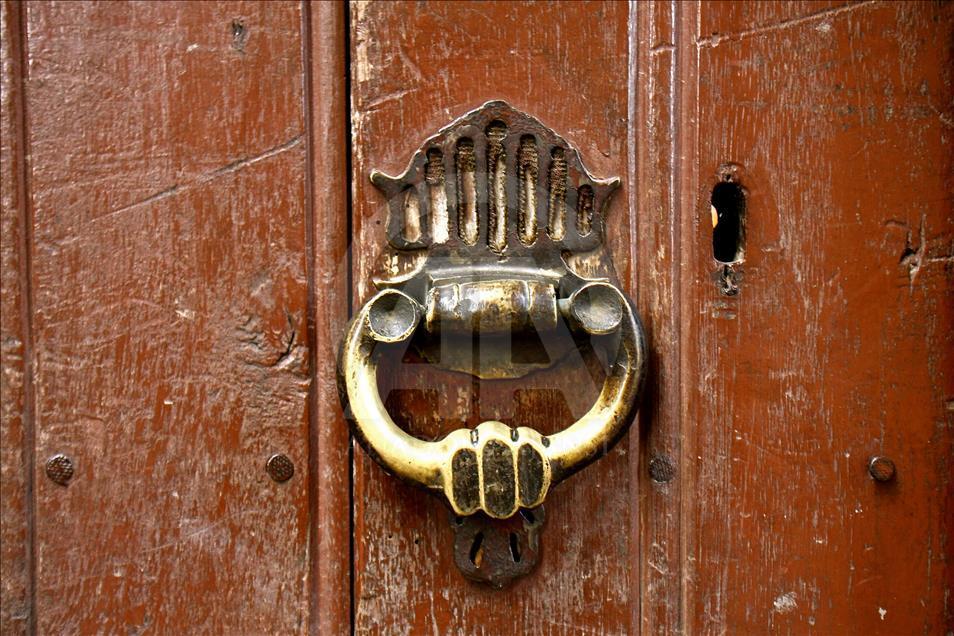
Anatolian Door Knockers
In traditional Anatolian architecture, door knockers are far more than mere functional elements; they serve as carriers of aesthetic taste, privacy, social rituals, and cultural symbolism. These elements, passed down from the Ottoman era to the present, have concretized social codes, religious affiliations, and traditional belief systems through their shapes, tonal qualities, and the motifs engraved upon them. Door Knocker (AA) " image-alternate="" image-element-format="right"> Historical Dev
EN
Elif Laçin
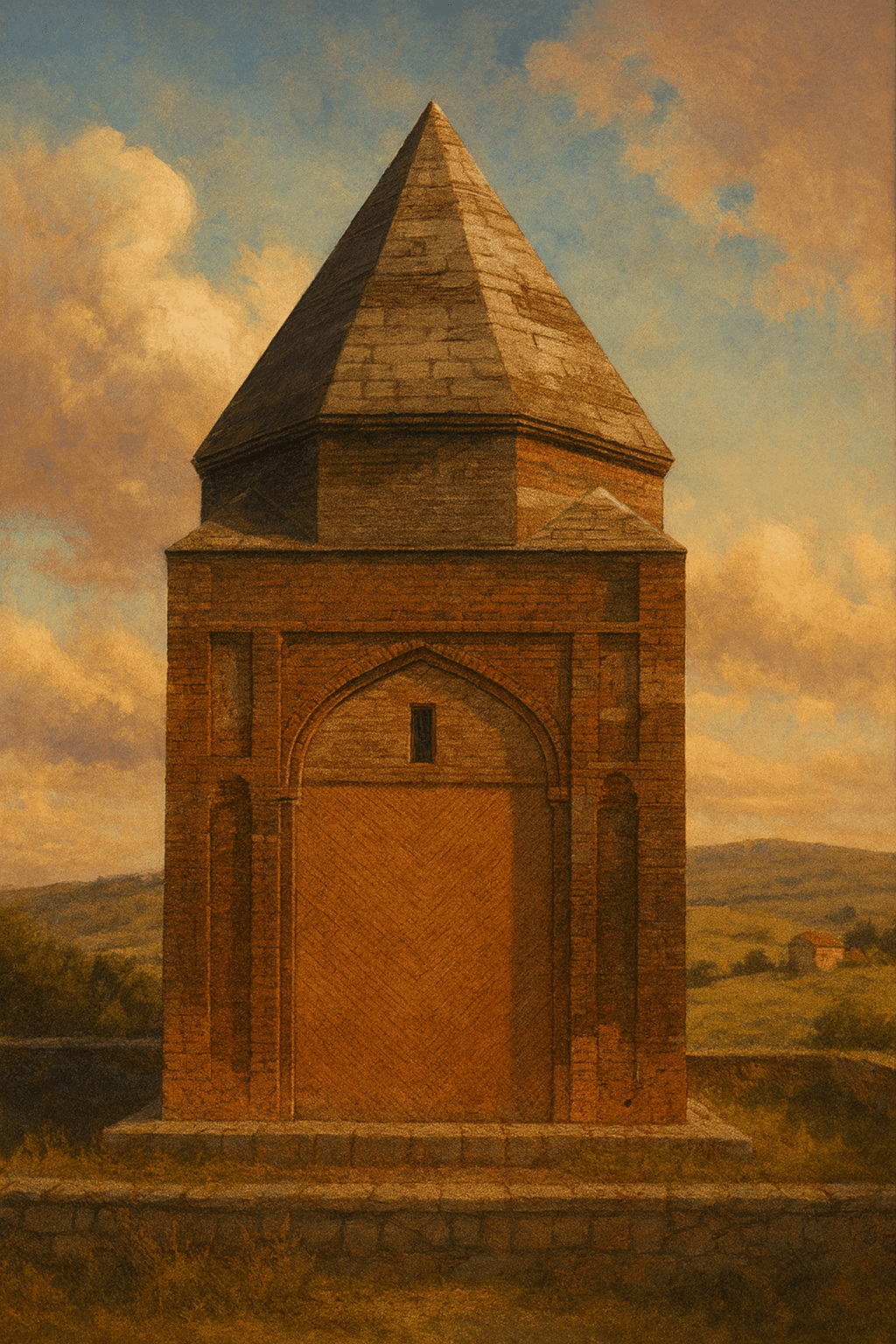
Melik Gazi Türbesi
The Melik Gazi Türbesi, located in Melikgazi Village of the Pınarbaşı district in Kayseri, is an excellent example of early Anatolian Turkish-Islamic architecture. It is believed to have been built during the Danişmend period and is attributed to Emir Gazi, known locally as Melik Gazi. Where Is It Located? The türbe is approximately 18 km east of Kayseri, in the Pınarbaşı district, rising on the slope of a hill. Due to its prominent position, it is one of the most striking structures in the vill
ENHikmet Can Urhan
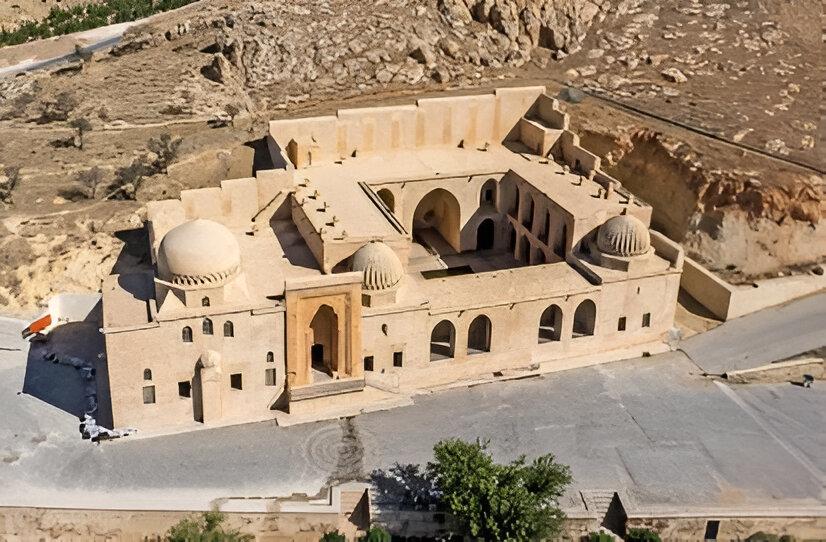
Kasımiye Medresesi
Kasımiye Medresesi, Mardin city center’s southwest, on a commanding position overlooking the Mesopotamian Plain, stands as a historic medrese that has survived to the present day. Construction began during the Artuklu period (13th century) but was left incomplete due to invasions by the Timurid forces. The medrese was completed between 1457 and 1502 during the reign of Akkoyunlu ruler Cihangiroğlu Kasım Pasha (Sultan Kasım). Although its exact construction date is uncertain, it is dated to 1469
EN
Muhammed Samed Acar
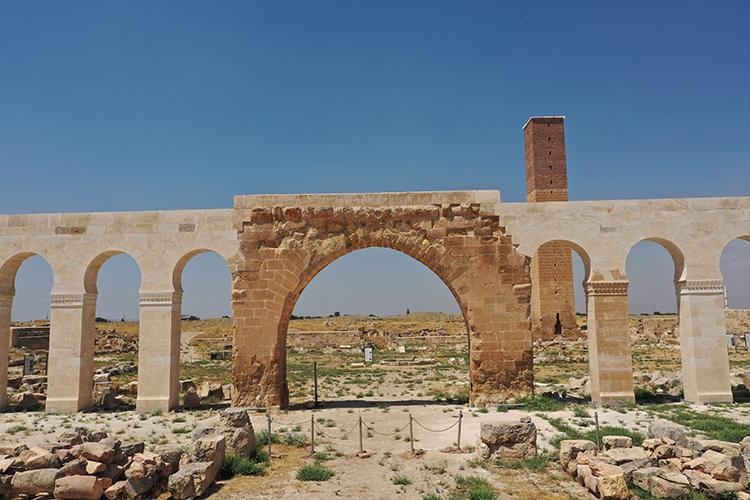
Harran Ulu Camii
Harran Ulu Camii is a place of worship located on the northeast slope of Harran Höyüğü in the Harran district of Şanlıurfa province, recognized as one of the earliest monumental examples of Islamic architecture in Anatolia. The structure was commissioned by the Umayyad Caliph Al-Walid II during the years 744–750 CE. Following Harran’s incorporation into Islamic rule, its brief period as the capital of the Umayyad state directly influenced the mosque’s scale, layout, and architectural character.
EN
Sevgi Kıraç