


This article was automatically translated from the original Turkish version.
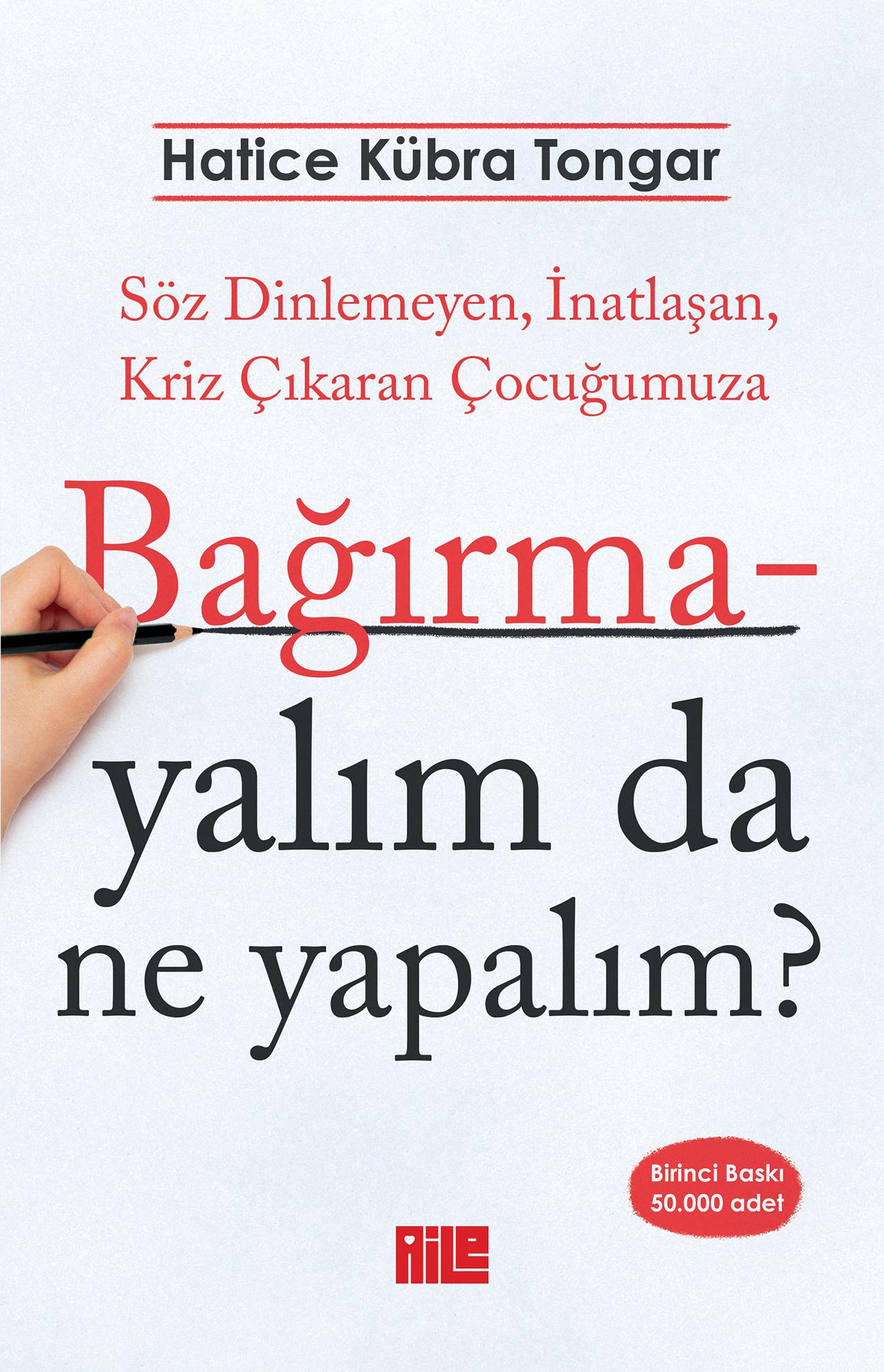
Shall We Not Shout, Then What Shall We Do?
Author(s) | Hatice Kübra Tongar | ||||||||
|---|---|---|---|---|---|---|---|---|---|
Publisher(s) | Aile Yayınları | ||||||||
Publication Date | 2019-10-01 | ||||||||
Language(s) | Turkish | ||||||||
Number of Pages | 224 | ||||||||
Size(s) | 13.5 x 21 cm | ||||||||
Let’s Not Shout—Then What Should We Do? is a book that centers on the challenges of parenting and anger management, written within the frameworks of both modern psychology and traditional values. The author explores the underlying causes of shouting at children, demonstrating how this behavior not only harms the child but also undermines the parent’s own self-awareness. While examining the psychological, pedagogical, and spiritual dimensions of shouting, the book offers practical suggestions for cultivating mindful, calm parenting.
In this context, the work carries the character of a spiritual education, calling on individuals to recognize and master the inner storms within themselves. In this regard, it resonates with the Sufi concept of struggling against the “angry self.”
Managing anger and nurturing the self: In the book, a parent’s tendency to shout is not treated merely as a communication problem but as an outward expression of inner imbalance. The author links anger to suppressed needs, exhaustion, and unconscious emotions, encouraging individuals to turn inward and confront their inner world. In this sense, the work echoes the Sufi call for purification through the trial of the self by anger.
The impact of childhood experiences on parenting: The author emphasizes how adult behaviors often unconsciously repeat patterns experienced in childhood. This theme highlights the importance of personal awareness and the lasting effects of “unhealed childhood.” This approach parallels the understanding that “he who knows his self knows his Lord.”
Empathy and compassion in parent-child relationships: The book stresses the necessity of understanding the child’s emotional world and responding with empathy. The author argues that the foundation of the parent-child relationship must be guidance and love, not punishment. This language of compassion aligns with the Sufi concept of communication centered on mercy.
Self-awareness and inner transformation: The book asserts that one must first become a whole individual before becoming a parent. It states that parents cannot establish healthy relationships with their children unless they recognize and heal their own wounds. This inward journey evokes the Sufi concept of seyr-i sülûk—the spiritual path of inner development.
Practices of calm parenting and linguistic discipline: The author explains in simple language how to be a parent who does not shout yet sets clear boundaries—calm yet firm. The power of language and the spiritual impact of words are discussed, subtly connecting with the Sufi idea of the effect born from speech.
Tongar, Hatice Kübra. Bağırmayalım da Ne Yapalım? İstanbul: Aile Yayınları, 2019.
Shall We Not Shout, Then What Shall We Do?
Author(s) | Hatice Kübra Tongar | ||||||||
|---|---|---|---|---|---|---|---|---|---|
Publisher(s) | Aile Yayınları | ||||||||
Publication Date | 2019-10-01 | ||||||||
Language(s) | Turkish | ||||||||
Number of Pages | 224 | ||||||||
Size(s) | 13.5 x 21 cm | ||||||||
No Discussion Added Yet
Start discussion for "Shall We Not Shout? What Else Can We Do? (Book)" article
Topics