

`parenting` Related Article Results
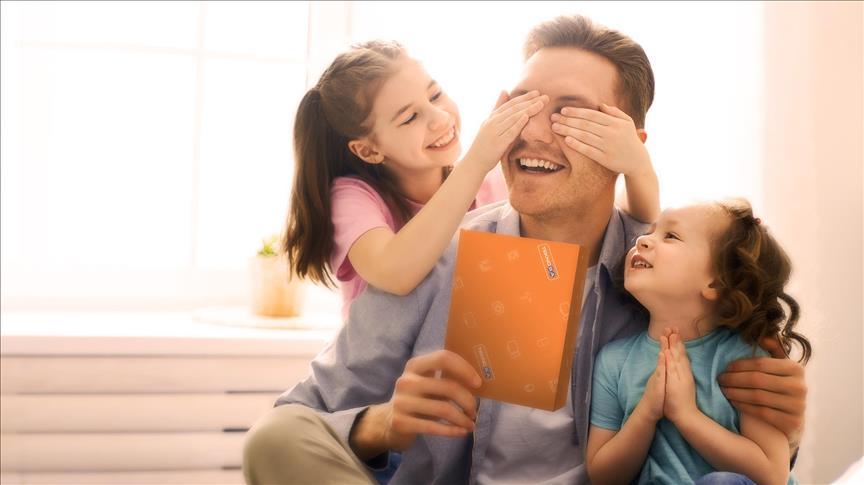
Father's Day
Father's Day is a special day observed worldwide to honor and express gratitude to fathers or father figures for their contributions to their children's lives. While the date of celebration varies from country to country, in many nations including Türkiye it is widely observed on the third Sunday of June. Historical Origins and Institutionalization The idea of Father's Day emerged in the early 20th century in the United States following the growing popularity of Mother's Day. The first event was
EN
Nursena Şahin
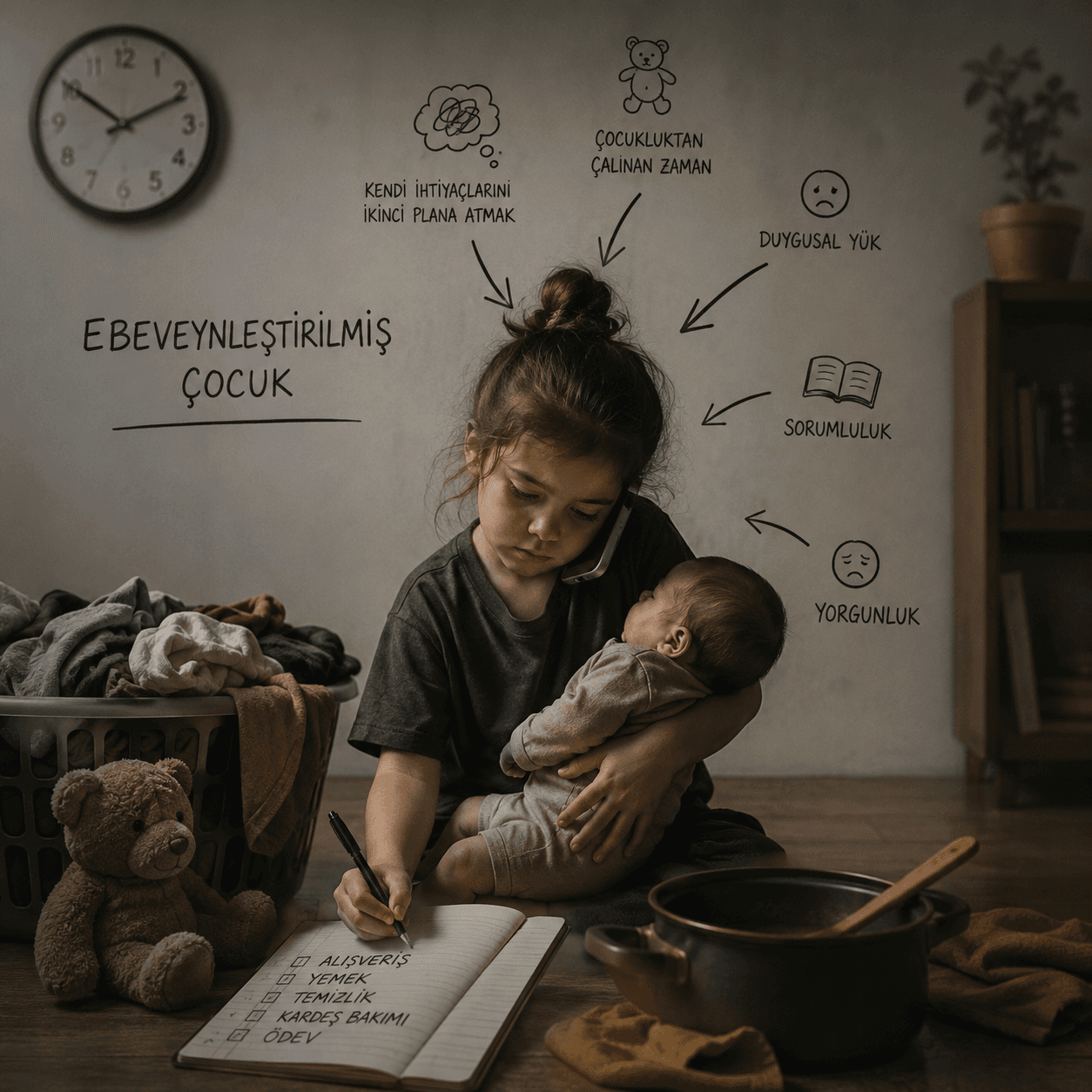
Parenting
Parentification is a disrupted family interaction pattern in which a child assumes roles and responsibilities inappropriate for their developmental level and age in an attempt to meet the physical or emotional needs of their parents. In psychological and family systems literature, this concept, also known as role reversal, dissolution of intergenerational boundaries, or overburdened child, was first defined by Minuchin and colleagues under the term parent-child. 【1】 Later, representatives of con
EN
Nida Üstün
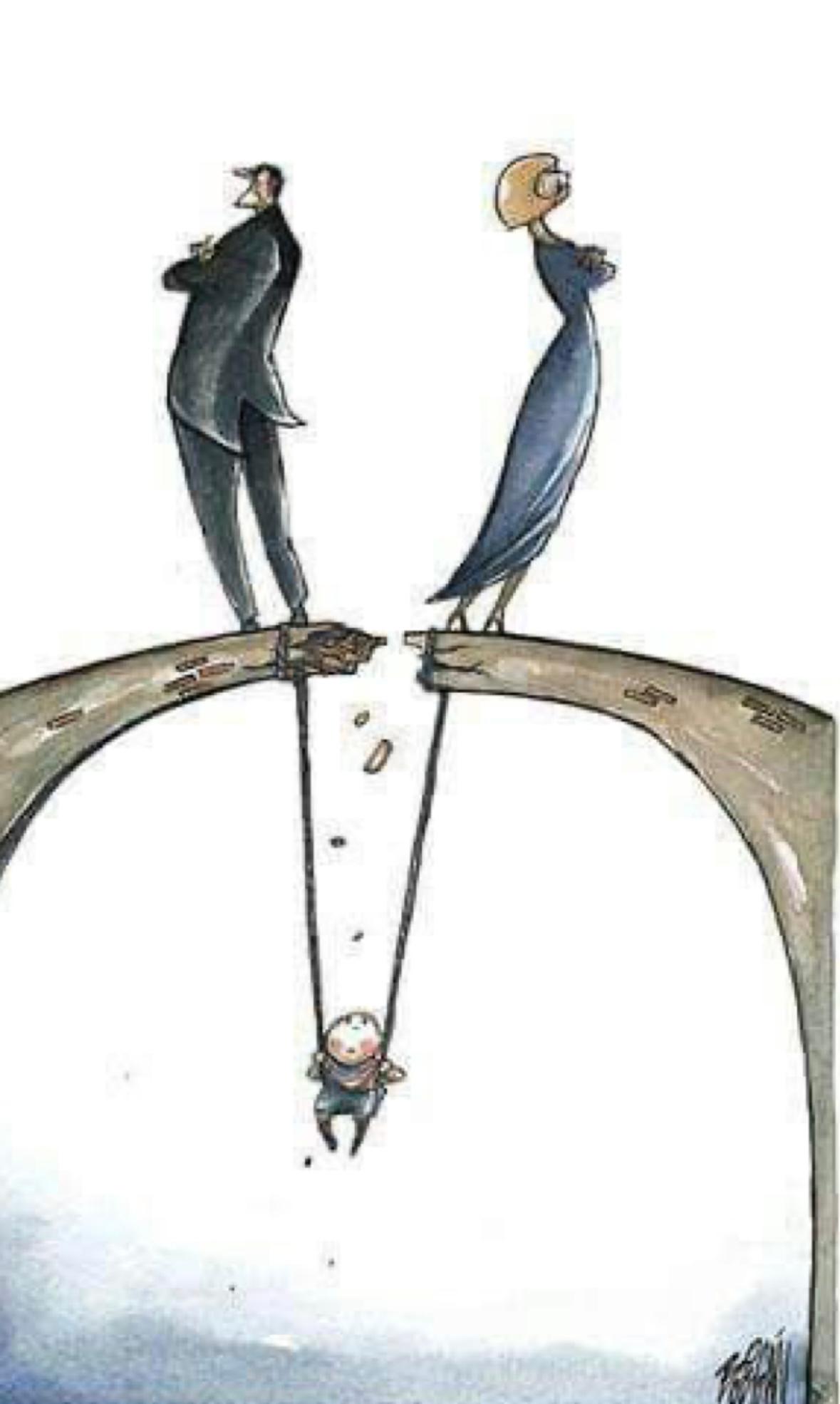
Parenting despite the internet: on the conflict of loyalty
Parenthood, at its core, embodies the spirit of mutual support that is naturally expected in the shared journey of life. In contrast, practicing parenting despite the presence of someone who acts against you and drains your reserves through hostility is among the most difficult conditions a person must manage and overcome in life. Being immersed in such a parenting experience evokes in a person a profound sense of misfortune that transcends all other hardships. For raising and nurturing a living
EN
Ayşenur Kamal
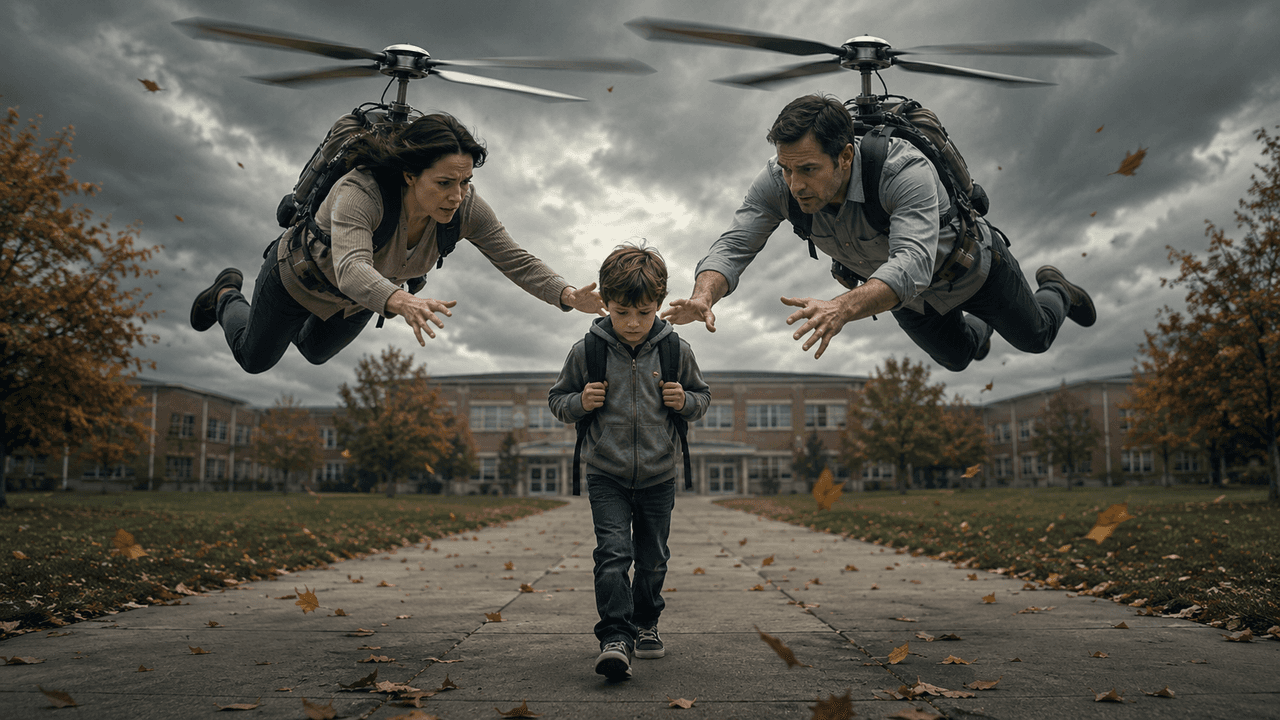
Helicopter Parenting
Helicopter parenting; is a concept describing a parenting style characterized by excessive focus on children’s lives, constant planning on their behalf, immediate intervention in every problem, and denial of autonomy for children to act independently. The term was first used in 1969 by psychotherapist Haim Ginott, after a teenager compared his mother to a helicopter constantly circling above him. 【1】Today, this concept is also referred to by different names depending on the intensity and nature
ENNida Üstün
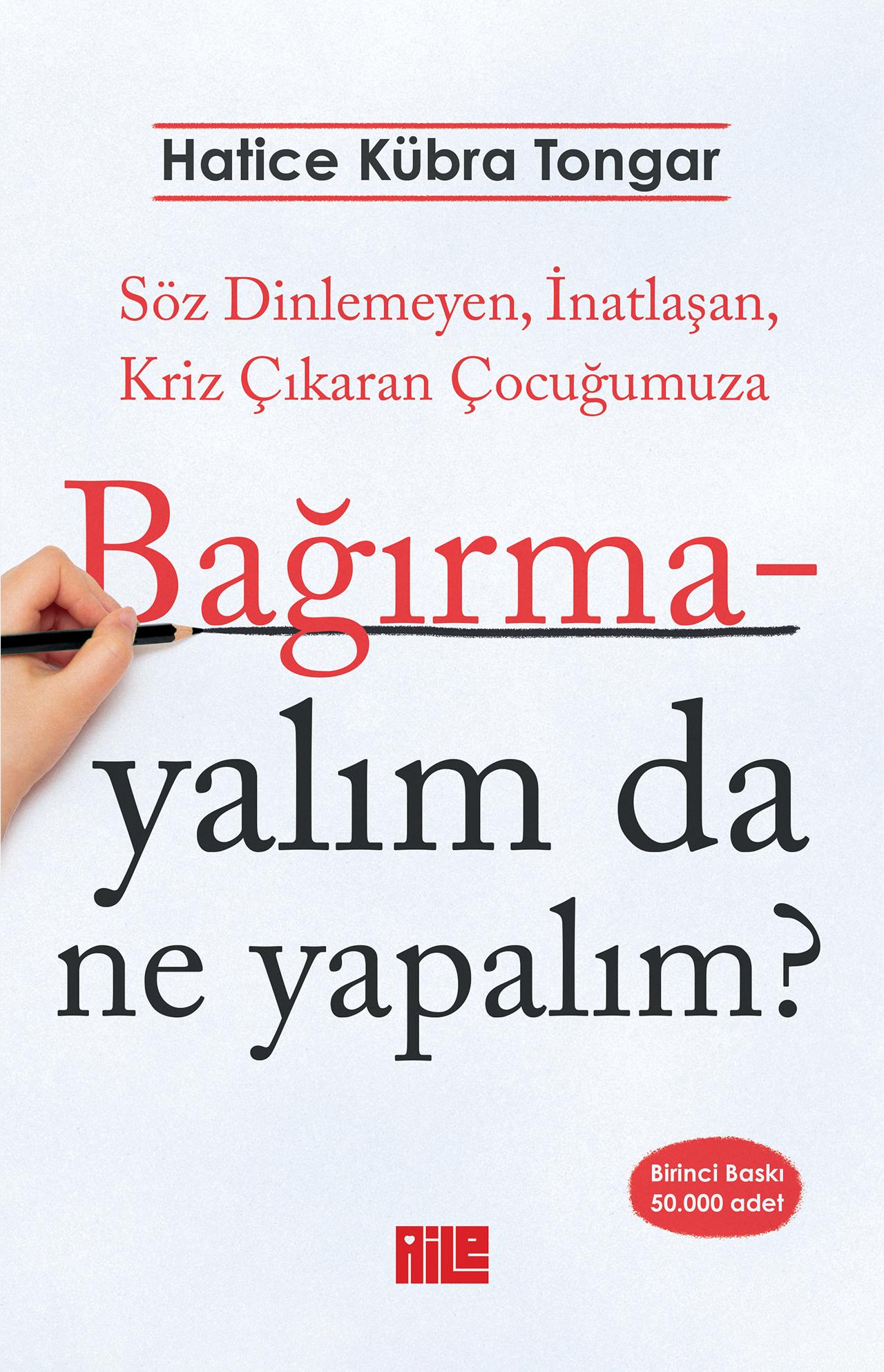
Shall We Not Shout? What Else Can We Do? (Book)
Let’s Not Shout—Then What Should We Do? is a book that centers on the challenges of parenting and anger management, written within the frameworks of both modern psychology and traditional values. The author explores the underlying causes of shouting at children, demonstrating how this behavior not only harms the child but also undermines the parent’s own self-awareness. While examining the psychological, pedagogical, and spiritual dimensions of shouting, the book offers practical suggestions for
EN
Mesut Akbaba
 Re
ReReverse Psychology
Reverse psychology involves advocating for the opposite of the desired behavior. In this case, the target audience is typically expected to do the opposite of what is told to them. This strategy is based on the reactance theory, introduced by Jack Brehm in the 1960s. Reactance refers to the tendency of individuals to resist when they feel their freedoms are being restricted. History and Origins of Reverse Psychology Reverse psychology is a concept that has evolved over time, representing a strat
EN
Ahsen Buyurkan

Children's Drawings: A Piece of Paper, a Pen, and Thousands of Unspoken Emotions
When you give a child paper and a pencil, what emerges is not merely a drawing. Those lines, those colors, those arrangements are in fact a map of the child’s emotions, fears, and hopes—things they cannot yet express in words. Young children cannot articulate their feelings in sentences the way adults do. Instead of saying “I feel insecure today,” they might draw a tiny house or forget the windows. Instead of saying “I feel alone in my family,” they position themselves in the corner of the famil
ENNida Üstün