

`compassion` Related Article Results

Compassion Fatigue
Compassion Fatigue is a state of physical, emotional, mental, and spiritual exhaustion that arises in professionals who care for individuals experiencing pain, trauma, or need for assistance, as a result of prolonged and intense exposure to their suffering. This condition is also described in the literature by terms such as “empathy fatigue,” “compassion fatigue,” “secondary traumatic stress,” and “vicarious trauma,” and is defined as the emotional cost of caring (cost of caring). History The co
EN
Ayşe İkbal Özsakın

Nursing Profession
Nursing = Compassion + Knowledge + Ability to Help (Generated by artificial intelligence.) 👩⚕️ What Is Nursing? 🩺 Nurses assist patients: They administer medication, take body temperature, give injections, and help patients feel better. 👂 Nurses are good listeners: They carefully listen to patients’ concerns and understand their needs. 👨⚕️ They work with doctors: They implement treatment plans and support patient recovery. 🏥 They work in various settings: They can be employed in hospitals
EN
Veli Orhun Seyhan

Compassion Fatigue
Compassion Fatigue is a state of physical, emotional, mental and spiritual exhaustion that develops in professionals who care for individuals experiencing pain, trauma or need for assistance, as a result of continuous and intense exposure to their suffering. This condition is also described in the literature using terms such as “empathy fatigue,” “compassion fatigue,” “secondary traumatic stress” and “vicarious trauma,” and is defined as the emotional cost of caring (cost of caring). History The
ENAyşe İkbal Özsakın

Kuyucaklı Yusuf
Recently, I read the book Kuyucaklı Yusuf. Written by Sabahattin Ali, it deeply affected me both emotionally and intellectually. In particular, this book helped me better understand how compassion shown between people can transform a life. The story centers on Yusuf, who loses both his mother and father at a young age. After enduring great suffering, Kaymakam Salahattin Bey adopts him and raises him as his own. Throughout the narrative, Yusuf’s quiet, introverted yet strong character stands out.
ENMelisa Yıldırım
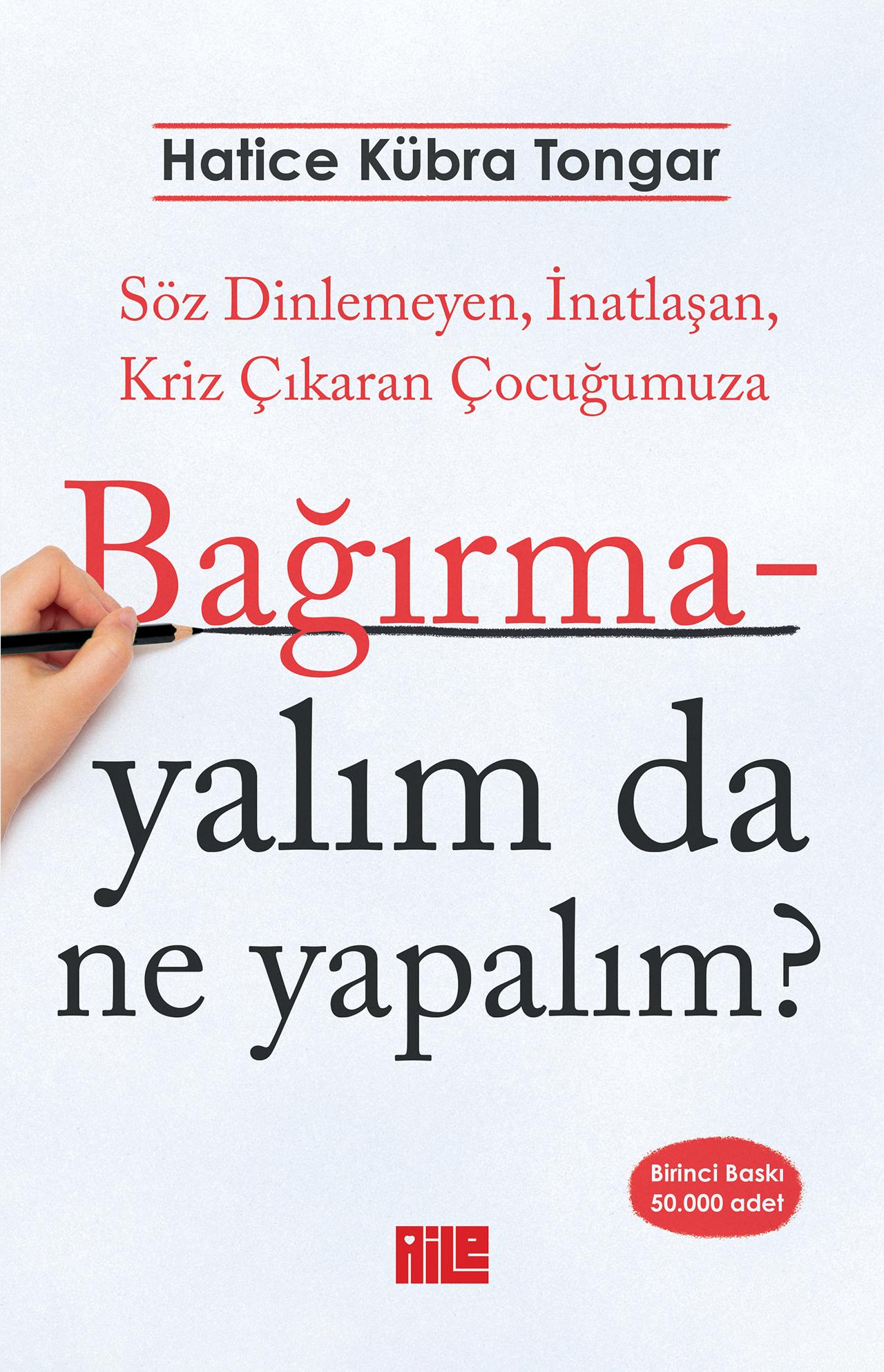
Shall We Not Shout? What Else Can We Do? (Book)
Let’s Not Shout—Then What Should We Do? is a book that centers on the challenges of parenting and anger management, written within the frameworks of both modern psychology and traditional values. The author explores the underlying causes of shouting at children, demonstrating how this behavior not only harms the child but also undermines the parent’s own self-awareness. While examining the psychological, pedagogical, and spiritual dimensions of shouting, the book offers practical suggestions for
EN
Mesut Akbaba
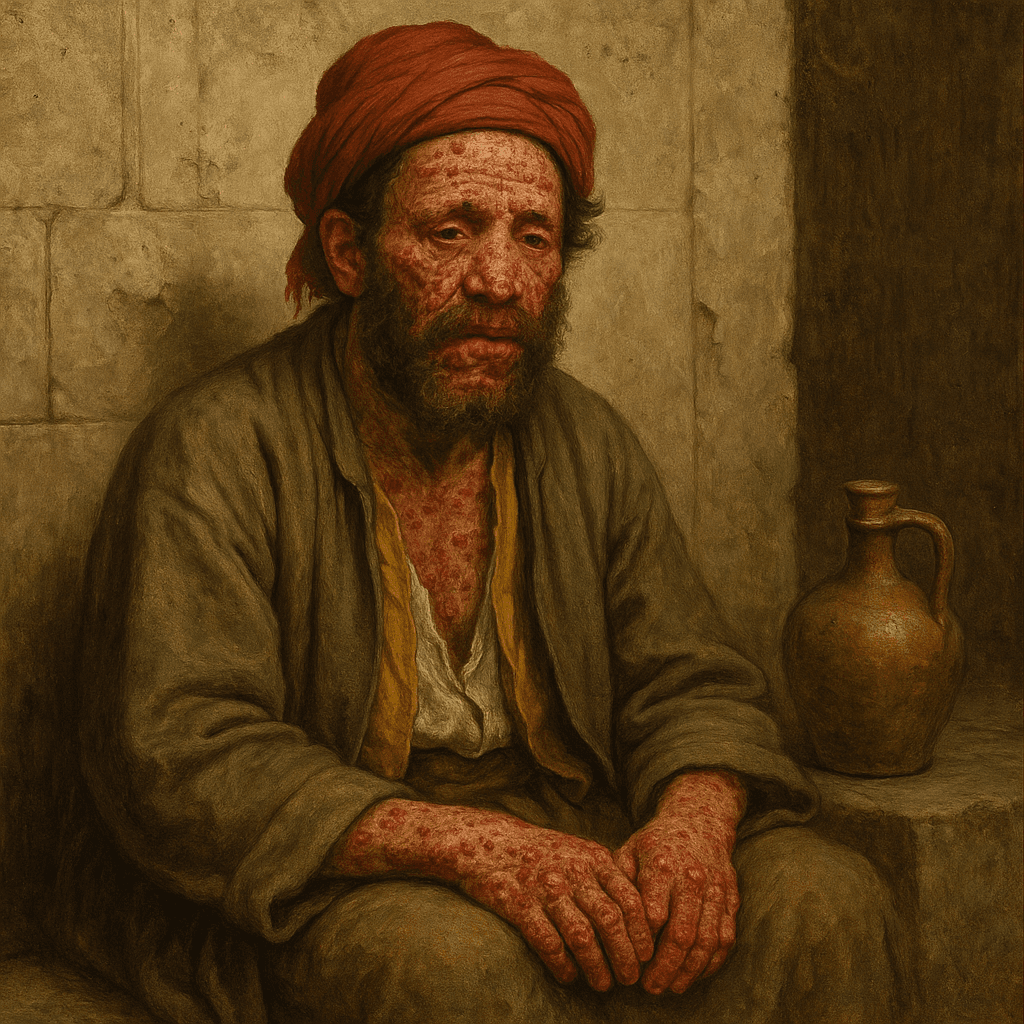
Leprosy in the Ottoman Empire
Leprosy, also known in medical literature as Hansen’s Disease, is one of the oldest infectious diseases known to human history. The earliest records of this disease appear even in the cuneiform texts of ancient Mesopotamia. Medical studies in Anatolia aimed at diagnosing and treating leprosy began in the early Seljuk period with the work of Kutbeddin-i Şirazi titled “Risale fi Baras.” This indicates that the Ottoman Empire’s approach to leprosy was shaped upon an existing foundation of medical k
EN
Muhammet Emin Göksu
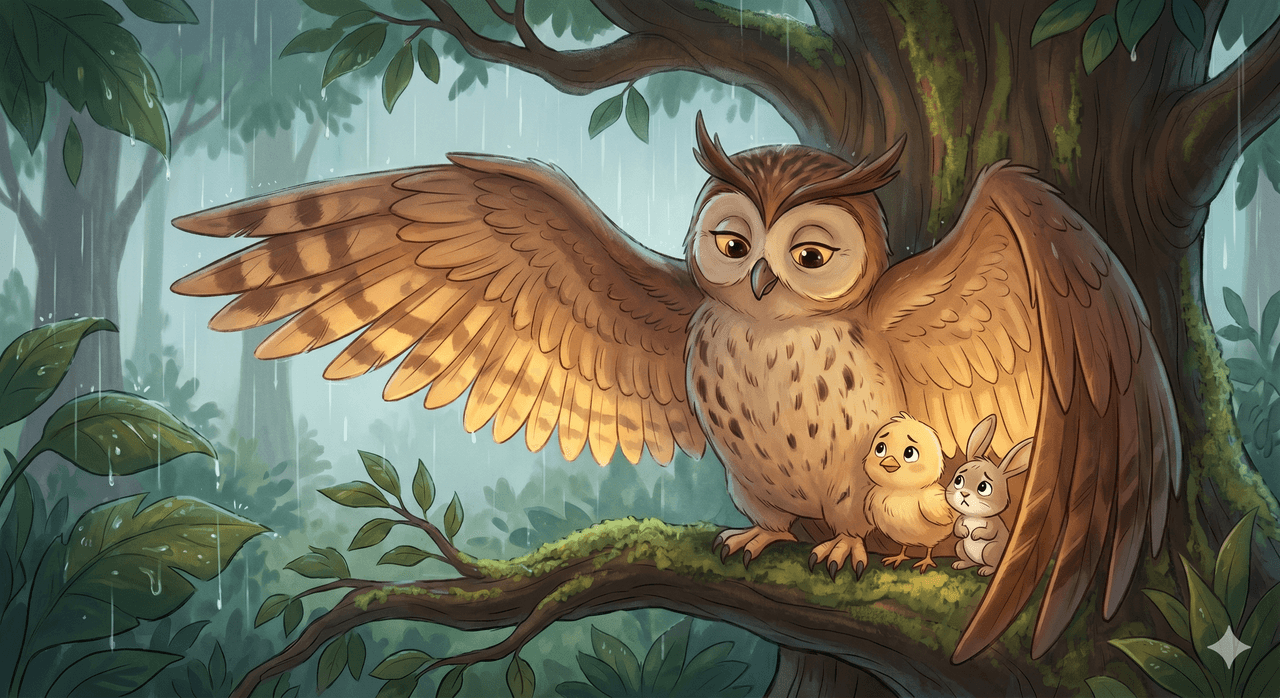
To Subjugate Under the Wing
"Kanadı altına almak" is a beautiful and meaningful expression that means to protect, care for, and shelter someone under your own guardianship, keeping them away from danger. Have you ever thought about how, on a rainy and cold day, a mother bird spreads her feathered wings wide over her chicks to shield them from getting wet? This expression perfectly captures that warm sense of compassion, protection, and trust. In our lives too, there are people who approach us with love, shielding us from d
EN
Şehrinaz İrem Canbaba

World Street Animals Day
Stray animals are our loyal neighbors whom we encounter every day in our neighborhoods, parks, or on the way to school. To improve their living conditions and raise awareness about them, every year April 4 is observed as World Stray Animals Day. Young people caring for stray animals (Image generated by artificial intelligence). " image-element-format="right" image-height="768" image-source="https://cdn.t3pedia.org/media/uploads/2026/03/31/DAMakkzrTmPlX0CCfhYw9jXh0tCXOGmK.png" image-width="1408"&
EN
Nida Öztürkmen