


This article was automatically translated from the original Turkish version.
+1 More
The Proto-Turks are ancient communities that emerged in the vast steppes of Asia from the 3rd millennium BCE and are regarded as the ancestors of Turkic peoples. These earliest groups of Central Asia are characterized by elements such as pastoralism, nomadic life and iron usage during the prehistoric period. This culture, incorporating influences from both settled and nomadic populations, laid the foundations for later Turkic civilizations.
In the dictionary of the Turkish Language Association (Türk Dil Kurumu), the term “proto” is used to mean “first,” “initial” or “earliest stage.” Of Latin origin, proto denotes the earliest form or the starting point of an evolution. In scientific and academic contexts, it is widely used to describe the oldest phases of a language, culture or community.
For example:
Proto-Turkic: The ancestors of Turkic peoples or the earliest stage of Turkic cultures.
Proto-language: The earliest evolutionary form of a language.
In short, proto is a prefix used to denote the fundamental, initial or earliest stage of something.
The culture of the Proto-Turks was shaped by the harsh conditions of their geographic environment, resulting in a structure deeply intertwined with nature. In this context, nomadic lifestyle, equestrian warrior societies and mastery of iron use are the most defining elements of Proto-Turkic cultural structures.
Nomadic Lifestyle and Social Structure: Nomadic life directly shaped the social structure of the Proto-Turks. This way of life established the infrastructure for later transitions to settled societies. During this period, the domestication of horses and the processing of iron influenced both daily life and social relationships. Particularly, equestrian life became a determining factor in shaping warrior culture and social status.
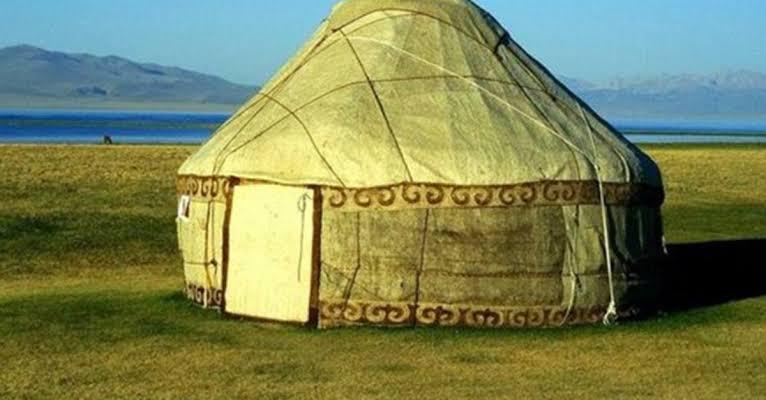
Culture of the Proto-Turks - Nomadic Lifestyle
Animal Figures and Relationship with Nature: The art of the Proto-Turks established a deep connection with nature. Animal motifs, especially those of the horse, deer and bird, hold a significant place in this culture’s artistic expression. These figures were used both in daily life and in religious and cultural contexts. Particularly in kurgans found in the Altai region, artworks decorated with animal motifs have been discovered.
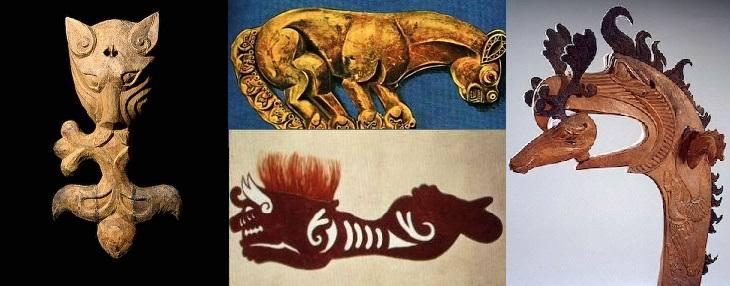
Art of the Proto-Turks - Animal Style
Metallurgy and Craftsmanship: Metallurgy is one of the fundamental elements of the Proto-Turks’ artistic achievements. They advanced in copper, iron and gold craftsmanship, producing weapons, jewelry and everyday objects. This craftsmanship held great importance both practically and aesthetically. Artifacts found in kurgans and burial sites reveal the extent of the Proto-Turks’ skills in this field.
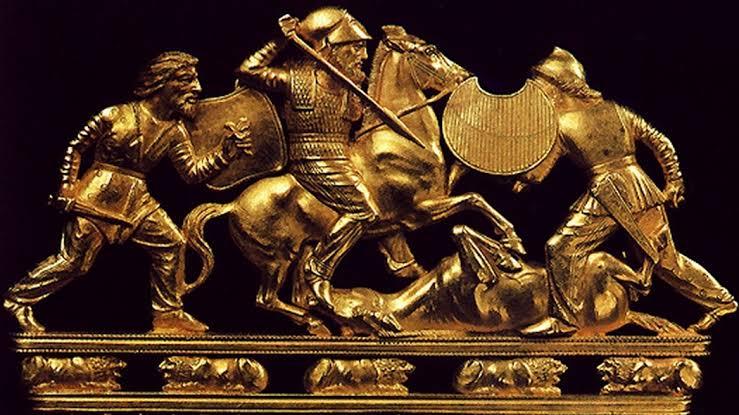
Art of the Proto-Turks - Metallurgy
The art of the Proto-Turks is filled with elements reflecting their worldview, beliefs and attachment to nature. Art was not merely an aesthetic activity but also a means of expressing their cultural identity.
Kurgans and Burial Art: The Proto-Turks adorned the kurgans used for burying their dead with rich grave goods and artistic objects. These kurgans reflect their beliefs about afterlife and their artistic sensibilities. The gold and iron artifacts found in kurgans demonstrate the high level of aesthetic and craftsmanship development in this society.
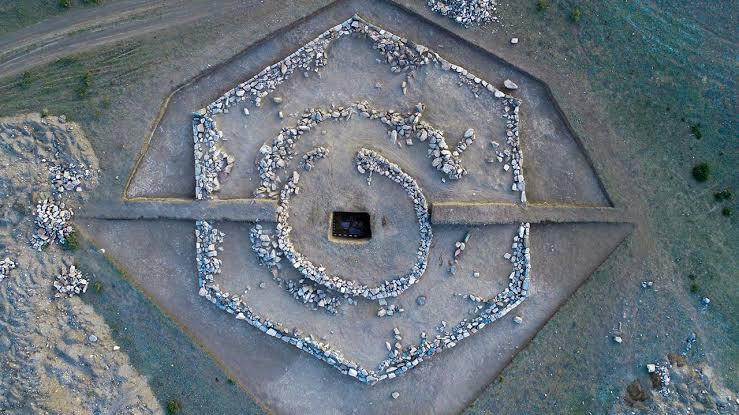
Art of the Proto-Turks - Kurgan
Weaving and Textiles: Parallel to their nomadic lifestyle, the Proto-Turks developed great skill in weaving and textiles. Felt tents, carpets and various textile products were important components of Proto-Turkic culture, serving both aesthetic and practical functions.
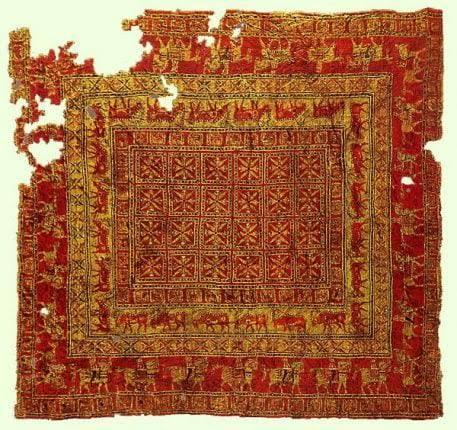
Art of the Proto-Turks - Weaving and Textiles
The Proto-Turks adopted a lifestyle in harmony with nature in the steppes of Central Asia, and this way of life became deeply embedded in their culture and art. Elements such as animal motifs, nomadic lifestyle, metallurgy and weaving reflect both their aesthetic sensibilities and practical needs. This cultural and artistic heritage illuminated the development of later Turkic civilizations and laid the foundations of modern Turkish culture.
Aydın, S. Türk Kültür Tarihi. İstanbul: Türkiye İş Bankası Kültür Yayınları, 2005.
Deveci Bozkuş, Yıldız. “İslamiyet Öncesi Dönemin Türk Kültür ve Uygarlığına Genel Bir Bakış.” *Afyon Kocatepe Üniversitesi Sosyal Bilimler Dergisi*, 2022. https://dergipark.org.tr/en/download/article-file/1376319.
Ergin, M. Türk Dilinin Gelişimi ve Kültürel Süreçleri. Ankara: Türk Dil Kurumu Yayınları, 2009.
Kök, Elif. “İslam Öncesi Türk Sanatı Literatürü.” DergiPark, 2009. https://dergipark.org.tr/tr/download/article-file/653593.
Uğurlu, N. Proto-Türk Kavimleri: Türk Adını Alan Türkler. İstanbul: Örgün Yayınları, 2013.
Uğurlu, Nurer. Proto-Türk Kavimleri: Türk Adını Alan Türkler. 1. Baskı. Örgün Yayınevi, 2013.

No Discussion Added Yet
Start discussion for "Proto-Turks: Culture and Art" article
Culture
Art