


This article was automatically translated from the original Turkish version.
+1 More
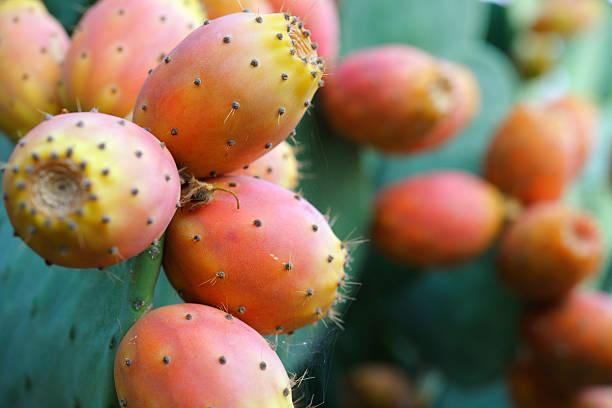
Prickly Fig
Scientific Name | Opuntia Ficus-indica | ||||||||
|---|---|---|---|---|---|---|---|---|---|
Family | Cactaceae | ||||||||
Origin | Central and South America | ||||||||
Growing Regions | Mediterranean, Aegean, North Africa, Mexico | ||||||||
Uses | Industry Medicine Food Agriculture | ||||||||
Benefits | Antioxidant, digestive aid | ||||||||
Alternative Names | Prickly pear, Indian fig, Nipple cactus | ||||||||
Prickly pear (Opuntia ficus-indica) is a plant species belonging to the cactus family (Cactaceae). Particularly thriving in hot and arid regions, prickly pear is an economically and agriculturally important species due to its fruit and leaves. It is also known among the public by names such as "French fig," "Indian fig," and "mother-in-law's tongue."
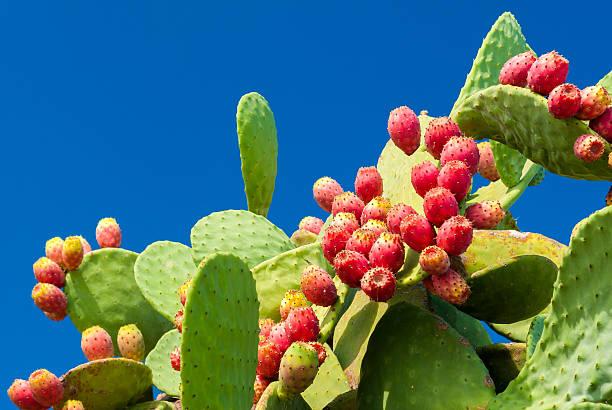
Prickly pear (Generated by artificial intelligence.)
Prickly pear is a cactus species with thick, fleshy stems. The plant’s stems and branches are flattened and composed of green, flat structures called "cladodes." These structures are capable of performing photosynthesis. The fruit is oval or pear shaped with a spiny outer surface. Its color may vary between yellow, orange, red, and purple. The interior is juicy and seeded, with a sweet flavor.
Prickly pear is a resilient plant that tolerates hot and arid climatic conditions. It exhibits optimal growth in temperate and subtropical climate zones. Due to its drought resistance, it can be cultivated in areas with water scarcity. It prefers sandy, well-drained soils and can thrive across a wide temperature range of 5 to 40°C.
Prickly pear is an economically significant fruit species worldwide. It is commercially cultivated especially in Mediterranean countries, South America, Africa, and the Middle East. In Türkiye, it is primarily grown in the Mediterranean, Aegean, and Southeast Anatolia regions. The fruit is consumed fresh and is also used in the production of jam, fruit juice, and syrup. Additionally, it is utilized as animal feed and in the pharmaceutical industry.
The fruit of the prickly pear is a nutritious fruit rich in water, fiber, and vitamins. It is abundant in vitamins A, B, and C and supports the immune system due to its antioxidant properties. The fiber content aids digestion and promotes intestinal health. Prickly pear is also known to have blood sugar-regulating and cholesterol-lowering effects. In traditional medicine, it is used to treat digestive disorders and inflammations.
Food Industry: Used in the production of fresh fruit, jam, marmalade, fruit juice, vinegar, and liqueur.
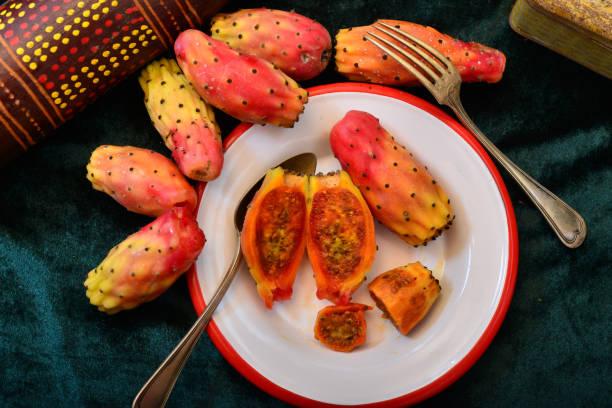
Prickly pear (Generated by artificial intelligence.)
Medicine and Health: Used in both traditional and modern medicine due to its antioxidant properties.
Livestock: The stems and leaves of the plant are used as feed for cattle and small ruminants.
Cosmetics and Skincare: Preferred in the cosmetics industry due to its skin-regenerating and moisturizing properties.
Agriculture and Environmental Protection: Commonly used to prevent soil erosion and as a hedge plant.
Prickly pear is native to the American continent. However, it has become adapted to many regions of Africa, Asia, and Europe, especially the Mediterranean region. In Türkiye, it is primarily cultivated in cities such as Adana, Mersin, Antalya, İzmir, and Şanlıurfa.
Dumanoğlu, Zeynep, Ümral Güzel, and Atilla Çakır. "Doğu Akdeniz Bölgesinde Yetişen Dikenli İncir (Opuntia Ficus-Indica L.) Tohumlarının Bazı Fiziksel Özelliklerinin Belirlenmesi Üzerine Bir Araştırma." Türk Doğa ve Fen Dergisi 9, special issue (2020): 28-33. Accessed April 4, 2025.
Sert, Taliye, Fatma Koyuncu, Sultan Filiz Güçlü, and Funda Özüsoy. "Muğla Yöresinden Selekte Edilen Dikenli İncir (Opuntia ficus-indica L.) Genotiplerinin Agromorfolojik ve Pomolojik Karakterizasyonu." KSÜ Tarım ve Doğa Dergisi 10, no. 5 (2023): 45-60. Accessed April 4, 2025.

Prickly Fig
Scientific Name | Opuntia Ficus-indica | ||||||||
|---|---|---|---|---|---|---|---|---|---|
Family | Cactaceae | ||||||||
Origin | Central and South America | ||||||||
Growing Regions | Mediterranean, Aegean, North Africa, Mexico | ||||||||
Uses | Industry Medicine Food Agriculture | ||||||||
Benefits | Antioxidant, digestive aid | ||||||||
Alternative Names | Prickly pear, Indian fig, Nipple cactus | ||||||||
No Discussion Added Yet
Start discussion for "Prickly pear (Opuntia ficus-indica)" article
Botanical Characteristics
Growth Conditions and Ecology
Economic and Agricultural Importance
Nutritional Value and Health Significance
Applications
Distribution and Production