

`food` Related Article Results

Walnut
Walnut is the name for several trees of the family Juglandaceae, primarily Juglans regia, and their hard-shelled fruits. It is considered native to a region encompassing Southeast Europe and western Central Asia; its natural range is uncertain due to its long history of cultivation as a crop, dating back many centuries. Juglans regia is also known as “English walnut” or “Acem walnut”. It is cultivated as a commercial crop in temperate regions worldwide and has hundreds of different cultivars. Bo
EN
Oktay Buzluk
 TÜ
TÜTÜİK 2025 Inflation Data
The Consumer Price Index (CPI) is an economic indicator published by the Turkish Statistical Institute (TÜİK) that measures the average change in prices over time in a basket of goods and services purchased by consumers. The CPI is the primary statistical reference used to determine the direction and trend of inflation in Türkiye. CPI data are shared with the public in the first week of each month, covering price changes from the previous month. The index includes prices of goods and services ac
EN
Hamza Aktay
BoBomb Calorimeter
Bomb calorimeter is a laboratory instrument that measures the heat energy released by the combustion of solid or liquid samples and calculates the energy value of the sample based on these measurements. This method, also used to determine the energy content of foods, was developed in the 1900s in the United States by Dr. W. O. Atwater. Determining energy value is important for fuel quality energy efficiency optimization of production processes and environmental analysis. History The determinatio
EN
Nursena Güller
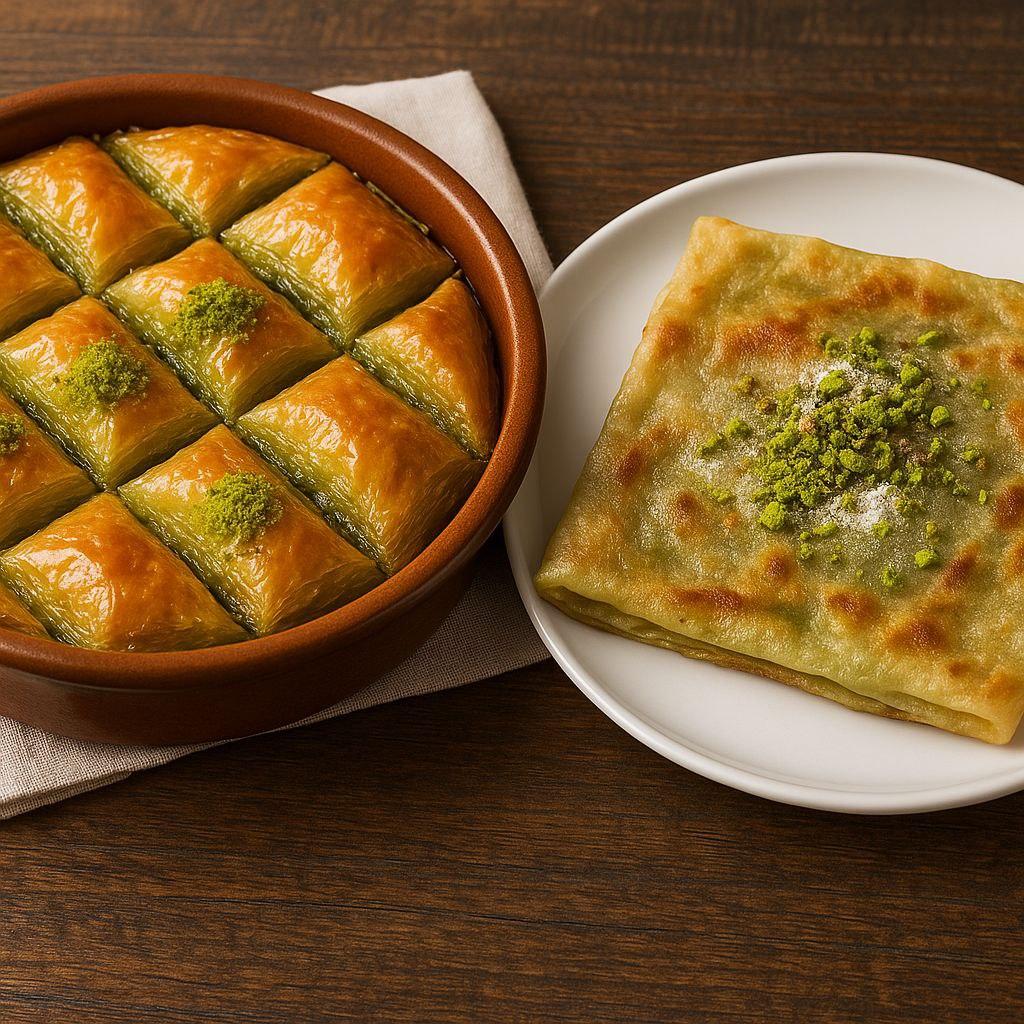
Gaziantep Culinary Culture
Gaziantep is a city located in the southeast of Anatolia, renowned for its rich culinary tradition. According to UNESCO, Gaziantep has a long gastronomic history stretching back to the Iron Age, and today approximately 60 percent of its population works in the food sector, with its cuisine forming the foundation of the local economy. Gaziantep cuisine boasts a wealth of around 400 to 500 unique dishes, highlighting local ingredients such as meat, pistachios from Gaziantep, and dried vegetables s
EN
Fatma Alpaslan
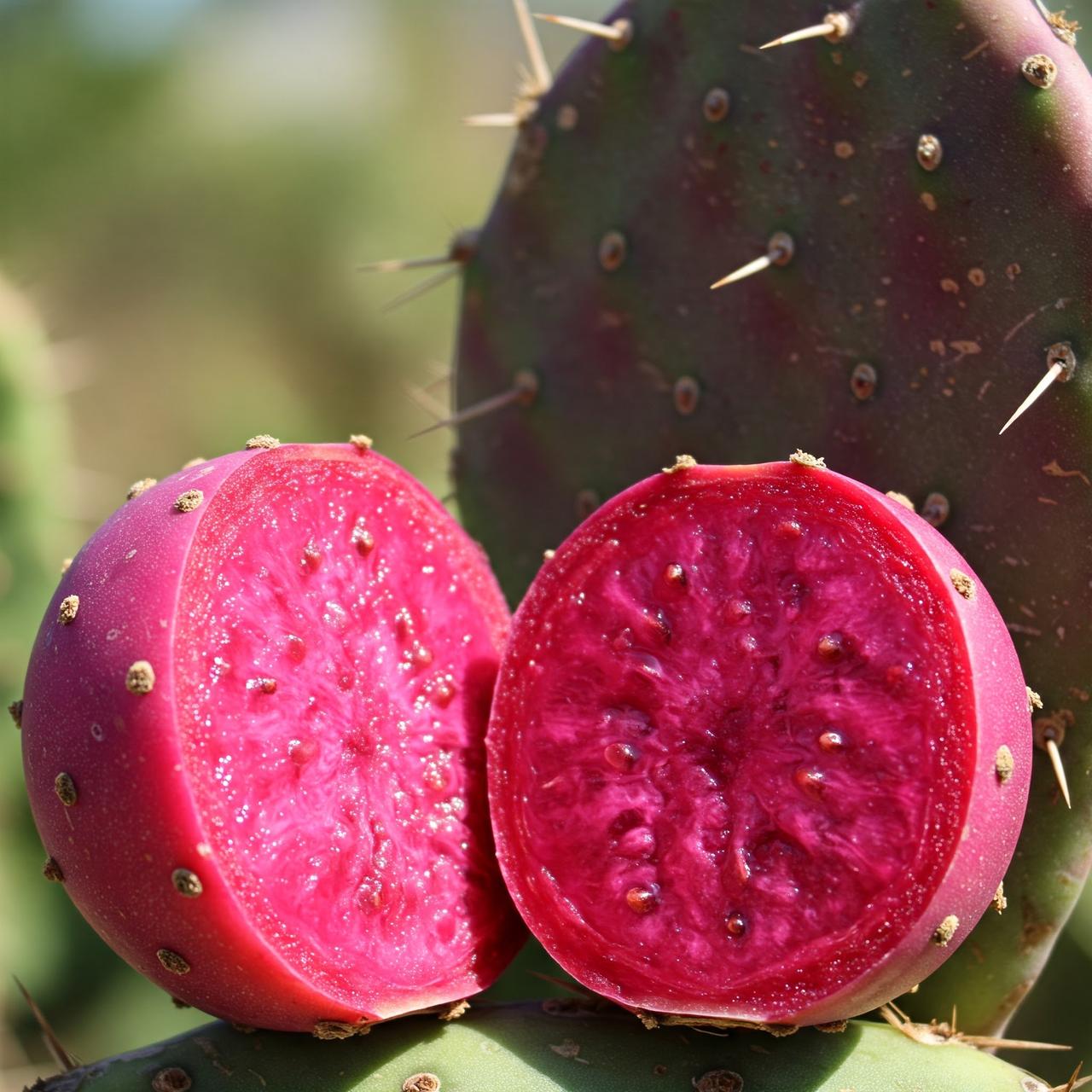
Prickly pear (Opuntia ficus-indica)
Prickly pear (Opuntia ficus-indica) is a plant species belonging to the cactus family (Cactaceae). Particularly thriving in hot and arid regions, prickly pear is an economically and agriculturally important species due to its fruit and leaves. It is also known among the public by names such as "French fig," "Indian fig," and "mother-in-law's tongue." Botanical Characteristics Prickly pear is a cactus species with thick, fleshy stems. The plant’s stems and branches are flattened and composed of g
EN
Halil Ibrahim Gül
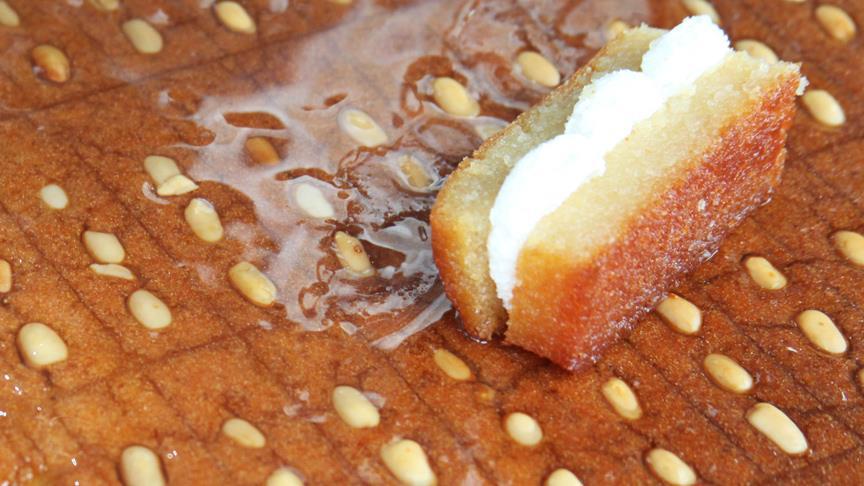
Şambali
İzmir Şambalisi is a traditional dessert made with semolina, sugar, and milk or yogurt, sweetened with syrup poured over it. This product, distinguished by its unique production method and flavor profile specific to the İzmir region, has been officially registered as a geographical indication by the Turkish Patent and Trademark Office. As a protected geographical indication, İzmir Şambalisi is one of İzmir’s important gastronomic and cultural values. Geographical Indication Registration İzmir Şa
EN
Emine Beyza Yiğittürk
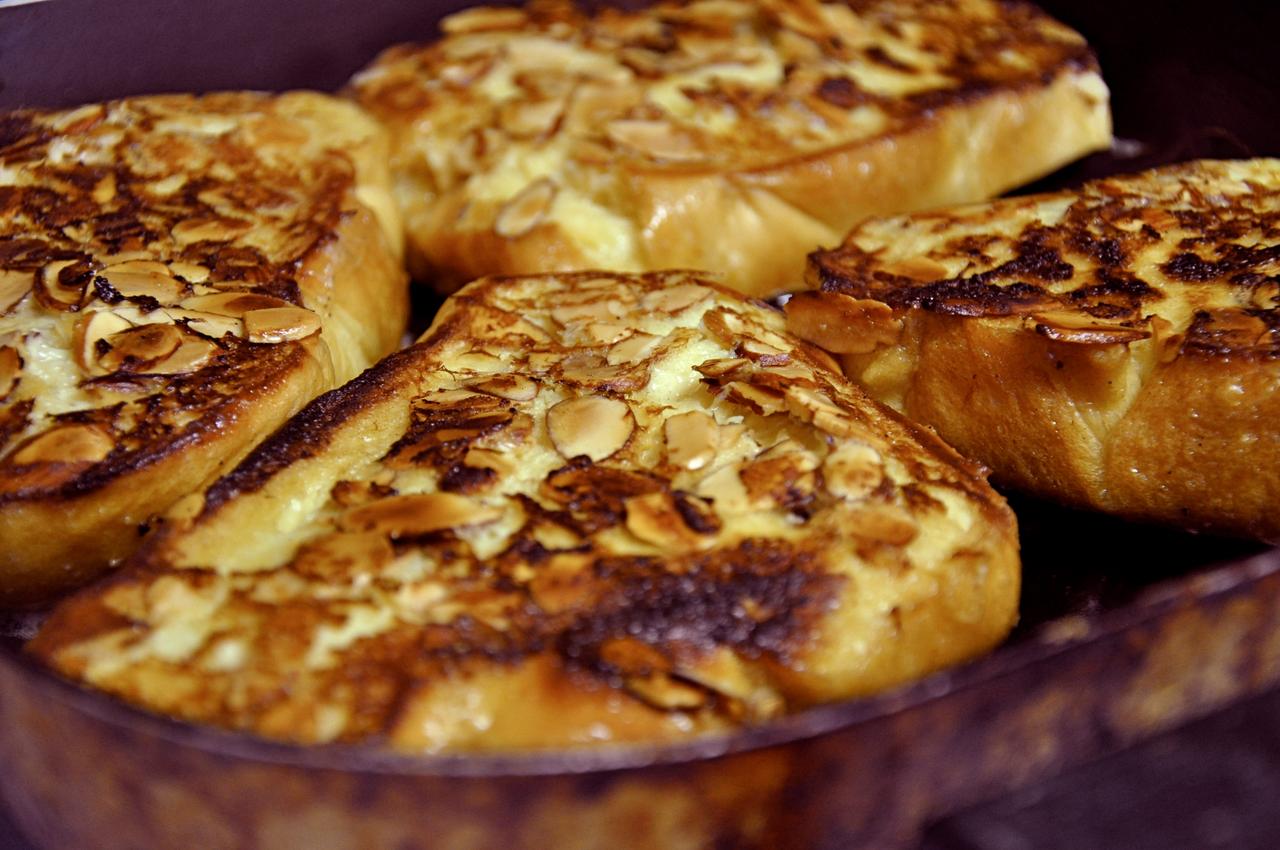
Pain Perdu
Pain Perdu is a traditional dish prepared by soaking stale bread in a mixture of milk and eggs, then cooking it. The term, which means “lost bread” in French, describes a culinary practice that repurposes bread that has lost its freshness rather than discarding it. In this sense, Pain Perdu is regarded as a historical culinary practice based on the principle of food reuse【1】. Historical Origins Techniques involving soaking stale bread in liquid mixtures and then cooking them can be traced back t
EN
Melikcan BUDAK

Mochi
Mochi (Japanese: 餅) is a traditional and iconic sweet in Japanese cuisine. Made from glutinous rice (mochigome), mochi is especially consumed during certain times of the year in Japan, particularly during New Year celebrations. Mochi Illustration Drawn by Artificial Intelligence " image-element-format="right" image-source="https://cdn.t3pedia.org/media/uploads/2025/03/04/PIgK9D9ffdTwV2awnzG4MV52SGpYCsZN.jpeg"> History and Cultural Significance Mochi's origins date back to the Heian period (79
EN
Nurten Yalçın
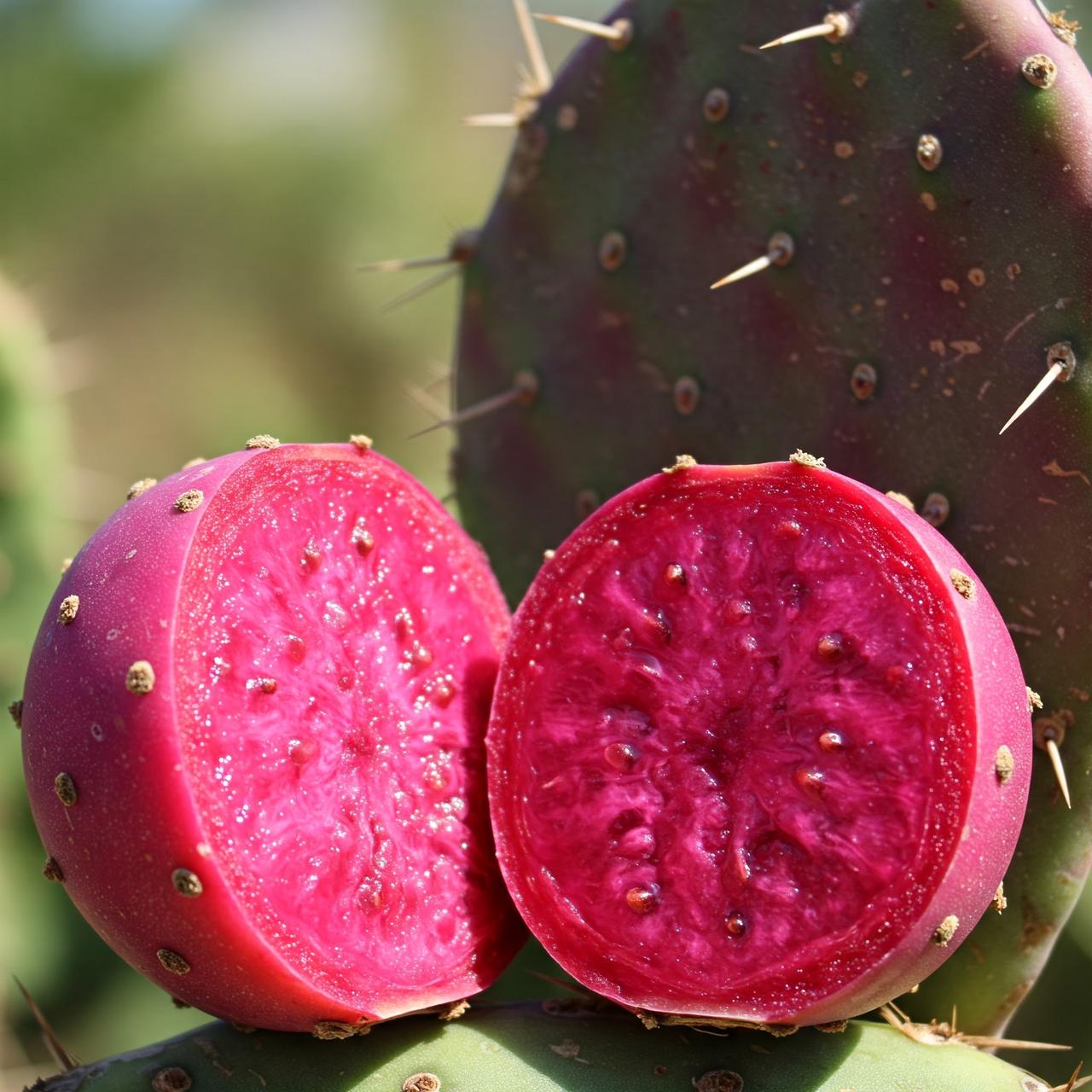
Prickly pear (Opuntia ficus-indica)
Prickly pear (Opuntia ficus-indica) is a plant species belonging to the cactus family (Cactaceae). Particularly thriving in hot and dry regions, the prickly pear is an economically and agriculturally significant species due to its fruit and leaves. It is also known by various names such as “Frank fig,” “Indian fig,” and “mother-in-law’s tongue” like. Prickly pear (Generated by artificial intelligence.) " image-alternate="" image-element-format="right"> Botanical Characteristics The prickly pe
EN
Halil Ibrahim Gül

Antalya Onion
Antalya piyazı is a traditional dish unique to Antalya Province on Türkiye’s Mediterranean coast, distinguished by its own distinctive preparation technique and officially registered with a geographical indication. This special variety of piyaz, whose origins date back approximately a century, has become one of the most recognized and beloved flavors of Antalya cuisine. While in other regions of Türkiye “piyaz” is typically served as a salad or meze, Antalya piyazı differs significantly from the
EN
Hasan Sualp Sümer