


This article was automatically translated from the original Turkish version.
+1 More
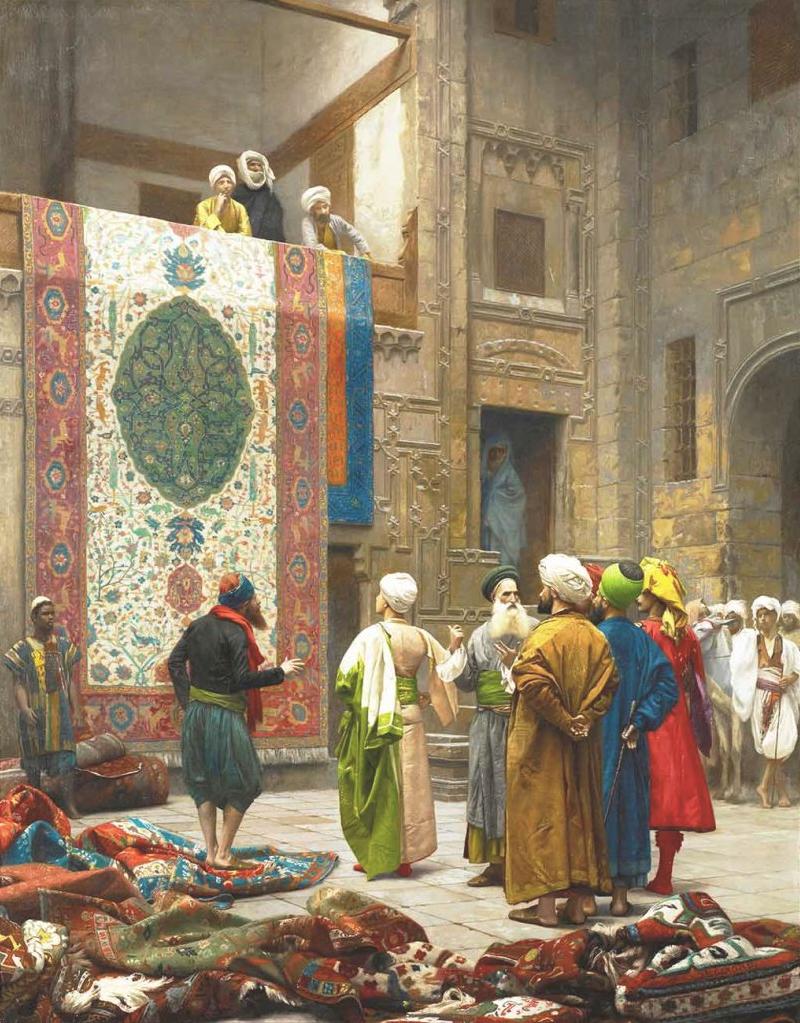
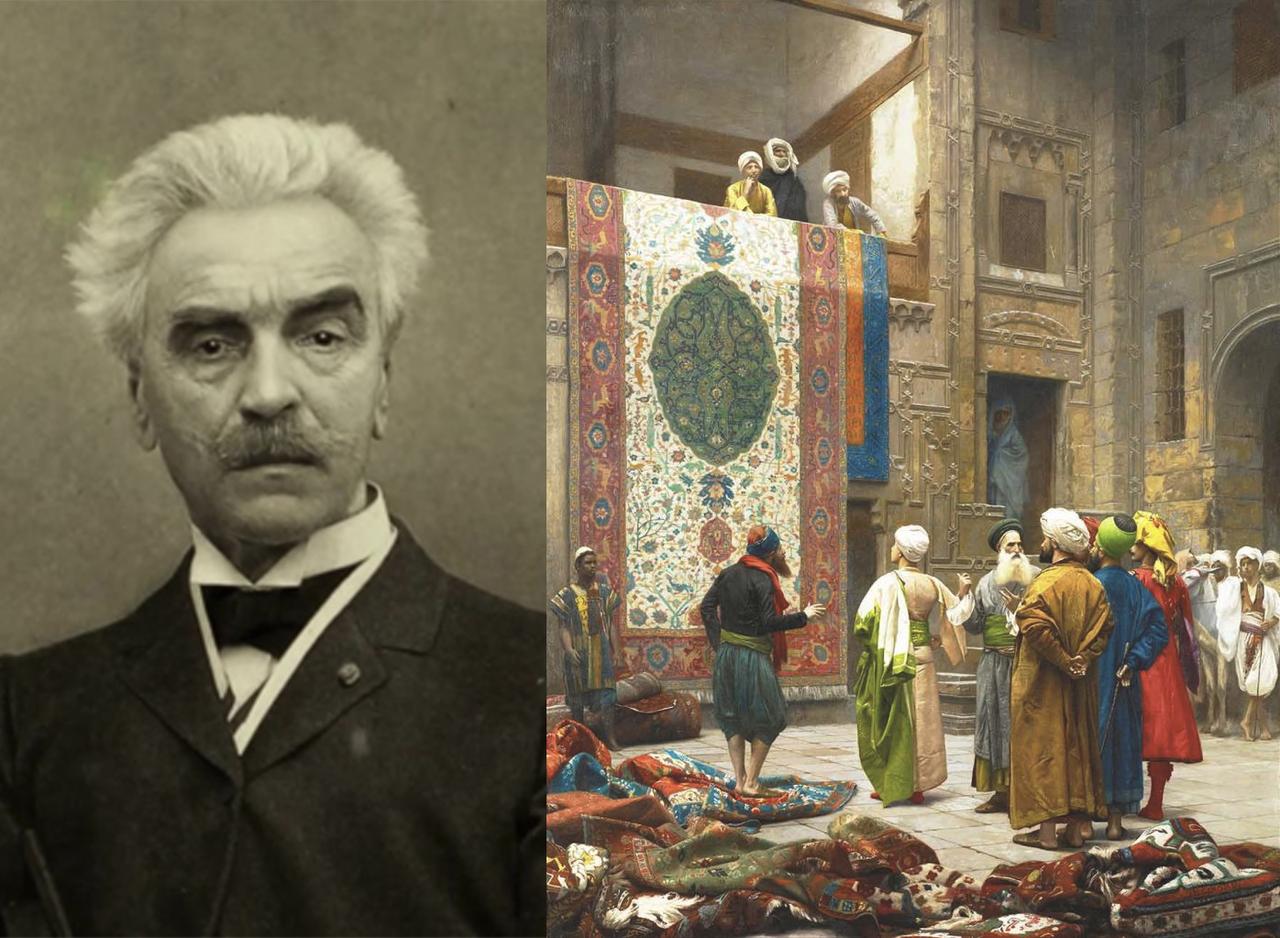
Jean Léon Gérôme and His Work The Carpet Merchant
History | 1887 | ||||||||
|---|---|---|---|---|---|---|---|---|---|
Parnassianism is a literary movement that emerged in mid-19th century France. Named after Mount Parnassus, the mythical source of inspiration for poets and artists in Greek mythology, this movement emphasized the pursuit of beauty and poeticism in art. As a reaction against the emotional excesses and individual subjectivity of Romanticism, Parnassianism adopted an objective conception of art and focused on the technical perfection of artistic creation.
In the second half of the 19th century, particularly from the 1850s onward, Parnassianism arose as a reaction against the excessive emotionalism of Romanticism. Political and social instability in France led artists to move away from personal feelings and toward a search for universal beauty. This movement was heavily influenced by Théophile Gautier’s concept of “art for art’s sake” (“l’art pour l’art”) and emphasized objectivity and formal precision in poetry. The formal birth of Parnassianism was marked by the publication in 1866 of the poetry anthology Le Parnasse Contemporain (Contemporary Parnassus), edited by Émile Blémont and Charles Leconte de Lisle. This anthology brought together works by poets who opposed the emotional excesses of Romanticism and established the core principles of Parnassianism.
class=\
Parnassianism emphasizes formal perfection and objectivity in art. In this movement, poetic expression was intended to be grounded in aesthetic order rather than emotional intensity. Poets approached artistic creation with scientific rigor and showed great care for the structure of their works. Parnassian poetry highlights the universality of beauty and art. Emotional subjectivity is avoided in favor of detailed depictions of nature and history. Artists engage with the external world through an aesthetic distance, combining concrete imagery with abstract concepts. Mythological, historical, and exotic themes are frequently explored in Parnassian works.
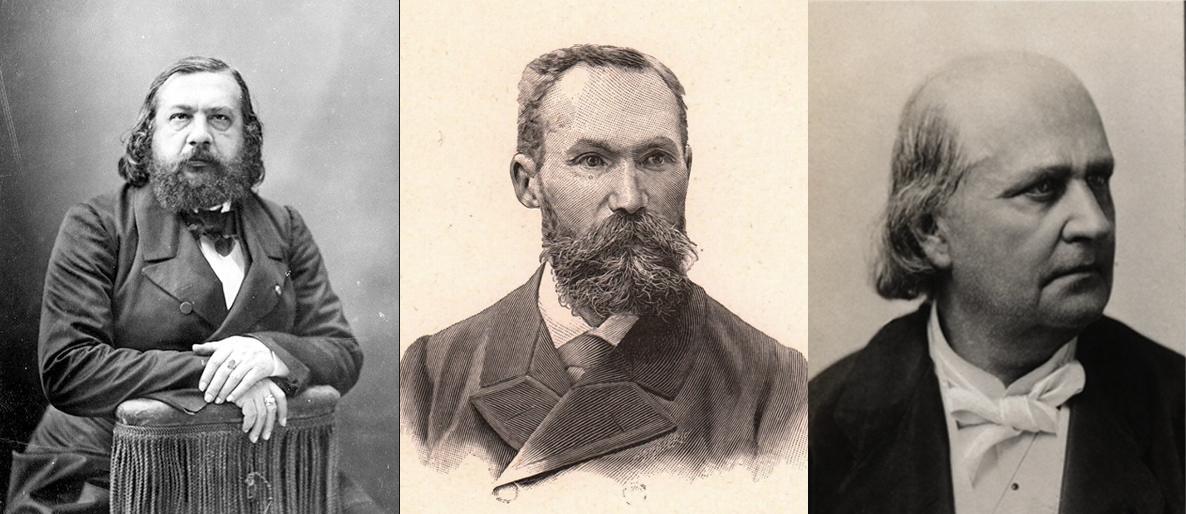
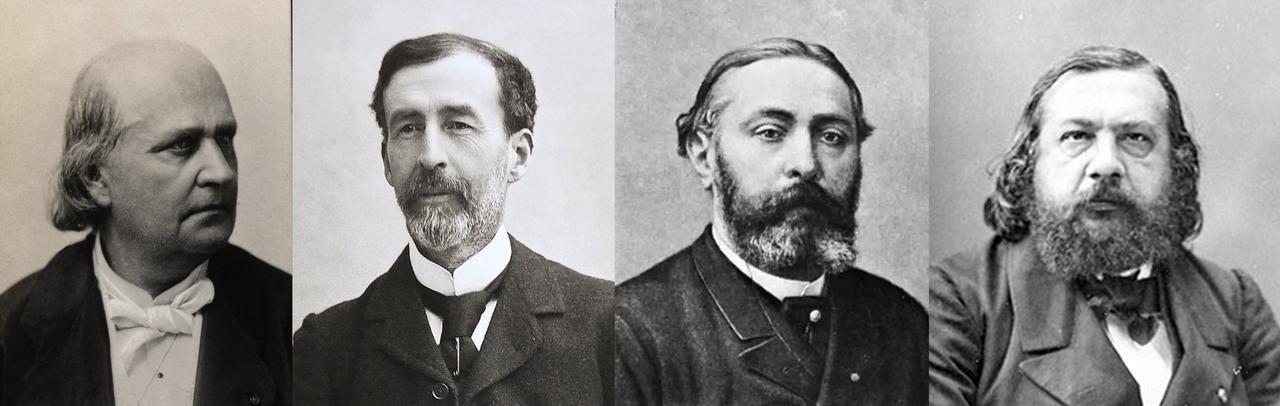
Parnassianism is a movement that highlights the formal qualities of poetry. Its principal representatives—Charles Leconte de Lisle, Théophile Gautier, Sully Prudhomme, and José Maria de Heredia—placed great importance on technical mastery and formal perfection in poetry. Through historical and mythological figures, they examined the human condition. Works such as Leconte de Lisle’s “Les Érinnyes” and “Poèmes Barbares” exemplify Parnassianism’s engagement with mythological and exotic themes. Sully Prudhomme expressed reflections on humanity and morality in a simple yet aesthetic language. Prudhomme contributed significantly to the international recognition of this movement by winning the first Nobel Prize in Literature in 1901.
class=\
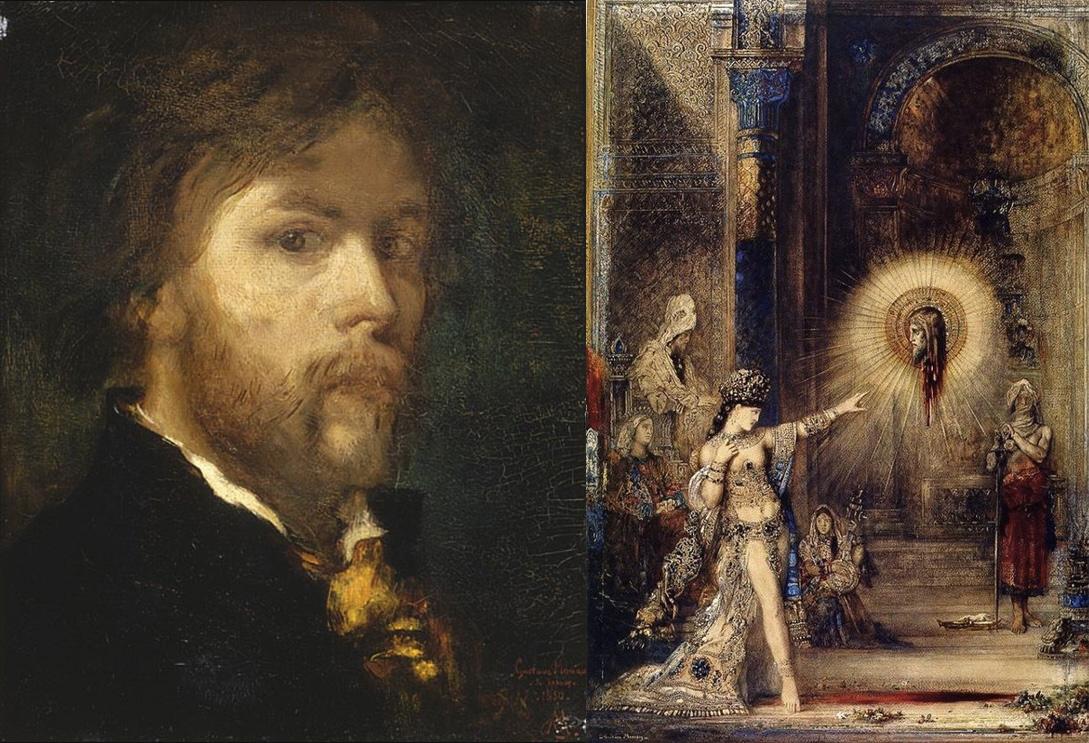
Beyond literature, Parnassianism also influenced other artistic fields. In painting and sculpture, its impact is evident in the detailed and precise representation of objects. Artists such as Gustave Moreau and Jean-Léon Gérôme transferred the aesthetic ideals of Parnassianism to the visual arts by focusing on historical and mythological subjects. In music, the influence of Parnassianism was more limited but still perceptible in its emphasis on aesthetic and structural discipline. Some composers created works aligned with the poetic aesthetics of Parnassianism by drawing on mythological themes.
class=\
class=\
Over time, Parnassianism was criticized for emotional detachment and coldness. Critics argued that the movement ignored human emotion and conflict, focusing only on aesthetic form. Nevertheless, it played an important role in the emergence of Modernism and influenced the development of movements such as Symbolism and Expressionism. The impact of Parnassianism extended beyond literature to art and aesthetic theory. It championed the idea that art possesses a universal and timeless value and encouraged artists to strive for perfection in their works.
Blémont, Émile, and Charles Leconte de Lisle, eds. Le Parnasse Contemporain. Paris: Lemerre, 1866.
Gautier, Théophile. Mademoiselle de Maupin. Paris: Charpentier, 1835.

Jean Léon Gérôme and His Work The Carpet Merchant
History | 1887 | ||||||||
|---|---|---|---|---|---|---|---|---|---|
Historical Context and Emergence
Key Characteristics of Parnassianism
Parnassianism and the Art of Poetry
Parnassianism and Other Arts
Criticism and Legacy of Parnassianism