

`sculpture` Related Article Results
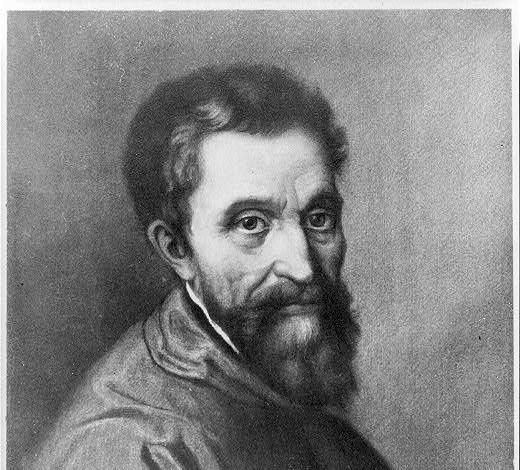
Michelangelo Buonarroti
Michelangelo di Lodovico Buonarroti Simoni (1475–1564) was an Italian sculptor, painter, and architect who worked during the Renaissance period. He is best known for his statue of David and the frescoes of the Sistine Chapel. Michelangelo was one of the most important artists of the High Renaissance in Italy. He produced work in various disciplines such as sculpture, painting, architecture, poetry, and drawing, and was referred to by his contemporaries as “il Divino” (The Divine One). Art histor
EN
Ahsen Buyurkan
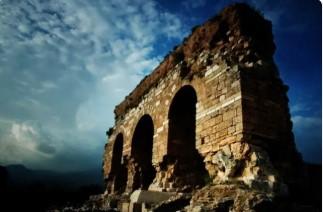
Tralleis Ancient City
Tralleis Ancient City is an ancient settlement located approximately one kilometer north of the city center of Türkiye, on a fertile plateau on the southern slopes of the Kestane Mountains (ancient Mesogis). The city is believed to have been founded by the Thracian Tralleis people and colonists from Argos. In ancient sources, it is referred to by various names such as Tralleis, Trallais, Tralla, Seleukeia, Antiochia, and Caesarea. Tralleis was an important center of production, trade, education,
EN
Melike Saraç
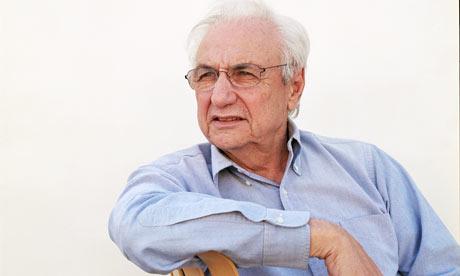
Frank Gehry
Frank Owen Gehry (28 February 1929 – 5 December 2025) was a Canadian-born American architect who became one of the most internationally recognized and discussed figures in architecture from the last quarter of the 20th century, known for his original formal language and innovative use of materials. Through projects realized under his firm Gehry Partners, founded in Los Angeles in 1962, he pushed the technical and aesthetic boundaries of architecture; he gained international fame through structur
EN
Nazlı Kemerkaya
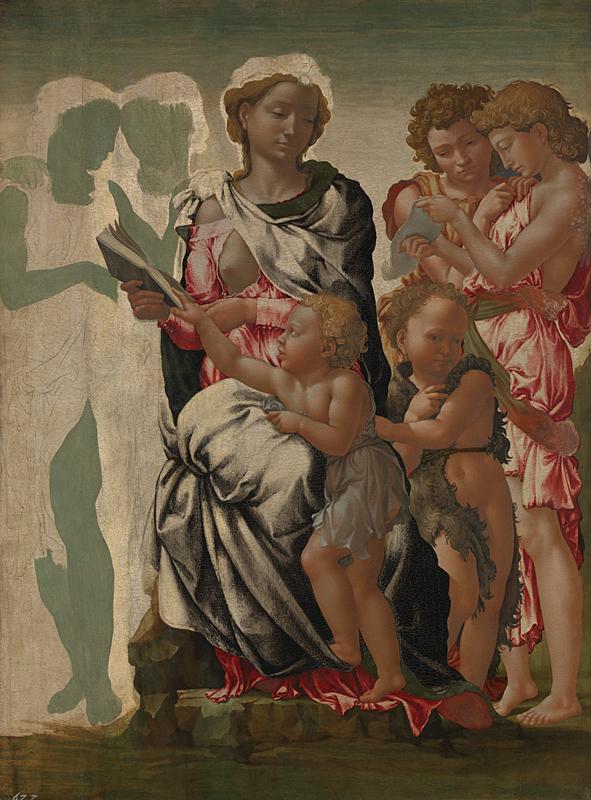
Madonna from Manchester (Painting)
The Manchester Madonna, attributed to the Italian Renaissance artist Michelangelo Buonarroti, is an unfinished panel painting executed in egg tempera on poplar wood. The work has been popularly known by this name since it was exhibited in 1857 at the Great Manchester Exhibition (Manchester Art Treasures Exhibition). Dating approximately to 1494–1497, it is considered one of the earliest surviving paintings by the artist.【1】 Historical Context Michelangelo received training in drawing and composi
EN
Cemile YAKAÇ
 Me
MeMetin Yurdanur Open-Air Sculpture Museum
The Metin Yurdanur Open-Air Sculpture Museum is an art space located in the Sivrihisar district of Eskişehir, Turkey. It holds the distinction of being the first open-air sculpture museum in Turkey. The museum consists of approximately 100 works created by sculptor Metin Yurdanur and was opened to visitors in 2011. These works feature figures reflecting Turkish culture and history, including prominent figures such as Atatürk, Kazım Karabekir, Nasrettin Hoca, and Yunus Emre, as well as social sym
EN
Sümeyra Uzun
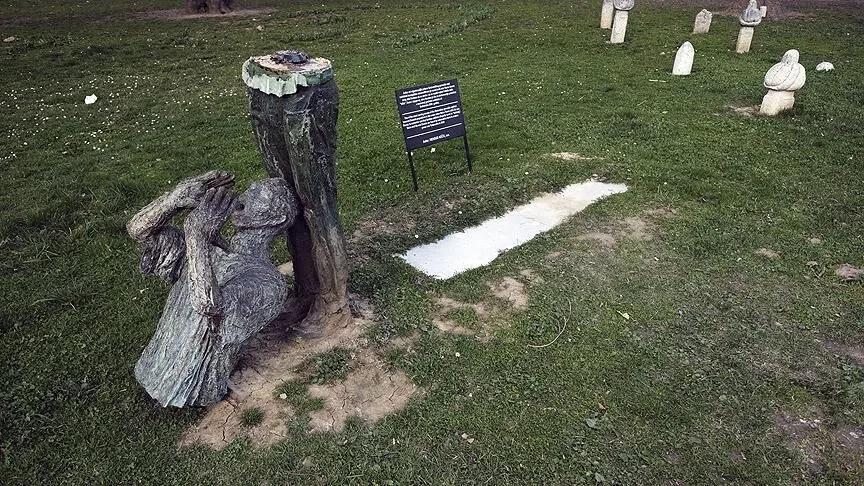
Nermin Gel! (Statue)
Nermin Gel! (Bosnian: Nermine, Dođi!), is a sculpture-installation located in Saraybosna, the capital of Bosnia and Herzegovina, dedicated to the memory of the Srebrenica genocide. Designed by artist Mensud Keča, the work stands two meters tall and is constructed from concrete, plaster, plastic, silicone, and other durable materials. Historical Context The sculpture depicts Father Ramo Osmanović calling out to his son Nermin as Serbian soldiers approach their area. Although the Serbian soldiers
EN
Nursena Şahin
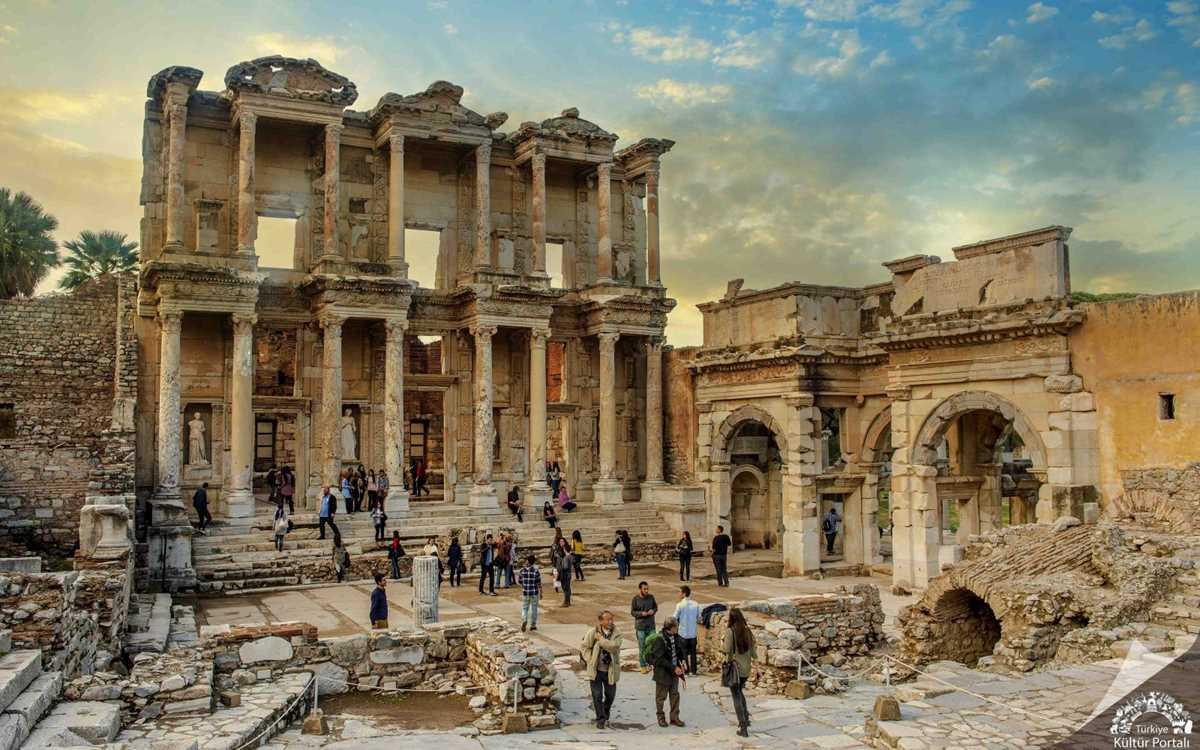
Celsus Library
The Library of Celsus is one of the most striking structures in the Ancient City of Ephesus. Built during the Roman Imperial period, this library served both as a public information center and as a monumental tomb. The structure, one of the most magnificent libraries of the ancient world, stands out for its architectural embellishments and historical significance. Founding of the Library The Library of Celsus was constructed between AD 110 and 135. It was commissioned by Gaius Julius Aquila in h
EN
Hatice Senem Turan
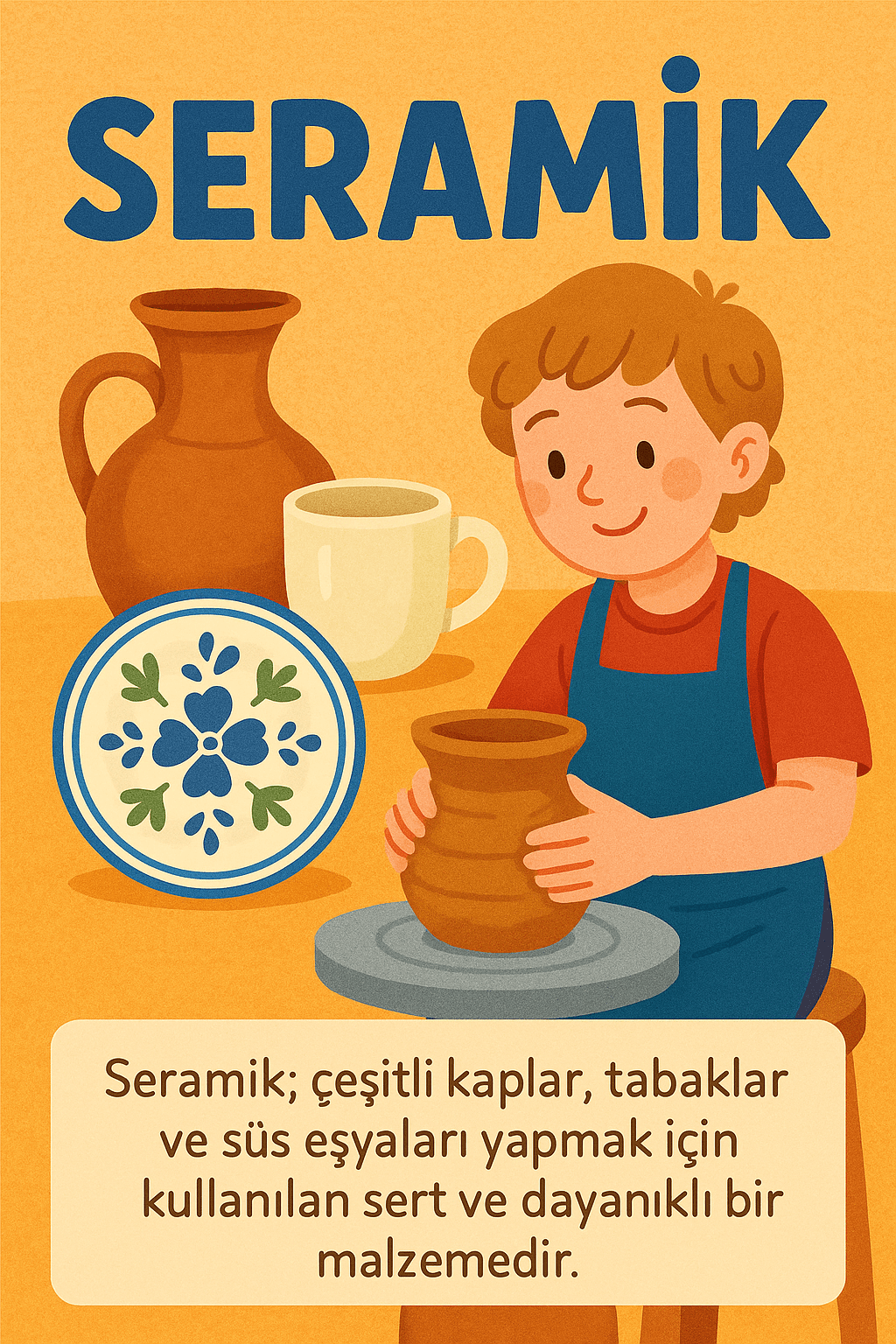
Ceramic
Ceramics are made from a mineral called clay. After the clay is mixed with water to form a dough-like consistency, it is shaped into the desired form. Just as we use molds when baking cookies, various tools can be employed for shaping. The shaped piece is then fired at high temperatures to harden it. Many everyday items we use in our kitchens or homes—such as plates, bowls, and vases—along with the colorful tiles found in mosques and palaces (colored ceramic panels), and even the wall claddings
EN
Buse Nur ŞEN

Ekphrasis
Ekphrasis (Greek: ἔκφρασις) is a technique originating in ancient Greek rhetoric (the art of speech) that aims to vividly and detailedly describe a visual object, artwork, or scene through words, so as to evoke a mental image in the listener or reader. Etymologically, it is formed from the Greek words ek (εκ), meaning “out” or “from within,” and phrazein (φράζειν), meaning “to speak, explain, or utter.” In its most fundamental definition, it is “the verbal representation of a visual representati
EN
Yunus Emre Yüce
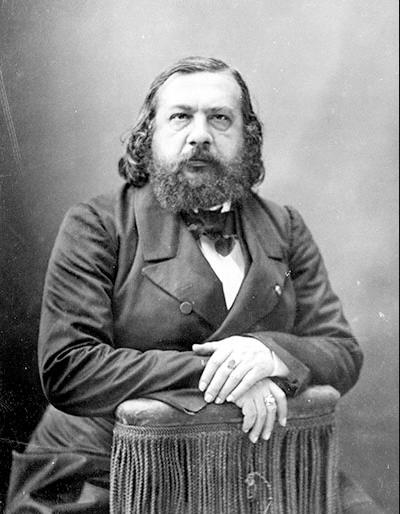
Parnassianism
Parnassianism is a literary movement that emerged in mid-19th century France. Named after Mount Parnassus, the mythical source of inspiration for poets and artists in Greek mythology, this movement emphasized the pursuit of beauty and poeticism in art. As a reaction against the emotional excesses and individual subjectivity of Romanticism, Parnassianism adopted an objective conception of art and focused on the technical perfection of artistic creation. Historical Context and Emergence In the sec
EN
Enes Tayyar