


This article was automatically translated from the original Turkish version.
+2 More
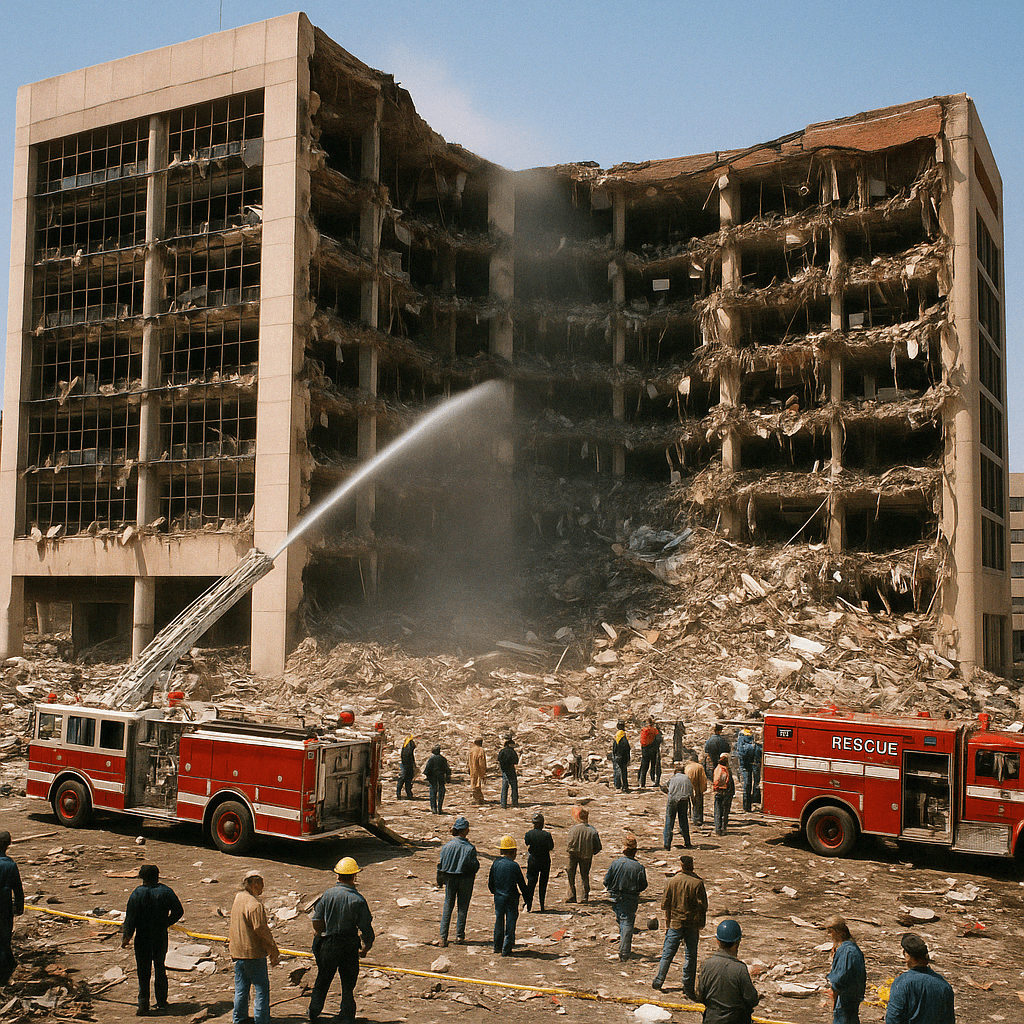
Oklahoma Attack
History | 19 April 1995 | ||||||||
|---|---|---|---|---|---|---|---|---|---|
Location | Alfred P. Murrah Federal Building Oklahoma City Oklahoma USA | ||||||||
Type of Attack | Bombing | ||||||||
Perpetrator | Timothy McVeigh | ||||||||
Dead | 168 people | ||||||||
Injured | 680 people | ||||||||
Explosive Used | Bomb based on ammonium nitrate and nitromethane (approximately 2,300 kg) | ||||||||
Memorial | Oklahoma City National Memorial | ||||||||
19 April 1995, in Oklahoma City, United States, a bombing attack was carried out and has been recorded as one of the most destructive domestic terrorist acts in the country’s history. The attack, orchestrated by Timothy McVeigh with ideologically motivated anti-federal goals, targeted the Alfred P. Murrah Federal Building, resulting in the deaths of 168 people and injuries to hundreds more.
The subsequent rescue, judicial, and commemorative processes left deep impacts not only on national security policies but also on social memory, legal systems, and public institutions’ understanding of crisis management. This event has been regarded as a turning point where the rising far-right and anti-government movements of the 1990s in the US converged violently; beyond its physical destruction, it left long-term psychological, legal, and cultural imprints.
In the early 1990s in the United States, particularly among extremist right-wing circles, distrust and reaction toward the federal government transformed into ideological radicalization. With the end of the Cold War, the perception of international threats weakened, shifting the focus of security policies toward domestic issues. During this period, groups that viewed individual gun ownership as an absolute right, assessed central authority as an unconstitutional threat, and opposed state controls became more visible in public discourse.
One of the defining turning points of this anti-federal reaction was the 1993 Waco, Texas siege, which resulted in the deaths of 76 people. The Branch Davidian siege intensified criticism of federal law enforcement methods and their impact on civilians, creating fertile ground for various militia groups to develop a narrative declaring the central government illegitimate. Similarly, the 1992 Ruby Ridge incident in Idaho deepened debates about the individual-state relationship.
This ideologically shaped environment influenced former soldier Timothy McVeigh. McVeigh’s interest was particularly drawn to paramilitary fictional texts such as The Turner Diaries, which advocated white supremacy. Such publications generated narratives legitimizing armed resistance against the state and portrayed central authority as the enemy of liberty.
It is also evident from various statements that McVeigh’s anti-government views were not merely ideological but carried a personal dimension. His post-Gulf War alienation, sense of social belonging loss, and personal dream disappointments made him more susceptible to anti-government literature. The choice of April 19, 1995—the second anniversary of the Waco siege—for the attack demonstrates that the act was not only operational but also symbolic in nature.
During this period, certain civil organizations organized under the banner of the “Patriot Movement” sought to legitimize their existence by invoking the Second Amendment of the US Constitution. Semi-militarized groups became widespread and gained visibility at the state level. McVeigh’s co-conspirator, Terry Nichols, also radicalized within this ideological environment and joined the plot due to his rural lifestyle and anti-government inclinations.
In this context, the Oklahoma City bombing of 1995 was not an individual reaction but an organized act of violence emerging from a specific ideological framework, organizational connections, and historical ruptures. The motives behind the act were not merely a classic critique of government but rooted in a systemic anti-state violence that directly challenged the legitimacy of the state. This understanding chose to deliver its political message not only rhetorically but through a direct, lethal intervention against its target.
At 09:02 on the morning of April 19, 1995, a massive explosion occurred on the north façade of the Alfred P. Murrah Federal Building in downtown Oklahoma City. The blast was triggered by a Ryder truck loaded with over 2,300 kilograms of ammonium nitrate and fuel oil mixture (ANFO). The truck had been parked parallel to the building’s loading area, with the epicenter located approximately five meters from the structure.
On the morning of the attack, approximately 600 federal employees were inside the building, along with around 250 civilians who had come to access public services. The building also housed a child care center. The explosion caused the collapse of one-third of the building, with the north façade entirely destroyed. Upper floors collapsed onto lower levels due to the blast pressure, nearly demolishing the interior structure of the nine-story building. The force of the explosion resulted in 168 deaths and over 680 injuries.
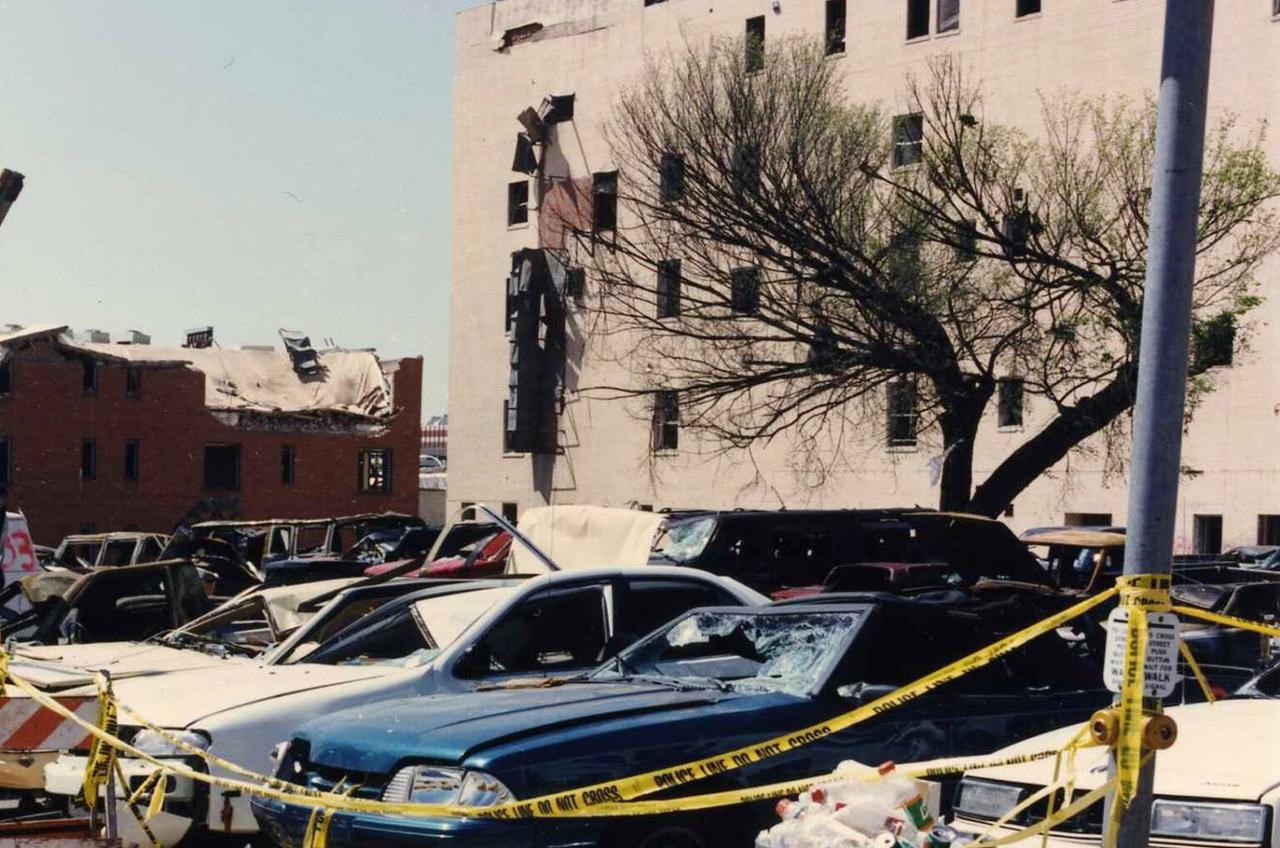
The attack was not confined to the targeted Murrah Building; serious damage occurred in over 300 surrounding buildings. The blast’s effects were felt as far as 50 kilometers away. Numerous vehicles at the scene detonated; most of the glass facades in the city center shattered; and 48 blocks of the city were effectively paralyzed.
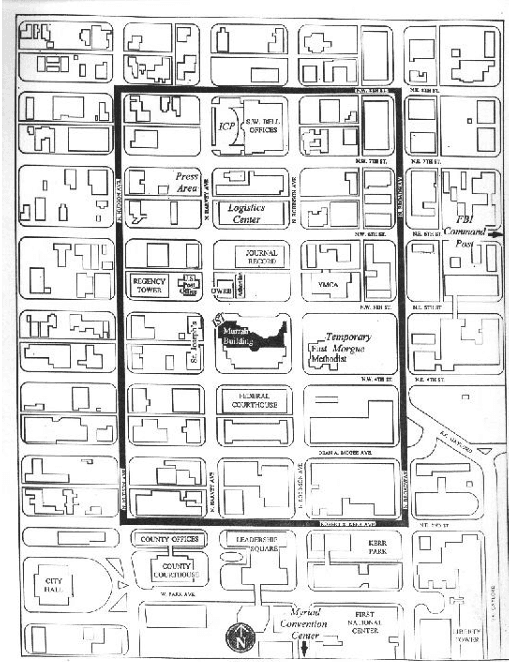
【1】
The first emergency call was received by local emergency services just 83 seconds after the explosion (at 09:03:25). The sound of the blast was directly heard by personnel at Oklahoma City Fire Department Station No. 1, located five blocks away, and units were dispatched immediately to the scene.
Alongside fire and medical teams, numerous civilian volunteers and public employees arrived at the scene within minutes and participated in search and rescue operations.
Responding teams encountered collapsed walls at the entrance, overturned vehicles, and severely injured civilians. Due to the risk of fire, the area was rapidly evacuated; two separate medical triage areas were established around the building. Injured individuals were categorized by priority at these temporary centers and transported accordingly.
The local communication infrastructure also suffered heavy damage. The explosion disabled both primary and backup phone lines of EMSA (Emergency Medical Services Authority), which operated emergency health services. The seven emergency units on duty at the time coordinated via radio systems. This situation created a serious communication problem during the early response phase; limited connectivity via radio, handheld radios, and mobile phones was the only means available between command centers on-site.
In the first minutes after the explosion, no perpetrator or attack type could be identified; attention focused on possibilities such as natural gas explosion, structural collapse, or accident. However, initial investigations quickly revealed the incident to be a bombing. The FBI, ATF (Bureau of Alcohol, Tobacco, Firearms and Explosives), and local security units treated the scene as a federal crime scene.
The area was enclosed by a multi-layered security perimeter, with access restricted to authorized personnel only. Immediately after the attack, the Oklahoma City Fire Department implemented the “Incident Command System” (ICS); coordination was conducted under this framework. Hundreds of rescue, security, medical, and logistical personnel from local, state, and federal levels were organized under a single command chain. Debris removal and search and rescue operations continued for days under this system.
Ultimately, April 19, 1995, marked not only a massive physical destruction but also the beginning of a collective trauma in Oklahoma City history. Considering the scale, method, and target of the attack, the bombing constituted a national turning point in both physical and psychological impact.
The Alfred P. Murrah Federal Building, the direct target of the attack, was located in the central business district of Oklahoma City at the intersection of N.W. 5th Street and Robinson Avenue. Constructed in 1977, this structure served as a nine-story federal public building housing various government agencies. While certain ground and upper floors contained private-use areas, the building primarily functioned as a center for federal administrative operations.
Major federal agencies operating within the Murrah Building included the Bureau of Alcohol, Tobacco, Firearms and Explosives (ATF), Drug Enforcement Administration (DEA), Secret Service, Department of Housing and Urban Development (HUD), Social Security Administration, Department of Agriculture, Customs Service, and General Services Administration (GSA). Additionally, military recruitment offices for the US Army and Navy, the Federal Employees Credit Union (FECU), and the public “America’s Kids” child development center were also located in the building.
Due to its concentration of numerous public employees in one location, the building became an administratively strategic hub. The attack’s timing in the morning hours targeted the period when the building’s personnel count was at its peak. At the moment of the explosion, approximately 600 employees and numerous civilians seeking services were inside. Additionally, 21 children and several adult staff members were present in the child care center on the second floor; most of these children perished during the attack.
Post-explosion investigations revealed that the building’s north façade had nearly collapsed entirely, with the third floor and above collapsing downward in a “pancake effect.” The majority of the first and second floors were shattered and thrown toward the south. The loading ramp and vehicle parking area on the north side of the building became the blast’s epicenter. The explosive force not only collapsed the building’s internal load-bearing system but also caused significant damage to the glass facades and interior walls of surrounding structures.
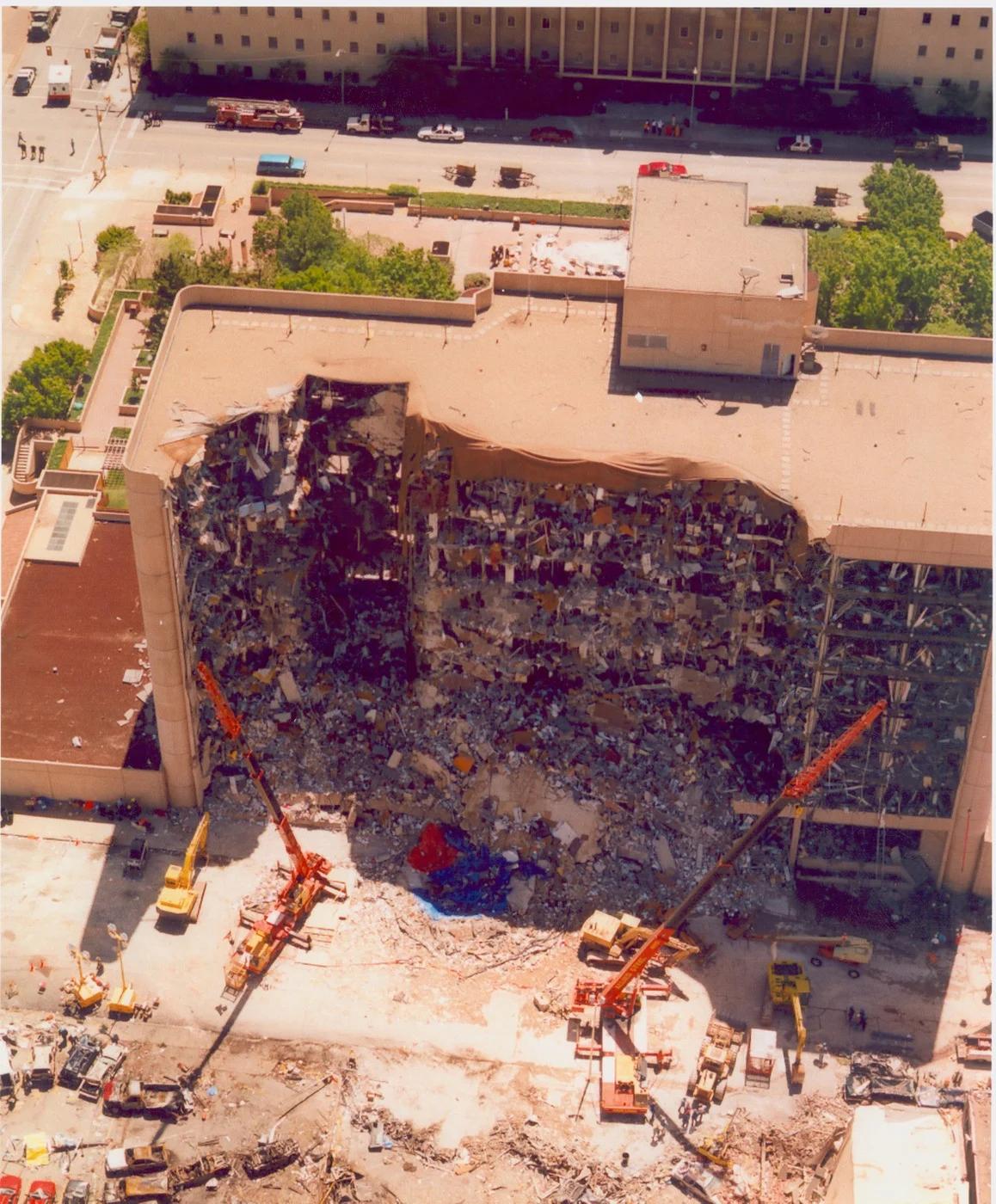
Photo taken from the damaged section of the building after the explosion (FBI).
Due to its location, numerous high-rise residential and public buildings surrounded the Murrah Building. The blast caused extensive damage across a wide area, including the 24-story Regency Tower apartment complex one block to the west. The Oklahoma Water Resources Board building, the historic Journal Record Building, and the Athenian Building also sustained severe structural damage. Nearby institutions such as the YMCA, First Methodist Church, Federal Court, and St. Joseph Cathedral were directly affected by the blast.
Both symbolic and strategic factors influenced the selection of the Murrah Building. As a center where multiple federal agencies operated together, the building presented a visible target representing the federal government. McVeigh’s attack plan deliberately targeted a structure that would harm children, civilians, and public employees, thereby amplifying the attack’s psychological and social impact beyond its physical destruction.
Technical analyses after the explosion explained in detail why the building’s front façade suffered such extensive damage. The truck had been parked very close to the building entrance, positioning the explosives to directly target the building’s load-bearing columns. Debris recovered from the vehicle was collected by the FBI and used to identify the perpetrator; the truck’s rental records became one of the most critical pieces of evidence leading to McVeigh’s arrest.
The rescue and response operations initiated immediately after the explosion were conducted within a multi-layered crisis management framework. Units from the Oklahoma City Fire Department, located closest to the city center at the time of the blast, reached the explosion site based on the direction and intensity of the sound and were among the first responders. Within the first 10 minutes, preparations began at both local and federal levels for declaring a state of emergency. Numerous institutions responsible for health, search and rescue, security, logistics, and communications arrived at the scene within hours of the explosion.
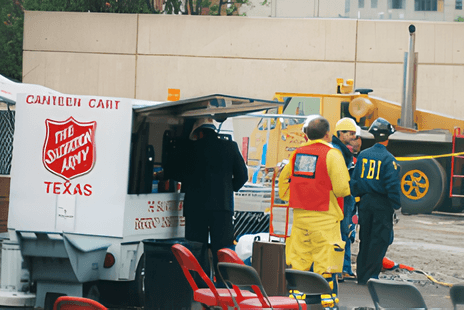
Interview with an agent involved in the rescue process (FBI).
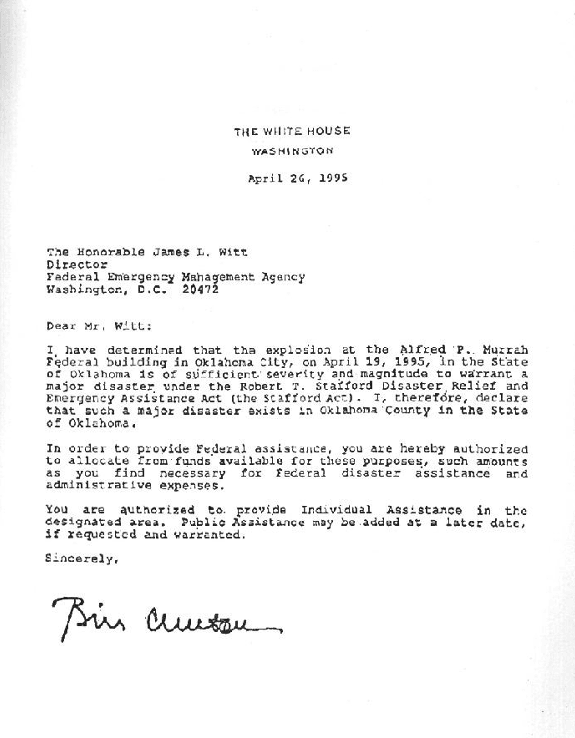
Just two minutes after the explosion (at 09:04), the Oklahoma State Office of Emergency Management (ODCEM) was notified. At 09:25, the Oklahoma State Emergency Operations Center (SEOC) was activated to operate on a 24-hour basis. Simultaneously, the US Federal Emergency Management Agency (FEMA) was mobilized from its Regional VI headquarters in Denton, Texas; by 09:30, the Federal Operations Center (ROC) was activated.
The first responders arriving at the scene encountered massive destruction and significant loss of life. To organize search and rescue activities amid the rubble, the Incident Command System (ICS) was established, under which all public institutions, volunteer organizations, and civilian support units coordinated under a single command chain. The command center was initially established at the intersection of N.W. 6th Street and Harvey Avenue; due to security concerns, it was relocated several times before finally moving to a parking lot owned by Southwestern Bell Company.
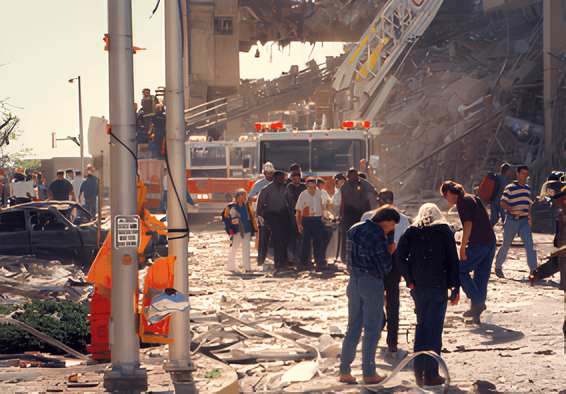
【2】
During the initial response phase, search and rescue operations were conducted under serious risk due to the uncertain structural integrity of the collapsed building. Two separate bomb threats were reported shortly after the explosion, requiring the evacuation of personnel from the area. Security units only permitted the resumption of search and rescue operations after confirming the incident involved a single attack.
Critical triage areas for medical services were initially established on N.W. 6th Street; however, due to overcrowding, they were relocated to the intersection of N.W. 5th Street and Robinson Avenue. A secondary triage center was established directly inside the federal building. Injured individuals were categorized by priority at these centers, received initial treatment, and were transported to hospitals. During this time, volunteer medical personnel, the American Red Cross, civilian aid organizations, and teams from local hospitals were directed to the area.
【3】
Personnel on-site often formed human chains to reach individuals trapped under debris; debris removal was carried out manually using buckets. This method was chosen to avoid harming survivors and to preserve evidence integrity. The use of heavy machinery was delayed for a long time to show respect for the deceased and to carefully separate physical materials with evidentiary value.
Search and rescue efforts were supported not only by professional teams but also by numerous civilian volunteers. The rapid and organized response of the Oklahoma public was later documented in public literature as the “Oklahoma Standard.” Local civil society organizations rapidly delivered food and essential supplies to the area; places of worship and volunteer centers provided temporary shelter, food, and moral support to rescue personnel. No incidents of looting or misconduct were reported in the area. According to public records, no theft or security breaches were recorded from the time of the attack until the building’s final demolition on May 23, 1995.
【4】
In terms of security and coordination, the Federal Bureau of Investigation (FBI) restricted access to the blast area with two concentric security perimeters; entry was permitted only with photo and numbered identification badges. The Oklahoma City Police, National Guard, and other federal security units secured an 18-block area around the site on a 24-hour basis. Search and rescue operations continued for 17 days; through round-the-clock efforts, 165 bodies were recovered from the rubble; the remaining three were found only after the building’s collapse.
The Oklahoma City bombing is regarded as a case that yielded numerous structural lessons in emergency management. The scale of the incident, the rapidly evolving disaster response, and the coordination of institutional reflexes laid the groundwork for the restructuring of crisis intervention systems in the United States.
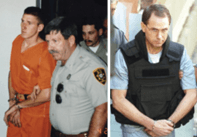
The perpetrator of the Oklahoma City bombing was identified as Timothy McVeigh, a former US Army soldier born in 1968. McVeigh served in the US Army and gained active combat experience in Iraq during the Gulf War. After his military service, he struggled to adapt to civilian life and increasingly radicalized with anti-government views. His conviction that federal authorities infringed upon individual rights led him toward extremist right-wing and militia circles.
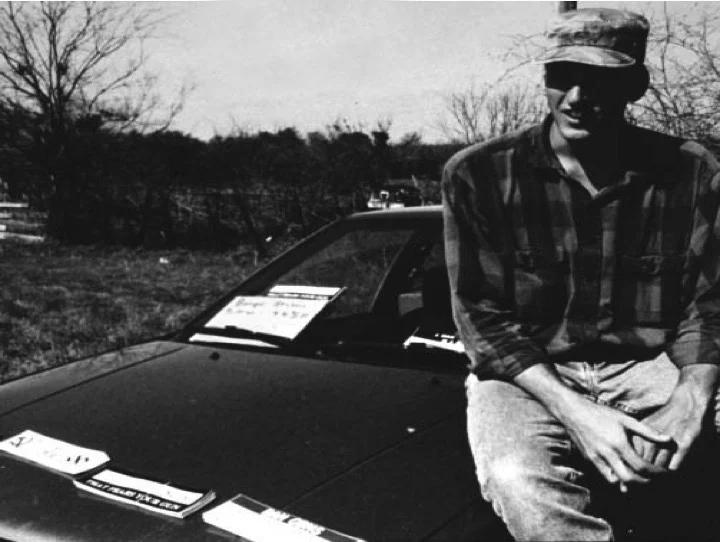
Timothy McVeigh (FBI)
Approximately 90 minutes after the bombing, McVeigh was stopped by Oklahoma City-area traffic officer Charlie Hanger on a highway outside the city. The reason was his vehicle’s lack of license plates. A search revealed he was carrying an unlicensed firearm, leading to his arrest and transport to Noble County Jail. This arrest occurred before any definitive identification of the perpetrator.
FBI and ATF experts, tracing the Ryder truck’s chassis number, obtained information about the person who rented the vehicle in Kansas. The vehicle appeared to have been rented under the name “Robert D. Kling”; however, this identity was found to be fake. The truck had been rented from a company in Junction City. Descriptions provided by company employees matched the arrested McVeigh. Based on this evidence, McVeigh was confirmed as the primary perpetrator. On April 21, 1995, federal authorities formally charged him and transferred him from Noble County to the federal custody system.
In later stages of the investigation, McVeigh’s connection to his former army comrade and known radical in the same ideological circles, Terry Lynn Nichols, was uncovered. Nichols, a farmer living in Michigan and Kansas, openly expressed anti-government views. Through extensive FBI operations, Nichols surrendered at his home in Herington, Kansas, and was confirmed to have direct involvement in the attack.
The investigation revealed that Nichols assisted McVeigh in preparing the bomb and played an active role in acquiring the explosive materials. The pair jointly procured ammonium nitrate, fuel, and other components, mostly obtained illegally from agricultural cooperatives and chemical suppliers. Nichols was not present at the Oklahoma City site during the transportation of the explosives; however, due to his role in logistics and planning, he was prosecuted as an accomplice.
According to McVeigh’s own statements, his motive for carrying out the attack was “the federal government’s responsibility for civilian deaths in Waco.” The timing of the attack on the second anniversary of the 1993 Waco siege carried symbolic meaning. McVeigh explicitly stated he chose a structure housing federal officials to attract public attention. These statements formed key elements in classifying the act as a terrorist attack.
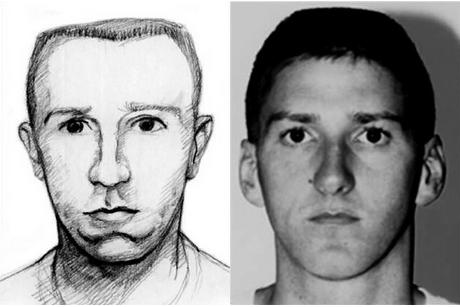
Computer-generated image and photograph of Timothy McVeigh (FBI).
McVeigh’s trial was held at the federal level in Colorado in 1997. During the court proceedings, he did not deny his guilt but rejected some charges. On June 2, 1997, he was found guilty on 11 separate counts; on June 13, a federal jury sentenced him to death. His sentence was carried out on June 11, 2001, at the Terre Haute Federal Correctional Complex in Indiana. This execution marked the first federal death penalty carried out in the United States since 1963.
Terry Nichols was tried separately at both federal and state levels. At the federal level, he received a life sentence. Subsequently, in a trial brought by the state of Oklahoma, he was charged with 161 counts of murder related to civilian deaths in the Murrah Building; in 2004, he was again sentenced to life imprisonment. Nichols remains incarcerated in a high-security federal prison in Colorado.
Another suspect linked to the attack, Michael Fortier, was another figure from the same circles as McVeigh and Nichols and was included in the investigation. It was determined that Fortier had prior knowledge of the attack plan but failed to notify authorities. In exchange for testifying against McVeigh and Nichols, he reached a plea agreement with federal prosecutors and was sentenced to 12 years in prison; he was released in 2006.
All investigations and trials related to the perpetrators of the attack are among the most comprehensive domestic security investigations in US history, extensively documented through federal, state, and local law enforcement operations. The event served as a defining example in redefining the concept of domestic terrorism and shaping institutional strategies to counter it.
On April 19, 1995, in Oklahoma City, a bombing attack claimed the lives of 168 people, including children. The victims consisted of federal employees working in the Murrah Building and civilians who had come to conduct various official matters. The ages of those killed ranged from a few months to 73 years. In this regard, the attack represented a massive destruction not only numerically but also in terms of sociodemographic diversity.
Nineteen of the victims were in the “America’s Kids” Child Development Center on the second floor of the Murrah Building. Most of these children were offspring of public servants and had been dropped off by their families that morning to participate in the building’s day-care program. The explosion, which occurred directly beneath the child care center, completely destroyed the area and resulted in the near-total loss of life among the children and staff inside. This tragedy deepened the trauma left in the public memory of the attack.
Identification efforts for the victims were coordinated by the Oklahoma Office of the Chief Medical Examiner. The identification process took time depending on the physical condition of the bodies recovered from the rubble. Dental records, DNA analysis, and personal belongings were used to identify some victims. Throughout the process, individual forensic files were prepared for each victim. Forensic work was conducted in temporary morgues and diagnostic centers established in the days following the attack; one of these centers was set up in the First Methodist Church building.
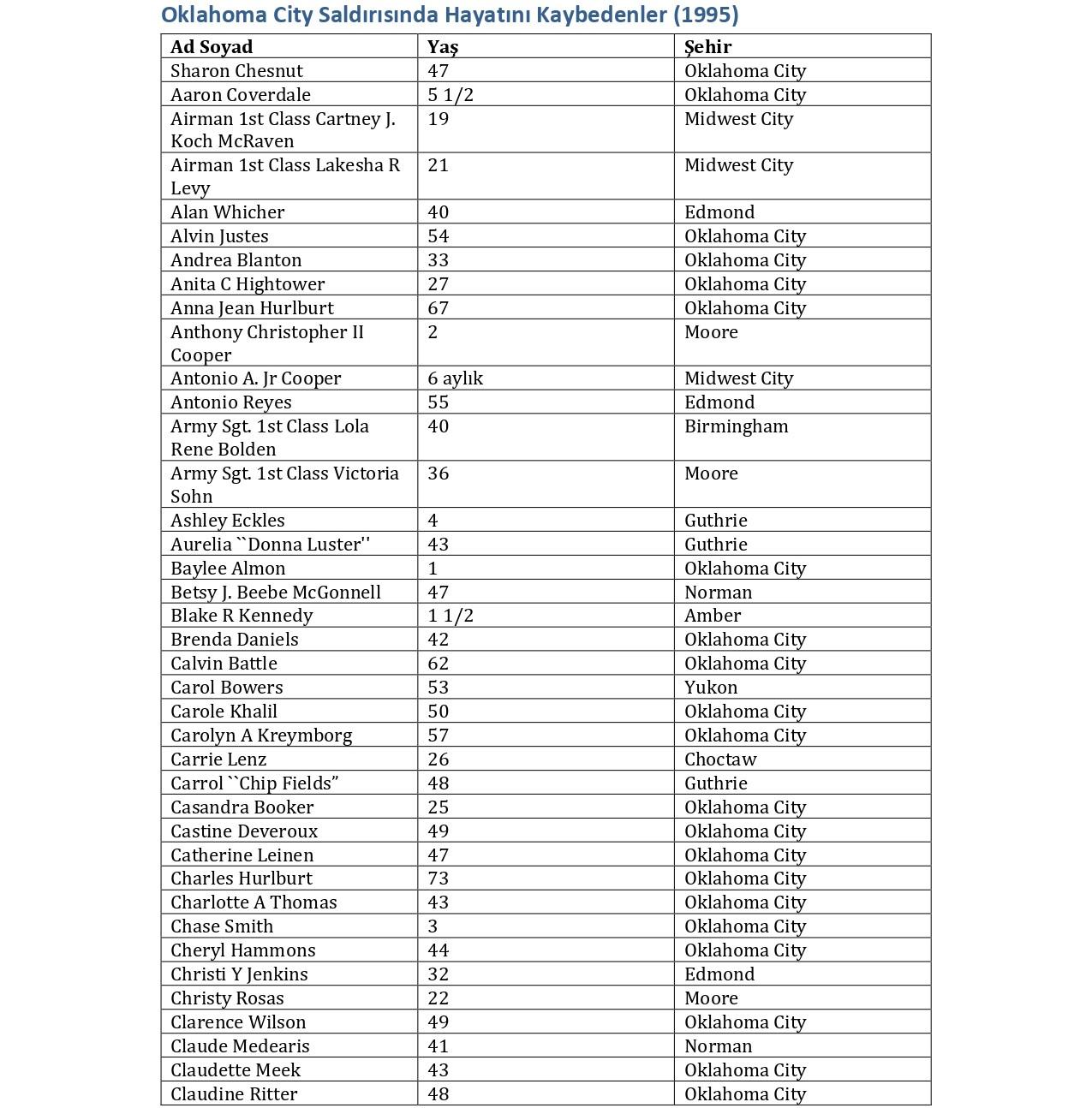
Complete list of those killed in the attack (generated with AI assistance).
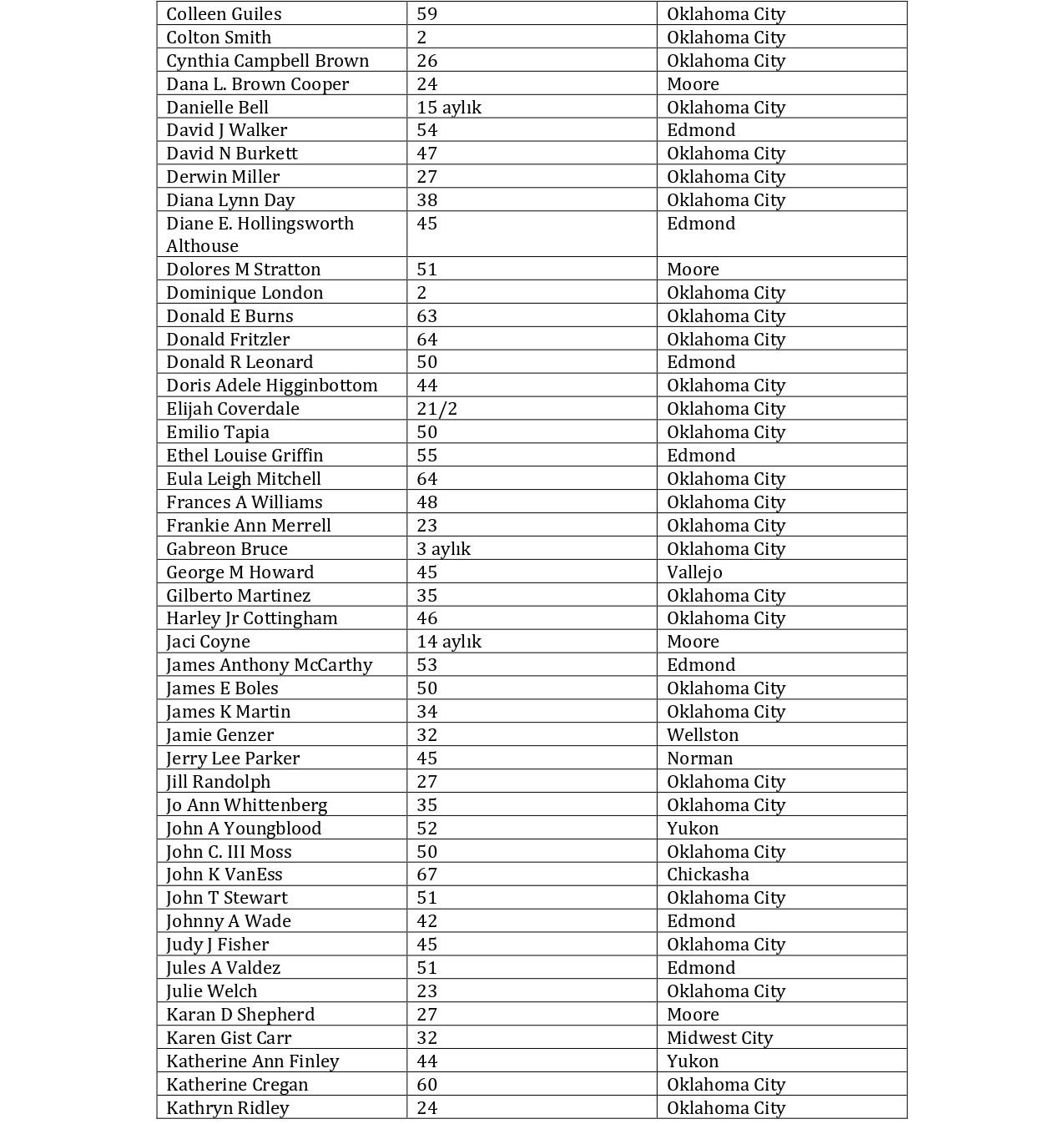
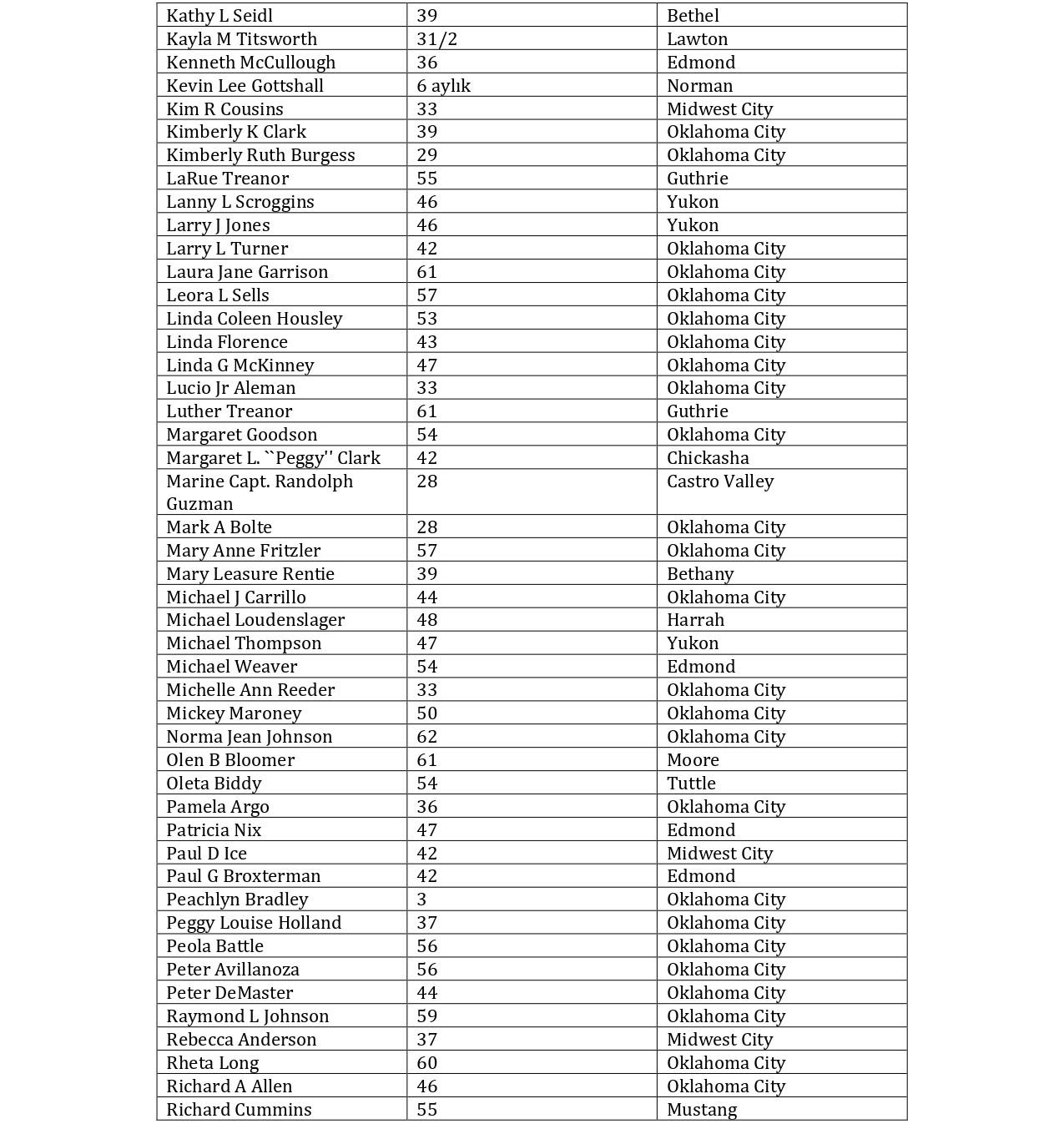
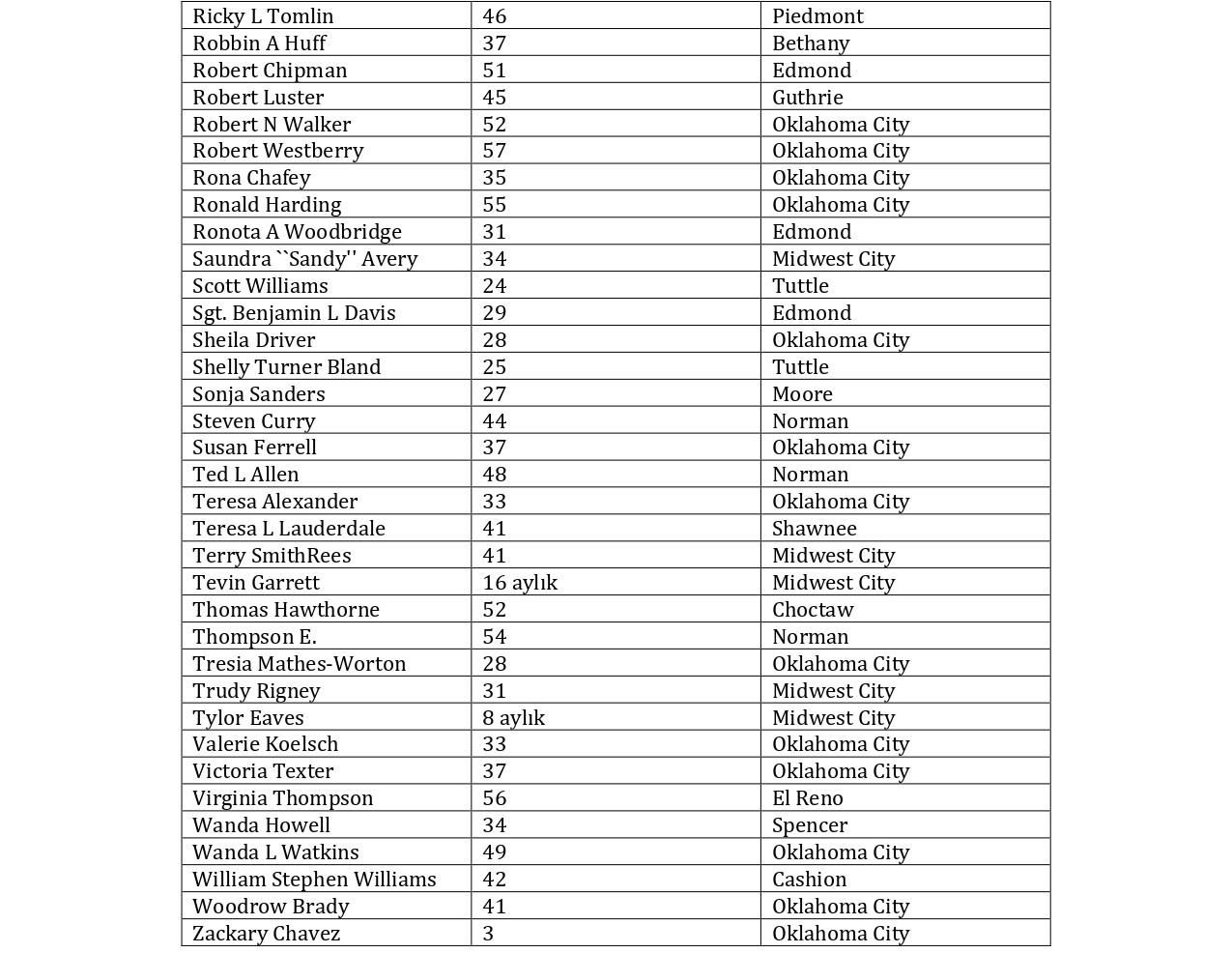
The majority of the victims were federal employees, secretarial and security staff, and personnel from various social service agencies. Of the 33 employees of the Federal Employees Credit Union (FECU), 18 lost their lives in the attack. Nevertheless, the union resumed operations from a temporary center just 48 hours after the incident. This response became a notable example of social solidarity recorded in history.
At the institutional level, the highest number of fatalities occurred among units affiliated with the Social Security Administration, the Department of Health and Human Services, and the Department of Agriculture. Some victims were civilians visiting the building for official matters, including those seeking passport services, applicants to military recruitment offices, and volunteers at the child care center.
The names, ages, workplaces, and locations within the building of the victims have been meticulously archived by the Oklahoma City National Memorial and Museum. Each individual is symbolically represented by a chair in the memorial’s “Field of Empty Chairs”. In this area, one chair is placed for each victim; those for children are smaller in size and located in a separate section.
At the request of families and the public, individual information about the victims has been publicly published on a “Those Who Were Killed” digital platform. This platform includes brief biographical details, memorial writings, and photographs for each person. In this way, the victims are emphasized not merely as statistics but as individuals with names, faces, and stories.
The social impact of the losses extended beyond physical absence, leaving long-term psychological effects on the families and close circles of the victims. Through various aid and scholarship funds such as the “Survivors’ Education Fund”, educational needs of the children left behind by the victims were addressed. By 2005, higher education support had been provided to over 200 children through this program.
At annual commemorative ceremonies honoring those who lost their lives in the attack, the names of the victims are read aloud one by one, followed by a moment of silence for each. These ceremonies serve not only to mourn the losses but also to ensure the event remains alive in the collective memory of society.
The Oklahoma City bombing left lasting social and psychological imprints on the American public, not only in terms of physical destruction but also through long-term effects. Survivors, rescue personnel, victims’ families, and public workers at the scene exhibited multi-layered traumatic responses. These effects were observed at both individual and collective memory levels.
Field studies conducted after the attack revealed that a significant portion of survivors developed Post-Traumatic Stress Disorder (PTSD), anxiety disorders, depression, and sleep disturbances. A seven-year longitudinal study initiated in 1996 found that the psychological effects on survivors were not merely short-term but persisted permanently. These studies reported that over 50% of survivors exhibited trauma-related psychological symptoms.
Interview with a survivor of the explosion (FBI).
In evaluating psychological impacts, not only subjective narratives but also biological stress markers were analyzed. Research showed significant changes in salivary cortisol levels and immune system responses among those directly exposed to the blast. These findings scientifically demonstrated the neurophysiological effects of trauma and provided objective foundations for trauma-related health interventions.
The attack also had serious psychological effects on children and adolescents. Some surviving children experienced long-term anxiety, trust deficits, and behavioral adjustment problems. This situation prompted the development of long-term psychosocial support programs for children of elementary school age.
Psychological assistance programs began immediately after the attack; free counseling services were provided through local hospitals, the American Red Cross, churches, civil society organizations, and volunteer professionals. Individual and group therapies were organized for victims’ families and rescue personnel. The Oklahoma City Council and Department of Health developed various funds and aid programs to ensure the sustainability of these services.
At the social level, the attack was viewed not only as a security threat but also as a test of social solidarity. The extraordinary volunteerism, altruism, and social cohesion demonstrated by the people of Oklahoma in the days following the attack were termed the “Oklahoma Standard” and later entered disaster management literature. This term describes local solidarity patterns exhibited during crises.
The psychological state of affected communities was not limited to the initial months; it was reactivated during anniversaries, trials, and media representations that recalled the event. This phenomenon, termed re-traumatization, prompted special studies on the impact of rituals such as memorial ceremonies on mental health.
Additionally, the “Survivor Tree” and the Oklahoma City National Memorial, established after the attack, serve not only as physical reminders of loss but also as symbols of healing. These structures have become memory spaces demonstrating how collective trauma is processed in both individual and public domains.
The Oklahoma City bombing was a turning point that triggered fundamental changes in US domestic security, criminal law, and crisis management. Numerous regulations were enacted at federal and state levels, and the roles and authorities of law enforcement agencies were redefined. This process extended beyond the trials of the perpetrators to foster the construction of a more effective and rapid-response system against future similar threats.
Following the attack, the organizational structures of the Federal Emergency Management Agency (FEMA), the Federal Bureau of Investigation (FBI), and other emergency response agencies were reviewed; multi-agency coordination became a top priority. Specifically, the Incident Command System (ICS) and the Federal Response Plan (FRP) were restructured based on the Oklahoma experience. These systems aimed to enhance rapid response capacity across a broad spectrum, from natural disasters to terrorist attacks.
In 1996, the US Congress enacted the Antiterrorism and Effective Death Penalty Act (AEDPA), a direct result of this bombing. The legislation increased penalties for terrorism offenses, accelerated death penalty procedures, and granted the federal government expanded authority over suspected individuals and groups. Additionally, the law sparked debates over individual freedoms due to new regulations on communication and financial monitoring within the national security framework.
【5】
One of the areas restructured after the attack was the use and transportation of explosives. New regulations were introduced regarding the sale, transport, and traceability of fertilizer-based explosives such as ammonium nitrate. Regulations prepared by the Departments of Agriculture and Commerce brought commercial circulation of chemicals with explosive properties under control.
Judicial procedures also underwent significant transformations following the Oklahoma City bombing. Special court protocols were developed at the federal level for large-scale cases involving numerous victims and witnesses. Timothy McVeigh’s trial, conducted in a different state (Colorado) from the attack site, was held to ensure a neutral environment. This practice set a precedent for geographic neutrality in high-profile terrorism cases.
Alongside inter-agency cooperation, structural changes were implemented to enhance the safety of public employees and protect federal buildings. Architectural designs of federal buildings incorporated increased security distances; environmental barriers, controlled access systems, and blast-resistant materials became standard. These practices were not limited to structures in Oklahoma City but were extended nationwide to all federal buildings.
The attack also led to transformations in public relations and crisis communication. New principles were developed for information dissemination, media access, and public management; clear accountability for information dissemination was established. Accordingly, media protocols were created at federal and state levels, aiming for accurate, rapid, and reliable information flow during crises.
All these reforms demonstrate that the Oklahoma City bombing was not merely a matter of past justice but was shaped with the goal of building a resilient structure against future threats. These legal and institutional transformations have positioned the attack as a systemic event in US history.
The social memory process following the Oklahoma City bombing went beyond merely honoring the losses; it also brought about a multi-dimensional process of social resilience, mourning practices, and the reconstruction of shared values. In this context, the collective memory formed after the event became institutionalized through physical spaces, symbols, and rituals.
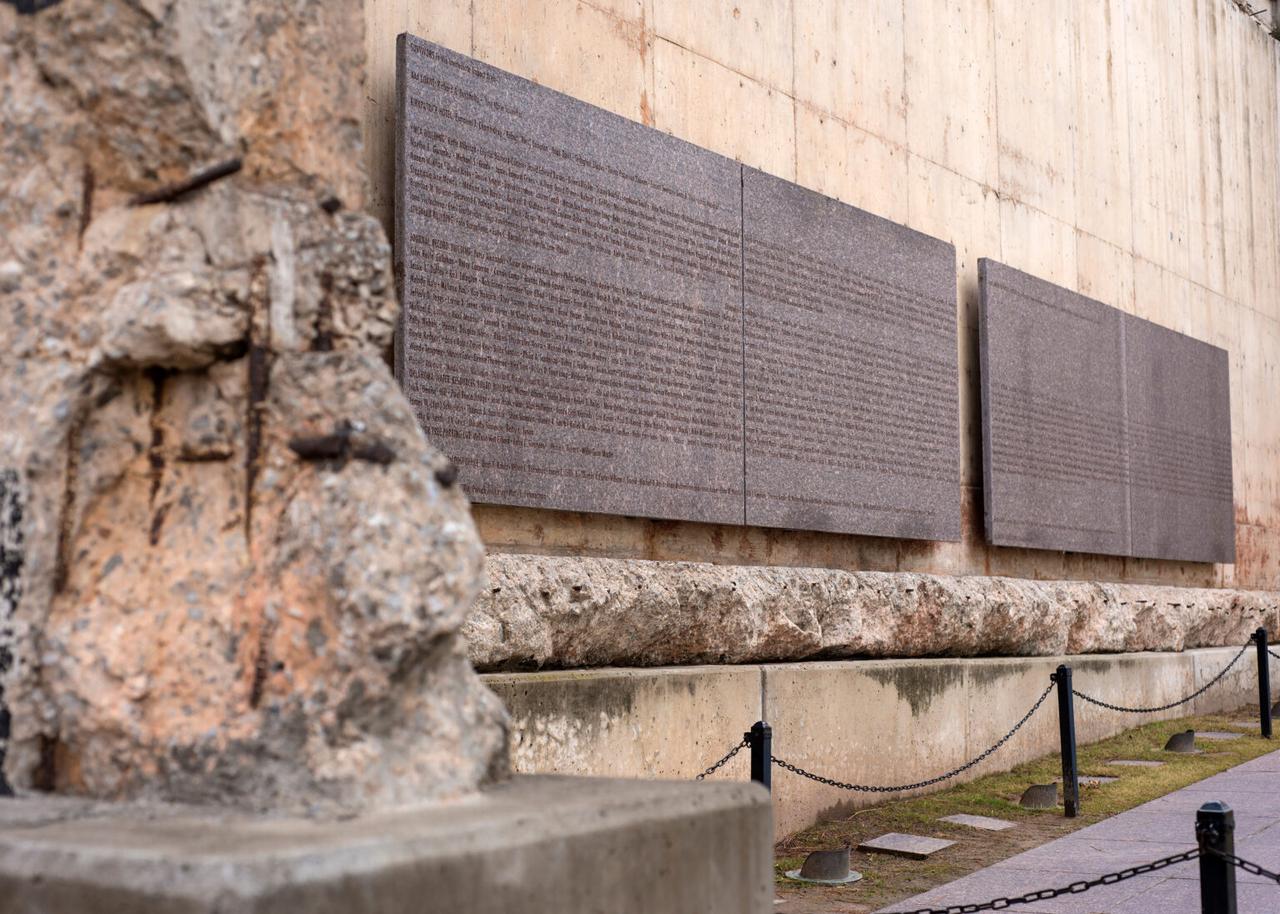
The Survivor Memorial (Memorial Museum).
Following the attack, the site and its surroundings were shaped into a memorial space with both symbolic and public significance. The most prominent example of this process is the construction of the Oklahoma City National Memorial and Museum. The memorial, created through a design competition launched in 1997, was opened to the public on April 19, 2000, the fifth anniversary of the attack. Located on the site of the former Murrah Federal Building, the memorial aims to honor the victims and represent collective healing.
The Museum presents the events of the attack day in chronological narrative, offering visitors a multi-dimensional experience through personal belongings, visual materials, testimonies, and forensic documents. The museum also explains the psychological, legal, and historical impacts of the attack on individuals and society. In addition to permanent exhibits, it includes educational programs, documentary screenings, and an archival center open for academic research.
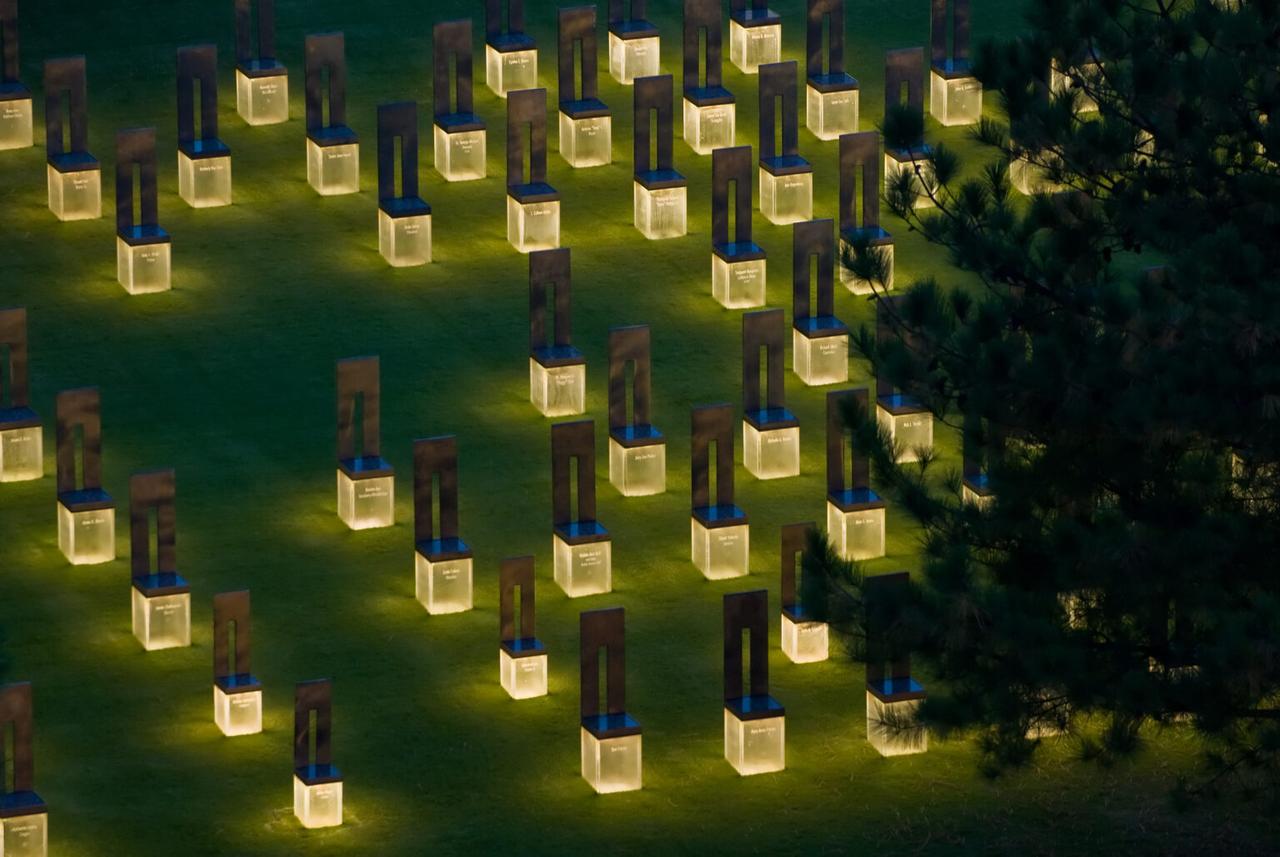
Field of Empty Chairs (Memorial Museum).
The most significant element of the memorial is the “Field of Empty Chairs”, where 168 chairs made of bronze, glass, and stone represent each victim of the attack. The chairs are arranged according to the floors where the victims were located in the building; the 19 smallest chairs represent the children killed in the attack and are placed in a separate section. This arrangement allows the loss to be felt both individually and collectively.
Another element of the memorial is the “Survivor Tree”, an American elm that survived the blast and stands immediately in front of the building. Due to its survival, it has become a symbol of hope and resilience. The tree, more than a physical remnant, has become a metaphor for rebirth after the attack in public discourse. Today, it remains at the center of the memorial, and new saplings are distributed annually during commemorative ceremonies.
Survivor Tree (Memorial Museum).
Annual commemorative ceremonies play a vital role in preserving the memory of the attack. Every year on the morning of April 19, the names of the 168 victims are read aloud and honored with a moment of silence. This ritual supports individual grieving and contributes to the creation of a shared collective memory.
Additionally, the concept of the “Oklahoma Standard” that emerged after the attack is not merely a response unique to that period; it has become an enduring expression of solidarity in the face of disasters. This term describes the volunteerism, altruism, and social cohesion demonstrated after the attack and remains a living part of the state’s crisis response culture today.
Ultimately, the Oklahoma City bombing was not merely a terrorist act but a social turning point where collective mourning, resilience, and remembrance culture were shaped. Through physical memorials, public rituals, and educational content, this memory is continuously reproduced and passed on to future generations.
Associated Press. “AP Was There: A Truck Bomb Rips Through a Federal Building in Oklahoma City in 1995.” AP News, April 16, 2025.https://apnews.com/article/oklahoma-city-bombing-anniversary-ap-was-there-6aa6eb16863e618ec5f94b0e84a158fdAP News.
Associated Press. “The Oklahoma City Bombing Was 30 Years Ago. Some Survivors Worry America Didn't Learn the Lesson.” AP News, April 17, 2025.https://apnews.com/article/oklahoma-city-bombing-30th-anniversary-survivors-ad18c59a2d3194d9c8f0e2103a30e4c2AP News.
Duncan, Russell, and Joseph Goddard. *Contemporary America*. London: Palgrave Macmillan, 2004.
Federal Bureau of Investigation. “Florence Rogers: Survivor of the Oklahoma City Bombing.” *FBI Video Repository*. Accessed April 18, 2025.https://www.fbi.gov/video-repository/newss-florence-rogers-survivor-of-oklahoma-city-bombing/view.
Federal Bureau of Investigation. “Oklahoma City Bombing.” FBI.gov. Accessed April 18, 2025.https://www.fbi.gov/history/famous-cases/oklahoma-city-bombing.
Gilcher, Ronald O. “Two Oklahoma City Disasters: The Oklahoma City Bombing and the Tornadoes—A Blood Bank Perspective.” *Proceedings (Baylor University Medical Center)* 14, no. 2 (2001): 140–143.https://pmc.ncbi.nlm.nih.gov/articles/PMC1291329/.
Oklahoma City National Memorial & Museum. *Recovery: The Financial Impact of the Oklahoma City Bombing*. Oklahoma City: Oklahoma City National Memorial & Museum, 2019.https://memorialmuseum.com/wp-content/uploads/2019/09/okcnm-recovery-the-financial-impact.pdf
Oklahoma City National Memorial & Museum. “30th Anniversary Remembrance Ceremony.” Accessed April 18, 2025.https://memorialmuseum.com/events/30th-anniversary-remembrance-ceremony/.
Oklahoma City National Memorial & Museum. “Those Who Survived.” Accessed April 18, 2025.https://memorialmuseum.com/experience/their-stories/those-who-survived/.
Oklahoma City National Memorial & Museum. “Those Who Were Killed.” Accessed April 18, 2025.https://memorialmuseum.com/experience/their-stories/those-who-were-killed/.
Oklahoma Department of Civil Emergency Management. *After Action Report: Alfred P. Murrah Federal Building Bombing, 19 April 1995, Oklahoma City, Oklahoma*. Oklahoma City: Oklahoma Department of Civil Emergency Management, 1996.https://oklahoma.gov/content/dam/ok/en/oem/documents/bombing-after-action-report.pdf.
Oklahoma Historical Society. “Oklahoma City Bombing.” *The Encyclopedia of Oklahoma History and Culture*. Accessed April 18, 2025.https://www.okhistory.org/publications/enc/entry?entry=OK026.
Ortiz, Jorge L. “Oklahoma City Bombing 30 Years Later: Families Remember, Nation Reflects.” *USA Today*, April 17, 2025.https://www.usatoday.com/story/news/nation/2025/04/17/oklahoma-city-bombing-anniversary/82887400007/.
Pringle, Keara. “Coping with the Oklahoma City Bombing: Emphasizing Ideas of Rescue and Recovery in the Face of Tragedy for Children.” *Prologue: A First-Year Writing Journal* 2, no. 10 (2010). Denison University.https://digitalcommons.denison.edu/cgi/viewcontent.cgi?article=1037&context=prologue.
Southwick, Steven M., and Dennis S. Charney. “Learning from Hindsight: Examining Autonomic, Inflammatory, and Endocrine Stress Biomarkers and Mental Health in Healthy Terrorism Survivors Many Years Later.” *Prehospital and Disaster Medicine* 34, no. 6 (2019): 582–590.https://www.cambridge.org/core/journals/prehospital-and-disaster-medicine/article/learning-from-hindsight-examining-autonomic-inflammatory-and-endocrine-stress-biomarkers-and-mental-health-in-healthy-terrorism-survivors-many-years-later/C5935399886A5B10F0EBD55C6C7B0F4A.
The New York Times. “List of Oklahoma City Bombing Victims.” *The New York Times Archive*, June 14, 1997.https://archive.nytimes.com/www.nytimes.com/library/national/061497okla-list.html.
Wilkerson, April. “The Body Remembers: OU Researchers Publish New Study on Oklahoma City Bombing Survivors’ Trauma ‘Imprint’.” University of Oklahoma News, April 9, 2025.https://www.ou.edu/news/articles/2025/april/study-on-okc-bombing-survivors-trauma-imprint.
[1]
Oklahoma Department of Civil Emergency Management. After Action Report: Alfred P. Murrah Federal Building Bombing, 19 April 1995, Oklahoma City, Oklahoma. Oklahoma City: Oklahoma Department of Civil Emergency Management, 1996. s. 72.
[2]
Oklahoma City National Memorial & Museum. Recovery: The Financial Impact of the Oklahoma City Bombing. Oklahoma City: Oklahoma City National Memorial & Museum, 2019. s. 1.
[3]
Beyaz Saray/Washington
Washington, D.C. 20472/26 Nisan 1995
Federal Acil Durum Yönetim Ajansı Direktörü James L. Witt'e
Sayın Bay Witt,
19 Nisan 1995 tarihinde Oklahoma Eyaleti'nde, Oklahoma City'de Alfred P. Murrah Federal Binası'nda meydana gelen patlamanın, Robert T. Stafford Afet Yardımı ve Acil Durum Yardımı Yasası (Stafford Yasası) kapsamında büyük bir afet düzeyinde şiddet ve büyüklüğe sahip olduğunu tespit etmiş bulunuyorum. Bu nedenle, Oklahoma Eyaleti'nin Oklahoma County bölgesinde büyük bir afetin mevcut olduğunu beyan ediyorum.
Federal yardım sağlamak amacıyla, bu amaçlar doğrultusunda kullanılabilir fonlardan gerekli gördüğünüz miktarda federal afet yardımı ve idari harcamalar için tahsis yapma yetkisine sahipsiniz.
Ayrıca, belirlenen bölgelerde bireysel yardım sağlama yetkiniz de bulunmaktadır. Talep edilmesi ve gerek görülmesi hâlinde kamu yardımı da daha sonra eklenebilir.
Saygılarımla,
(Başkan Bill Clinton’ın imzası)
After Action Report, s. 74.
[4]
Oklahoma City National Memorial & Museum. Recovery. s. 2.
[5]
Oklahoma City National Memorial & Museum. Recovery. s. 4.

Oklahoma Attack
History | 19 April 1995 | ||||||||
|---|---|---|---|---|---|---|---|---|---|
Location | Alfred P. Murrah Federal Building Oklahoma City Oklahoma USA | ||||||||
Type of Attack | Bombing | ||||||||
Perpetrator | Timothy McVeigh | ||||||||
Dead | 168 people | ||||||||
Injured | 680 people | ||||||||
Explosive Used | Bomb based on ammonium nitrate and nitromethane (approximately 2,300 kg) | ||||||||
Memorial | Oklahoma City National Memorial | ||||||||
No Discussion Added Yet
Start discussion for "Oklahoma Attack (1995)" article
Historical Background of the Attack
Attack Day: April 19, 1995
Target: Alfred P. Murrah Federal Building
Rescue and Response Operations
Perpetrators of the Attack
Victims
Social and Psychological Impacts
Legal and Institutional Outcomes
Commemoration, Memory, and Legacy