


This article was automatically translated from the original Turkish version.
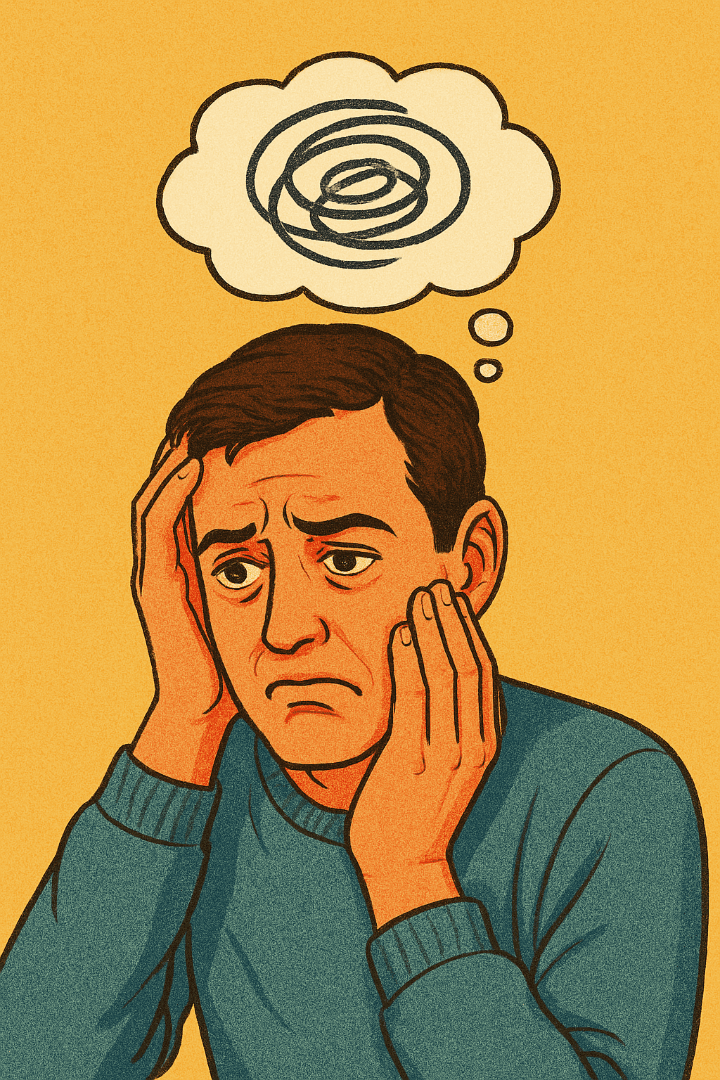
Obsessions are recurrent and distressing thoughts, images, or impulses that enter the mind involuntarily and against the person’s will. The individual is aware that these contents are real but irrational or unrealistic; but they struggle to control them or remove them from their mind. The defining feature of obsessions is that they generate intense anxiety and distress in the individual. These thoughts arise beyond the person’s control and typically create a strong need to neutralize or render them ineffective.
class=\
Obsessive thoughts are more closely related to internal conflicts than to real-life problems. These thoughts typically recur in a compulsive manner and occupy a significant portion of the individual’s time. Obsessions can negatively affect the person’s social and occupational functioning. Although most individuals recognize these thoughts as irrational, they find it difficult to suppress or ignore them. Guilt, disgust, fear, and anxiety about responsibility often underlie obsessions.
Obsessions are often associated with intense negative emotions such as guilt, shame, and fear. Although the person does not endorse these thoughts, their presence in the mind may lead them to feel guilty. Religious and sexual obsessions particularly trigger feelings of shame and self-disgust. In harm obsessions, individuals may fear their own impulses and worry about losing control. These emotional responses contribute to the persistence of obsessive thoughts.
Over time, obsessions can severely disrupt an individual’s daily life. A large portion of mental energy is devoted to suppressing or neutralizing obsessive content. Declines in performance may be observed in areas such as work, school, and social life. Additionally, individuals may develop various avoidance behaviors to cope with these thoughts, further reducing their quality of life. Obsessions can lead to anxiety, embarrassment, and social withdrawal, especially in interpersonal relationships.

class=\
Obsessions and compulsions often occur together; however, obsessions can exist independently. Obsession refers to involuntary thoughts and images, while compulsion denotes repetitive behaviors performed to reduce or neutralize these thoughts. For example, an individual may experience the thought “My hands are dirty” (obsession) and engage in constant handwashing (compulsion). However, in some individuals only obsessions are present; this condition is referred to as “pure obsession.”
The religious, moral, and cultural structures of societies can influence the content of obsessions. In societies where religious elements are central to life, religious obsessions are more common, whereas in cultures emphasizing individuality, obsessions related to control, order, and harm may be more prominent. At the same time, in environments where topics such as sexuality and aggression are considered taboo, obsessions involving these themes may be experienced more intensely and distressingly.
Faraji, Hatice, Dilara Parlak, and Ahmet Tezcan. "Obsesif Kompulsif Bozukluk ile Duygu Düzenleme Güçlüğü İlişkisi Hakkında Bir Değerlendirme." İstanbul Gelişim Üniversitesi Sosyal Bilimler Dergisi 10, no. 2 (2023): 892–909.
Karakış, Seda, and Merve Karaaziz. "Obsesif Kompulsif Bozukluğa Sahip Bireylerde Bilişsel Davranışçı Terapi Kullanılması Üzerine Sistematik Bir Derleme." ISPEC International Journal of Social Sciences & Humanities 7, no. 4 (2023): 916–922.
Şahin, Hatice Ecem, and Gülşenur Odabaşı Ediboğlu. "Obsesif Kompulsif Bozukluk: Kısa Bir Gözden Geçirme." Çukurova Tıp Öğrenci Dergisi 2, no. 2 (2022): 51–58.

Clinical Characteristics
Common Types of Obsessions
Emotional Dynamics of Obsessions
Impact of Obsessions on Functioning
Distinction Between Obsession and Compulsion
Social and Cultural Dimensions of Obsession