This article was automatically translated from the original Turkish version.
+2 More
Official Name | Kingdom of Norway (Kongeriket Norge) | ||||||||
|---|---|---|---|---|---|---|---|---|---|
Capital | Oslo | ||||||||
Official Language | Norwegian (Bokmål) Nynorsk Sami (Northern Sami) | ||||||||
Form of Government | Parliamentary monarchy | ||||||||
King | Harald V | ||||||||
Prime Minister | Jonas Gahr Støre | ||||||||
Area | 324,220 km² (307,860 km² land, 16,360 km² water) | ||||||||
Population (2024) | 5,514,417 | ||||||||
Currency | Norwegian Krone (NOK) | ||||||||
Telephone Code | +47 | ||||||||
Ethnic Composition | Norwegians Sami minority | ||||||||
Climate | Temperate maritime climate | ||||||||
Education | Literacy rate 100% (age 15 and over) | ||||||||
Internet Domain | .no | ||||||||
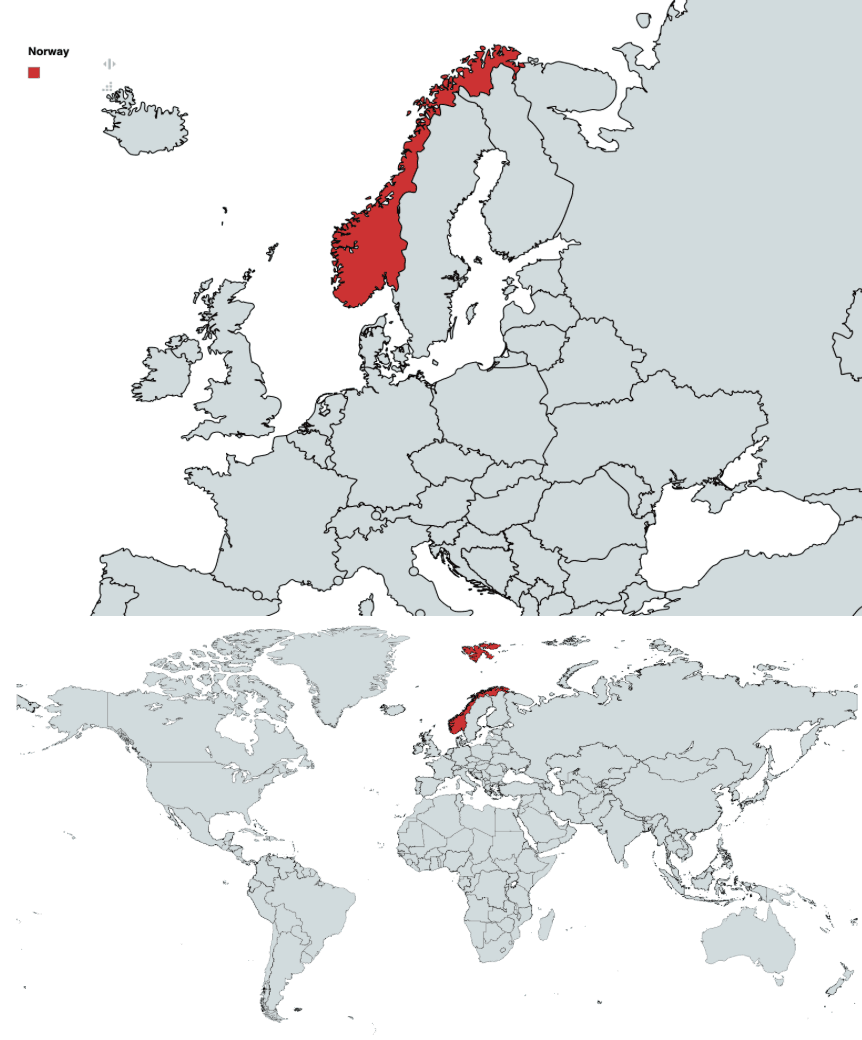
The Kingdom of Norway is a country located in northern Europe on the western side of the Scandinavian Peninsula, known for its long, indented coastline, fjords, and high mountains. It shares land borders with Sweden to the east, Finland to the northeast, and Russia to the northeast. With a total area of 323,802 square kilometers, Norway stands out for its low population density, rich natural resources, and strong environmental protection policies. The capital city, Oslo, plays a central role both administratively and culturally.
Governed as a parliamentary monarchy, Norway is distinguished by its high standard of living, comprehensive social welfare system, and effective public institutions. Although not a member of the European Union, Norway is a member of NATO and the European Economic Area (EEA), maintaining close economic and political ties with Europe. The Norwegian economy is largely based on oil, natural gas, fishing, and hydropower production. At the same time, its democratic traditions, understanding of social equality, and cultural connection to nature form the foundational pillars of Norwegian society.
The National Anthem of Norway (Ingen)
Norway lies between 62°00' North latitude and 10°00' East longitude. Its total area is 323,802 square kilometers, of which 304,282 square kilometers are land and 19,520 square kilometers are water. This area is approximately equivalent in size to the U.S. state of New Mexico. Norway shares a total land border of 2,566 kilometers with Finland (709 km), Sweden (1,666 km), and Russia (191 km). Norway’s coastline, divided by countless islands and fjords, stretches for 25,148 kilometers.
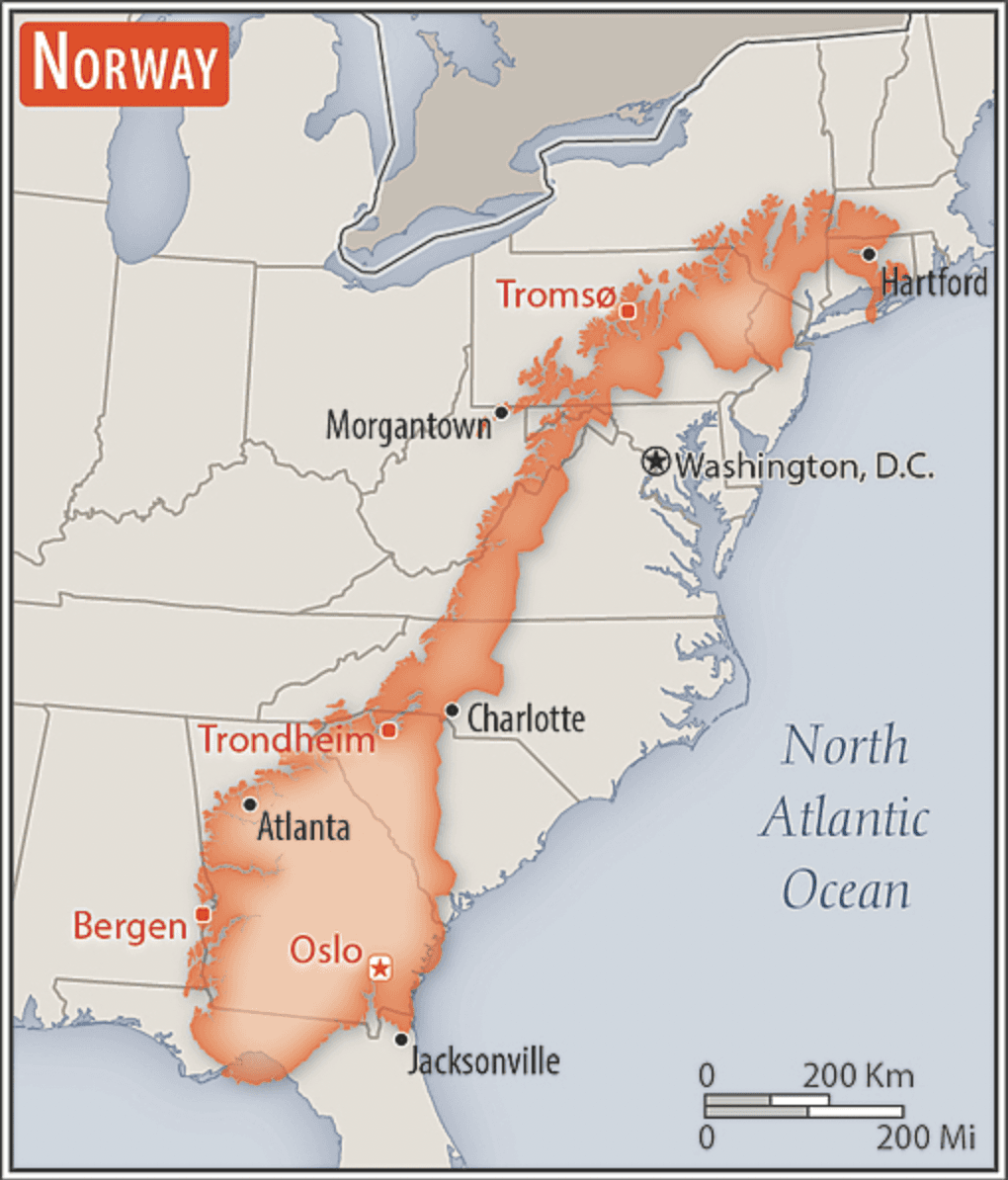
Geographical Location of Norway. (CIA)
In ancient times, Indo-European peoples settled along Norway’s coasts, and permanent settlements were established around Oslo approximately 6,000 years ago. Viking raids exerted influence across Europe for about two centuries, but their frequency declined after King Olav Tryggvason adopted Christianity in 994. By the 11th century, the Kingdom of Norway had become Christian. In 1397, Norway joined the Kalmar Union with Denmark and remained under this union for more than four centuries.
In 1814, Norwegians opposed their country’s cession to Sweden and adopted a new constitution. Although Sweden invaded and established a union with Norway, the constitution was preserved. The rise of nationalist movements culminated in a 1905 referendum that secured Norway’s independence. During World War I, Norway remained neutral but suffered significant ship losses. It declared neutrality again at the outset of World War II but was occupied by Nazi Germany from 1940 to 1945. In 1949, Norway joined NATO, ending its policy of neutrality. Economic growth began in the late 1960s with the discovery of oil and natural gas. Two referendums rejected membership in the European Union, and Norway has maintained its relationship with the EU through the European Economic Area (EEA). Oil revenues have been channeled into the Government Pension Fund Global.
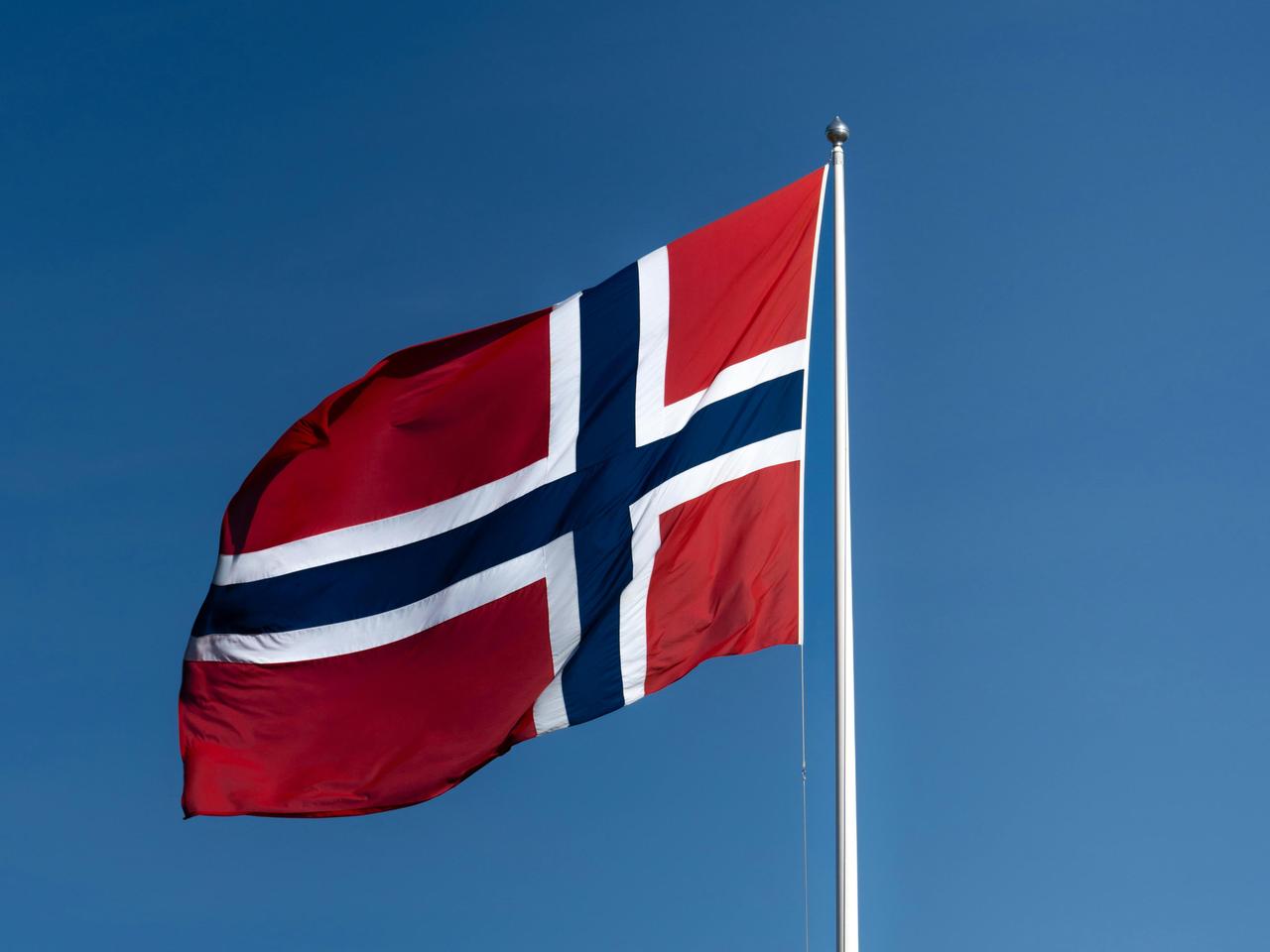
Flag of Norway. (Pexels)
Norway’s climate exhibits temperate characteristics along the coast due to the influence of the North Atlantic Current, while inland areas are colder. Increased precipitation and cooler summers contribute to glacier growth. Rainfall occurs throughout the year along the western coast. The country’s terrain has been shaped by glacial activity, featuring mostly high plateaus and rugged mountains interspersed with fertile valleys. A deeply indented coastline, characterized by small, scattered plains and fjords, offers Norway’s distinctive natural beauty. In northern regions, Arctic tundra vegetation dominates.
Norway’s lowest point is at sea level along the Norwegian Sea, while Galdhøpiggen at 2,469 meters is the country’s highest peak. Its rich natural resources include oil, natural gas, iron ore, copper, lead, zinc, titanium, pyrite, nickel, fishing, timber, and hydropower. Natural hazards include rockfalls, avalanches, and landslides. Environmental issues include pollution in the North Sea and North Atlantic, air pollution, and damage to rivers, lakes, and forests caused by acid rain.
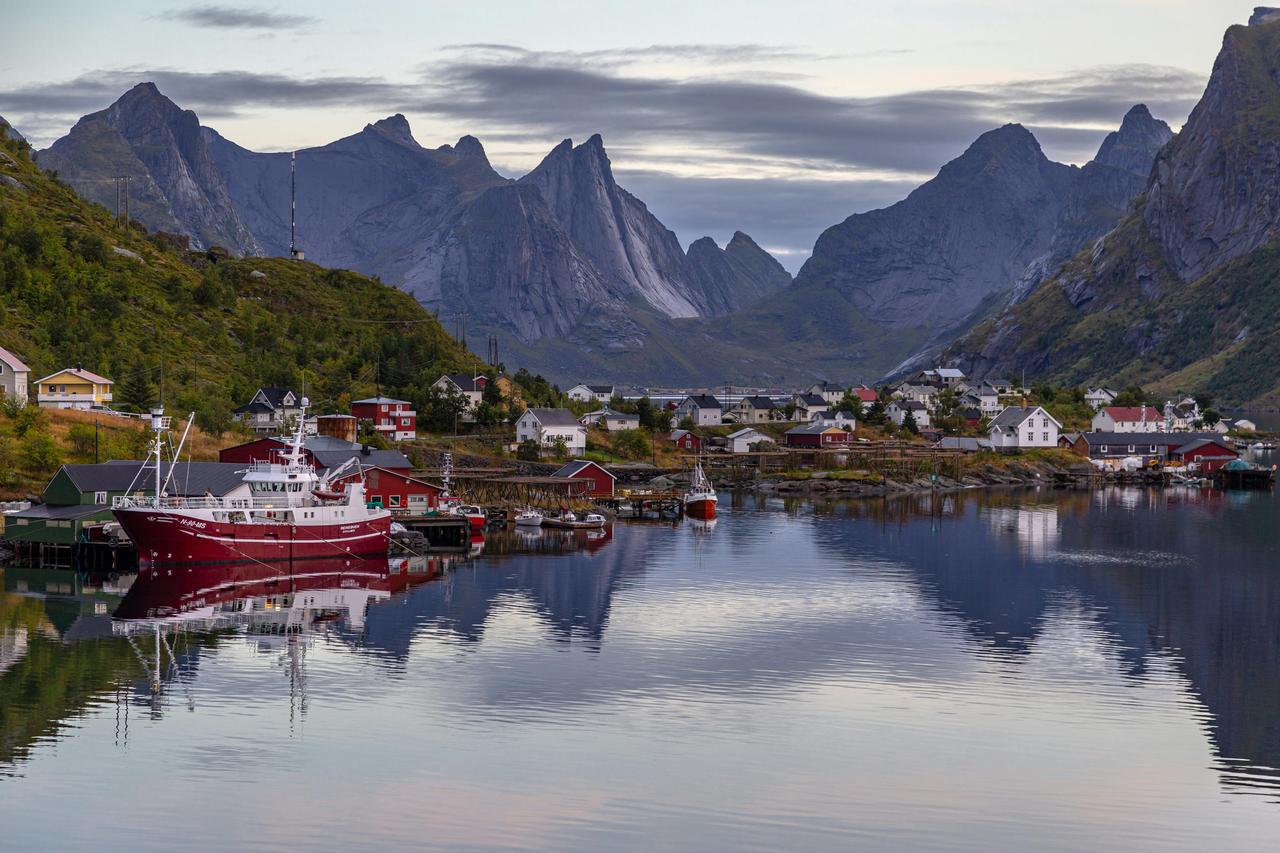
Picturesque Harbor in the Ålesund Region of Norway. (Pexels)
Thirty-seven percent of the country is covered by forests. Low-altitude areas feature mixed deciduous and coniferous forests, while higher elevations are dominated by taiga forests and tundra vegetation. Above the tree line in the north, Arctic tundra characteristics prevail.
The Norwegian economy follows a resource-based welfare capitalism model. The state plays an active role in strategic sectors such as energy and infrastructure. The country possesses abundant natural resources including oil, natural gas, hydropower, fish, forests, and minerals. The economy is highly dependent on oil production and international oil prices; oil and gas exports account for approximately one-third of total exports.
Norway is the third-largest oil exporter in the world after Saudi Arabia and Russia, and the third-largest natural gas exporter globally. Its estimated 2023 GDP (at purchasing power parity) is $348.53 billion USD. GDP growth rates were 0.9% in 2023, 3.4% in 2022, and 4.8% in 2021. The unemployment rate was 3.6% in 2023 and 3.4% in 2022. Major exports include oil and petroleum products, natural gas, fish, aluminum, and shipping services. Major imports include machinery and equipment, chemicals, ships, vehicles, and foodstuffs.
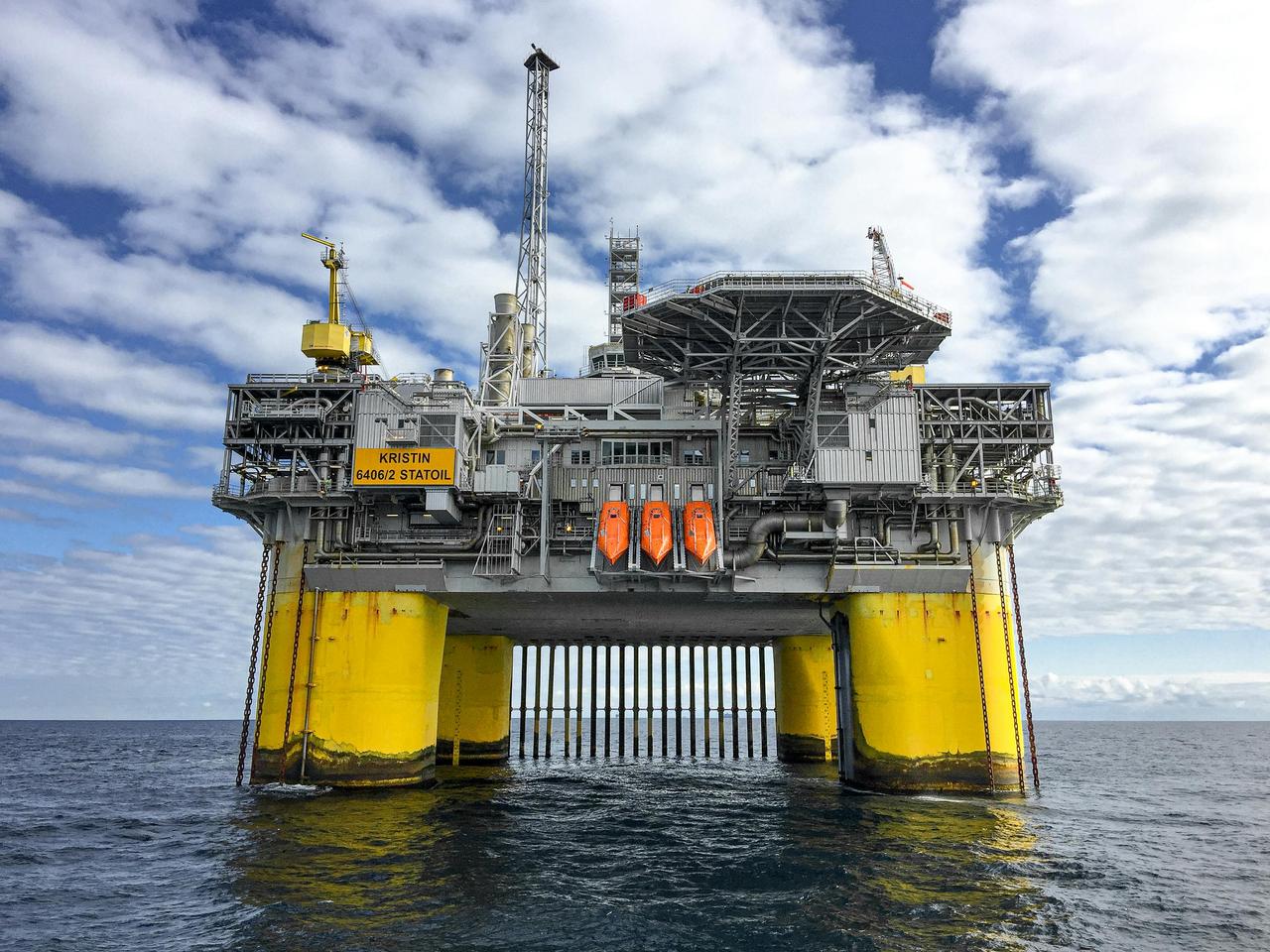
Norwegian Offshore Drilling Rig. (Pexels)
Norway has a 100% literacy rate. Access to education is universal and funded by the state. Multiculturalism and content related to the indigenous Sámi people have been incorporated into the national curriculum in early childhood education.
As of 2021, proven natural gas reserves amount to 1.36 trillion cubic meters and oil reserves to 6.95 billion barrels. Eighty-eight percent of electricity production comes from hydropower and 10% from wind energy. Norway ranks among the world’s top countries in per capita energy production and renewable energy usage.
Norway’s telecommunications infrastructure is highly developed. Telephone, mobile, and internet services are widely used. Numerous radio and television broadcasters operate across the country. As of 2022, the estimated number of internet users is 5.231 million, with very high internet penetration.
The Norwegian Armed Forces consist of the Army, the Royal Norwegian Navy (including the Coast Guard), and the Royal Norwegian Air Force, all under the Ministry of Defence. The age for military service is 19. Compulsory military service applies to both men and women aged 19 to 35 (selective service; mandatory registration from age 19 and up to 12 months of service). Defense spending accounted for an estimated 1.7% of GDP in 2023.
Norway resolved a decades-long dispute with Russia over maritime and territorial rights in the Arctic Ocean in 2010. Claims to continental shelf areas in the Arctic region play a significant role in Norway’s foreign policy. Norway’s decision not to join the European Union and its relationship with the EU through the European Economic Area are defining factors in its international position. Additionally, Norway plays an active role on the global stage regarding climate change and environmental protection.
Diplomatic relations between Türkiye and Norway were established in 1926. The two countries have maintained close cooperation in security and defense within the NATO framework, particularly since the end of the Cold War. Bilateral relations are generally friendly, with similar approaches on regional and global issues.
Economic relations have remained stable over the years despite fluctuations. In 2023, bilateral trade volume reached $1.866 billion USD. Direct investment from Norway to Türkiye between 2002 and 2024 totaled $1.198 billion USD, while investment from Türkiye to Norway reached $222 million USD.
Tourism and social ties also strengthen bilateral relations. In 2024, the number of Norwegian tourists visiting Türkiye reached 223,000. The Turkish population in Norway is approximately 28,000.
The main ethnic group in Norway is Norwegians, and the Sámi community, estimated at around 60,000 people (2020 estimate), contributes to the country’s cultural diversity. Norwegian is the national language and is used in two official written standards: Bokmål and Nynorsk. Sámi and Kven languages are also spoken.
The majority of the population is concentrated in southern regions, where climate conditions are milder and connections to mainland Europe are stronger. Population density is particularly high along the North Sea coast in the southwest and along the Skagerrak in the southeast, while the northern interior regions are sparsely populated. As of July 2024, the estimated total population is 5,514,417. The age distribution is 17.6% (0–14 years), 64.2% (15–64 years), and 18.2% (65 years and over). The average life expectancy is 82.78 years, with 80.74 years for men and 84.95 years for women. According to religious affiliation, 67.5% of the population belongs to the Church of Norway (Evangelical Lutheran – the state religion). Muslims constitute 3.1%, Roman Catholics 3.1%, other Christians 3.8%, other religions 2.6%, and unspecified 19.9%.
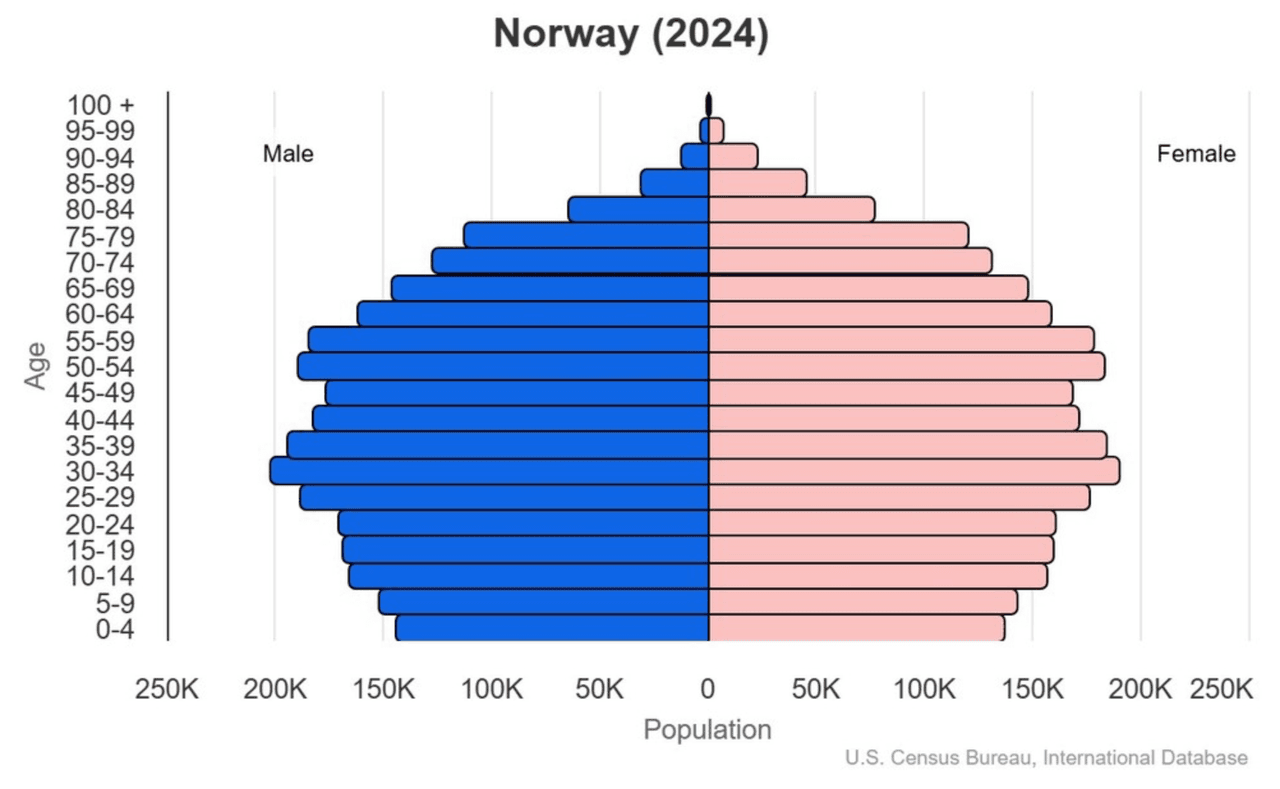
Population Distribution of Norway, 2024. (CIA)
Norway’s transportation infrastructure consists of a modern network supported by advanced engineering solutions despite the country’s challenging geography. Mountainous terrain, deep valleys, and fjords have necessitated complementary development of road, rail, maritime, and air networks.
Roads form a system totaling approximately 93,870 kilometers, connecting various regions of the country. Due to the fjords along the western coast, numerous tunnels and bridges have been constructed; Norway ranks among the world’s top countries in tunnel length per capita.
The railway system spans approximately 4,200 kilometers and is concentrated mainly in the south and east. Electrification rates are high. Regular train services operate between Oslo and cities such as Bergen, Trondheim, and Stavanger.
Maritime transport plays a vital role due to Norway’s extensive coastline. Ferry services connect fjords and islands. As of 2023, Norway’s merchant fleet consists of 1,347 vessels, with Oslo, Bergen, Narvik, Mongstad, and Sture serving as the main port cities.
Air transport provides a network linking inland areas with coastal cities. As of 2023, Norway has a total of 96 airports. Oslo-Gardermoen is the country’s largest and busiest international airport.
Sustainability is a central principle in transportation infrastructure. Norway has become the country with the highest rate of electric vehicle adoption in Europe through incentive policies promoting the transition to electric vehicles. Numerous charging stations have been established for road transport.
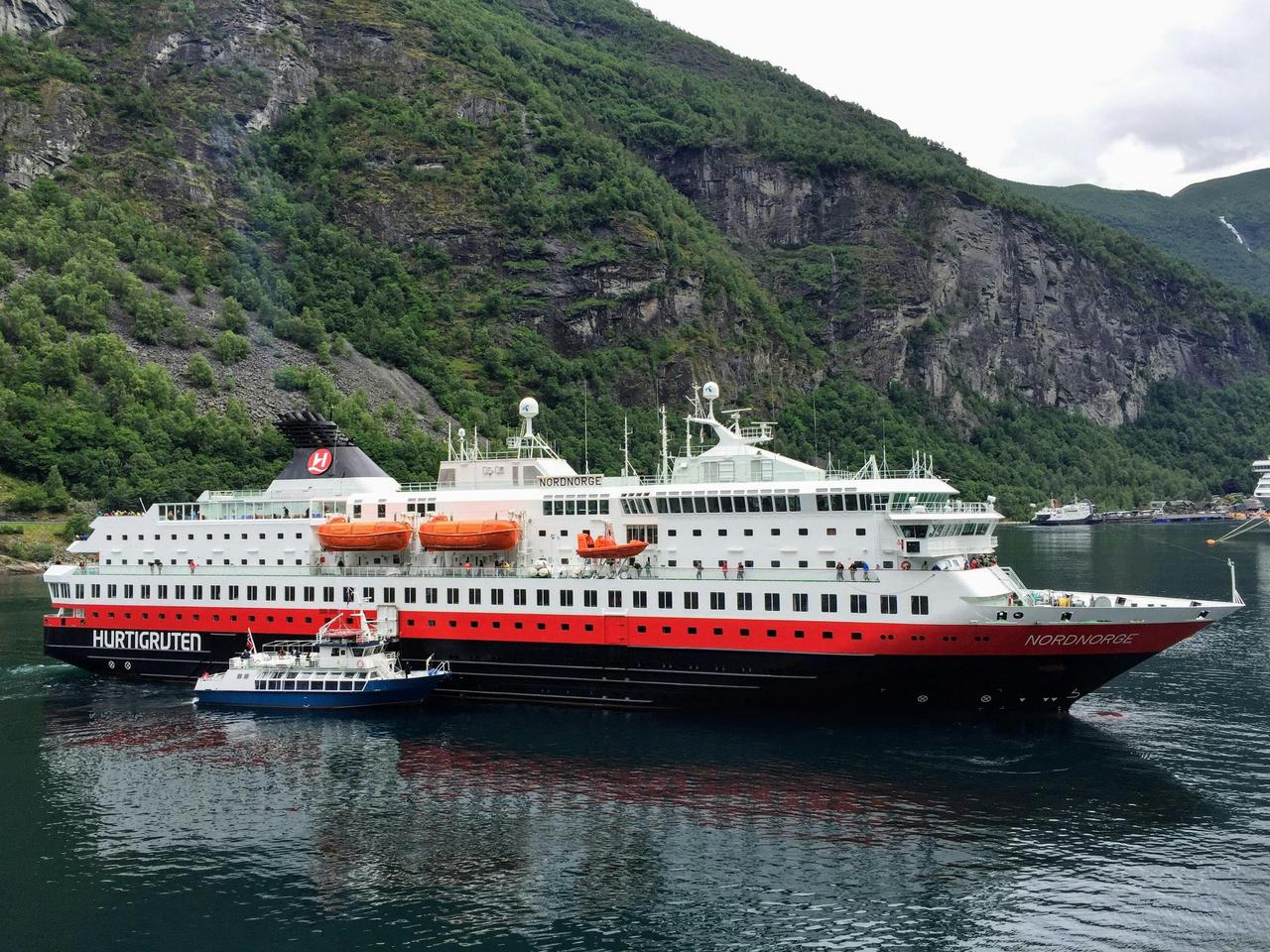
Hurtigruten Coastal Express. (Pexels)
Norwegian culture is a multifaceted structure shaped by a deep relationship with the natural environment, a commitment to social equality, the cultural heritage of the indigenous Sámi people, and class-based lifestyles. This cultural framework encompasses both homogenizing national values and regional and ethnic diversity, influenced by historical and geographical factors.
Nature in Norway is not merely a physical environment but a key reference point for identity. Weekend escapes to rural areas, recreational home ownership, and time spent outdoors are practices that reinforce a sense of belonging and cultural attachment.
Culturally, the indigenous Sámi community holds a unique position. Sámi identity is represented in national education policies; this cultural diversity is transmitted to children from an early age, allowing local distinctions to coexist within national unity.
Although Norwegian culture presents a surface impression of egalitarianism, it harbors distinct class divisions at the level of cultural preferences and lifestyles. These distinctions are observable in everyday life through dietary habits, leisure activities, and cultural consumption patterns. Education level and social capital are influential factors in the formation and persistence of these differences.
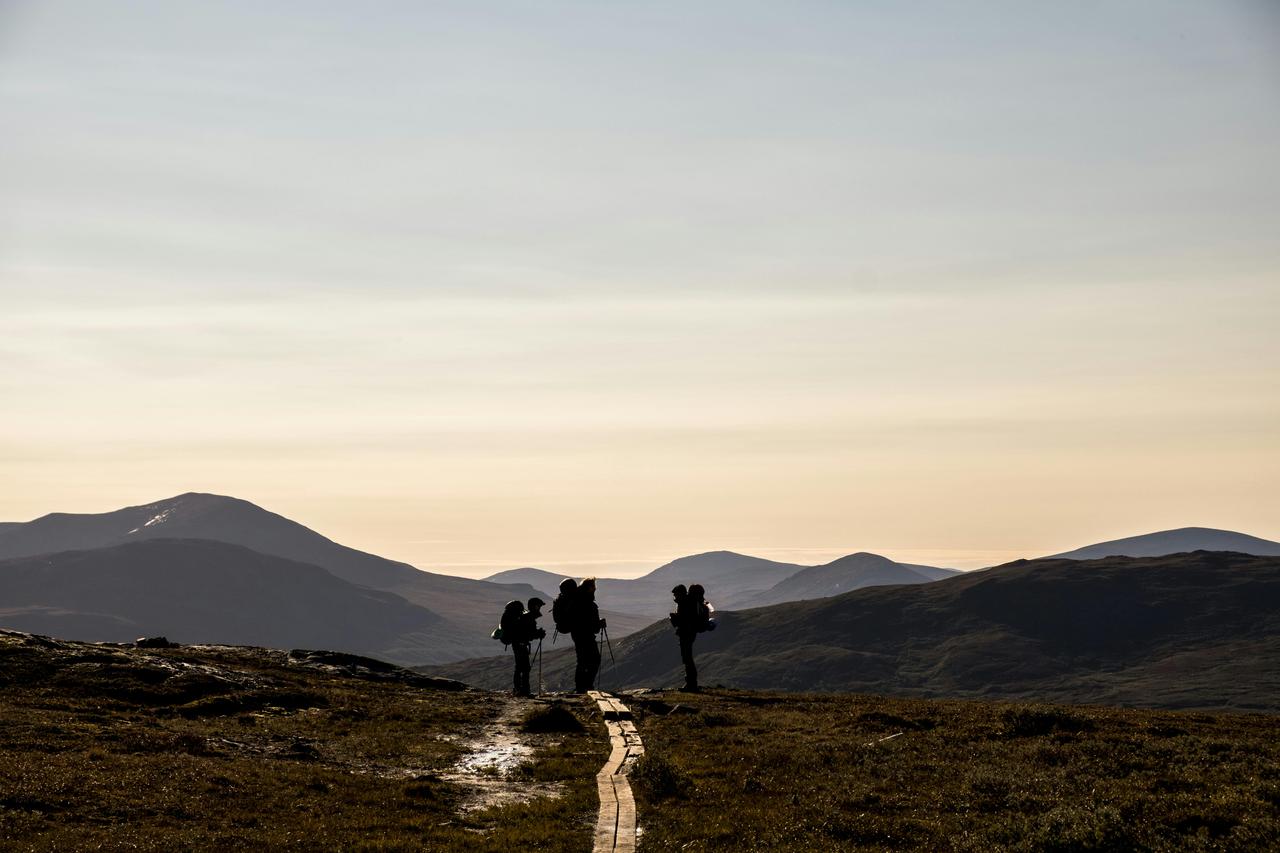
Friluftsliv. (Pexels)
Historically, Norwegian cuisine has been simple and based on local resources. In modern times, it is being preserved and redefined through Geographical Indications (GIs). The GI system, introduced in 2002 in line with the European Union model, links products to specific geographical origins and is supported by both producers and public institutions through cultural adaptation. Major Norwegian products protected by GI status include:
These products are culturally significant examples shaped by both the natural environment and social production relationships. However, the concept of “terroir” as understood in Europe is not strongly developed in Norway, and consumer awareness of the GI system remains limited. Consequently, comprehensive cultural adaptation processes—including reinterpretation of meanings, restructuring of social organization, and transformation of product characteristics—are underway.
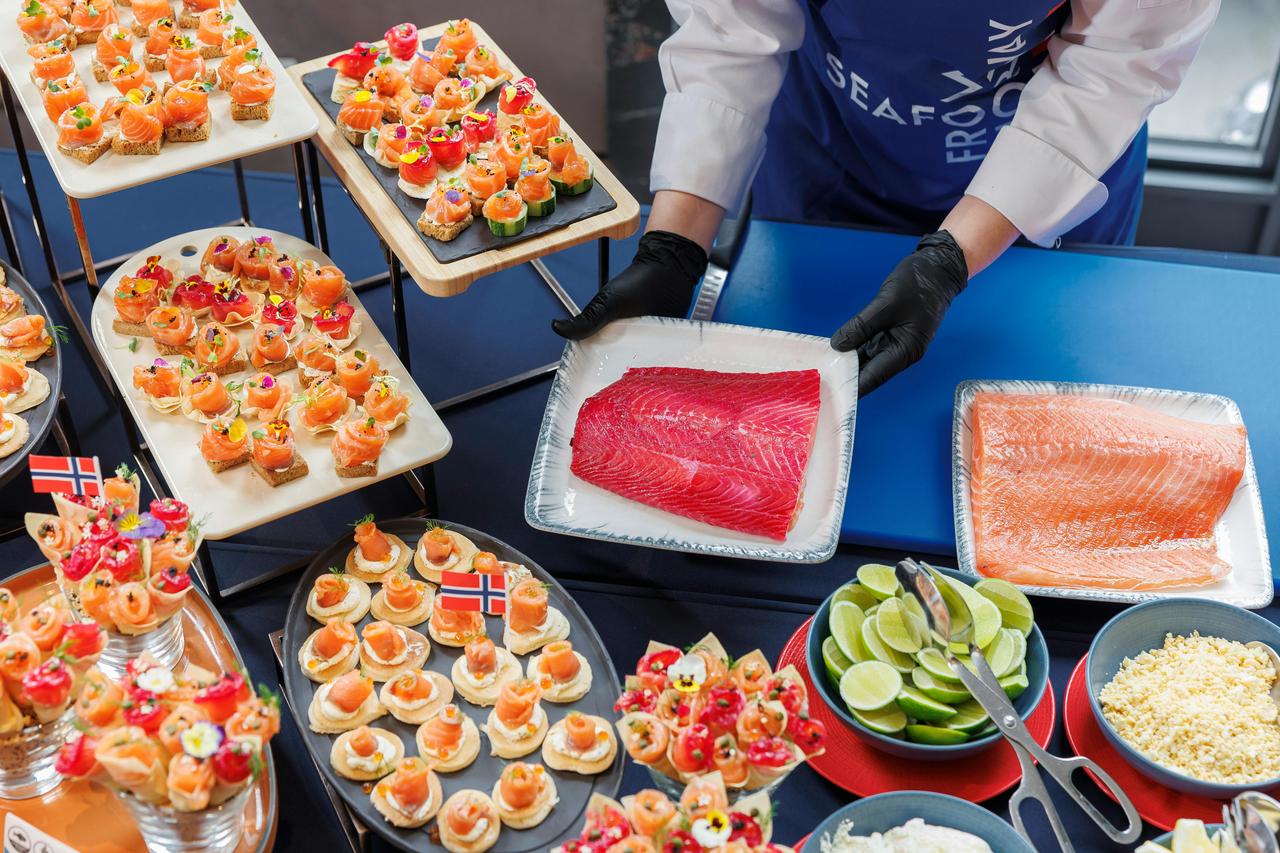
Norwegian Smoked Salmon Fillets. (Pexels)
Norway’s natural beauty has made tourism a major economic sector. Fjords, mountains, waterfalls, and islands attract millions of tourists annually. Winter tourism is also highly developed; ski resorts, ice hotels, and Northern Lights observation tours are significant sources of income. The country also draws attention through its open-air museums.
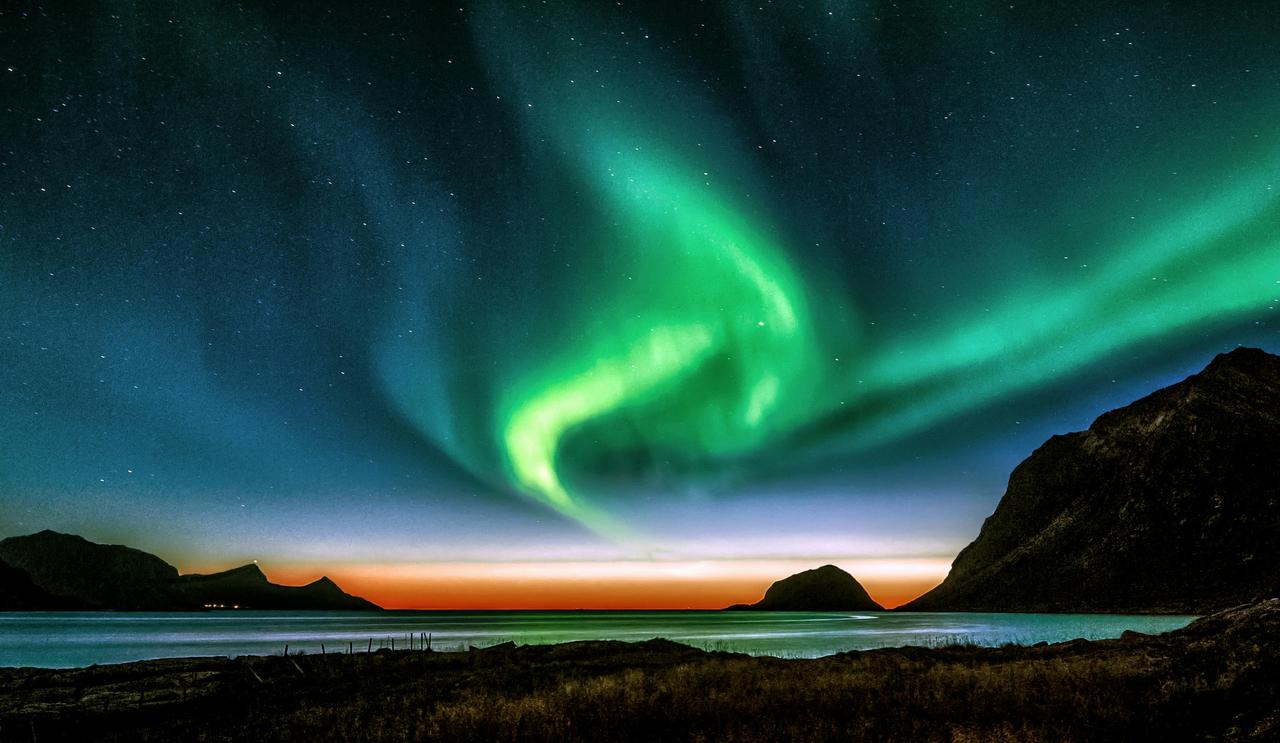
Northern Lights. (Pexels)
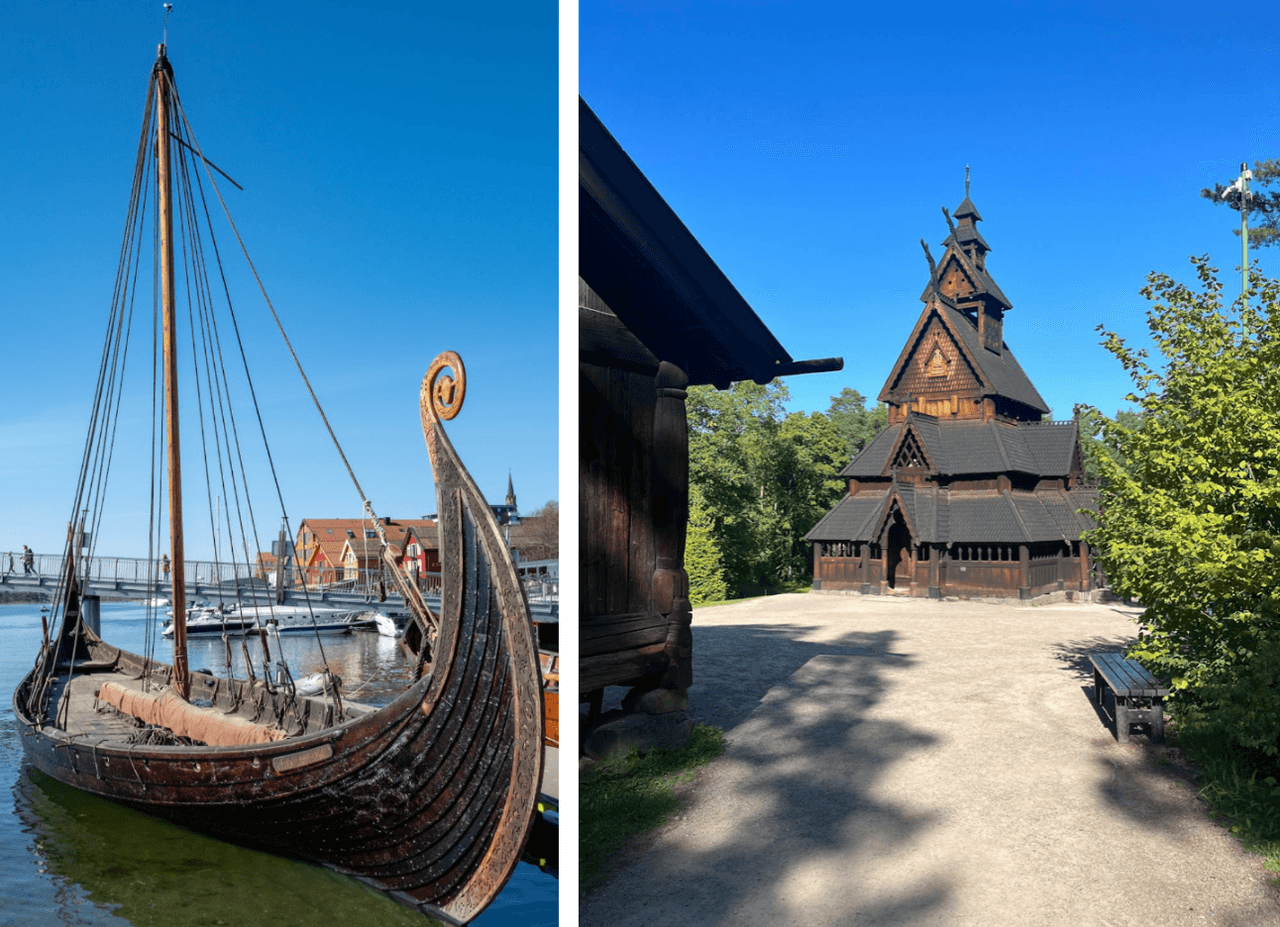
Open-air museum practices in Norway developed to preserve traditional ways of life and transmit them to future generations. The most important example is the Norsk Folkemuseum (Norwegian Open-Air Folk Museum), opened to the public in 1902. Located in the Bygdøy district of Oslo, the museum displays approximately 200 structures relocated from different geographical regions of Norway, presenting rural and urban life from the past in their original form. Wooden churches, farmhouses, barns, workshops, and urban dwellings are exhibited with their original interiors. Staff dressed in traditional clothing provide information to visitors, preserving tangible traces of daily life alongside vernacular architecture. In addition to open-air exhibits, indoor galleries feature folk art, church furnishings, musical instruments, and themes related to Sámi culture. Supported by educational, research, and cultural reenactment activities, this museum approach makes a significant contribution to Norway’s cultural continuity.
Artekîn, Ayşe Özge, and Seda Erbay. “İnsan Kaynakları Yönetiminde Ekonomik Dinamikler: Norveç Örneğinde Ekonomik Büyüme, Çalışma Saatleri ve İşgücü Verimliliği İlişkisi.” *Uluslararası Yönetim Akademisi Dergisi* 8, no. 2 (2025): 503–513. Accessed July 31, 2025.https://doi.org/10.33712/mana.1616150
CIA. "Norway." The World Factbook. Accessed July 29, 2025.https://www.cia.gov/the-world-factbook/countries/norway/#introduction
Danielsen, Åse Røyseng, Hallgeir Gammelsæter, and Eli Støa. “Performing Nationalism - Sámi Culture and Diversity in Early Education in Norway.” *International Journal of Cultural Policy* 29, no. 3 (2023): 283–298. Accessed July 31, 2025.https://doi.org/10.1177/14749041231186835
Doug, Hulmes. *A Very Brief Introduction to Sámi Culture and Spirituality*. Föreningen Världens Historia, 2019.https://www.researchgate.net/publication/335339526_An_Autoethnographic_Exploration_of_Norway_Nature_and_Culture
Flemmen, Magne., Hjellbrekke, Josh., and Jarness, Vegard. “Class Culture and Culinary Tastes: Cultural Distinctions and Social Class Divisions in Contemporary Norway.” *Sociology* 52, no. 1 (2018): 128–149. Accessed July 31, 2025.https://doi.org/10.1177/0038038516673528
Gezer, Sibel, and Dinçer, Mithat Zeki. "Yenilenebilir enerji kaynakları kapsamında hidroelektrik santrallerinin çevre ve turizme etkileri, Norveç modeli Çakıt HES örneği." Master's thesis, İstanbul Üniversitesi Sosyal Bilimler Enstitüsü, 2017. Accessed July 31, 2025.https://tez.yok.gov.tr/UlusalTezMerkezi/tezDetay.jsp?id=NjU7LCLCVg8wI4GlFy8c-w&no=rSzUqzCBbylu2LPfhhu3Cw
Hegnes, Atle Wehn. *Food Cultures and Geographical Indications in Norway.* Routledge, 2023.
Ingen. "National Anthem of Norway - 'Ja Vi Elsker Dette Landet' [ALL VERSES]." YouTube. Accessed July 31, 2025.https://youtu.be/BJjiNjcDAwM?si=dQW98xInBZ0YfKUu
Kaltenborn, Bjørn P. 1997. “Nature of Place Attachment: A Study among Recreation Homeowners in Southern Norway.” *Leisure Sciences* 19 (3): 175–89. Accessed July 31, 2025.https://doi.org/10.1080/01490409709512248
MapChart. "World JPG." MapChart. Accessed July 31, 2025.https://www.mapchart.net/world.html
Pexels. "Ahşap Viking teknesi JPG." Accessed July 31, 2025.https://www.pexels.com/tr-tr/fotograf/limanda-ahsap-viking-teknesi-8963119/
Pexels. "Hurtigruten kıyı ekspresi JPG." Accessed July 31, 2025.https://www.pexels.com/tr-tr/fotograf/deniz-gemi-tepe-dag-5334308/
Pexels. "Kuzey ışıkları JPG." Accessed July 31, 2025.https://www.pexels.com/tr-tr/fotograf/gece-sirasinda-dagin-uzerindeki-yesil-kutup-isiklari-3855632/
Pexels. "Norveç füme somon kanepeleri JPG." Accessed July 31, 2025.https://www.pexels.com/tr-tr/fotograf/32611685/
Pexels. "Norveç, açık denizde bir sondaj gemisi JPG." Accessed July 31, 2025.https://www.pexels.com/tr-tr/fotograf/su-govdesinde-acik-deniz-sondaj-makinesi-3207531/
Pexels. "Oslo Açık Hava Müzesi'ndeki Gol Stave Kilisesi JPG." Accessed July 31, 2025.https://www.pexels.com/tr-tr/fotograf/oslo-acik-hava-muzesi-ndeki-gol-stave-kilisesi-32887699/
Pexels. “Friluftsliv JPG.” Pexels. Accessed July 31, 2025.https://www.pexels.com/tr-tr/fotograf/daglar-insanlar-yurumek-macera-8220285/
T.C. Ministry of Foreign Affairs. "Türkiye-Norveç İlişkileri." T.C. Ministry of Foreign Affairs Website. Accessed July 31, 2025.https://www.mfa.gov.tr/turkiye-norvec-siyasi-iliskileri.tr.mfa
“Norveç'in Å Bölgesindeki Pitoresk Limanı JPG.” Pexels. Accessed July 31, 2025.https://www.pexels.com/tr-tr/fotograf/norvec-in-a-bolgesindeki-daglarla-birlikte-pitoresk-liman-28539708/
Official Name | Kingdom of Norway (Kongeriket Norge) | ||||||||
|---|---|---|---|---|---|---|---|---|---|
Capital | Oslo | ||||||||
Official Language | Norwegian (Bokmål) Nynorsk Sami (Northern Sami) | ||||||||
Form of Government | Parliamentary monarchy | ||||||||
King | Harald V | ||||||||
Prime Minister | Jonas Gahr Støre | ||||||||
Area | 324,220 km² (307,860 km² land, 16,360 km² water) | ||||||||
Population (2024) | 5,514,417 | ||||||||
Currency | Norwegian Krone (NOK) | ||||||||
Telephone Code | +47 | ||||||||
Ethnic Composition | Norwegians Sami minority | ||||||||
Climate | Temperate maritime climate | ||||||||
Education | Literacy rate 100% (age 15 and over) | ||||||||
Internet Domain | .no | ||||||||
Geographical Location
History
Geography and Climate
Vegetation
Economy
Education
Energy
Communication
Military and Security
International Relations
Relations with Türkiye
Population and Demographics
Transportation and Infrastructure
Culture
Norwegian Cuisine
Tourism
Open-Air Museums