


This article was automatically translated from the original Turkish version.
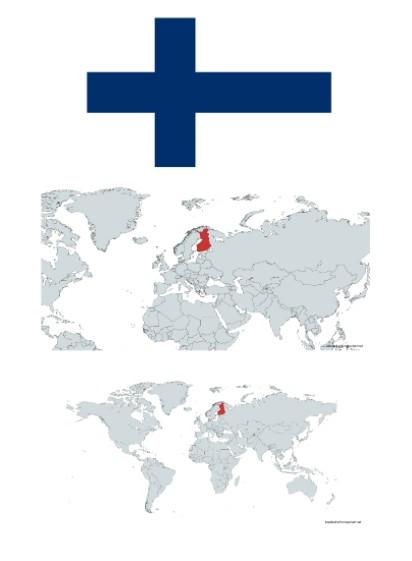
Republic of Finland
Capital | Helsinki | ||||||||
|---|---|---|---|---|---|---|---|---|---|
Official Language | Finnish | ||||||||
Form of Government | Parliamentary Democracy | ||||||||
President | Alexander Stubb | ||||||||
Prime Minister | Petteri Orpo | ||||||||
Independence | 06.12.1917 | ||||||||
Area (km²) | 338145 | ||||||||
Population | 5500000 | ||||||||
Currency | Euro | ||||||||
Time Zone | UTC+2 (Winter Time) UTC+3 (Summer Time) | ||||||||
Telephone Code | +358 | ||||||||
Internet Extension | .fi | ||||||||
Climate | Relatively mild A harsh and cold climate in northern regions | ||||||||
Ethnic Structure | 90% Finnish, 5% Swedish, 1.5% Russian, 3.5% other | ||||||||
GDP | 305.7 billion dollars | ||||||||
GDP per Capita | 54507 USD | ||||||||
Finlandiya is a country located in Northern Europe, known for its natural beauty and high standards of living. Its landscapes, dense forests, thousands of lakes, and Northern Lights make it famous. Finland attracts attention with its calm and peaceful lifestyle. It is recognized globally for its success in education, healthcare, and technology. Additionally, according to numerous studies, Finland frequently ranks among the world’s happiest countries due to its high quality of life and low crime rates.
class=\
Throughout its history, Finland has interacted with various cultures and nations, shaping its own identity. After gaining independence in 1917, Finland rapidly modernized and today plays an important role on the international stage as both a member of the European Union and a new member of NATO. Finland has also pioneered initiatives in innovation and sustainability.
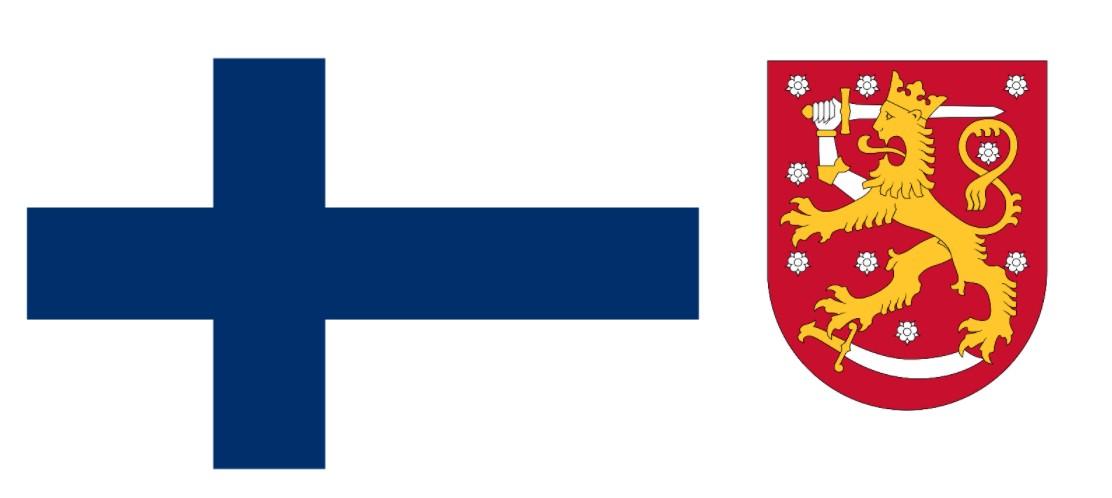
Finland’s national anthem is known as "Maamme" (Turkish: “Our Land”). The lyrics were written by the renowned Swedish-Finnish poet Johan Ludvig Runeberg and taken from a poem published in 1846. The poem was originally written in Swedish and titled "Vårt land" (Swedish: “Our Land”). The melody was composed by Fredrik Pacius. It was first performed in 1848 by a student group and quickly gained popularity among the public.
The anthem carries deep meaning as a symbol of Finland’s national identity and its struggle for independence. After Finland declared independence in 1917, "Maamme" was embraced by the people as the national anthem. However, it is not officially designated by law as the national anthem; it is used traditionally as such. Typically only the first and last verses are sung, and all eleven stanzas are rarely performed. Additionally, it shares the same melody as Estonia’s national anthem, though Estonia’s version does not repeat the final lines.
Finland’s history spans thousands of years and has been shaped by numerous cultures and external influences. Geographically situated in a strategic location, Finland has always been a focal point for major powers. This historical process has shaped the cultures, social structures, and political outlooks of its people. Finland’s history includes key phases from ancient Stone Age settlements, through the medieval Swedish and Russian rule, to its struggle for independence and the modern era.
Finland’s recorded history begins approximately 10,000 years ago. As the last Ice Age receded, the first humans settled in the region across the frozen waters of the Baltic Sea. Artifacts from the Early Stone Age indicate that these early inhabitants lived as hunter-gatherers. It is believed these first settlers arrived in Finland through migrations from Central Asia.
The Middle Ages represent a pivotal turning point in Finland’s history. In the 12th century, the Kingdom of Sweden began incorporating Finland into its territories, and by the early 13th century, the region came under Swedish rule. During the 600 years of Swedish governance, Christianity spread throughout Finland, and the region adopted the Scandinavian legal system. During this period, Finland’s cultural identity was heavily influenced by Sweden. Sweden exerted strong influence over education, law, and language in the region. At the same time, industry and trade began to develop in Finland. However, the local population was not fully satisfied with Swedish dominance, and occasional demands for independence emerged.
In 1809, during Napoleon’s war against Russia, the Russian Empire defeated Sweden and annexed Finland. Finland thus became a Grand Duchy under Russian rule. However, during this period, Finland gained a degree of autonomy in its internal affairs. Tsar Alexander I granted Finland the right to establish its own laws and independent administration. This autonomy allowed Finland to preserve its cultural identity and develop distinctions from Russia. Finland established its own currency, postal system, and education system.
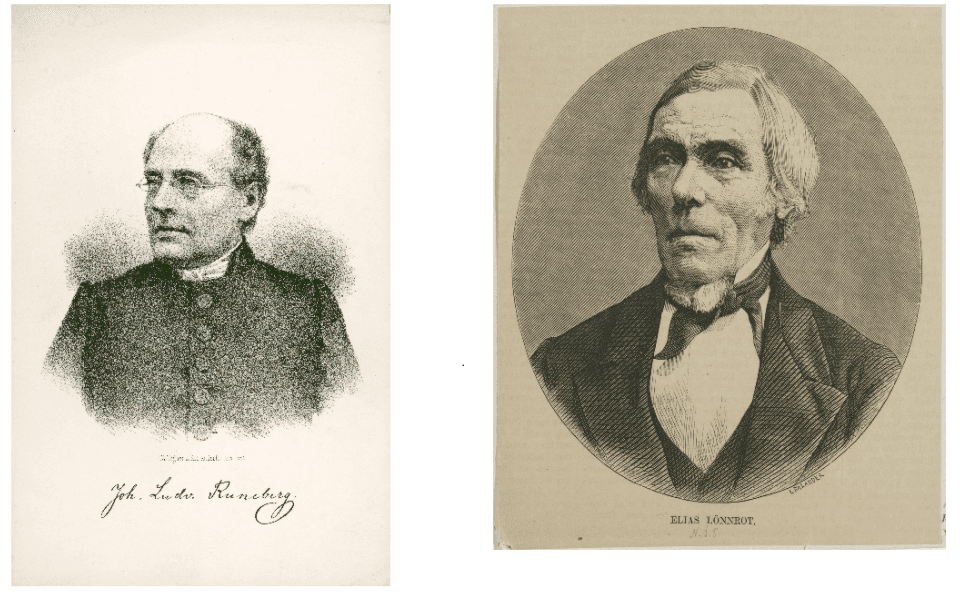
However, toward the end of the 19th century, Tsar Nicholas II began implementing reforms to restrict Finland’s autonomy. This triggered widespread public resistance and laid the foundations for independence movements. During this period, national consciousness in Finland rose and Finnish nationalism strengthened. A cultural awakening also occurred, with prominent literary figures such as Johan Ludvig Runeberg and Elias Lönnrot producing works that elevated Finland’s national identity.
class=\
Following the First World War and the collapse of the Russian Empire, Finland declared its independence on December 6, 1917. Finland’s declaration of independence coincided with the Russian Revolution and the founding of the Soviet Union. However, this independence triggered political turmoil within Finland. After independence, a civil war erupted between the Whites (pro-freedom groups representing the majority of the population) and the Reds (the working class demanding a socialist revolution). This civil war profoundly affected Finland’s political structure and plunged the country into prolonged political instability.
Following the victory of the Whites, Finland established a republican regime to consolidate its independence. The constitution adopted in 1919 restructured Finland as a democratic republic. However, during this period, relations with the Soviet Union and Nazi Germany posed threats to Finland’s security.
World War II was a challenging period for Finland. In 1939, the Soviet Union launched an attack on Finland, initiating the Winter War. The Soviet Union, with its superior military strength, invaded Finland, but Finland showed strong resistance. Despite this fierce resistance, Finland was unable to prevail against the Soviet Union and signed the Moscow Peace Treaty in 1940, ceding some territories to the Soviet Union.
After the war ended, in 1941 Finland joined forces with Germany in the Continuation War, aiming to recover the territories it had lost. However, the victories against the Soviet Union were short-lived, and in 1944 Finland made peace with the Soviet Union, accepting territorial losses and preserving its independence. During this period, Finland successfully negotiated peace with the Soviet Union while also being forced to expel German forces from its territory.
After World War II, Finland established significant diplomatic relations with the Soviet Union and, under the influence of the Cold War, carefully managed its relations with the West. This era is known as Finlandization; it refers to Finland’s efforts to balance relations with the Soviet Union while maintaining ties with the West. Although Finland remained an independent state, it was compelled to follow a specific foreign policy under Soviet influence.
After the end of the Cold War, Finland began strengthening its ties with the West. In 1995, Finland became a member of the European Union, deepening its economic and political relations. During the 2000s, Finland became known as a modern welfare state with a strong economy, high standards of living, and outstanding educational achievements. The country was held up as a model for its success in education and healthcare systems.
Finland’s security policies underwent a significant change following Russia’s 2022 invasion of Ukraine. Amid rising Russian threats, Finland began discussing NATO membership and joined NATO in 2023. This marked a fundamental shift in Finland’s security strategy and strengthened its military ties with the West.

class=\
Today, Finland is recognized globally as an advanced country with a high quality of life, a strong economy, educational excellence, and leadership in digitalization. Finland also serves as a model in sustainable development and environment-friendly technologies. At the same time, by demonstrating a strong stance in security and defense policies, Finland has become one of Europe’s and the world’s important nations.
Finland’s history has been shaped by its struggle for independence, wars, the Cold War, and subsequent structural reforms. Today, Finland is a country that draws attention for its achievements in freedom, democracy, and high levels of welfare.
Finland is a country located in Northern Europe, known for its natural wealth. Situated on the eastern side of the Scandinavian Peninsula, Finland shares land borders with Sweden to the west, Russia to the east, and Norway to the north. The country has a total area of 338,424 square kilometers, making it the eighth largest country in Europe. Finland’s geography encompasses a wide range of natural features and diversity, including vast forests, countless lakes, long valleys, broad plains, and mountain ranges.
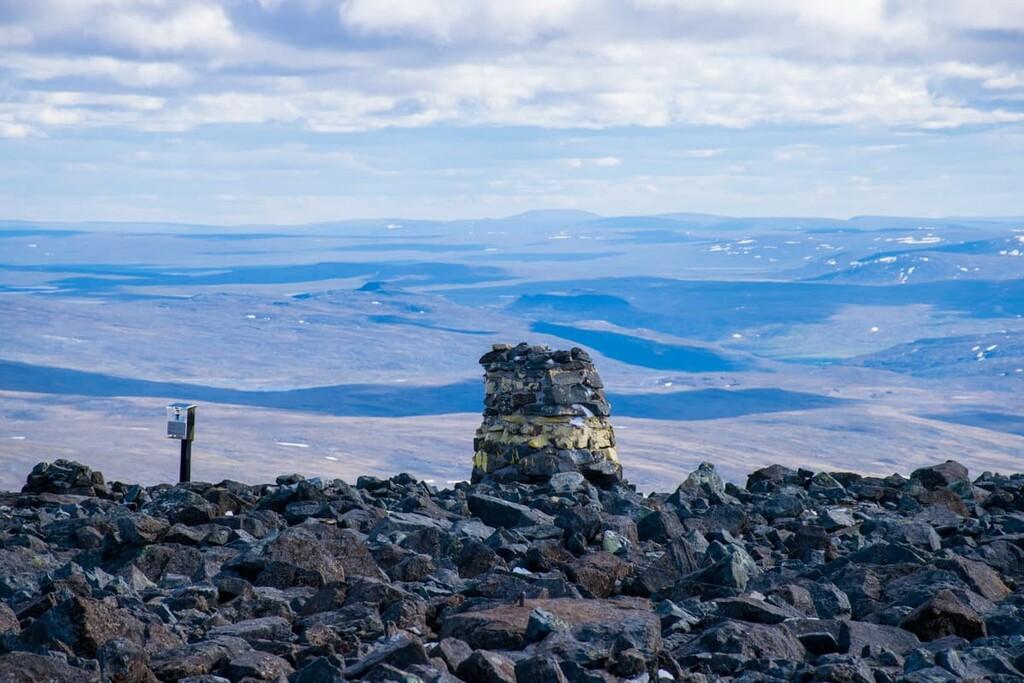
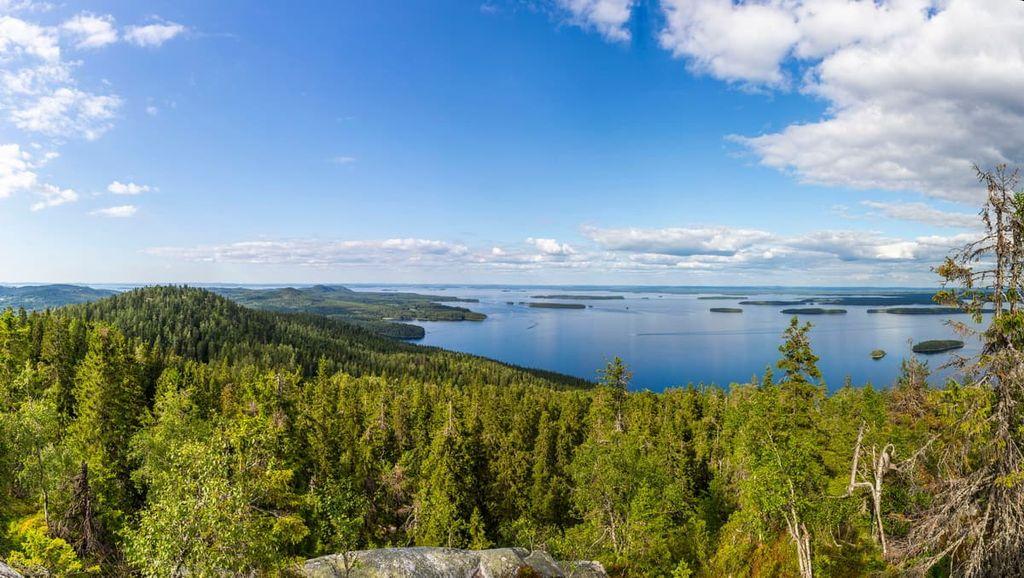
Finland’s mountains generally consist of low, rounded hills. Compared to other Scandinavian countries, Finland is not known for high mountains; however, some low mountain ranges exist in the north. Finland’s mountains provide suitable areas for hiking, skiing, and other winter sports.
class=\
class=\
Finland’s mountains offer attractive areas for mountaineers and winter sports enthusiasts. Additionally, these mountains serve as important destinations for nature lovers seeking to observe and explore Finland’s wildlife.
Extensive plains cover a large portion of Finland’s geography. These plains contain fertile soils suitable for agriculture and are also home to most of the country’s settlements. Finland’s plains are generally surrounded by wide grasslands, forested areas, and lakes.
Finland’s plains are important areas for both agriculture and settlement. These regions have enabled the development of traditional lifestyles among the people of Northern Europe.
Finland has numerous short rivers and streams, which have historically served as waterways. However, Finland’s rivers are also vital sources for hydroelectric power generation, water sports, and fishing.

class=\
Finland’s rivers hold significant historical and contemporary importance as transportation and trade routes. Additionally, activities such as fishing and nature tourism are widespread along these rivers.
Finland is renowned for its thousands of lakes, which form a major part of its natural landscape. Finland is one of the countries with the most lakes in the world, and these lakes are of great importance for both tourism and daily life.

class=\

class=\
Finland’s lakes are of great importance not only for their natural beauty but also for their ecosystems, biological diversity, and the cultural life of its people. These lakes are an inseparable part of the daily lives of Finns and help them live in harmony with nature.
Finland is a country with land borders to the east with Russia, to the west with Sweden, to the north with Norway, and to the south with Estonia. Finland’s land borders are largely covered by forests and lakes, which are part of the country’s natural wealth.
Finland’s borders encompass a broad geographical and cultural diversity. This diversity has enabled Finland to develop close historical and cultural ties with other Scandinavian countries.
Although located in Northern Europe, Finland has a diverse climate. This diversity is shaped by its location in high northern latitudes, proximity to seas, and continental climate characteristics. Finland has three main climate zones: polar climate, continental climate, and oceanic climate. These zones vary according to Finland’s geographic position, relationship with seas, and terrain.
Northern regions of Finland, including Lapland and its surroundings, are under the influence of a polar climate. This area exhibits particularly cold and continental climate characteristics during winter months. Lapland is Finland’s northernmost region and, due to its proximity to the poles, experiences long, cold winters and short, cool summers.
The Central and Southern regions of Finland are dominated by a continental climate. This area has the highest population density in Finland, and the capital Helsinki is located here. The continental climate features cold, snowy winters and cool, mild summers.
In southeastern Finland, near the Baltic Sea, an oceanic climate is felt. The moderating influence of the sea makes winters milder and summers cooler.
Finland’s climate varies greatly according to its geography. The polar climate in the north, and the continental and oceanic climates in central and southern regions, support different lifestyles and natural environments. This diversity has enabled the formation of Finland’s rich natural resources, diverse ecosystems, and biological variety.
Finland’s climate results from the combination of polar influences in the north and oceanic influences in the south. This creates a clear impact on precipitation patterns and seasonal differences. The country has four distinct seasons, each with unique precipitation and weather conditions.
Finland has a regular demographic structure, with the majority of its population ethnically Finnish. However, due to historical, cultural, and geographic factors, Finland also has a society with various ethnic groups, linguistic diversity, and different beliefs. To understand Finland’s demographic structure, many factors such as population, language, ethnic composition, religion, and age structure must be considered.
Finland’s population was approximately 5.5 million as of 2024. This makes it one of the least densely populated countries in Europe. The country’s population density is about 18 people per square kilometer, a figure much lower in rural areas but concentrated in urban centers such as the capital region of Helsinki.
Finland’s population is rapidly aging. Life expectancy is very high: 84 years for women and 78 years for men. However, due to low birth rates, the population is aging. Population growth rates have declined in recent years, and this situation brings challenges such as funding for healthcare and social security. Therefore, the Finnish government has adopted various policy measures to encourage immigration and increase birth rates.
The majority of Finland’s population consists of Finns. Ethnic Finns make up 93% of the population. However, the country is also rich in ethnic and cultural diversity. A number of different ethnic groups and language-speaking communities live in Finland.
Finland is a highly secular country, and religion plays a minor role in daily life. However, religion’s influence is still visible in some areas. The most widespread religion in Finland is Christianity, with the majority adhering to Lutheranism.
Finland’s population is rapidly aging, a trend that may affect future social services and economic structures. The country is characterized by low birth rates and long life expectancy. The elderly population in Finland is increasing steadily. The population aged 65 and over has been rising rapidly since the 2020s. This demographic shift is expected to strain the country’s healthcare system and pension policies.
Finland’s population is also geographically unevenly distributed. Helsinki and its surroundings constitute the most densely populated region. Helsinki, the capital and largest city of Finland, is of great importance as the country’s cultural and economic center. Other major cities such as Turku, Tampere, Oulu, and Jyväskylä also have large populations, while population density decreases toward the north and east.
In recent years, Finland has accepted immigrants and refugees from countries such as Syria, Iraq, Somalia, and Afghanistan. During the 2015 European Refugee Crisis, Finland accepted hundreds of asylum seekers. In subsequent years, immigrants from Ukraine have also become part of the country’s population. These immigrants typically reside in large cities, especially Helsinki and its surroundings. Finland’s immigration policies generally focus on human rights and social integration. As a member of the Schengen Area, Finland has adopted the European Union’s immigration policies.
Finland’s demographics have been shaped by historical, cultural, and geographic factors. While the Finnish people form the majority, the country has enhanced its cultural diversity through contributions from immigrant groups. Additionally, an aging population and low birth rates are key factors influencing Finland’s future demographic structure. The future impacts of this demographic structure will be evident in areas such as healthcare, education, social security, and the economy.
Historically, Finland has been known for its efforts to preserve its independence and neutrality. However, in recent years, especially with its membership in the European Union (EU) and involvement in global security issues, it has adopted a more active foreign policy. Finland’s international relations are shaped by its geographic location, historical background, political system, and economic interests.
Finland was recognized as an autonomous region under the Russian Empire in 1809. In 1917, following the collapse of the Russian Empire, Finland declared its independence. After independence, Finland pursued a policy of neutrality during the world wars and developed complex relations with the Soviet Union. In 1948, the Finland–Soviet Union Treaty of Friendship, Cooperation, and Mutual Assistance (Finno-Soviet Pact) laid the foundation for Finland’s foreign policy.
During the Cold War, Finland sought to maintain a balance between the West and the Soviet Union by adhering to a policy of neutrality. However, the collapse of the Soviet Union in the early 1990s and the subsequent reshaping of Europe led to a redefinition of Finland’s foreign policy.
Finland joined the European Union (EU) in 1995. EU membership marked a significant turning point in Finland’s foreign policy. Finland is a member of the EU’s Schengen Area and actively participates in Europe’s economic integration. EU membership has strengthened Finland’s trade and international relations, particularly enhancing its economic and political power within Europe.
Finland has also participated in the EU’s defense and security policies, but has maintained a cautious approach regarding NATO membership. Finland has maintained close cooperation with NATO but has not become a member. Instead, under its military neutrality policy and comprehensive International Security and Defense Policy framework, Finland has preferred an independent and neutral stance in foreign security matters.
For many years, Finland embraced the principles of military neutrality and independence. However, after the collapse of the Soviet Union, Finland adopted a more cautious approach in its relations with Russia. Relations with NATO strengthened in subsequent years. Finland’s cooperation with NATO intensified during periods of increased tensions with Russia.
In particular, after the 2022 Russia-Ukraine War, Finland began seriously evaluating NATO membership. In 2022, Finland, together with Sweden, applied for NATO membership, and this application was successful in 2023. This development represents a significant change in Finland’s foreign security policy and a strategic step to strengthen NATO’s northern flank.
Finland is the only European Union country sharing a land border with Russia. This situation makes Finland’s historical and strategic relations with Russia particularly significant. During the Soviet era, Finland developed close economic and political ties with Russia. Throughout the Cold War, Finland sought to maintain good relations with Russia and was known for its policy of military neutrality.
However, from the late 1990s onward, relations between Finland and Russia have at times been strained due to Finland’s ties with the West and Russia’s foreign policy. Most recently, the Russia-Ukraine War, which began in 2022, and Russia’s resulting international isolation, have affected Finland’s security strategies. By joining NATO in 2023, Finland has entered a new phase in its relations with Russia. This represents a major shift in Finland’s foreign policy.
Finland maintains strong and friendly relations with the United States. The U.S. has supported Finland’s EU membership and has engaged in various military collaborations to ensure Finland’s security. Finland’s NATO membership process is also an important development from the perspective of U.S. security interests in Europe and the North Atlantic region. The U.S. has strongly supported Finland’s NATO membership, and several agreements have been made to enhance Finland’s defense capabilities in this context.
Finland and Sweden have developed close historical relations. The two countries are geographically close and are also linked culturally, economically, and politically. Sweden has supported Finland’s EU membership and has also approved Finland’s accession to NATO. Finland and Sweden engage in close cooperation in many areas, including regional security and the economy. Additionally, through organizations such as the Nordic Council, the two countries maintain strong regional cooperation.
Finland is an active member of the United Nations (UN) and other international organizations. Finland participates in UN Peacekeeping missions and contributes to international efforts to ensure peace and security. Additionally, Finland is an important player in organizations such as the World Trade Organization (WTO) and the Council of Europe.
Finland also plays an active role internationally in environmental and sustainable development issues. It strongly advocates environmental policies as a party to global agreements such as the Paris Climate Agreement.
Although Finland and Turkey are geographically distant, they have developed friendly historical relations. Both countries have focused on similar values and strengthened mutual international cooperation. Finland has supported Turkey’s EU accession process, while Turkey has generally supported Finland’s position and policies in international relations. These bilateral relations have deepened in trade, culture, education, and security.
Diplomatic relations between Finland and Turkey began in the early 1920s, shortly after Finland gained independence. After Finland declared its independence, Turkey recognized Finland’s international status and established the first diplomatic relations. Although the two countries are located in different geographic regions, they have mutually supported each other’s independence and sovereignty.
During the Cold War, while Finland pursued a policy of neutrality, Turkey, as a NATO member, was part of the Western bloc. Nevertheless, the two countries maintained contact during this period, particularly in cultural exchanges and trade.
Trade and Economic Relations: Economic relations between Finland and Turkey have strengthened in recent years. Finland has a strong economy in technology, environmentally friendly innovative products, and engineering. Turkey, on the other hand, has a large and dynamic market economy, offering significant opportunities especially in industry and construction. Finland’s trade volume with Turkey has made significant progress in line with both countries’ economic growth and development goals.
In 2019, the trade volume between the two countries was around $2.7 billion. Finland exports mainly machinery, electronic products, automotive, and environmentally friendly technologies to Turkey, while Turkey exports textiles, automotive parts, food, and agricultural products. In recent years, cooperation in technology and digitalization has rapidly increased. In particular, Finnish companies in the strong technology sector and Turkey’s rapidly growing digital infrastructure have expanded cooperation opportunities between the two countries.
Education and Cultural Relations: Relations in the field of education between Finland and Turkey are also very strong. Finland is known globally for its success in education, and this area holds an important place in its relations with Turkey. Turkey has attempted various reforms in its education system by taking Finland’s education model as an example. In addition, student exchange programs, cultural events, and academic cooperation between Finland and Turkey have increased.
The number of Turkish students in Finland is increasing, and interest in the Turkish language is spreading. Moreover, cultural events such as festivals and exhibitions are regularly organized between the two countries, fostering closer ties between their populations.
Diplomatic and Political Relations: Diplomatic relations between Turkey and Finland have been shaped at times by major global political developments. Turkey has received Finland’s support, particularly regarding its EU accession process and security policies. Finland is one of the countries supporting Turkey’s EU membership. However, at times, bilateral relations have faced challenges, primarily due to changes in Turkey’s domestic and foreign policies.
Security and Defense Relations: Finland joined NATO in 2023, and this decision was supported by Turkey. Turkey actively supported Finland’s NATO membership. Especially after the Russia-Ukraine War, Finland’s security concerns and Turkey’s role in NATO have led to closer defense and security cooperation between the two countries. Finland’s NATO membership is an important development for Turkey’s security policy, as it reshapes the security structure in Europe.
Even before joining NATO, Finland participated in NATO exercises with Turkey. Furthermore, defense and security cooperation between Turkey and Finland continues. In recent years, defense and security relations between the two countries have deepened in areas such as counter-terrorism, border security, and regional stability.
Finland’s border with Russia and its security concerns have influenced relations between the two countries. The 2022 Russia-Ukraine War and Russia’s international isolation created a major turning point in Finland’s foreign policy. Turkey’s support for Finland’s NATO membership has been critical for Finland, particularly regarding security along its border with Russia. In this context, Turkey’s strategic support for Finland has made significant contributions to strong alliance relations within NATO and regional security cooperation.
Relations between Finland and Turkey are based on deep cooperation in both historical and current policies. The two countries maintain close contact in global security, economic cooperation, cultural relations, and education. In particular, Turkey’s support for Finland’s NATO accession process has been a pivotal moment in bilateral relations. In the future, further cooperation is expected in the areas of trade, defense, education, and culture.
Finland’s international relations are shaped by its security, economic interests, and principles of neutrality in foreign policy. In recent years, especially NATO membership, EU membership, and relations with Russia have been central to Finland’s foreign policy. Finland continues to be an active player in many areas, including global security, the environment, and economic cooperation.
The Finnish Armed Forces are a professional military based on a multifaceted defense structure responsible for the country’s security. Finland has built a strong defense capability and actively engages in international cooperation. The foundation of Finland’s defense policy is territorial defense and militia forces. Since gaining independence in 1917, Finland has prioritized maintaining a strong army and defense capability.
The Finnish Armed Forces are generally divided into three main branches:
In addition, the Border Guard (Rajavartiolaitos) and the National Police (Poliisivoimat) perform important duties related to internal security. In wartime, the Border Guard is integrated into the Finnish Armed Forces.
Finland is a country that practices universal conscription. Each year, the country recruits approximately 21,000 men for military training and skill development. Men are required to perform mandatory military service upon turning 18, with service durations ranging from 5.5 to 12 months depending on the nature of duties performed. After completing military service, soldiers serve as reserve soldiers in the country’s defense forces and can be mobilized when needed. Reserve soldiers remain ready for combat up to the age of 50.
Women aged 18–29 may serve voluntarily in the military, but mandatory military service does not apply to them. The proportion of women in military service has increased in recent years, and as of 2022, approximately 19% of Finland’s active military personnel are women.
Finland’s active military personnel number approximately 31,000. This figure includes more than 20,000 conscripts and reserve personnel. Finland maintains a strong reserve soldier pool to ensure its defense capability is always ready. The wartime strength is approximately 280,000 soldiers. Finland’s total military reserve capacity can reach up to 900,000 people.
The Army plays the most important role in Finland’s defense strategy. The Army includes various armored vehicles, artillery units, and motorized infantry. Finland, drawing on its experience in winter warfare and forested terrain, places great emphasis on local defense forces. The Army is also strategically important for enabling defense in Finland’s mountainous and rural areas. The active army consists of approximately 23,000 soldiers, and this number increases significantly with reserve forces.
Finland’s maritime borders, particularly in the Baltic Sea, hold significant strategic importance. Therefore, the Navy plays a critical role in maritime defense. Finland’s navy is equipped with submarines, frigates, and fast attack craft. Finland’s navy is particularly skilled in submarine defense and control of maritime areas. Finland’s navy has a strength of approximately 5,000 personnel.
The Air Force is an essential component of Finland’s national defense and holds a strategic position to ensure full sovereignty over the country’s airspace. Finland’s Air Force includes numerous fighter aircraft, air defense systems, and anti-aircraft systems. The country possesses advanced fighter aircraft such as the F-18 Hornet. Finland’s Air Force maintains an active personnel strength of approximately 3,000. One of the main tasks of the Air Force is to defend the country’s airspace and conduct preemptive strikes against enemy aircraft.
Finland’s military inventory consists of various modern weapon systems and defense equipment. The country maintains close cooperation with the United States, Israel, South Korea, and European countries in developing various defense technologies. Additionally, Finland’s own defense industry has developed, and it possesses domestically produced armored vehicles, submarines, and artillery systems. As the defense industry grows, Finland participates in international defense industry collaborations and signs joint projects with the U.S. in defense technology.
Finland became a member of NATO in 2023. Finland’s NATO membership is a strategic step taken in response to regional security threats following Russia’s invasion of Ukraine. Even before joining NATO, Finland participated in numerous NATO exercises and engaged in military cooperation. Turkey’s support for this membership has been a pivotal moment in bilateral relations.
Finland is also a member of the Nordic Defence Cooperation (NORDEFCO), strengthening defense cooperation with Denmark, Sweden, Norway, and Iceland.
Finland maintains a strong defense strategy to ensure national security. This strategy is based on strong land, sea, and air forces, reinforced by mandatory military service, an effective reserve system, and robust international defense cooperation. With NATO membership, Finland has become even stronger in security and more resilient against regional threats.
Finland is a high-income country known for its industry, strong education system, advanced infrastructure, and innovative technological developments. According to the World Bank, Finland is considered one of the world’s most developed economies and stands out for its inclusive growth. The country ranks highly in terms of employment rate, education level, and living standards. The economy is largely based on foreign trade and is part of the Scandinavian economy. Finland’s economic structure is based on industry, services, and agriculture. However, a large part of the economy consists of industrial sectors such as technology, automotive, and machinery.
Finland’s economy is based on a free market economy and rests on a strong industrial base. Finland’s industry sector is globally competitive in high-tech products, electronic devices, machinery, and wood products.
Finland’s industry sector, which accounts for approximately 30% of the country’s GDP, is a major sector. This sector is particularly strong in electronics, machinery, automotive, and paper and forest products. One of Finland’s most well-known brands, Nokia, represents the country’s international success in technology and telecommunications. In addition, Finland is a significant player in innovation areas such as software development, biotechnology, and new energy technologies.
The service sector constitutes another major sector of Finland’s economy, accounting for approximately 70%. This sector operates in many areas including financial services, healthcare, tourism, education, public services, and software development. Significant development has occurred in the areas of innovation, financial services, and information technology.
Finland has strong foreign trade connections and foreign trade plays a vital role in the country’s economic growth. Approximately 30% of Finland’s foreign trade is conducted with European Union countries. Finland is a major player in exporting advanced technology products, forest products, and machinery. Main export products include machinery and equipment, automobiles, electronics and technology products, forest products, chemicals, and food items.
Finland’s main export partners are Germany, Sweden, Russia, the United States, and the Netherlands. Additionally, China is an important trading partner, especially for high-tech and electrical equipment exports. The country also exports to the Middle East and Southeast Asia.
Finland’s main imports include petroleum, machinery and equipment, chemical products, automobiles, and electronic components—products needed by its industry. The country imports largely from Germany, Russia, and China.
Finland’s currency is the Euro (EUR), which was adopted in 2002 after joining the European Union. The country’s financial sector is highly developed, with numerous domestic and international banks operating in Finland. Major financial institutions such as Helsinki, Nordea, and OP Financial Group are key players in the country’s banking sector.
Finland’s agricultural sector constitutes a small portion of the country’s total GDP but remains strategically important. Finland cultivates various agricultural products under different climatic conditions across its regions. The main agricultural products include wheat, oats, barley, potatoes, vegetables, and dairy products. Finland is also a significant country in fishing, with salmon and cold-water fish being important export products.
Finland’s economy shows balanced growth across industry, services, and agriculture. It stands out with high technology, innovative industries, a strong foreign trade structure, and a robust financial system. Finland’s international trade relations continue strongly due to its successes in technology and production. Its relations with important trading partners across Europe and around the world enhance the country’s economic strength.
Finland has great tourism potential due to its natural beauty, historical richness, modern cities, and cultural events. The country offers numerous opportunities for tourists through winter sports, nature hiking, the Northern Lights, lakes, forests, and cultural events. Additionally, Finland’s success in education and healthcare has increased demand for medical tourism and other tourism sectors.
Finland is famous for its natural landscapes. The country’s forests, lakes, and mountains offer opportunities for tourists who enjoy outdoor activities. Nature tours and activities in Finland are popular throughout the year.
Finland is renowned worldwide as a lake region. The country has more than 188,000 lakes. Most of these lakes are located in natural areas and are used during summer months for swimming, fishing, camping, and boat tourism. The Karelia region and the Lakeland region in Finland are the most famous lake areas attracting high tourist interest. Boat tours in these areas are also very popular.
Finland, particularly the Lapland region, is one of the best places in the world to view the Northern Lights (Aurora Borealis). Tourists come to witness this natural light display during winter months, often combined with reindeer safaris. Rovaniemi, Sodankylä, and Inari are popular destinations for viewing the Northern Lights.

class=\

class=\
Finland is an excellent destination for winter sports. Activities such as skiing, snow biking, ice skating, snowshoeing, and sleigh rides are very common. Popular ski resorts such as Levi, Ylläs, and Ruka attract tourists year-round for skiing. The country is also famous for ice hotels, ice-built structures, and ice hotels.
Finland’s capital, Helsinki, is a city known for its modern architecture and historical structures, attracting tourists. Helsinki offers a cultural experience through its museums, art galleries, design centers, and modern restaurants.
Helsinki is famous for its modern architecture, art galleries, and events. Events such as Helsinki Design Week attract art lovers. Historical buildings such as the Helsinki Cathedral, Suomenlinna Fortress, Temppeliaukio Church (a church carved into rock), and the Uspenski Cathedral also attract tourists.
Finland has many historical sites and museums. Cultural centers such as the Ateneum Art Museum, Kiasma Museum of Contemporary Art, National Museum of Finland, and the Seurasaari Open-Air Museum offer tourists the opportunity to explore Finland’s history and culture.
Finland is famous for its sauna culture, one of its most characteristic traditions. Finnish saunas, as part of a healthy lifestyle, are experienced by tourists. Almost every hotel and resort in Finland has a sauna, and this is one of the most popular activities for visitors.
Additionally, health tourism in Finland is increasing. Healthy lifestyle holidays, spa hotels, natural healing methods, and Finnish wellness experiences are increasingly popular among tourists.
Finland hosts numerous festivals throughout the year. Cultural events such as the Helsinki Festival, Rovaniemi Christmas Market, Tampere Film Festival, and Jyväskylä Jazz Festival attract tourists. Additionally, Finland’s traditional music festivals, summer concerts, and the Tango Festival are very popular.
Finland is a diverse tourist destination for nature lovers, culture enthusiasts, winter sports fans, and those seeking health tourism. With its lakes, forests, Northern Lights, and mountains suitable for skiing, the country is popular for nature tourism. Additionally, its modern architectural structures and cultural events offer visitors the opportunity to explore both its past and future. Finland is a multifaceted tourist destination that offers different experiences in every season.

class=\
Al Jazeera. "Finland to Join NATO on Tuesday, Military Alliance’s Chief Says." Al Jazeera. April 3, 2023.https://www.aljazeera.com/news/2023/4/3/finland-to-join-nato-on-tuesday-military-alliances-chief-says.
Central Intelligence Agency. "Finland." *The World Factbook.* Last modified February 27, 2025.https://www.cia.gov/the-world-factbook/countries/finland/.
DİA. "Finlandiya." *TDV İslâm Ansiklopedisi.* Accessed March 2, 2025.https://islamansiklopedisi.org.tr/finlandiya#1.
Finnair. "Plan Your Trip to See the Northern Lights at Their Isolated Best." Finnair. Accessed March 2, 2025.https://www.finnair.com/at-en/bluewings/destinations/plan-your-trip-to-see-the-northern-lights-at-their-isolated-best-2113624.
Finnish Defence Forces. *Puolustusvoimat.* Accessed March 2, 2025.https://puolustusvoimat.fi/en/web/tutkimus/frontpage.
Ministry of Defence of Finland. "History." Ministry of Defence. Accessed March 2, 2025.https://www.defmin.fi/en/ministry_of_defence/history#ce57ca6f.
Ministry of Foreign Affairs of the Republic of Turkey. "Finlandiya Ekonomisi." Ministry of Foreign Affairs of the Republic of Turkey. Accessed March 3, 2025.https://www.mfa.gov.tr/finlandiya-ekonomisi.tr.mfa.
Ministry of Foreign Affairs of the Republic of Turkey. "Finlandiya Künyesi." Ministry of Foreign Affairs of the Republic of Turkey. Accessed March 3, 2025.https://www.mfa.gov.tr/finlandiya-kunyesi.tr.mfa.
Ministry of Foreign Affairs of the Republic of Turkey. "Finlandiya Siyasi Görünümü." Ministry of Foreign Affairs of the Republic of Turkey. Accessed March 3, 2025.https://www.mfa.gov.tr/finlandiya-siyasi-gorunumu.tr.mfa.

Republic of Finland
Capital | Helsinki | ||||||||
|---|---|---|---|---|---|---|---|---|---|
Official Language | Finnish | ||||||||
Form of Government | Parliamentary Democracy | ||||||||
President | Alexander Stubb | ||||||||
Prime Minister | Petteri Orpo | ||||||||
Independence | 06.12.1917 | ||||||||
Area (km²) | 338145 | ||||||||
Population | 5500000 | ||||||||
Currency | Euro | ||||||||
Time Zone | UTC+2 (Winter Time) UTC+3 (Summer Time) | ||||||||
Telephone Code | +358 | ||||||||
Internet Extension | .fi | ||||||||
Climate | Relatively mild A harsh and cold climate in northern regions | ||||||||
Ethnic Structure | 90% Finnish, 5% Swedish, 1.5% Russian, 3.5% other | ||||||||
GDP | 305.7 billion dollars | ||||||||
GDP per Capita | 54507 USD | ||||||||
Finland’s National Anthem
History
Early Period and Middle Ages: First Settlers and Swedish Rule
Russian Empire Period: Struggle for Independence
Independence and Civil War: Establishment of the Republic
World War II: The Winter War and Continuation War
Cold War Era and Finlandization
Modern Era: Membership in the European Union and NATO
Finland Today
Geography
Mountains
Plains
Rivers
Lakes
Borders and Neighbors
Climate
1. Polar Climate (Northern Finland)
2. Continental Climate (Central and Southern Finland)
3. Oceanic Climate (Southeastern Finland and Coastal Areas)
General Climate Characteristics of Finland
Precipitation and Seasonal Characteristics of Finland
1. Winter (December–February)
2. Spring (March–May)
3. Summer (June–August)
4. Autumn (September–November)
Precipitation Pattern and General Characteristics
Demographics
Population Structure and Density
Ethnic Structure and Linguistic Diversity
Religious Structure
Age Structure and Population Distribution
Migration and Refugees
International Relations
Historical Background
Relations with the European Union
NATO and Security Policies
Relations with Russia
Relations with the United States
Relations with Sweden
Relations with the United Nations and Other International Organizations
Finland’s Relations with Turkey
Historical Ties and the Beginning of Bilateral Relations
Recent Developments in Bilateral Relations
Relations with Russia and Turkey’s Role
Armed Forces
General Structure and Basic Principles
Military Service and Conscription
Strength and Personnel of the Armed Forces
Army (Maavoimat)
Navy (Merivoimat)
Air Force (Ilmavoimat)
Military Equipment and Defense Technology
International Relations and NATO
Economy
General Structure of the Economy
Industry and Production
Service Sector
Foreign Trade and Exports
Main Export Sectors:
Imports
Financial System and Currency
Agriculture and Natural Resources
Tourism
Natural Attractions and Outdoor Tourism
Lakes and Forests
Northern Lights (Aurora Borealis)
Winter Tourism and Winter Sports
City Tourism and Cultural Richness
Helsinki
Historical Sites and Museums
Tourist Routes
Sauna and Health Tourism
Festivals and Events