This article was automatically translated from the original Turkish version.
+1 More
Location | Midyat/Mardin/Türkiye | ||||||||
|---|---|---|---|---|---|---|---|---|---|
Featured Areas | Matiate Underground City, Ulucami Mahallesi Underground Living Homes | ||||||||
History | 2nd–3rd century AD | ||||||||
Architectural Feature(s) | storage areas and dwellings tunnels water wells cisterns places of worship dromos-type cemetery Catacomb-style galleries | ||||||||
Purposes of Use | production and storage long-term settlement worship Shelter | ||||||||
Excavation Studies | 13.5 dunams | ||||||||
Midyat Caves refer to natural and artificial cave formations located in the Midyat district of Mardin Province, Türkiye, which have been used for various purposes from prehistoric times to the present. These caves are scattered across different parts of the district and have served residential, religious, storage, defensive, and production functions. Other significant cave examples in the Mardin region include Gızzelin Cave (Spindle Weaving), Midyat Linveyri Healing Cave, Şakolin and Firiye, Kefilsannur, Şenköy Kefilmelep, Kefilmardin, Hapisnas, Tınat, Savur Kıllıt, Kızıltepe Hanika and Salah, Nusaybin Hessinmeryem and Sercahan, Mazıdağı Gümüşyuva and Avrıhan, Derik Derinsu, Dırkıp and Haramiye caves.
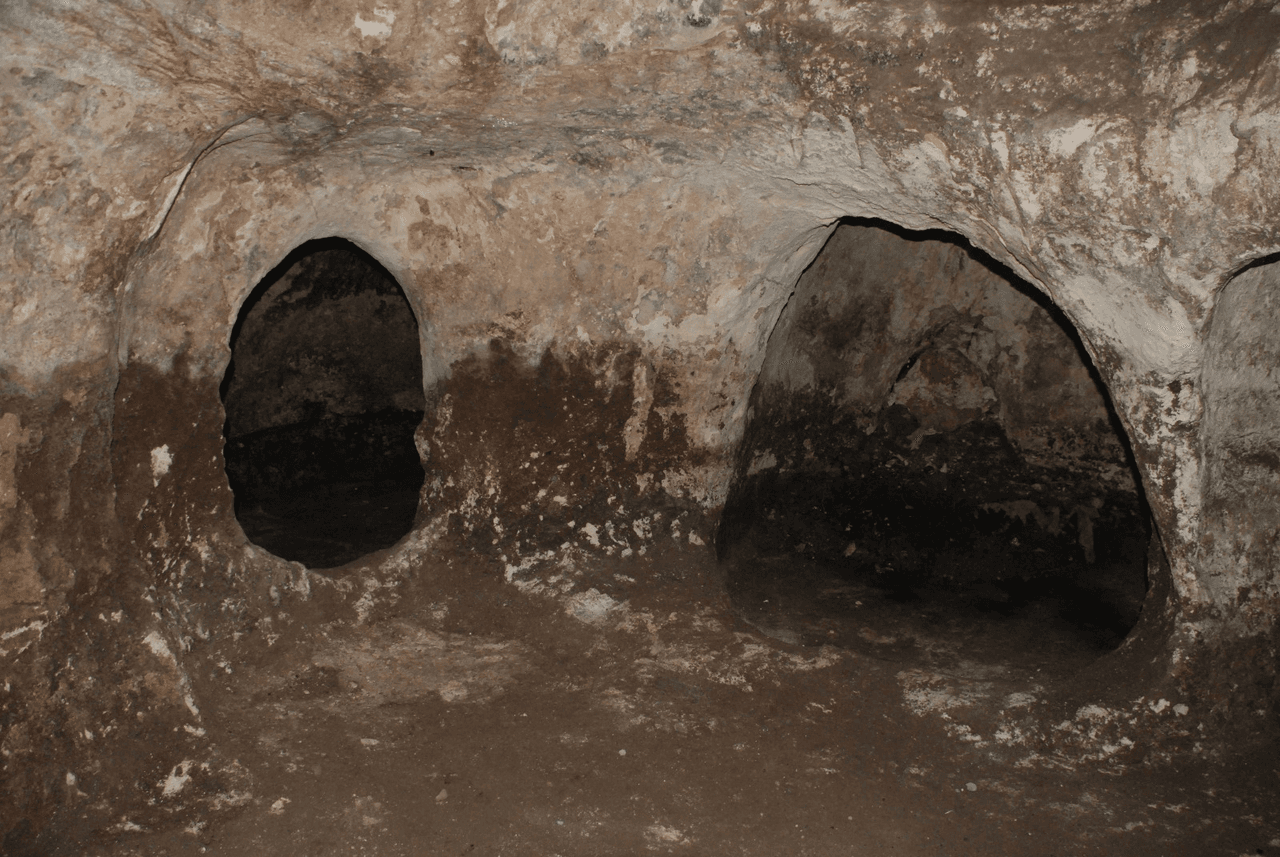
Midyat Caves (Ministry of Culture and Tourism)
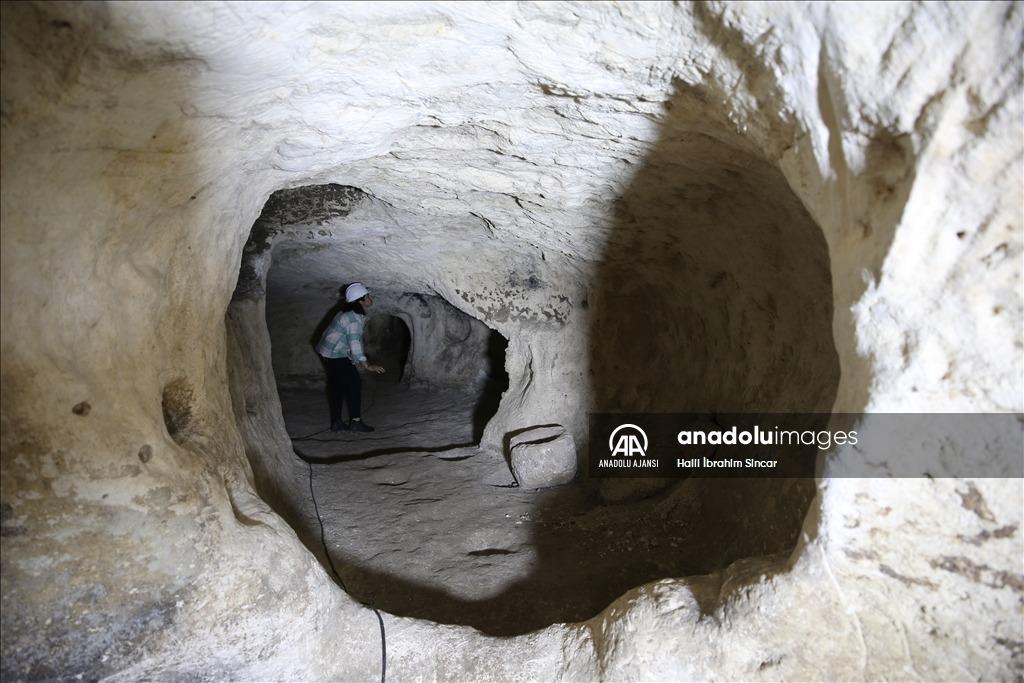
The Matiate Underground City, uncovered in the Estel neighborhood of Ulu Cami Quarter in Midyat, is one of the most important cave complexes in the district. Dating to the early Christian period, this subterranean settlement was constructed to provide refuge from persecution and oppression against Christians during the reign of Roman Emperor Diocletian. Designed in the catacomb style, the city comprises galleries, a dromos-style necropolis, a refectory, storage areas, dwellings, and places of worship. Archaeological findings indicate that the structure was in use between the 3rd and 4th centuries AD and continued into the 7th century.
Excavations are being intensively carried out over an area of 13.5 dunams, focusing on two sections totaling 3,500 square meters. To date, approximately three percent of the underground city has been uncovered, revealing 49 rooms, tunnels, structures used as places of worship, silos, water wells, and decorated walls. The earliest artifacts date to the 2nd and 3rd centuries AD. It has been determined that the underground city extends across much of the district and reaches neighboring villages through a network of connecting passageways.
Underground cities, particularly during periods when Christianity was not an official religion, were primarily used as shelters and refuges from religious persecution. In the case of Midyat, in addition to this protective function, the necessary infrastructure for long-term habitation was also provided. The capacity of the site is estimated to have accommodated between 60,000 and 70,000 people.
The Midyat caves and underground cities consist of structures adapted for various purposes across different historical periods. The Matiate Underground City, built in the catacomb style, is notable for its multi-layered galleries, connecting tunnels, communal burial areas, production spaces, and storage sections. Aboveground, stone structures dating from the 17th to 19th centuries have been registered, while belowground lie approximately 1,900 years of continuous settlement layers.
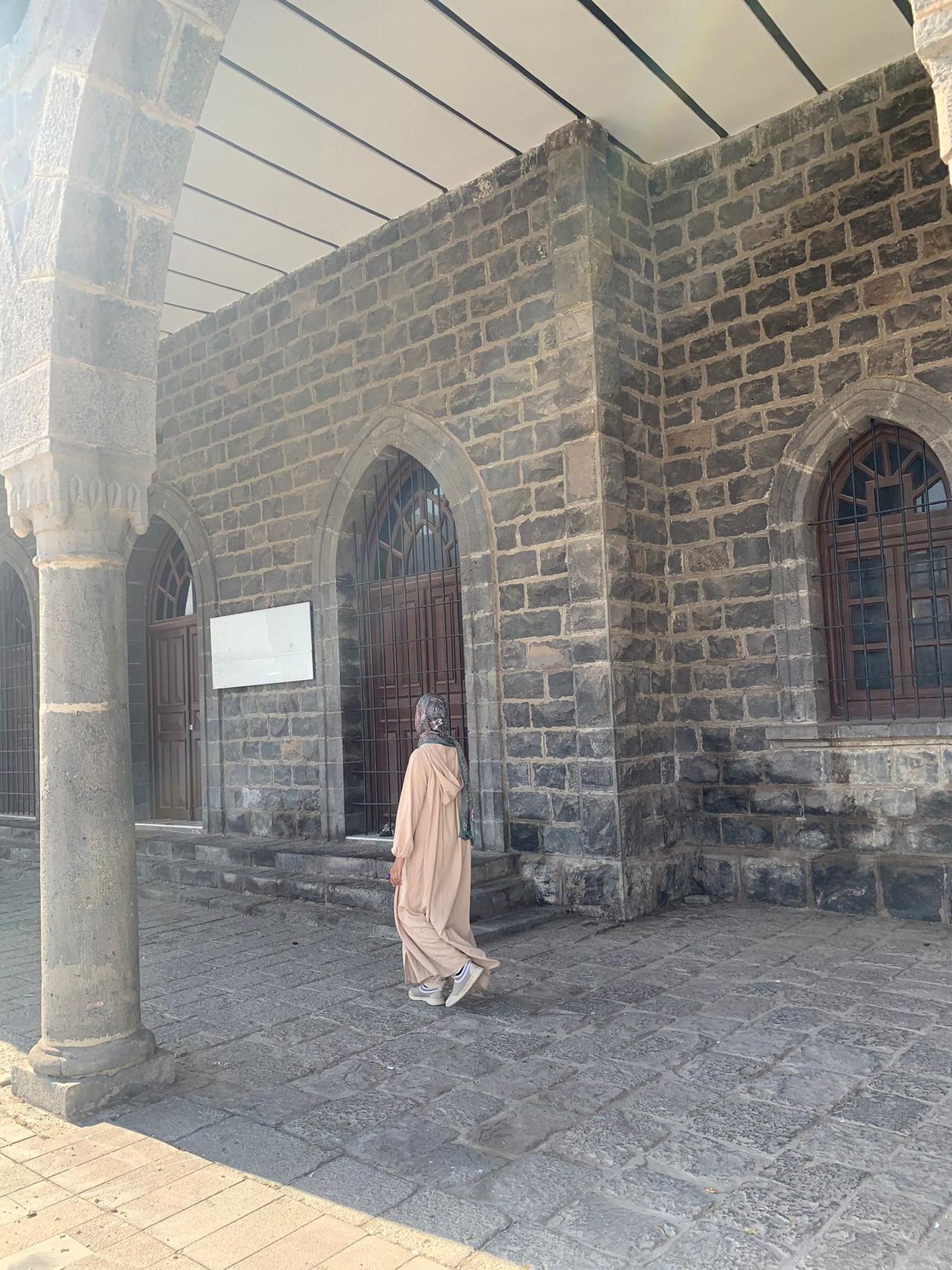
The cave dwellings in Midyat’s Ulucami Quarter, with a history of approximately 3,000 years, have been reactivated through restoration efforts. These spaces were previously inhabited by Syriac, Yazidi, and Mihlami families. Following restoration, interconnected galleries, traditional household items, and agricultural tools are now on display. The site is part of Midyat’s cultural heritage, which was added to UNESCO’s Tentative List of World Heritage Sites in 2021.
Following the completion of excavations, the underground cities are planned to be gradually opened to visitors. Ongoing research aims to document and preserve a vast area extending from Midyat town center to surrounding villages. The Midyat caves hold a unique position in the region’s cultural and archaeological heritage due to their traces from both prehistoric and historical periods.
Anadolu Ajansı. “Midyat’ta Mağarada Başlayan Kazı, Devasa Bir Yer Altı Şehrine Doğru İlerliyor.” Accessed August 10, 2025. .
Ministry of Culture and Tourism of the Republic of Turkey, Mardin Provincial Directorate of Culture and Tourism. “Mağaralar.” *Ministry of Culture and Tourism*, Accessed August 10, 2025. .
T.C. Ministry of Culture and Tourism Mardin Provincial Directorate of Culture and Tourism. "Matiate Underground City Estel Caves." Ministry of Culture and Tourism, Accessed August 10, 2025. .
T.C. Presidency of Communication. "3 Bin Yıllık Yeraltı Yaşam Evleri Turizme Kazandırıldı." Accessed August 10, 2025. .
Location | Midyat/Mardin/Türkiye | ||||||||
|---|---|---|---|---|---|---|---|---|---|
Featured Areas | Matiate Underground City, Ulucami Mahallesi Underground Living Homes | ||||||||
History | 2nd–3rd century AD | ||||||||
Architectural Feature(s) | storage areas and dwellings tunnels water wells cisterns places of worship dromos-type cemetery Catacomb-style galleries | ||||||||
Purposes of Use | production and storage long-term settlement worship Shelter | ||||||||
Excavation Studies | 13.5 dunams | ||||||||
Matiate Underground City (Estel Caves)
Excavations and Discoveries
Historical Use and Functions
Architectural Features
Underground Living Dwellings and Restoration
Protection Status and Future Work