

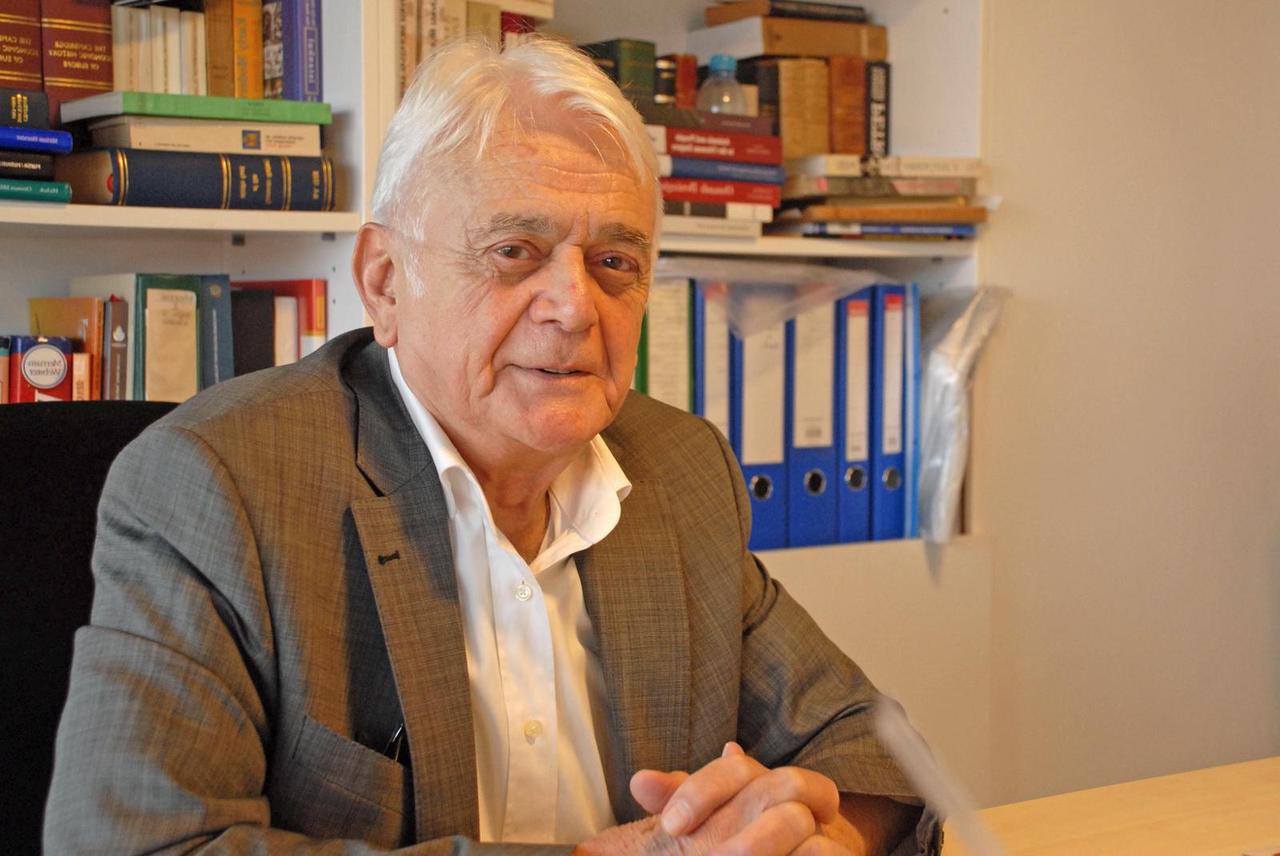

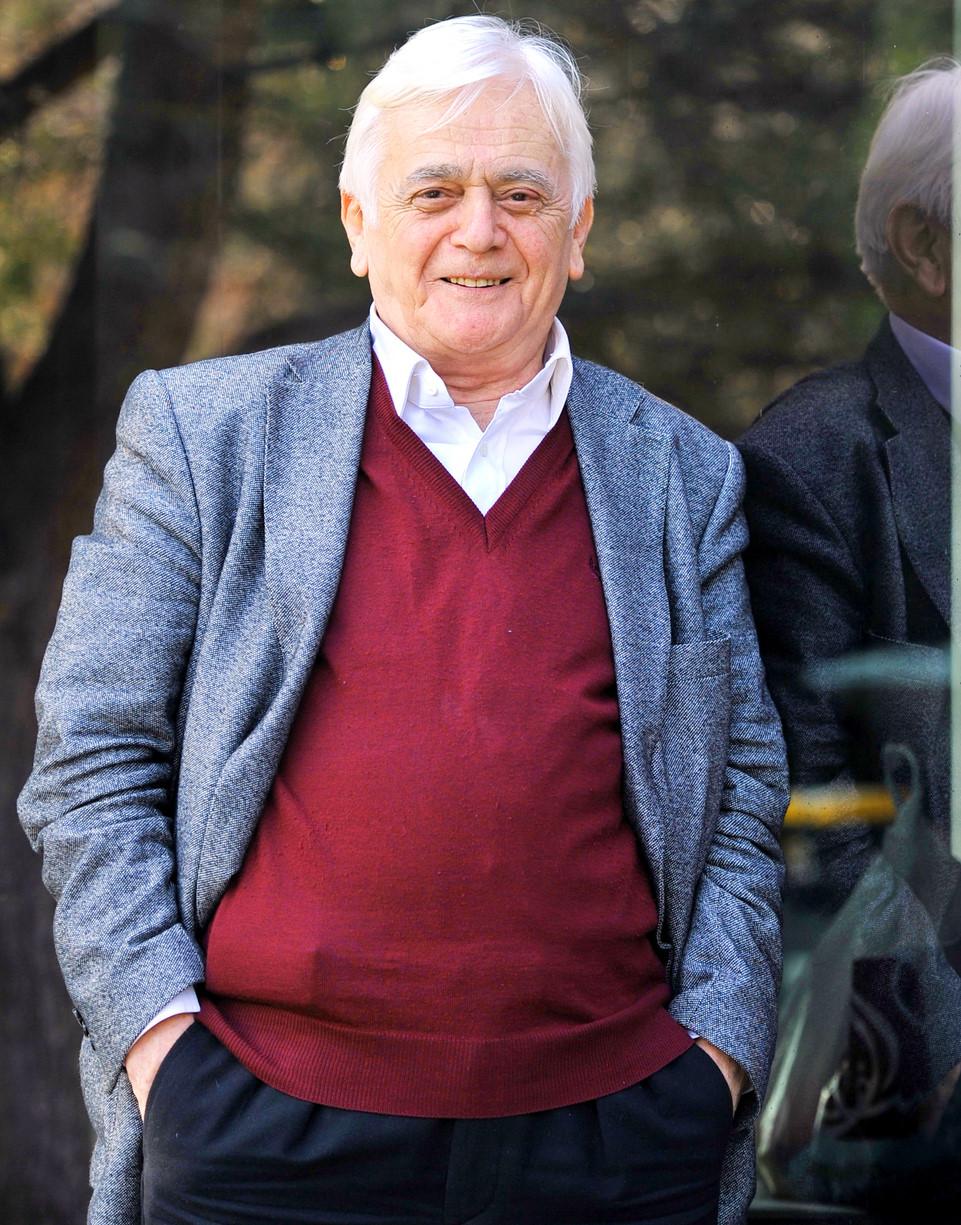
Mehmet Genç
Doğum tarihi | 1934-05-04 | ||||||||
|---|---|---|---|---|---|---|---|---|---|
Place of Birth | Arhavi, Artvin, Türkiye | ||||||||
Ölüm tarihi | 2022-03-18 | ||||||||
Place of Burial | Fatih Camii Haziresi, İstanbul | ||||||||
Nationality | Turk | ||||||||
Religion(s) | Islam | ||||||||
Award(s) | Presidency Culture and Art Grand Award - in Social Sciences and History (2015) Turkish Academy of Sciences (TÜBA) International Academy Award (2015) International Halil İnalcık History Award (2013) Aydın Doğan Foundation Special Award (2001) Turkish Writers Union Idea Award (2000) | ||||||||
Major Works | Conversations on the Ottoman Empire (2016) Ottoman Finance: Institutions and Budgets (2006) State and Economy in the Ottoman Empire (2000) | ||||||||
Mehmet Genç is a Turkish historian known for his documentary-based research on the economic history of the Ottoman Empire. Genç examined the economic structure of the Ottoman Empire using modern historiographical methods and made significant contributions to the field through his approaches to the role of the state in economic functioning and the concept of mentality.
Mehmet Genç was born on 4 May 1934 in the village of Kemerköprü, district of Arhavi, Artvin. He was the youngest of seven children in a middle-class Laz family. His father, Ali Rıza Bey, learned Arabic and basic religious sciences during a four-and-a-half-year prison sentence; upon returning home, he created an intellectually enriched household through religious discussions. Young Mehmet developed an early familiarity with Ottoman Turkish and religious texts within this intellectual environment. He began his education at the three-class village school and later attended Hopa Middle School. With the help of Azmi, he passed the state-funded boarding school entrance examination and entered Istanbul Haydarpaşa High School.
Mehmet Genç was born on 4 May 1934 in the village of Kemerköprü, district of Arhavi, Artvin. He completed his primary education at the village school and his secondary education at Hopa Middle School and Istanbul Haydarpaşa High School. In 1953 he enrolled in the Finance and Economics Department of the Faculty of Political Sciences at Ankara University. During this period he became interested in sociology, philosophy and literature. After a temporary interruption of his studies due to health issues, he completed his higher education.
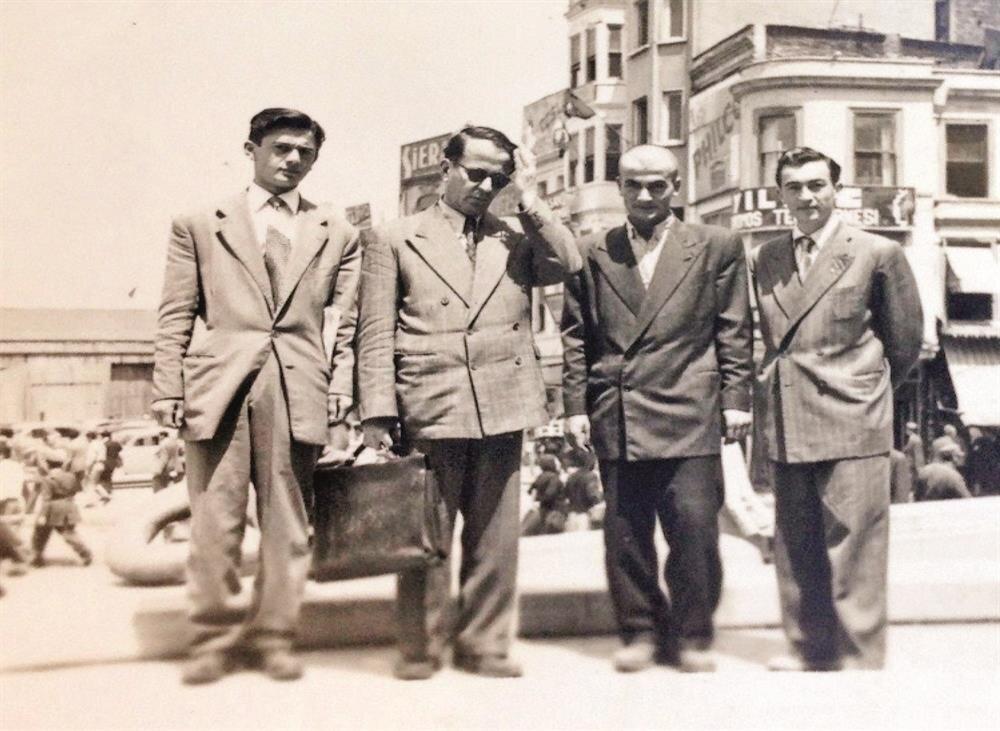
Mehmet Genç with his teacher Nihal Atsız and friends at Haydarpaşa High School... (Yenişafak Gazetesi)
In 1959 he began his career as an assistant at the Chair of Economic History in the Faculty of Economics at Istanbul University. Guided by his mentor Ömer Lütfi Barkan, he conducted research on the industrial history of the Ottoman Empire. In his archival-based studies, he analyzed the development of Ottoman industry within the context of mentality and structural factors. He became known for his “from document to model” approach. In 1983 he moved to the Department of History at Marmara University. He also taught at Istanbul Technical University, Istanbul Bilgi University and Istanbul Şehir University. In 1990 he served as a visiting scholar at the University of Washington.
Genç’s book Devlet ve Ekonomi Osmanlı İmparatorluğu’nda (2000) has become one of the principal sources questioning established narratives about the Ottoman state’s economic structure. His research on topics such as the industrialization process of the eighteenth century, the mukataa system, capitulations and the structure of Ottoman artisans opened new areas of debate in economic historiography. By adopting interdisciplinary methods in interpreting documents, Genç is among the first scholars to apply the concept of “mentality” to economic history.
In the final years of his life, Mehmet Genç continued his academic work at Istanbul Şehir University. He died on 18 March 2021 from lung cancer. Following a funeral prayer held at Fatih Camii the next day, he was buried in the cemetery of the mosque. He left behind a lasting legacy for the academic and intellectual world.
Mehmet Genç’s work is regarded as pioneering a new methodological approach in Ottoman economic historiography. His documentary-based analyses and his interpretation of the Ottoman state structure through an economic lens introduced a fresh perspective to Ottoman studies. His publications are frequently cited as key references in academic literature.
Anadolu Ajansı. “Tarihçi Mehmet Genç Vefat Etti.” *aa.com.tr*, March 18, 2021. Accessed May 7, 2025. https://www.aa.com.tr/tr/turkiye/tarihci-mehmet-genc-vefat-etti/2181017.
Cumhuriyet Nesli Bir Bilge: Mehmet Genç Sempozyumu Bildirileri. Accessed May 7, 2025. https://www.tuba.gov.tr.
Dîvân: İmparatorluğun İktisat Tarihçisi Mehmet Genç. 2021. Accessed May 7, 2025. https://divan.dergipark.org.tr.
Islam Research Journal. "Hac Yolunda Bir Karınca" - A Biographical Essay for Mehmet Genç. 2021. Accessed May 7, 2025. https://isam.org.tr.
Kriter Dergi. “İktisat Tarihinde Bir Müctehit: Mehmet Genç.” kriterdergi.com, 2021. Accessed May 7, 2025. https://kriterdergi.com/portre/iktisat-tarihinde-bir-muctehit-mehmet-genc.
Marmara Üniversitesi. “Üniversitemiz Emekli Öğretim Üyelerinden Mehmet Genç Vefat Etti.” Accessed May 7, 2025. https://www.marmara.edu.tr/news/universitemiz-emekli-ogretim-uyelerinden-dunyaca-unlu-osmanli-tarihcisi-hocamiz-mehmet-genc-vefat-etti.
TÜBA. "Şeref Üyesi Mehmet Genç Vefat Etti." *tuba.gov.tr*, March 19, 2021. Accessed May 7, 2025. https://tuba.gov.tr/tr/haberler/akademiden-haberler/tuba-seref-uyesi-dr.-mehmet-genc-vefat-etti.
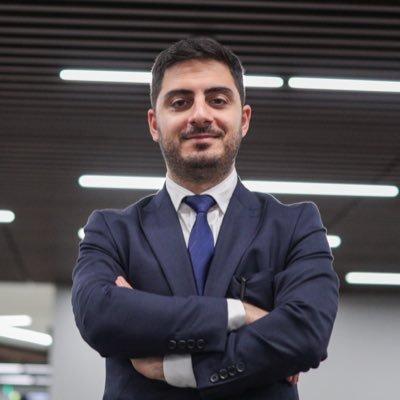
Mehmet Genç
Doğum tarihi | 1934-05-04 | ||||||||
|---|---|---|---|---|---|---|---|---|---|
Place of Birth | Arhavi, Artvin, Türkiye | ||||||||
Ölüm tarihi | 2022-03-18 | ||||||||
Place of Burial | Fatih Camii Haziresi, İstanbul | ||||||||
Nationality | Turk | ||||||||
Religion(s) | Islam | ||||||||
Award(s) | Presidency Culture and Art Grand Award - in Social Sciences and History (2015) Turkish Academy of Sciences (TÜBA) International Academy Award (2015) International Halil İnalcık History Award (2013) Aydın Doğan Foundation Special Award (2001) Turkish Writers Union Idea Award (2000) | ||||||||
Major Works | Conversations on the Ottoman Empire (2016) Ottoman Finance: Institutions and Budgets (2006) State and Economy in the Ottoman Empire (2000) | ||||||||
Childhood and Youth
Educational Journey
Academic Career
Works and Contributions
Final Years and Death
Legacy and Influence