

`ottoman-state` Related Article Results
 Te
TeTefrik-i Tebaa
The Tefrik-i Tebaa Policy was a political instrument developed by the Ottoman State in response to the complex nationality issues that emerged during its accelerating decline and disintegration from the late 18th century onward. This policy took shape as a consequence of internal and external dynamics including the weakening of central authority the proliferation of capitulations and the increasing protective efforts of foreign states over Ottoman subjects. The state aimed to reestablish control
EN
Denizcan Taşci

Bilecik
Bilecik is a small but historic city located in Türkiye's Marmara Region, bordering the Central Anatolia, Aegean and Black Sea regions. It stands out for its green natural landscape, tranquil atmosphere and rich cultural heritage. Its most significant feature is that the foundations of the Ottoman State were laid here. History Bilecik has a deep history extending back to the Paleolithic era. Although it has served as a home to many civilizations including the Phrygians, Romans and Byzantines, it
EN
Nida Üstün
Tımar System
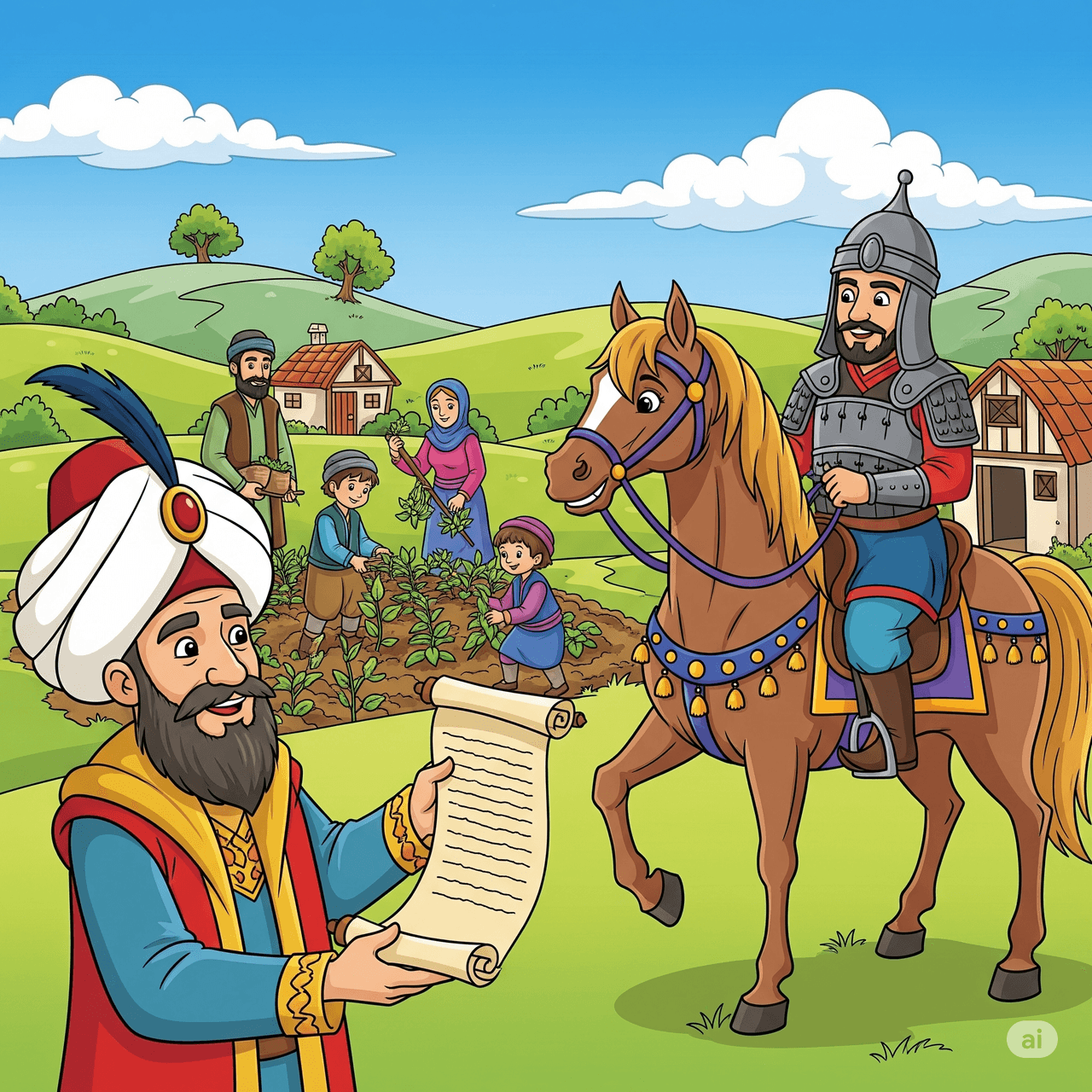
The Tımar System was crucial for the Ottoman state both in supporting its soldiers and in organizing the lives of farmers in rural villages. Let’s explore this system in a simple and engaging way! Tımar System (Generated by Artificial Intelligence) " image-element-format="right" image-source="https://cdn.t3pedia.org/media/uploads/2025/08/05/8jAptruC8ge0HFN5X22BQjrEaeCVnXwc.png"> What Was the Purpose of the Tımar System? The Ottoman State used the tımar system to manage its lands and maintain
EN
Elif Laçin
Cemal Pasha
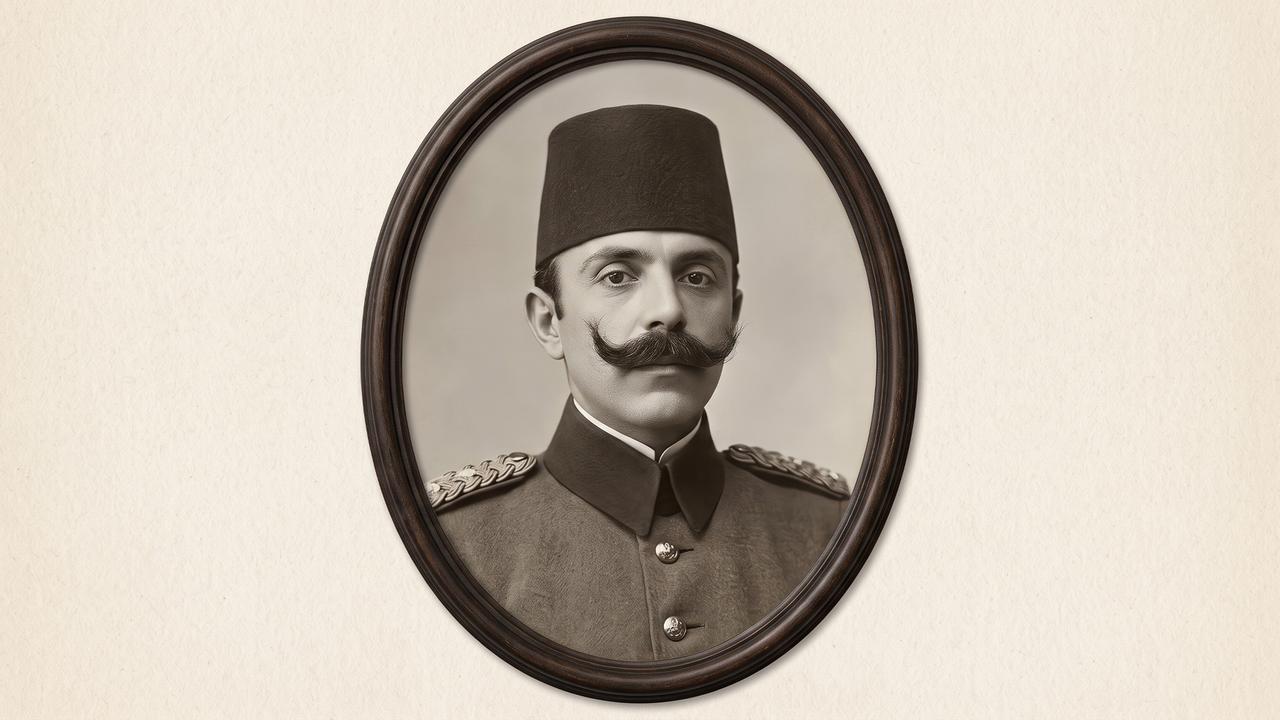
Ahmed Cemal Pasha (6 May 1872, Midilli–21 July 1922, Tbilisi), an Ottoman military officer and statesman who held various military, administrative, and political roles during the final period of the Ottoman State and was among the leading figures of the Committee of Union and Progress. After completing his military education, he served in various posts in Rumelia; following the declaration of the Second Constitutional Monarchy, he was appointed mutasarrıf of Üsküdar and later governor of Adana a
EN
Onur Çolak
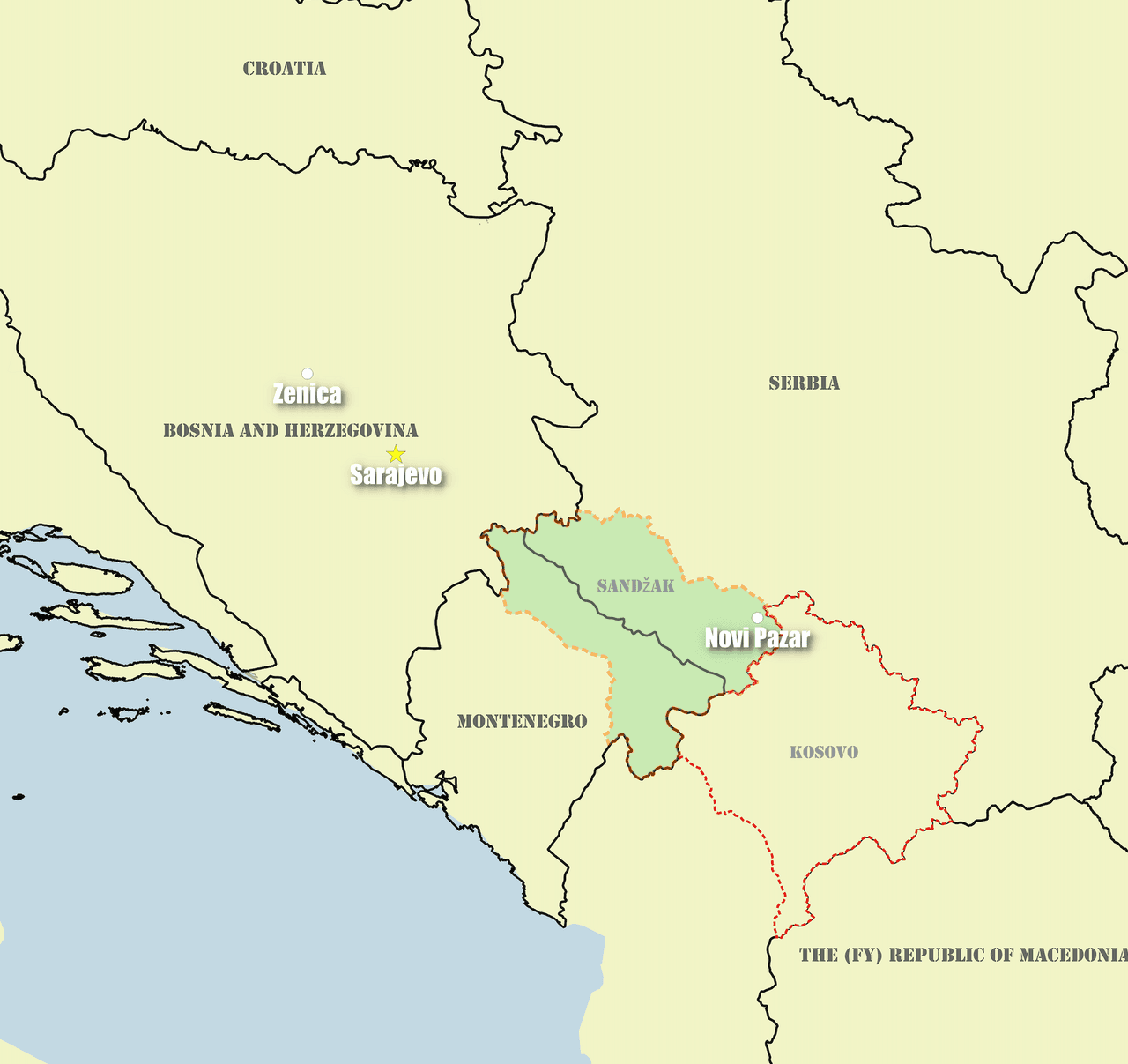
District (Region)
Sancak Region, one of the seven sanjaks subordinate to the Ottoman Empire’s Bosnia Eyalet, is a settlement known as “Raška” in Serbian history and “Yenipazar Sanjak” in Ottoman history. Divided between Serbia and Montenegro, this region, which encompasses multiple ethnic identities, has retained the name Sancak to the present day. The Yenipazar Sanjak borders Muslim Bosnia-Herzegovina, Albania, and Kosovo to the west and Christian Serbia and Montenegro to the east. The region, possessing signifi
EN
Esma Biçer
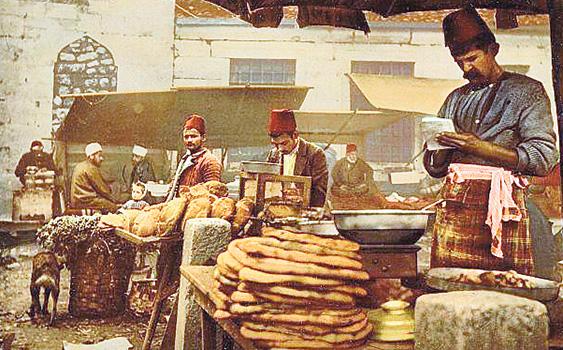
Famine in the Ottoman Empire
Causes of Famine In the Ottoman Empire, famines emerged due to the interplay of natural and human factors important. Natural Causes Climate changes (drought, extreme aridity, severe cold waves) Natural disasters (floods, frost events) Disasters damaging agricultural land (locust invasions, crop diseases) Unfavorable geographical conditions (inability to cultivate in mountainous and arid regions) Human Causes Excessive population growth: Led to insufficient food production. Wars and social unrest
EN
Mustafa Cem İnci
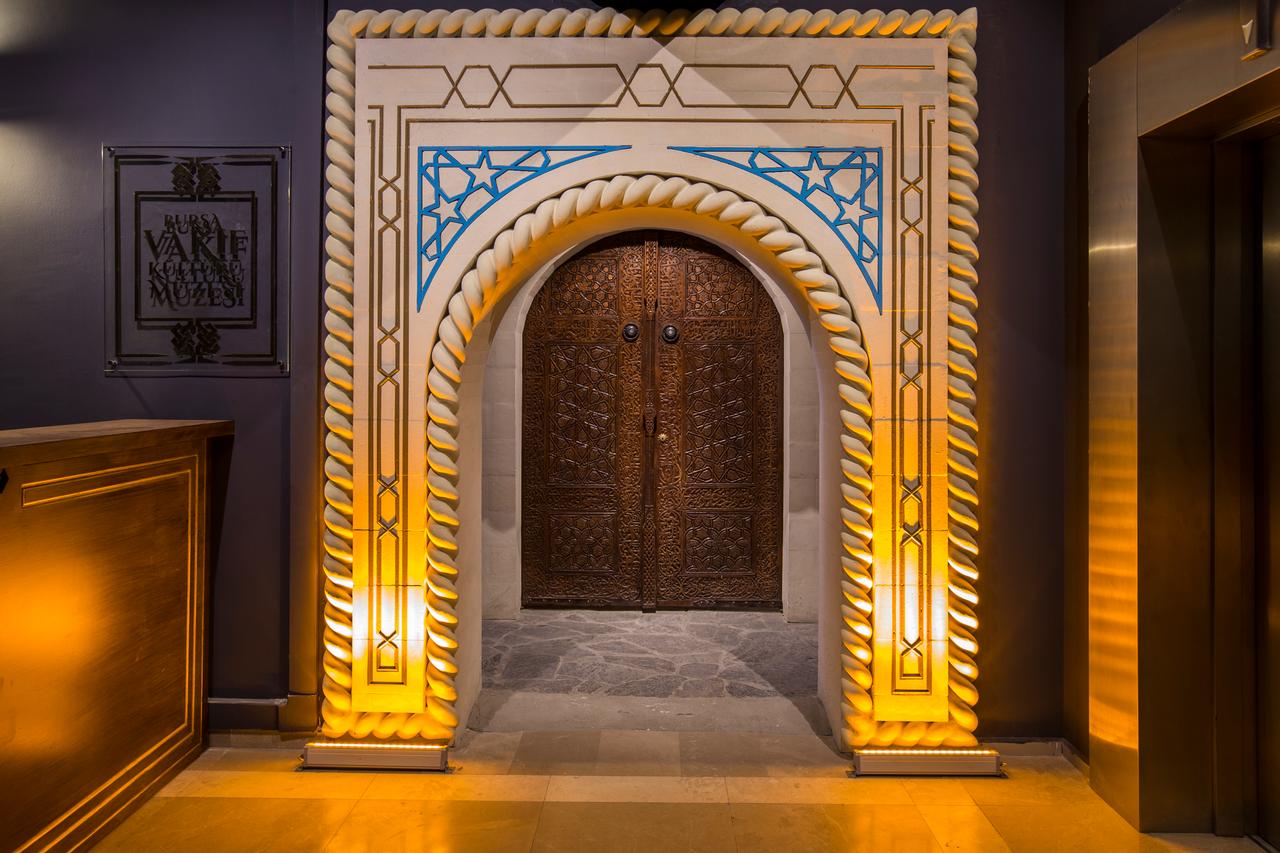
Bursa Foundation Culture Museum
Bursa Waqf Culture Museum is an institution designed to connect visitors with the institutional structure, architectural manifestations, and social functions of the Ottoman waqf system. Bursa, as the first capital of the Ottoman State, was also a central hub in the formation of Ottoman waqf culture. Within the framework of Turkish-Islamic culture, waqfs—established with the aim of attaining divine pleasure—led to the construction of monumental structures such as caravanserais, bathhouses, madras
EN
Hilal Doğan
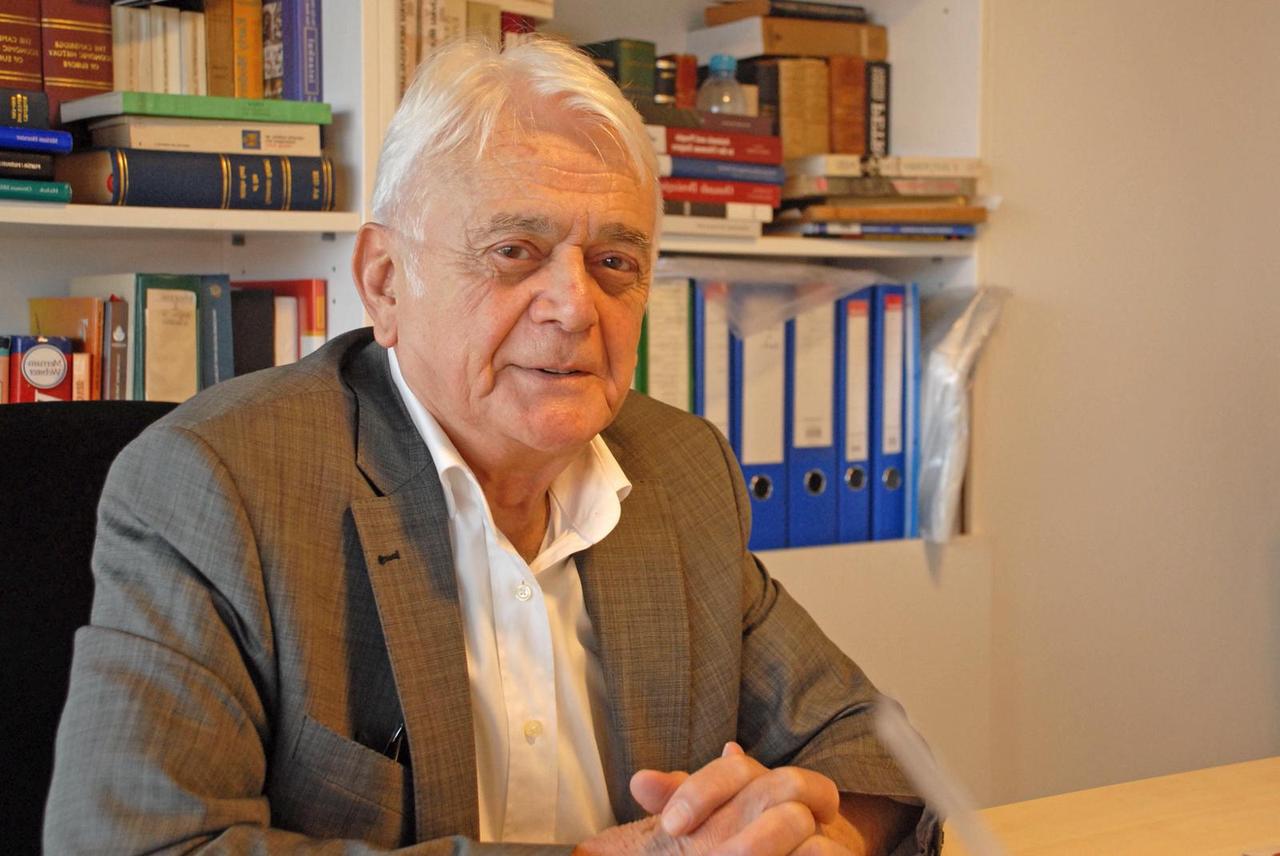
Mehmet Genç
Mehmet Genç is a Turkish historian known for his documentary-based research on the economic history of the Ottoman Empire. Genç examined the economic structure of the Ottoman Empire using modern historiographical methods and made significant contributions to the field through his approaches to the role of the state in economic functioning and the concept of mentality. Childhood and Youth Mehmet Genç was born on 4 May 1934 in the village of Kemerköprü, district of Arhavi, Artvin. He was the young
EN
Hayri Soygüzel
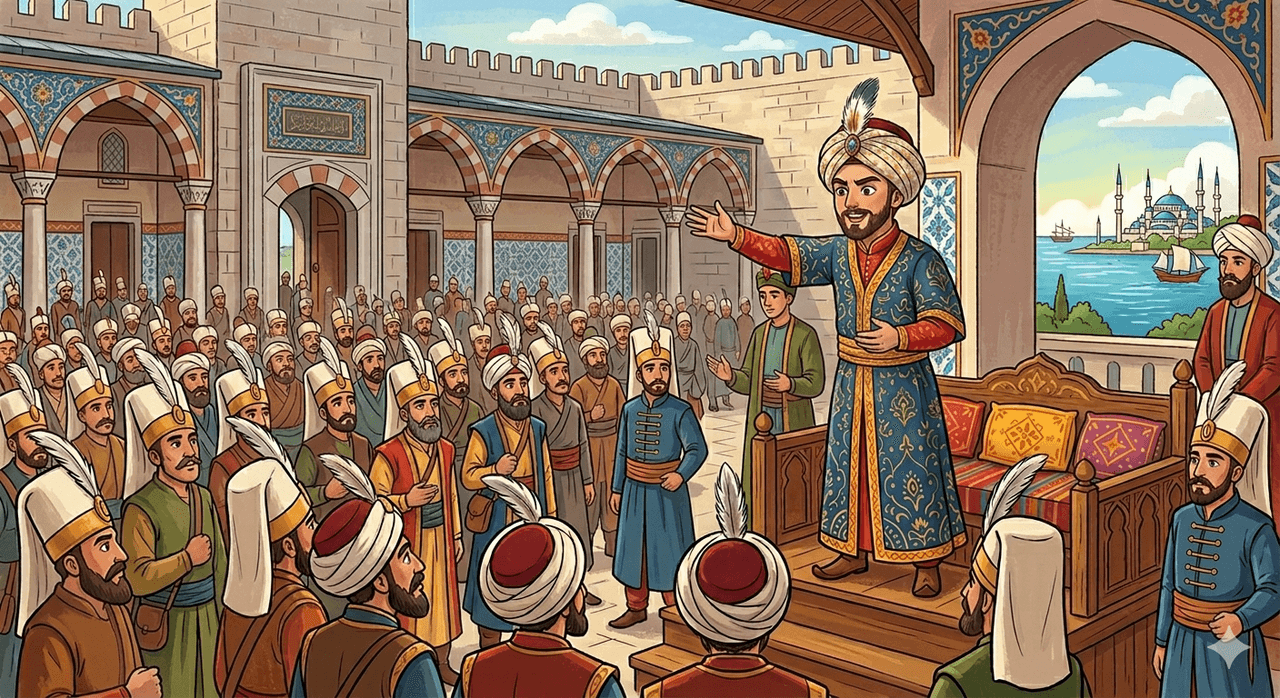
Young Osman
Ottoman Empire’s one of its youngest and most reform-minded sultans. Although he ascended the throne as a child, he harbored grand ambitions to transform his country into a more modern and powerful state. A Reform-Minded Sultan Young Osman noticed that some of the state’s institutions were no longer functioning as effectively as before. In particular, he believed the discipline of the Janissary Corps, the army of his time, had deteriorated. He therefore devised plans to modernize and reorganize
ENTülin Yıldız