

`economic-history` Related Article Results
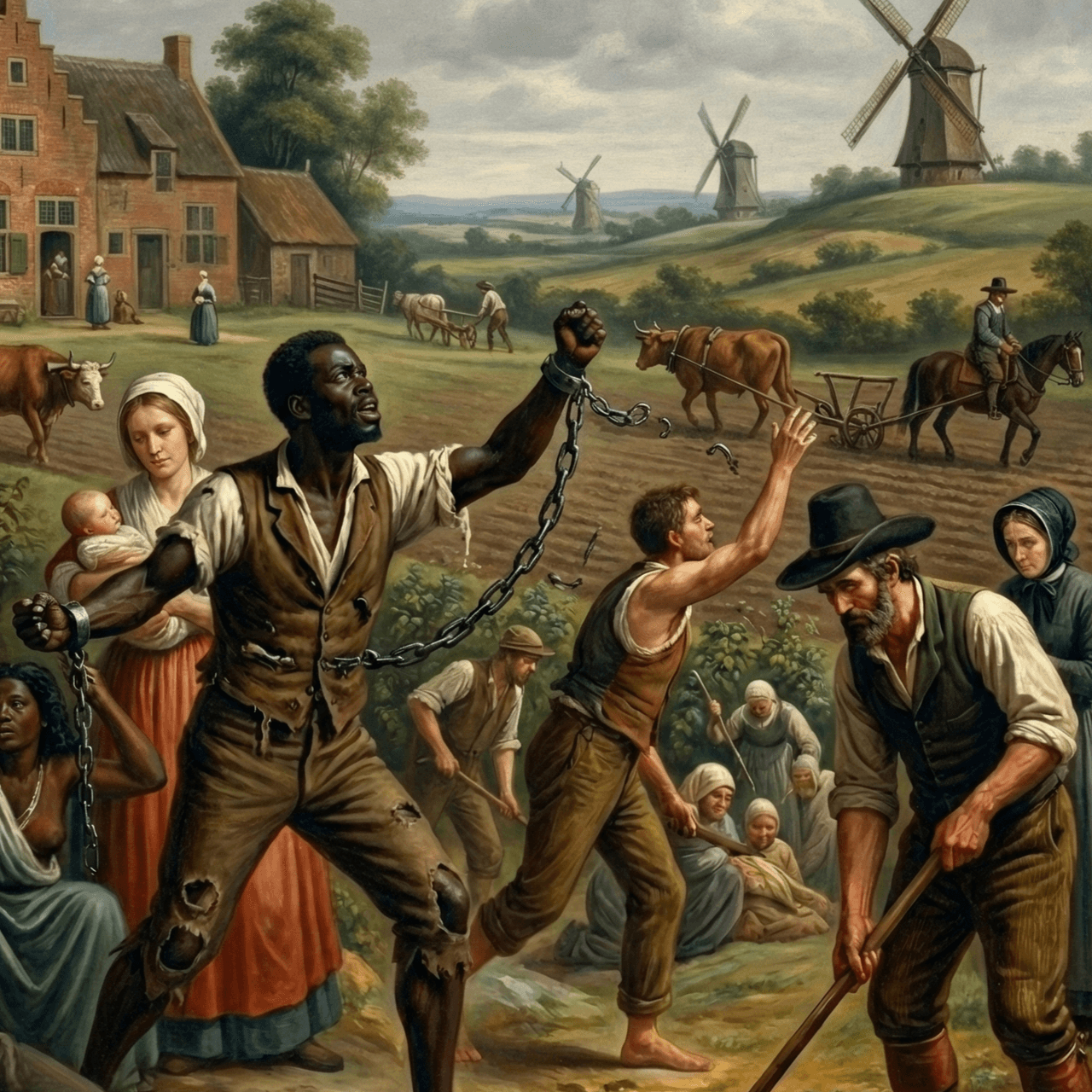
Social Changes in Medieval Europe: From Slavery to Serfdom
Terrible are these things! On a melancholy shore, I am becoming soulless, a dying slave. In the universe, I am utterly alone, before my eyes, My beloved is not, only a domineering master. They forbid me to weep, even to whisper; I have lost all the rights granted by nature; I feel myself subject to barbaric laws, To the fear unknown in the forest, to contempt. Since the third century CE, new social structures began to emerge. These societies were governed during the decline of the Roman Empire b
EN
pınar ülgen
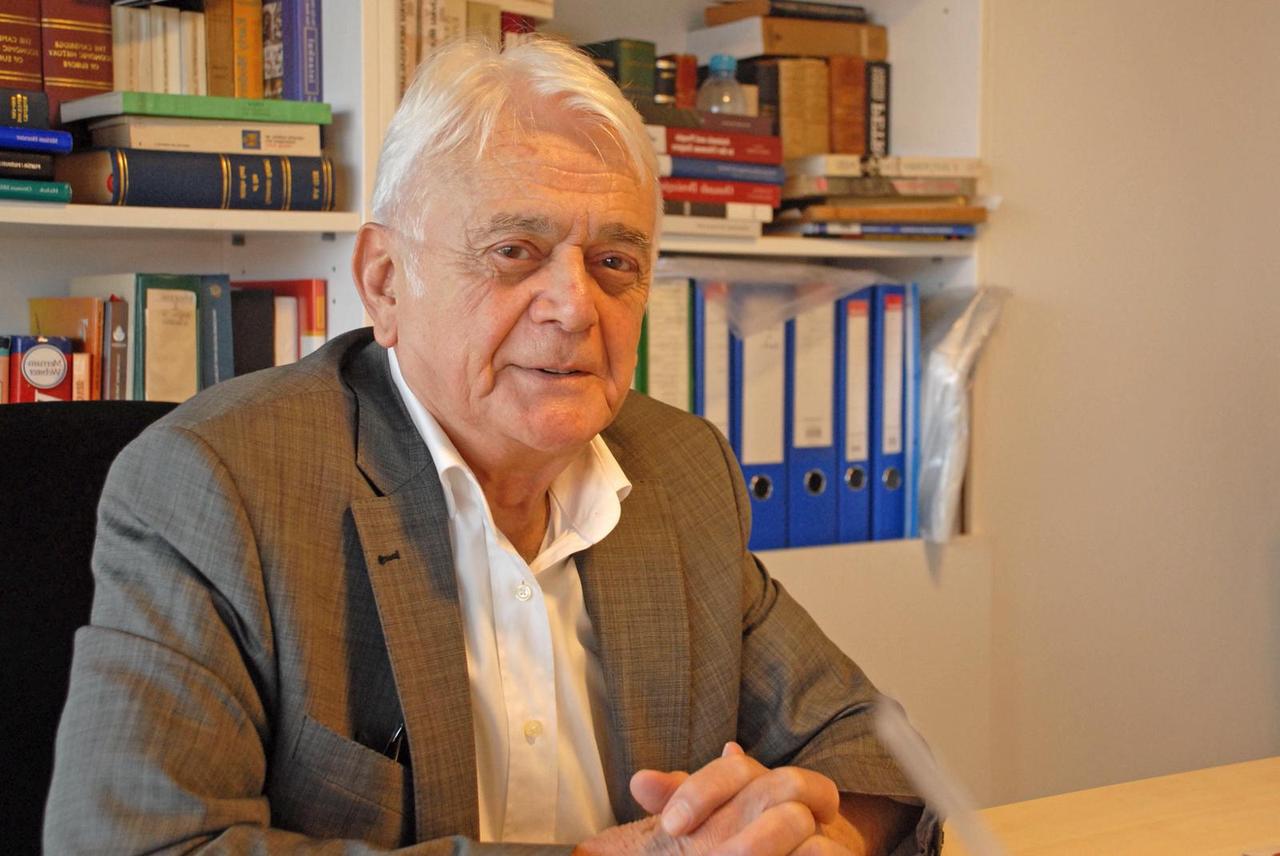
Mehmet Genç
Mehmet Genç is a Turkish historian known for his documentary-based research on the economic history of the Ottoman Empire. Genç examined the economic structure of the Ottoman Empire using modern historiographical methods and made significant contributions to the field through his approaches to the role of the state in economic functioning and the concept of mentality. Childhood and Youth Mehmet Genç was born on 4 May 1934 in the village of Kemerköprü, district of Arhavi, Artvin. He was the young
EN
Hayri Soygüzel
 Gr
GrGresham's Law
Gresham’s Law is an economic principle asserting that when two or more currencies circulate with the same nominal (legal) value but different intrinsic (metallic or market) values, the “bad” currency—those with lower intrinsic value or overvalued relative to their metal content—will drive out the “good” currency—those with higher intrinsic value or undervalued relative to their metal content—from circulation. This law is commonly summarized as “Bad money drives out good.” It operates under fixed
ENYunus Emre Yüce