This article was automatically translated from the original Turkish version.
Geography | Mardin Province / Türkiye | ||||||||
|---|---|---|---|---|---|---|---|---|---|
Cultural Influences | Arab, Kurdish, Syriac, and Turkish communities | ||||||||
Spices | Red pepper flakes, cumin, mint, sumac, mixed spices | ||||||||
Distinguishing Feature | Meat-fruit combinations Geographical indication product diversity Community meal preparations based on social rituals Long-duration cooking methods Use of spices | ||||||||
Prominent Dishes | Firkiye Ikbebet Almond candy Kiliçe bread Stuffed ribs (Kibe) Alluciye | ||||||||
Mardin cuisine is a multi-layered regional cuisine shaped by the interaction of traditional culinary practices of Arab, Kurdish, Syriac, and Turkish communities who have lived together in Mardin, one of the provinces of Southeastern Anatolia, throughout history. The regional cuisine is distinguished by meat and grain-based recipes, as well as fruit-meat combinations, salting techniques, a wide variety of spices, and cooking practices. Bulgur, tail fat, butter, lamb meat, prune plums, almonds, apricots, molasses, and local spices are among the frequently used ingredients.
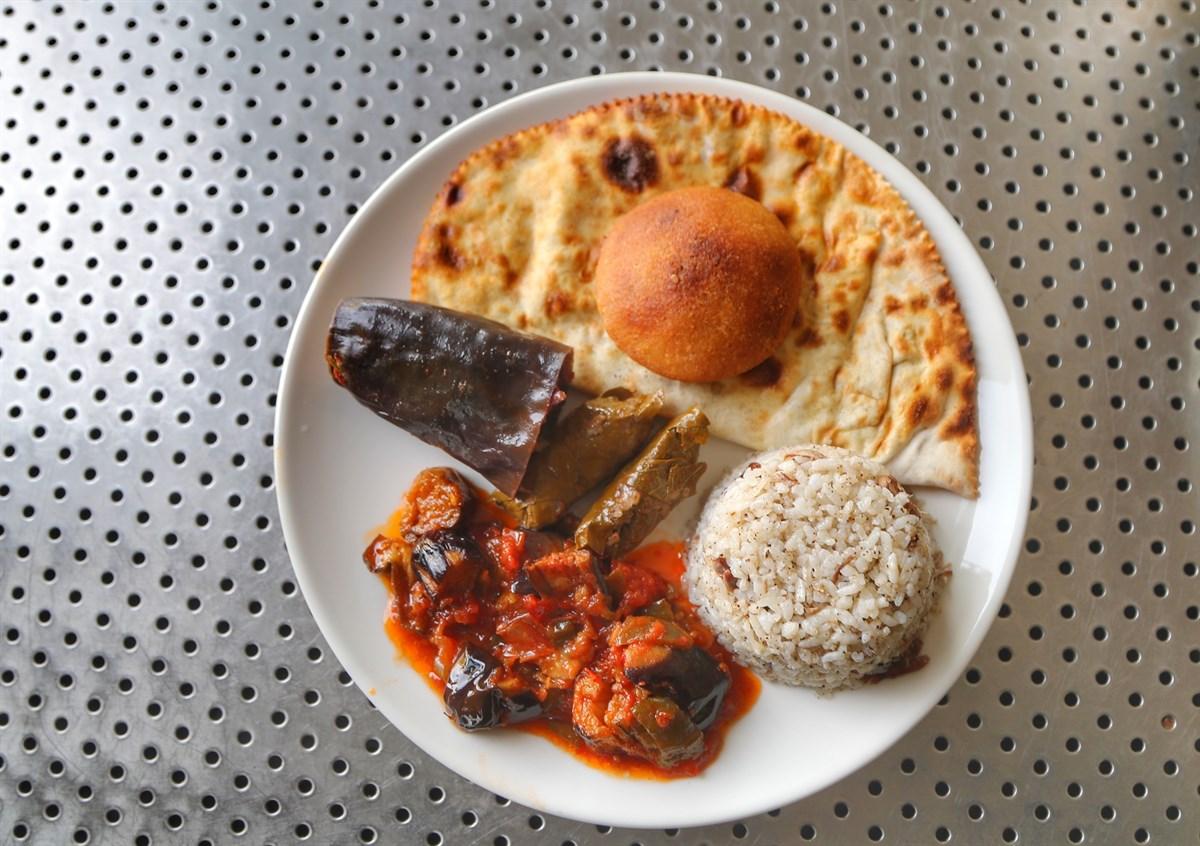
Mardin Cuisine (T.C. Mardin Governorship)
Mardin cuisine serves not only as a means of nourishment but also as a social bonding element. Meals are prepared collectively during social events such as weddings, holidays, and guest visits. Stuffed lamb ribs are typically cooked with the participation of multiple people during large family gatherings. Kiliçe bread is served with coffee to guests on holiday mornings.
The use of spices in Mardin cuisine is linked not only to flavor profiles but also to folk medicine, protective properties, and cultural habits. Red pepper flakes, black pepper, mint, fenugreek, sumac, and blended spice mixtures define the taste and aroma of dishes while also being regarded as immune-boosting elements. The selection and application of spices are fundamental to preserving the uniqueness of local recipes.
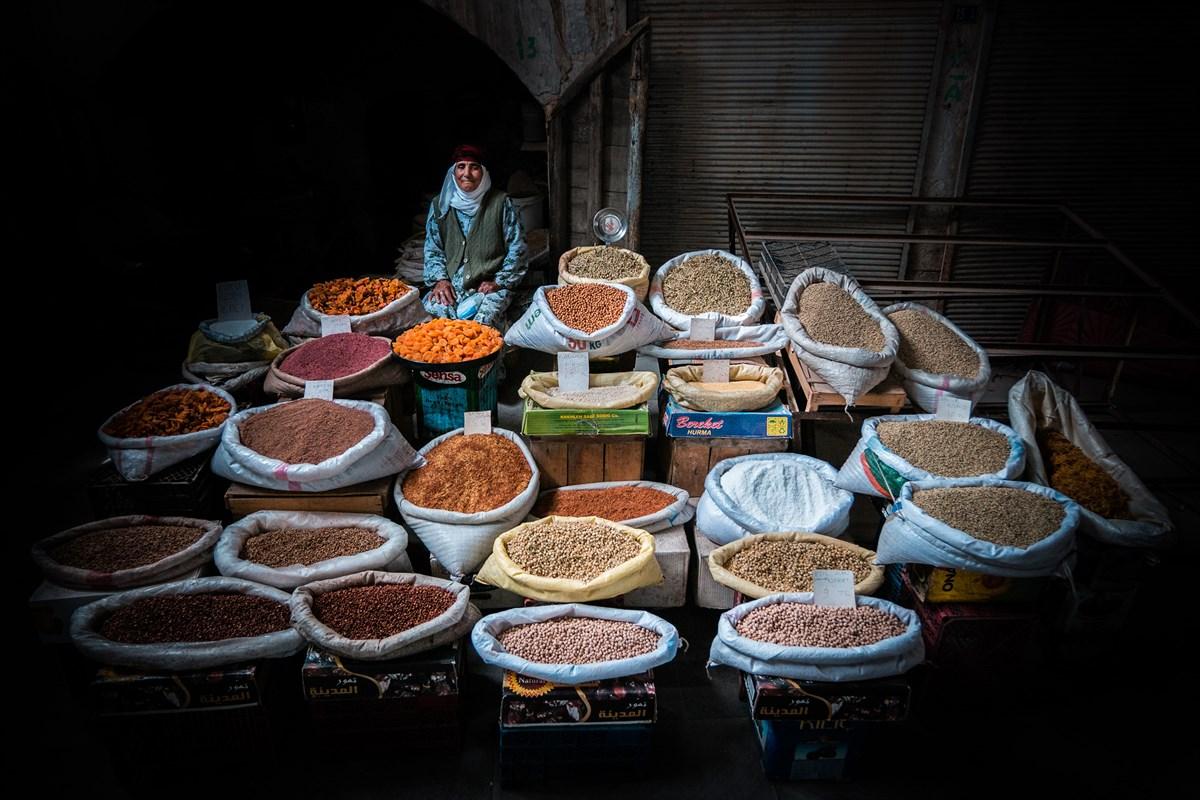
The economic and spatial manifestation of this cultural richness is the historic market building Arasa Hanı. With a 600-year history, this structure was originally used as a fruit and vegetable market but gradually became the center of spice trade. Spices vendors operating within the stone architecture of the han source their products primarily from rural villages around Mardin and prepare them using traditional methods without additives.
Spice trading in Arasa Hanı is a profession passed down through generations. Several merchants have been continuing the same trade for over 70 years within the han. This practice reinforces the perception of spices in Mardin cuisine not merely as ingredients but as cultural heritage elements. Today, Arasa Hanı remains an important stop on Mardin’s gastronomy routes.
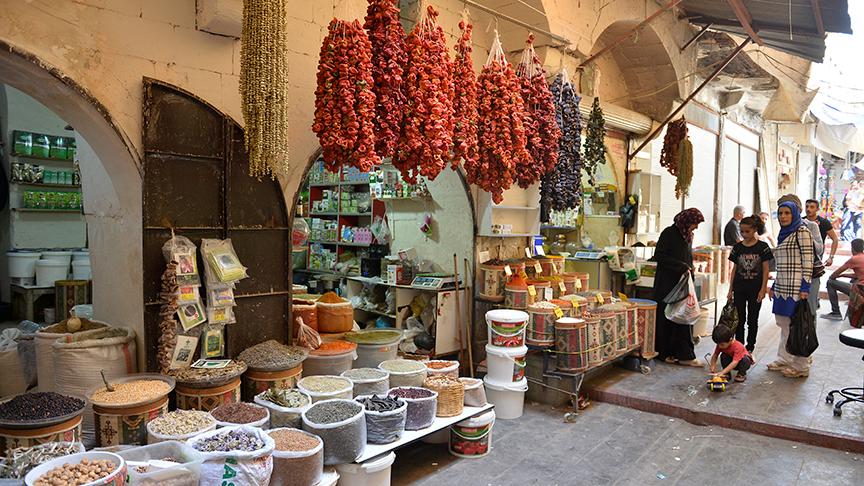
Arasa Hanı (Anadolu Agency)
Cooking methods in Mardin cuisine have evolved in alignment with the region’s agricultural diversity, animal resources, and communal consumption habits. Long, slow, and layered cooking techniques are characteristic of meat dishes. Lamb cut into small cubes is typically browned in tail fat or butter, then simmered for extended periods with added liquid. This method softens the meat fibers and intensifies flavor.
Pilafs begin with a browning stage. Rice is first sautéed in butter, then slowly steamed over low heat with hot water and sometimes complementary ingredients such as currants, pine nuts, or almonds. This results in a visually and aromatically rich final product.
In Mardin cuisine, the preparation of bulgur and semolina-based dough products is influenced not only by kneading but also by soaking and resting steps, which affect cooking quality. Meatballs are generally prepared by boiling or frying. Ikbebet, known as stuffed meatballs, is an example that can be cooked either by boiling or frying.
The flavor profile of dishes is balanced by the addition of dried and fresh spices during cooking. Special attention is paid to harmonizing sour and sweet components in recipes featuring fruit-meat combinations, such as alluciye or firkiye. Such dishes are typically prepared in closed vessels like pots or clay casseroles to trap aromas.
Preparatory methods such as salting and drying are preferred to preserve fruits for extended periods and to transfer their flavor during cooking. These practices hold an important place in Mardin’s seasonal culinary cycle.
Prepared with lamb, tail fat, fresh onion, prune plums (fresh or salted), salt, and water. The dish’s name derives from the Arabic word “alluc,” meaning prune plum. It is served hot, and parsley may be added optionally.
The defining feature of this dish is the use of prune plums grown in the Mardin region. These plums can also be added in salted form. Salted plums are prepared using hot water and rock salt and can be stored for up to one year in a cool, dry environment.
The production of Mardin Alluciye has deep roots in Mardin’s culinary culture and must be prepared exclusively within this geographic boundary. All production stages must occur in Mardin. The product was officially registered as a “geographical indication” on 28 July 2023. Oversight is coordinated by Mardin Artuklu University, with annual inspections to ensure compliance with production standards.
Ikbebet is a unique type of stuffed meatball specific to Mardin cuisine. The outer layer consists of fine bulgur, semolina, flour, pepper paste, and salt; the filling is made of minced meat, finely chopped onion, crushed walnut kernels, black pepper, red pepper flakes, and butter.
To prepare the filling, minced meat is sautéed with onion; then walnuts and spices are added and left to cool. The fine bulgur for the outer layer is soaked in hot water; semolina, paste, flour, and salt are then added and kneaded into a dough. Pieces the size of walnuts are shaped from the dough, hollowed out, filled with the prepared mixture, and sealed. The meatballs are either fried in hot oil or boiled in salted water.
Ikbebet is served either with yogurt or plain, according to preference. Its production is defined exclusively within the boundaries of Mardin province; it cannot be legally referred to as “Mardin Ikbebet” if produced outside these limits.
The product was officially registered as a geographical indication on 23 December 2009. Oversight is coordinated by the Mardin Governorship’s Directorate of Culture and Tourism, with annual inspections to verify compliance with production standards.
Ikbebet (T.C. Mardin Governorship)
Firkiye is a fruit-based meat dish unique to Mardin. It contains cubed lamb, dried apricots, green plums, almonds, onion, sugar, salt, water, and butter. In preparation, the cubed lamb is browned in butter. Finely chopped onion is added once the meat turns pink, and browning continues. Water is then added and the meat is simmered until tender. Almonds are boiled separately, peeled, and chopped. Once cooked, the chopped apricots, green plums, almonds, and sugar are added to the meat and cooked for a few more minutes. Fresh or dried plums and apricots may be used depending on the season.
Firkiye is served hot. Historically, this dish has been featured on tables during religious holidays, weddings, and special occasions in Mardin. The product was registered as a geographical indication on 28 July 2023. Production must occur entirely within Mardin province. Oversight is coordinated by Mardin Artuklu University, with annual inspections to ensure compliance with standards.
Kaburga Dolması is a traditional dish unique to Mardin cuisine. Its ingredients include lamb ribs with a slit cut, rice, currants, pistachios, almonds, butter, salt, black pepper, cinnamon, and nutmeg.
To prepare, one side of the rib is slit open to create a pocket for stuffing. For the pilaf, pine nuts are sautéed in butter, followed by almonds and currants. Washed rice is then sautéed with the nuts and spices, hot water is added, and the pilaf is partially cooked over low heat. The cooked pilaf is stuffed into the rib cavity, the opening is sewn shut, and the ribs are baked in a tray, covered, for approximately three to four hours.
Kaburga Dolması is typically served whole or sliced. This product must be prepared exclusively within Mardin province and was registered as a “geographical indication” on 23 December 2009. Oversight is coordinated by the Mardin Governorship’s Directorate of Culture and Tourism, with annual inspections to ensure compliance with production standards.
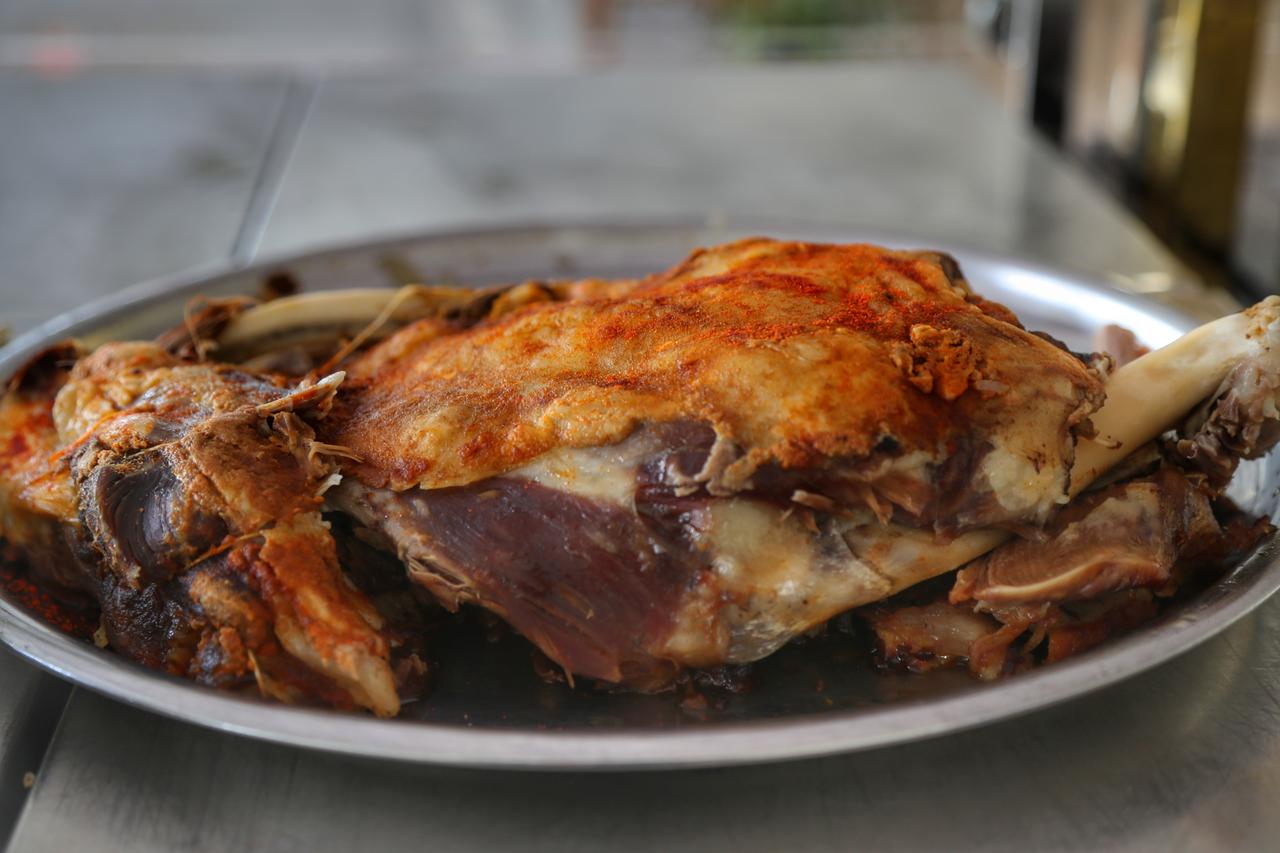
Kaburga Dolması (T.C. Mardin Governorship)
Mardin Kiliçe Çöreği is a traditional bread prepared using two different methods: with yeast or without yeast. The yeasted version uses fresh or dry yeast; the non-yeasted version uses baking powder. The dough contains butter, milk, sunflower oil, powdered sugar, and local spices. The surface is typically brushed with egg yolk and optionally garnished with almond kernels.
This regional delicacy is served during religious holidays, weddings, funerals, and other special occasions. Production is permitted only within the boundaries of Mardin province. The production process is coordinated by the S.S. İpekyolu Women’s Environment Culture and Enterprise Cooperative, in collaboration with the Artuklu District Directorate of Agriculture and Forestry, the Mardin Branch of the Chamber of Food Engineers, and Mardin Artuklu University. It was registered as a geographical indication on 28 May 2021 (registration number 776), with its uniqueness preserved through local production methods and ingredients.
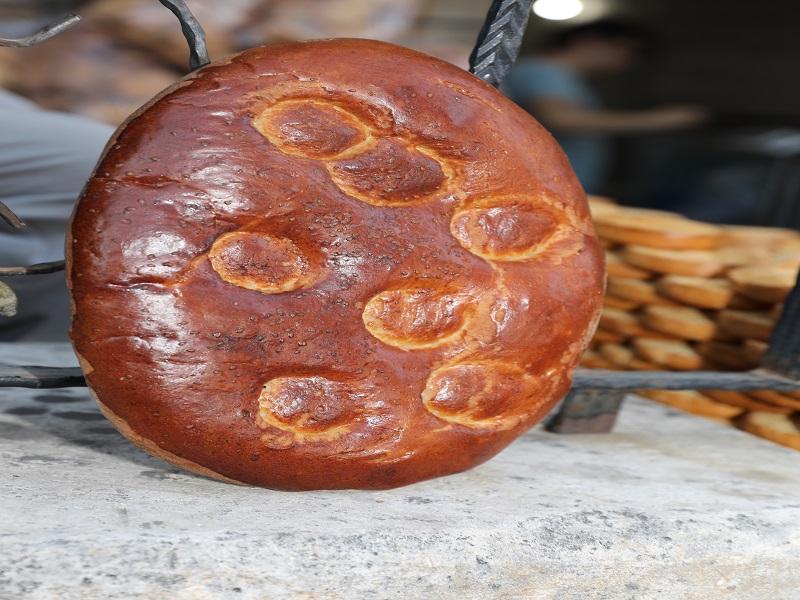
Mardin Kiliçe Çöreği (T.C. Mardin Governorship)
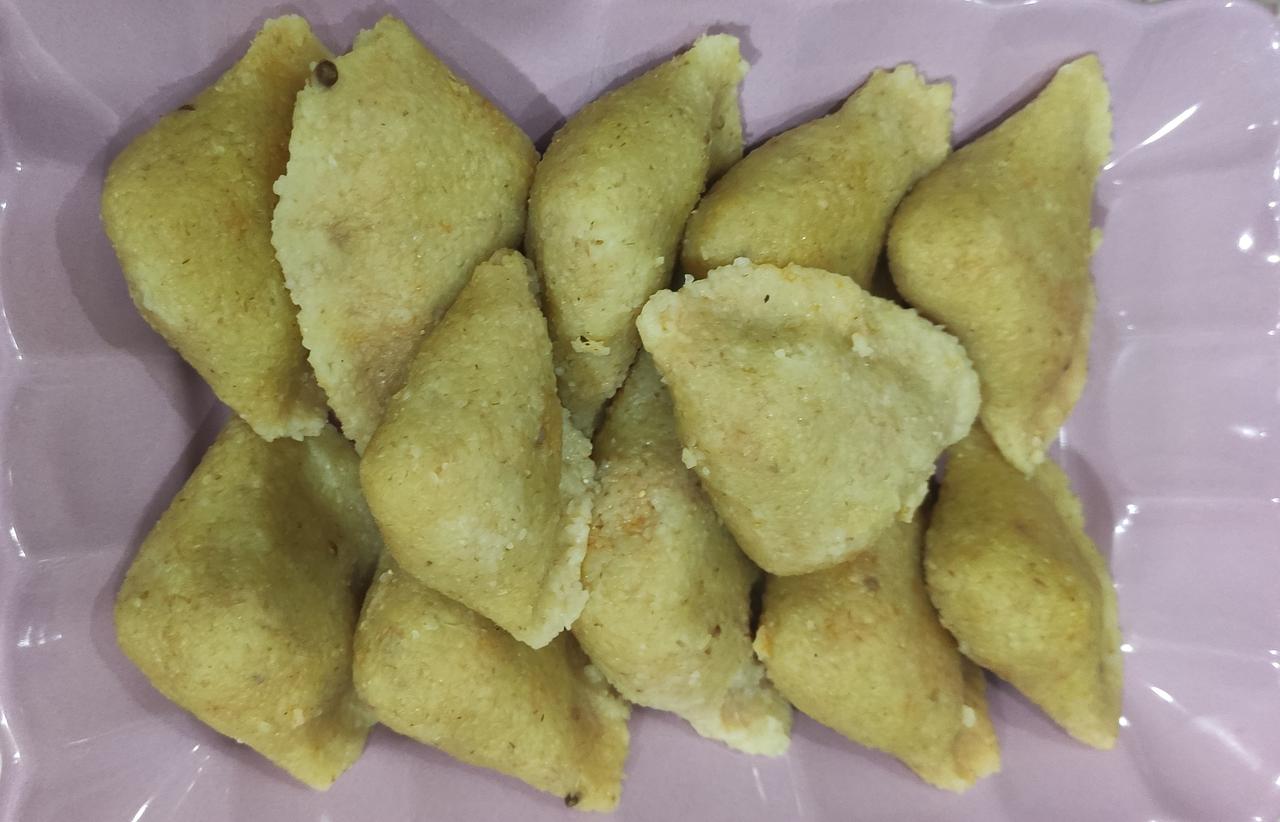
Mardin Almond Candy is a traditional dessert made by candying locally grown almonds. Local almonds and sugar in specific proportions are used in its preparation. The dessert is served during special occasions and ceremonies. The unique flavor of Mardin Almond Candy derives from the climatic and soil conditions affecting the local almonds. Production follows hygienic standards while preserving traditional methods.
Production of Mardin Almond Candy is permitted only within the boundaries of Mardin province. Its uniqueness and production standards are regularly monitored under the coordination of Mardin Artuklu University. It was registered as a geographical indication on 28 May 2021 (registration number 124), under the category “Candies.”
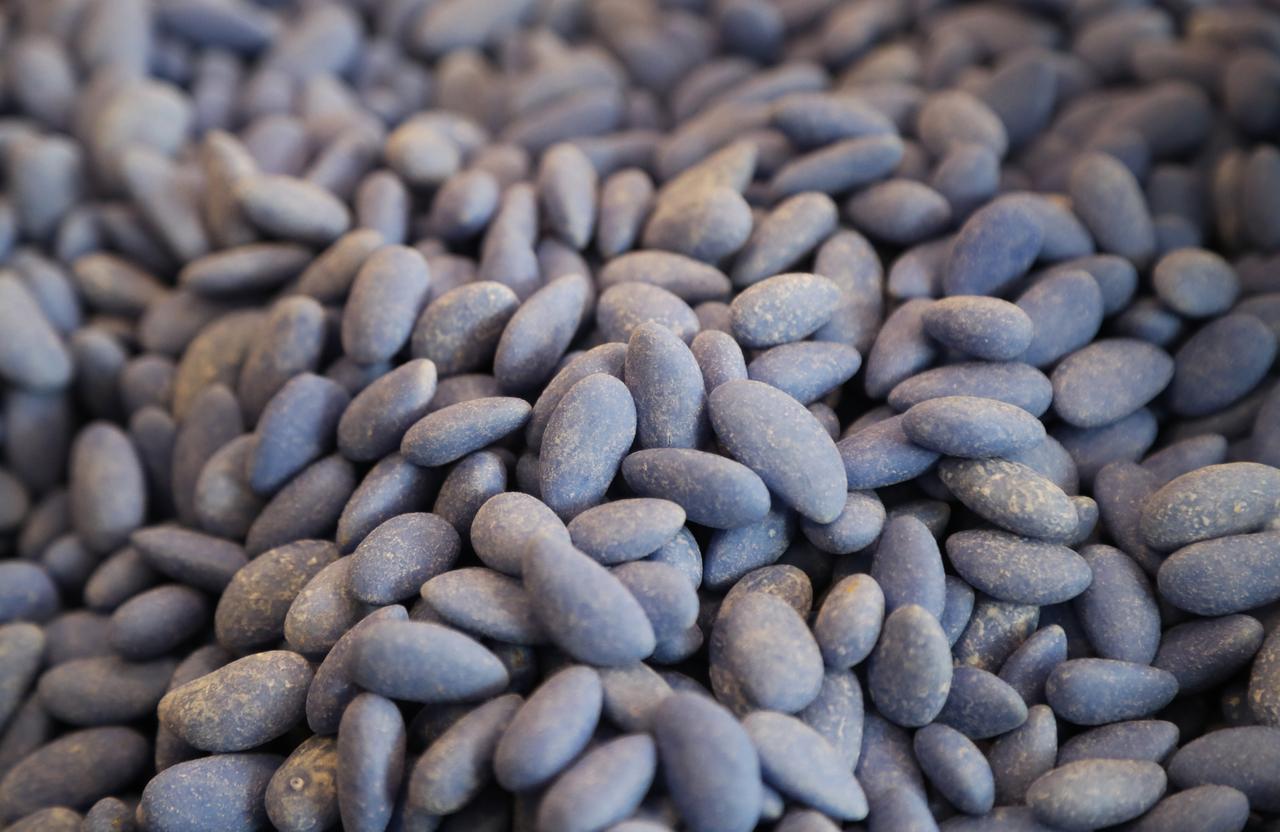
Mardin Almond Candy (T.C. Mardin Governorship)
Anadolu Ajansı. “Tarihi Şehrin Baharat Kokan Çarşısı.” Accessed July 3, 2025.https://www.aa.com.tr/tr/kultur-sanat/tarihi-sehrin-baharat-kokan-carsisi-/1248552
T.C. Kültür ve Turizm Bakanlığı. "Ne Yenir?" Mardin İl Kültür ve Turizm Müdürlüğü. Accessed June 28, 2025.
T.C. Mardin Valiliği. "MARDİN MUTFAĞI." T.C. Mardin Valiliği Web Sitesi. Accessed June 28, 2025.http://www.mardin.gov.tr/yeni-mardin-mutfagi
T.C. Ministry of Culture and Tourism. "Harire - Mardin." Türkiye Kültür Portalı. Accessed June 28, 2025.https://www.kulturportali.gov.tr/turkiye/mardin/neyenir/harire
T.C. Ministry of Culture and Tourism. "Yöre Mutfağı (Gastronomi)." Mardin İl Kültür veTurizm Müdürlüğü. Accessed June 28, 2025.https://mardin.ktb.gov.tr/TR-56499/yore-mutfagi-gastronomi.html
Toprak, Lokman. Mardin Yemek Kültürü. Mardin Müze Müdürlüğü, 2015.
Turk Patent and Trademark Office. "Mardin Alluciye." *Geographical Indications Portal.* Accessed July 6, 2025.https://ci.turkpatent.gov.tr/Files/GeographicalSigns/26f20c57-5169-4fa6-809e-dcccc64cb89d.pdf
Turk Patent and Trademark Office. "Mardin Badem Şekeri." *Coğrafi İşaretler Portalı.* Accessed July 10, 2025.https://ci.turkpatent.gov.tr/Files/GeographicalSigns/124.pdf
Turk Patent and Trademark Office. "Mardin Firkiye." *Coğrafi İşaretler Portalı.* Accessed July 6, 2025.https://ci.turkpatent.gov.tr/Files/GeographicalSigns/44854a24-d5b7-4524-af2e-f948cf23507d.pdf
Turk Patent and Trademark Office. "Mardin Kaburga Dolması (Kibe)." Coğrafi İşaretler Portalı. Accessed July 6, 2025.https://ci.turkpatent.gov.tr/Files/GeographicalSigns/123.pdf
Turk Patent and Trademark Office. "Mardin Kiliçesi / Mardin Kiliçe Çöreği." Coğrafi İşaretler Portalı. Accessed July 10, 2025.https://ci.turkpatent.gov.tr/Files/GeographicalSigns/00e45e68-ba3e-47d5-b098-4d05a68f35a4.pdf
Türk Patent ve Marka Kurumu. "Mardin İkbebet." Coğrafi İşaretler Portalı. Accessed July 6, 2025.

Geography | Mardin Province / Türkiye | ||||||||
|---|---|---|---|---|---|---|---|---|---|
Cultural Influences | Arab, Kurdish, Syriac, and Turkish communities | ||||||||
Spices | Red pepper flakes, cumin, mint, sumac, mixed spices | ||||||||
Distinguishing Feature | Meat-fruit combinations Geographical indication product diversity Community meal preparations based on social rituals Long-duration cooking methods Use of spices | ||||||||
Prominent Dishes | Firkiye Ikbebet Almond candy Kiliçe bread Stuffed ribs (Kibe) Alluciye | ||||||||
Social and Cultural Context
Spice Culture and Arasa Hanı
Cooking Techniques
Selected Dishes and Desserts
Alluciye (Sour Plum Stew)
Ikbebet (Stuffed Meatballs)
Firkiye
Kaburga Dolması (Kibe)
Mardin Kiliçe Çöreği
Mardin Almond Candy