


This article was automatically translated from the original Turkish version.
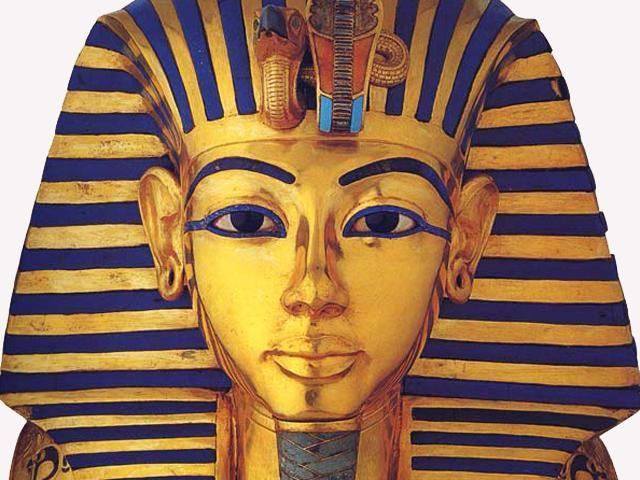
Lapis Lazuli
Chemical Formula | (Na Ca) 8 (AlSiO4) 6 (S SO4 Cl) 1-2 | ||||||||
|---|---|---|---|---|---|---|---|---|---|
Civilizations That Used the Stone | Ancient Egypt China India Persia Mesopotamia | ||||||||
Color | Dark blue | ||||||||
Places Where It Was Obtained | Lake Baikal Andes Mountains of Chile South America Afghanistan - Badghis | ||||||||
Lapis lazuli is a semi-precious stone composed primarily of metamorphic rocks. It consists mainly of the mineral lazurite and may also contain pyrite, calcite, and diopside among other minerals. Its distinctive deep blue color is due to lazurite, a silicate mineral chemically composed of sodium, aluminum, silicon, and sulfur.
Throughout history, lapis lazuli has been used in numerous fields including jewelry, decorative objects, sculpture, and pigment production. It has held enduring significance from ancient times to the present, particularly finding extensive application in art and decorative items.
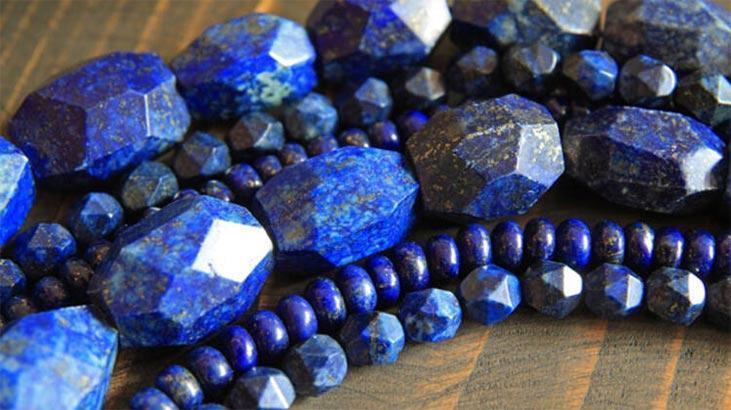
Lapis Lazuli - Milliyet
Color: Typically blue (cobalt blue, navy), but also occurs in white-veined varieties (when containing calcite) or golden-spotted varieties (when containing pyrite).
Chemical Formula: (Na,Ca)₈(AlSiO₄)₆(S,SO₄,Cl)₂
Hardness: Ranges from 5 to 5.5 on the Mohs scale and can be easily scratched.
Density: 2.7 – 2.9 g/cm³
Luster: Varies from dull to vitreous.
Crystal System: Isometric
Lapis lazuli has been used as a decorative stone for thousands of years and held great importance in ancient civilizations including Egypt, Mesopotamia, Persia, India, and China.
In Mesopotamia (Sumerians, Akkadians, Babylonians, and Assyrians), lapis lazuli was considered one of the most valuable stones. In Sumerian mythology, it is mentioned as one of the precious ornaments used by Inanna when descending from heaven to earth. Mesopotamians used this stone to make seals, figurines, and religious objects.
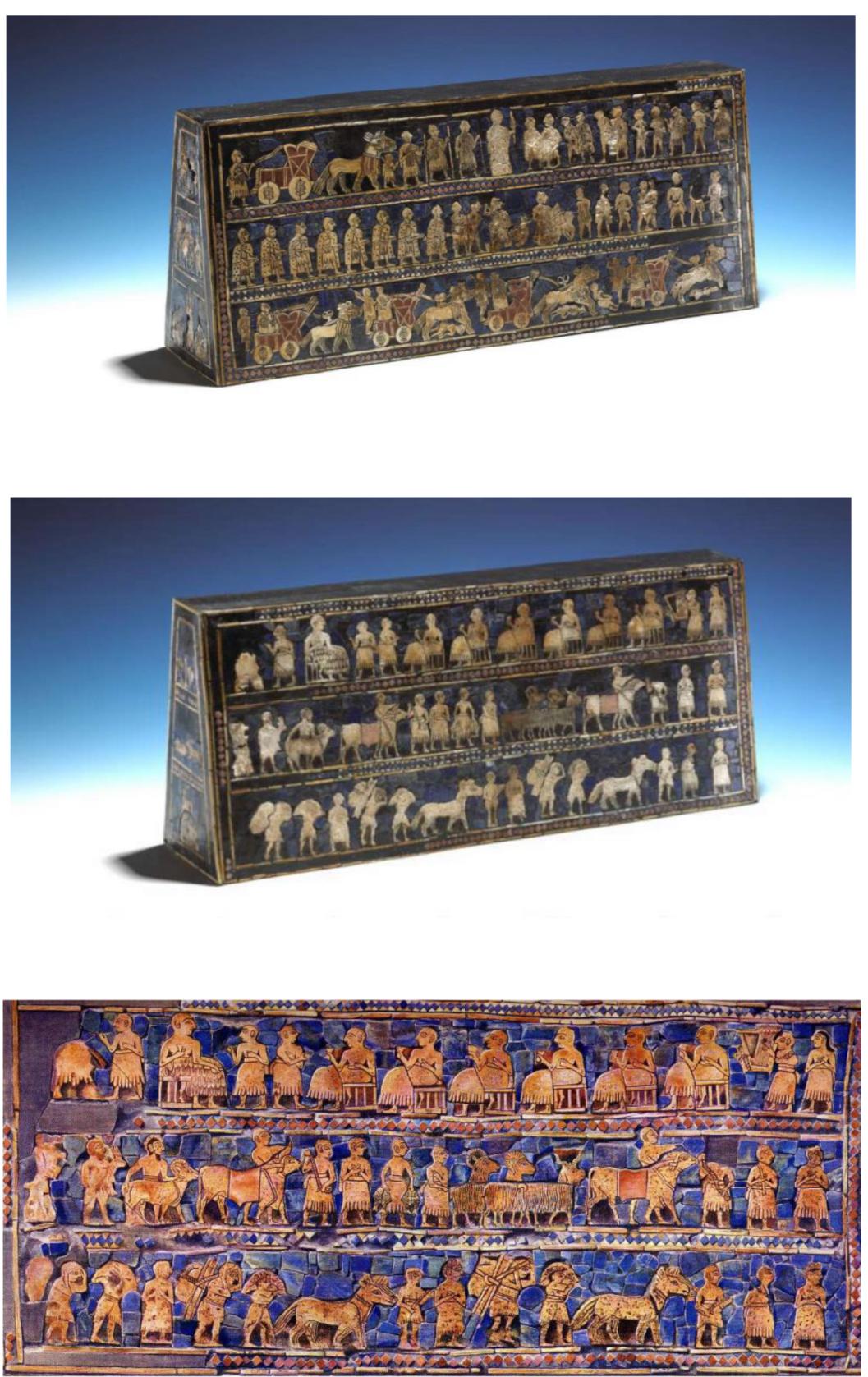
Standard of Ur - Dergipark
Ancient Egyptians frequently used lapis lazuli in pharaoh masks, jewelry, and religious artifacts. It is especially prominent in the famous mask of Tutankhamun. Additionally, the stone was ground into powder to produce a blue pigment known as ultramarine, used in eye makeup.
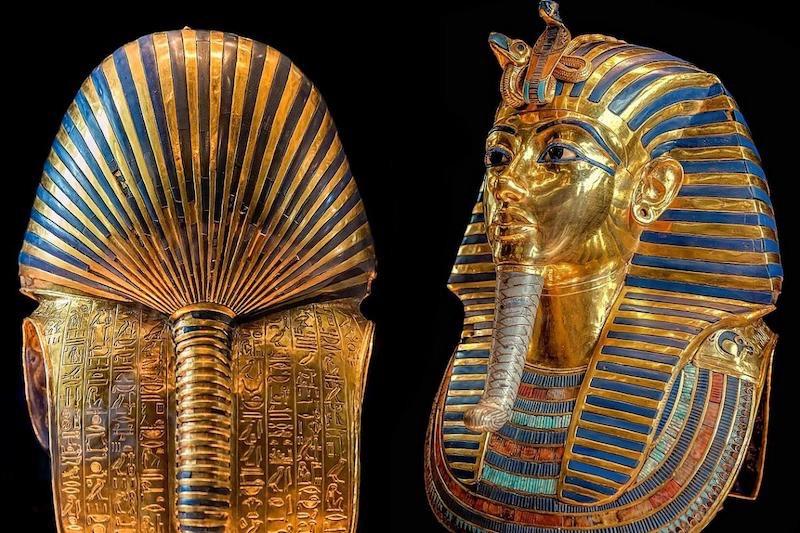
Mask of Tutankhamun - Arkeofili
Throughout the Middle Ages, lapis lazuli was in high demand across Europe. During the Renaissance, the purest forms were ground into ultramarine pigment and used extensively in painting. Artists such as Leonardo da Vinci and Michelangelo preferred pigments derived from lapis lazuli in their works.

Leonardo da Vinci, Girl with a Pearl Earring - Google Arts and Culture
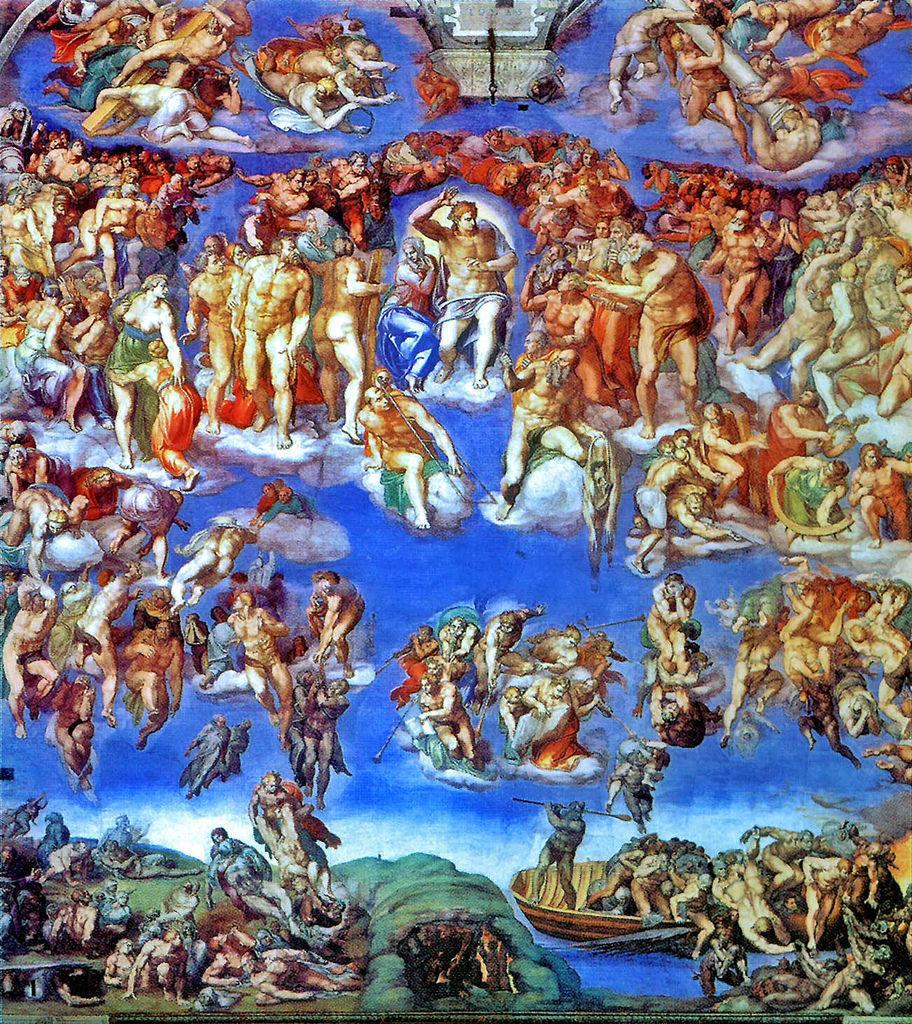
Michelangelo, The Last Judgment - Florence Inferno
Today, lapis lazuli continues to be used in jewelry making, carving, and art. Those interested in natural stone therapy believe that lapis lazuli promotes mental clarity and spiritual awareness.
Historically, the most significant lapis lazuli deposits have been found in the Badakhshan region of Afghanistan. Today, Afghanistan remains the primary producer of the highest quality lapis lazuli. Other sources include:
•Russia (around Lake Baikal)
•Chile (Andes Mountains)
•Pakistan
•Thailand
•United States (Colorado, California) where lapis lazuli deposits are also found.
Lapis lazuli is widely used in the production of necklaces, bracelets, earrings, and rings. It is typically cut into cabochons or fashioned into beads for use in jewelry.
Lapis lazuli is also used in carving and decorative objects. In ancient Egypt and Mesopotamia, seals, deity figures, and ornamental items were crafted from this stone.
One of its most renowned historical uses was as a source of ultramarine pigment. When ground and purified, lapis lazuli yielded one of the most valuable blue pigments used in artistic masterpieces.
According to certain beliefs, lapis lazuli enhances mental clarity, aids concentration, and dispels negative energy. In alternative medicine, it is associated with the third eye chakra and is thought to promote spiritual awareness.
Scientific studies on lapis lazuli have helped determine its origins and trade routes. Archeometric analyses employ methods such as spectroscopy, X-ray fluorescence (XRF), and petrographic examination to identify the composition and provenance of the stone.
Particularly, the research conducted by Claudio Seccaroni and Michael Jung has significantly advanced the understanding of lapis lazuli provenance, enabling scholars to distinguish which specimens originated from Afghanistan.
Throughout history, lapis lazuli has been a symbol of luxury and status, highly valued by numerous civilizations as a semi-precious stone. Its use in decorative objects and art continues to the present day. Scientific analyses and modern mining techniques have enhanced its commercial and academic importance, providing valuable insights into historical trade networks.
Cleland, Sarah. Antik Mısır’da Lapis Lazuli. London: British Museum Publications, 2014. Accessedhttps://www.britishmuseum.org/collection/object/Y_EA59
Gettens, R. J. and George L. Stout. Painting Materials: A Short Encyclopedia. 2nd ed. New York:Dover Yayınları, 1966. Accessedhttps://archive.org/details/paintingmaterial0000gett
Moorey, P. R. S. Eski Mezopotamya Malzemeleri ve Endüstrileri: Arkeolojik Kanıtlar. Oxford: Oxford Üniversitesi Yayınları, 1999.
Plesters, J. Ultramarine Blue, Natural and Artificial. London: British Museum, 1993. Accessedhttps://www.britishmuseum.org/research/publications/research_publications_series.aspx.
Seccaroni, Claudio, and Michael Jung. “Lapis Lazuli’nin Kökeni, Yazılı Kaynaklar ve Arkeometrik Karakterizasyonu.” Acta Via Serica 7, no. 2 (2022): 89–108. Accessedhttps://actaviaserica.org/digital-library/54815.

Lapis Lazuli
Chemical Formula | (Na Ca) 8 (AlSiO4) 6 (S SO4 Cl) 1-2 | ||||||||
|---|---|---|---|---|---|---|---|---|---|
Civilizations That Used the Stone | Ancient Egypt China India Persia Mesopotamia | ||||||||
Color | Dark blue | ||||||||
Places Where It Was Obtained | Lake Baikal Andes Mountains of Chile South America Afghanistan - Badghis | ||||||||
Physical and Chemical Properties
Historical and Cultural Significance
Mesopotamia
Ancient Egypt
Medieval and Renaissance Period
Modern Uses
Mining and Sources
Applications of Lapis Lazuli
1. Jewelry Making
2. Decorative Objects and Carving
3. Painting and Pigment Production
4. Alternative Medicine and Spiritual Uses
Archeometric Analysis and Scientific Studies