

`stone` Related Article Results
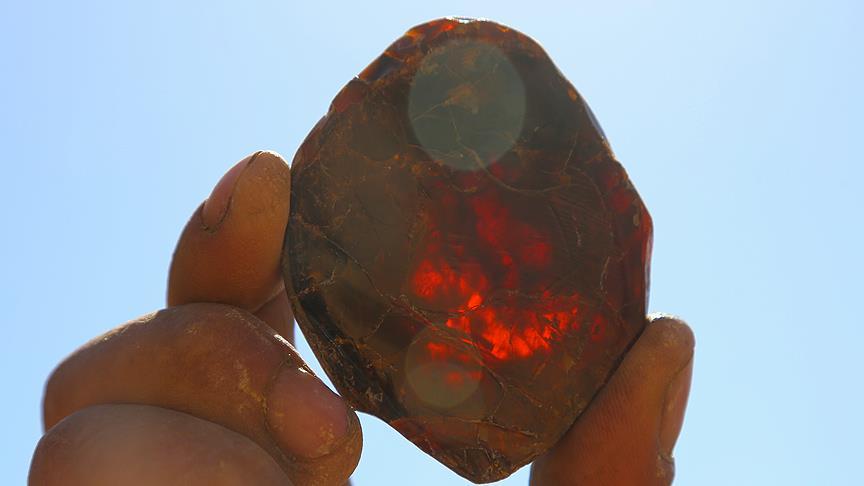
Amber
Although amber is often referred to by the public as a “stone” or “rock,” it is fundamentally an organic material of plant origin. Amber is defined as fossilized resin, formed through physical and chemical transformations undergone by resin secreted by coniferous trees for wound healing or defense, over millions of years under pressure and temperature in oxygen-free environments. This transformation process hardens the resin and eventually gives it a stone-like structure. Before solidification,
EN
Samet Şahin
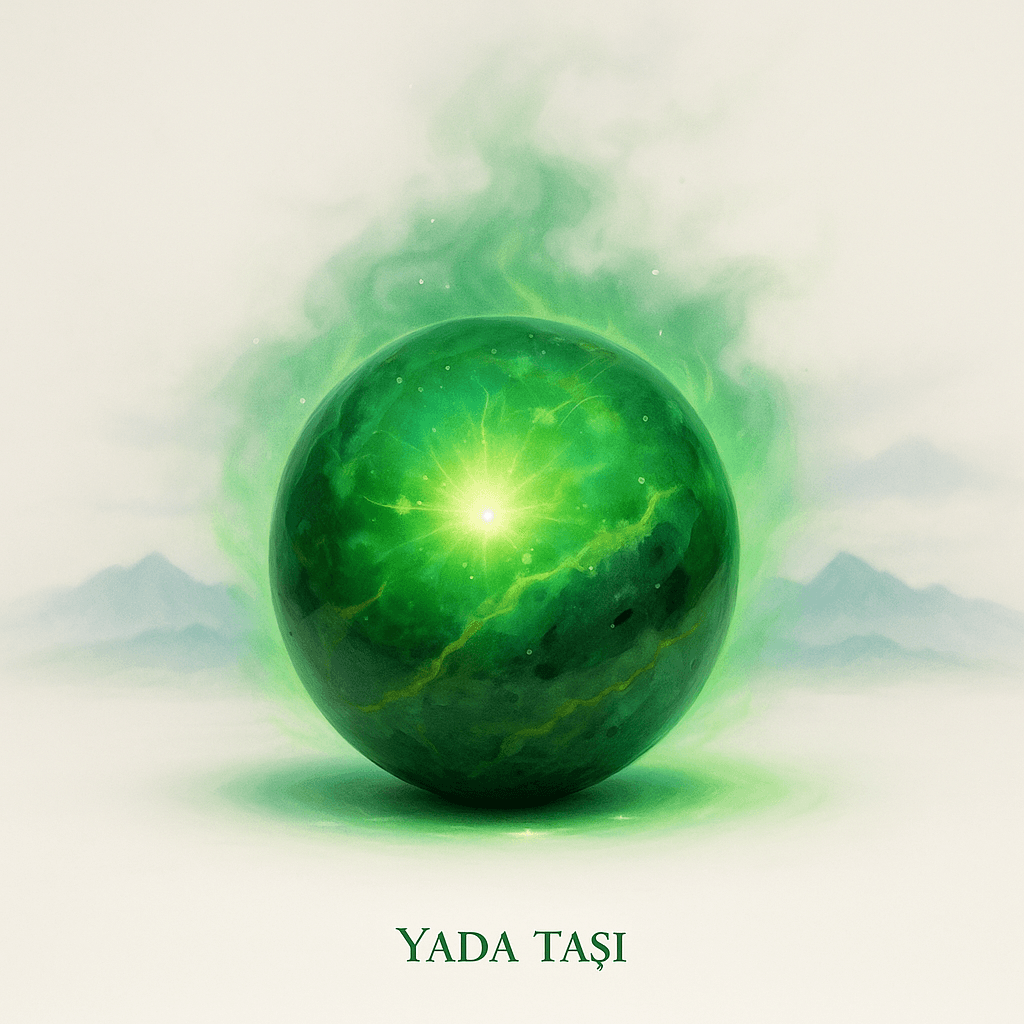
Yada Stone
Yada Stone is a stone known in Turkish cultural history to have been used, in a manner akin to magic, to control weather phenomena such as snow and rain. The Yada stone is mentioned under various names in Turkic dialects and Islamic sources: in Yakut as sata, in Kyrgyz as cay taş, in Kazakh as jadı taş and jay taş, in Bashkir as balataş and yeytaş, in Uyghur as kaştaş, in Altai as cada taş, and in Tuvan as çat taş. In Arabic Islamic sources it is referred to as hacerü'l-metar (rain stone), el-câ
EN
Yahya B. Keskin
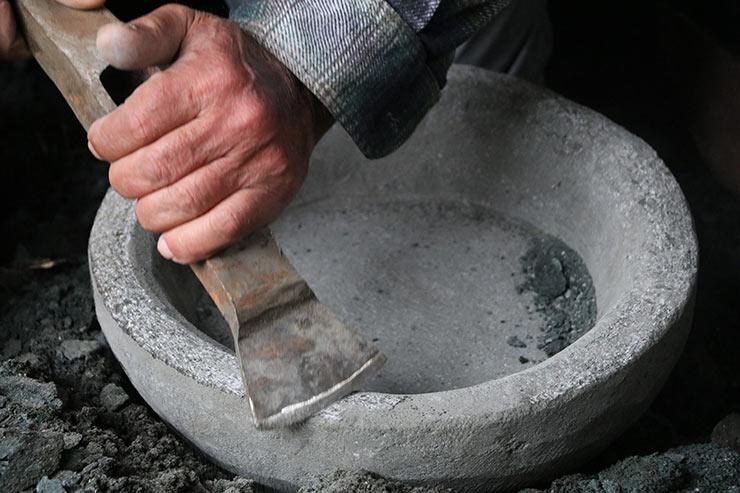
Iyidere Pileki Stone
Iyidere Pileki Stone is a type of volcanic stone extracted from the Iyidere Cave, located within the boundaries of the Iyidere district in Rize Province, Türkiye. It has a basaltic origin, a porphyritic texture, and high heat resistance. It was officially registered as a geographical indication on 24 July 2024, with the registration type designated as a geographical indication mark. The application was submitted on 12 April 2021 and assigned registration number 1618. The application was filed by
EN
Sabiha Meyra Şahinler
 La
LaLapis Lazuli
Lapis lazuli is a semi-precious stone composed primarily of metamorphic rocks. It consists mainly of the mineral lazurite and may also contain pyrite, calcite, and diopside among other minerals. Its distinctive deep blue color is due to lazurite, a silicate mineral chemically composed of sodium, aluminum, silicon, and sulfur. Throughout history, lapis lazuli has been used in numerous fields including jewelry, decorative objects, sculpture, and pigment production. It has held enduring significanc
EN
Esmanur Demir
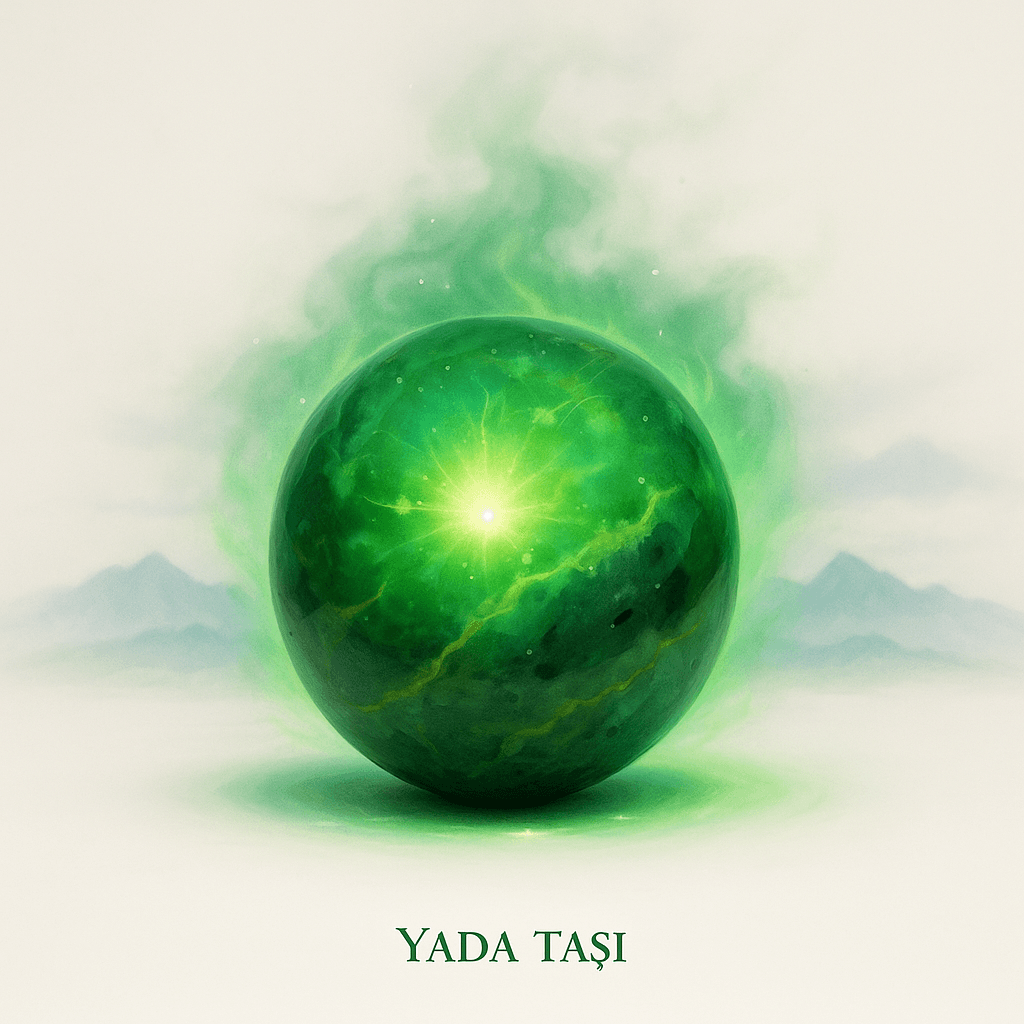
Yada Stone
Yada Stone is a stone known in Turkish cultural history to have been used in a manner akin to magic to control weather phenomena such as snow and rain. The Yada stone is mentioned under various names in Turkish dialects and Islamic sources: in Yakut as sata, in Kyrgyz as cay taş, in Kazakh as jadı taş and jay taş, in Bashkir as balataş and yeytaş, in Uyghur as kaştaş, in Altai as cada taş, and in Tuvan as çat taş. In Arabic Islamic sources it is referred to as hacerü'l-metar (rain stone), el-câl
EN
Yahya B. Keskin
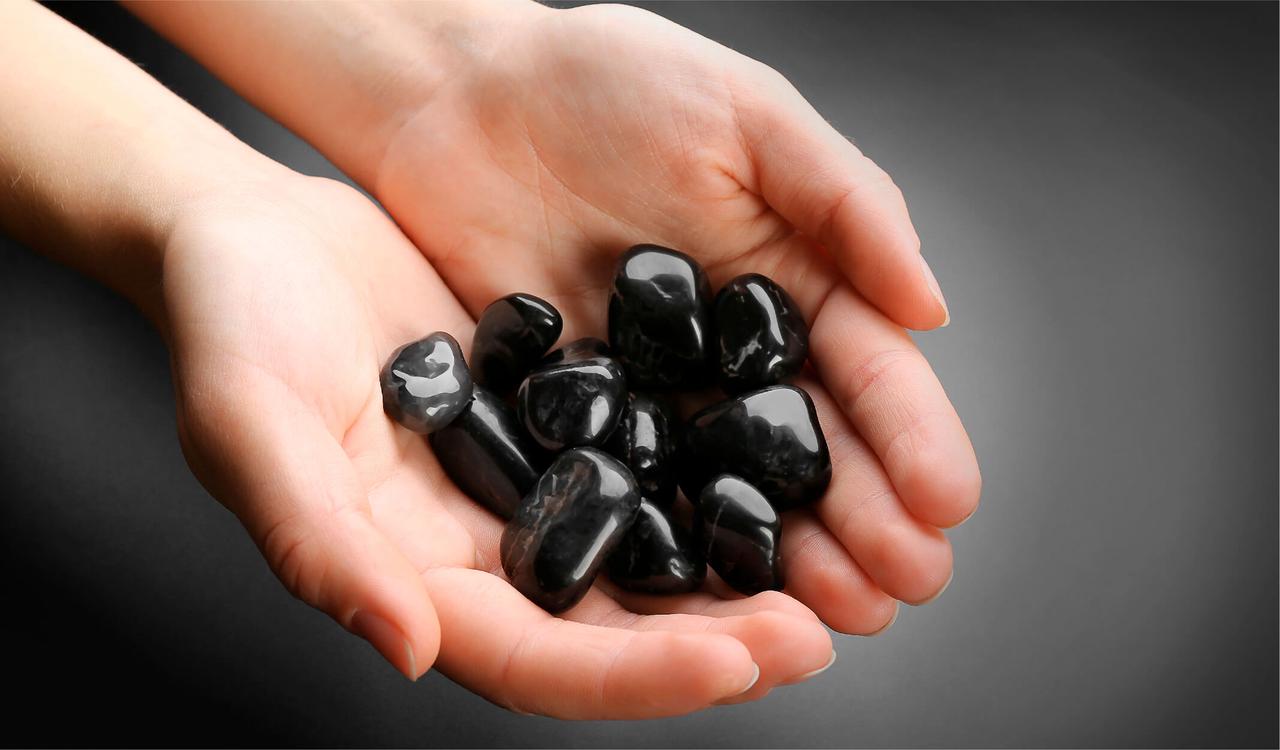
Oltu Stone
Oltu Stone is a valuable mineral extracted from the Oltu district of Erzurum and also known as "Black Amber." This stone forms as lens-shaped layers within marl beds 70–80 cm thick, found in Neogene-aged sedimentary formations. These lenses, composed of marl and clay, have fractured due to tectonic movements. Oltu Stone is typically black in color but can occasionally appear in brown, gray, or greenish tones. When first extracted, the stone is soft but hardens upon exposure to air. This ease of
EN
Muhammed Fatih Türk
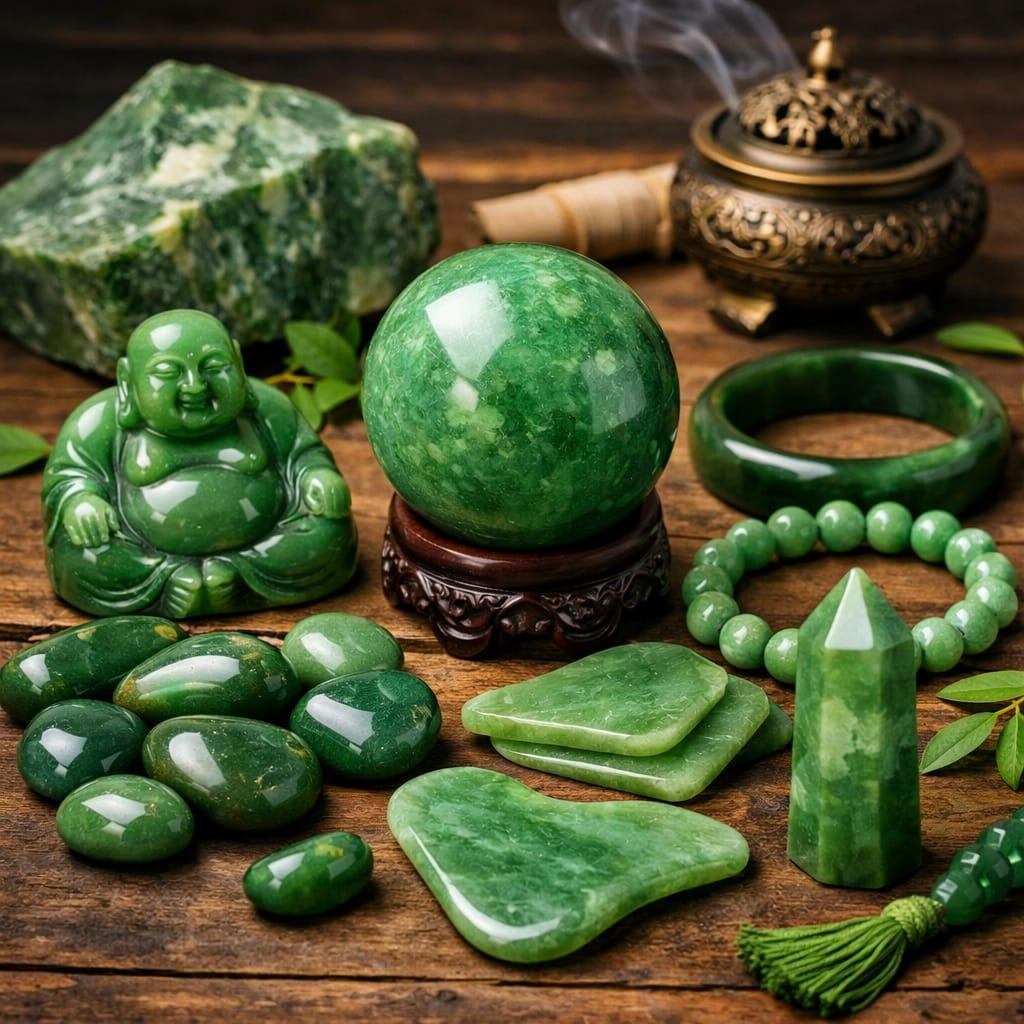
Jade Stone
Jade is a precious stone that encompasses two distinct mineral groups and has been used throughout history both as ornamental objects and as cultural and symbolic artifacts. These two groups consist of nephrite and jadeite minerals, which differ in their chemical and physical properties. Due to its hardness, durability, and workability, jade has found diverse applications in many cultures, especially in Asia. Mineralogical Structure and Physical Properties Jade consists of two distinct mineral t
EN
Aynur Okçu
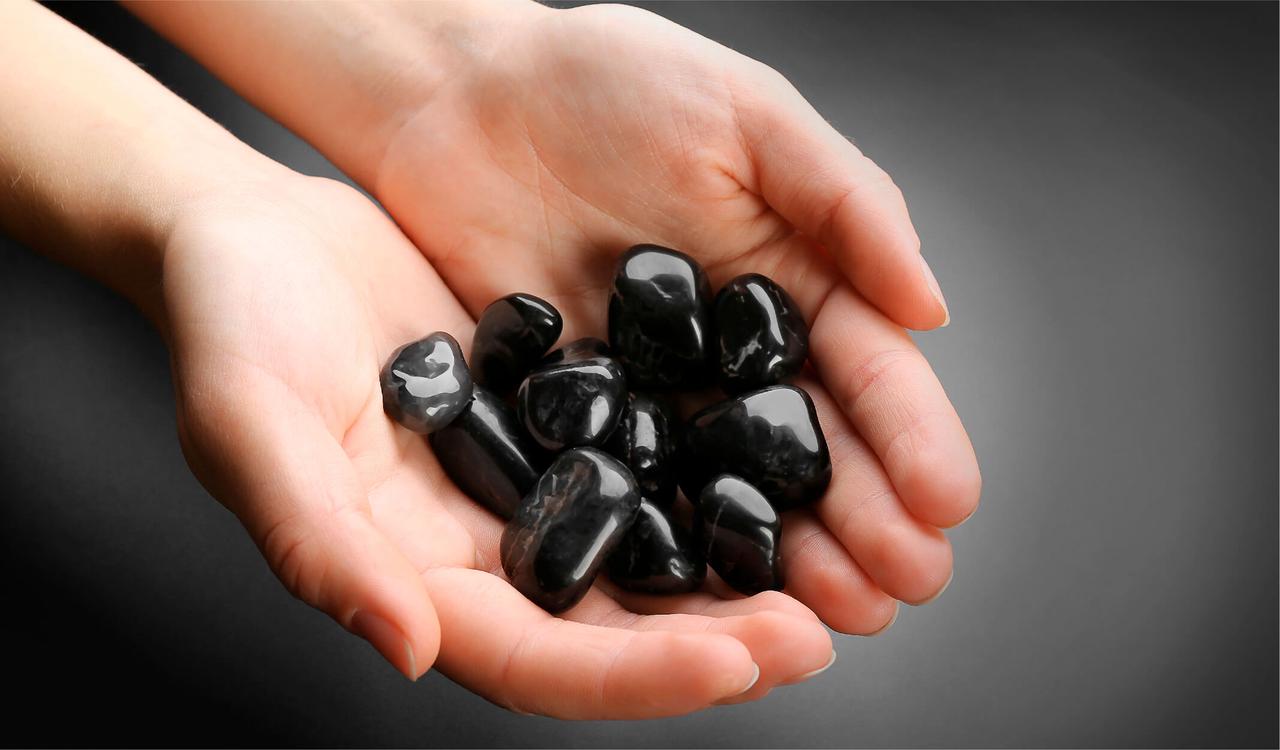
Oltu Stone
Oltu Stone is a valuable mineral extracted from the Oltu district of Erzurum and also known as "Black Amber." This stone forms within sedimentary layers, appearing as lens-shaped bodies several centimeters thick within marl beds that are 70–80 cm thick and of Neogene age. These lenses, composed of marl and clay, have fractured due to tectonic movements. Oltu Stone is typically black in color but can occasionally be found in brown, gray, and greenish tones. When extracted, the stone is soft but h
EN
Muhammed Fatih Türk
LaLapis Lazuli
Lapis lazuli is a semi-precious stone composed primarily of metamorphic rocks and typically found in blue hues. It mainly consists of the mineral lazurite and may also contain Spirit, calcite, diopside like and other minerals together. Its distinctive deep blue color is due to lazurite, a silicate mineral chemically composed of sodium, aluminum, silicon, and sulfur. Lapis lazuli has been used throughout history in numerous applications including jewelry, decorative objects, sculpture, and pigmen
EN
Esmanur Demir
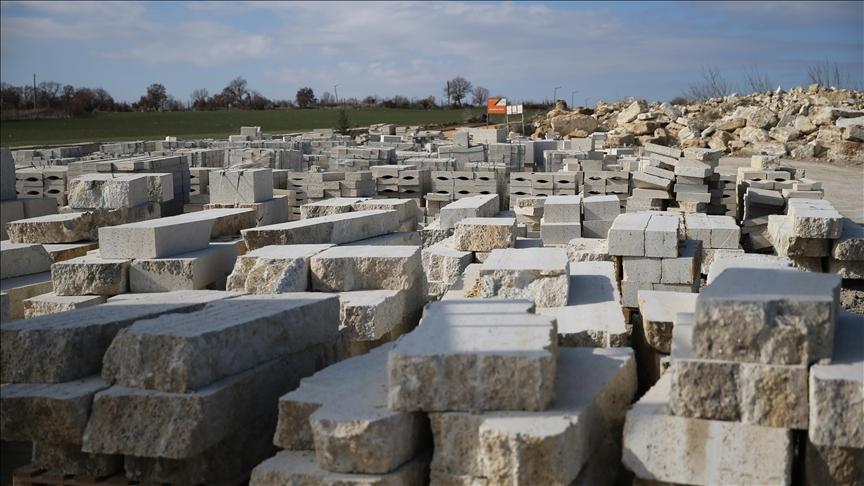
Küfeki Stone
Küfeki stone is a natural building stone belonging to the limestone group, characterized by a fossiliferous and porous structure. In the literature, it is also referred to as lumasheli limestone, maktrali limestone, and Bakırköy stone. This type of stone formed in marine environments and contains abundant quantities of oysters and other marine shells, giving it a high carbonate content. When first extracted from the quarry, Küfeki stone is soft and easily workable; however, upon exposure to the
EN
Fatmanur Mavibaş