

`mesopotamia` Related Article Results
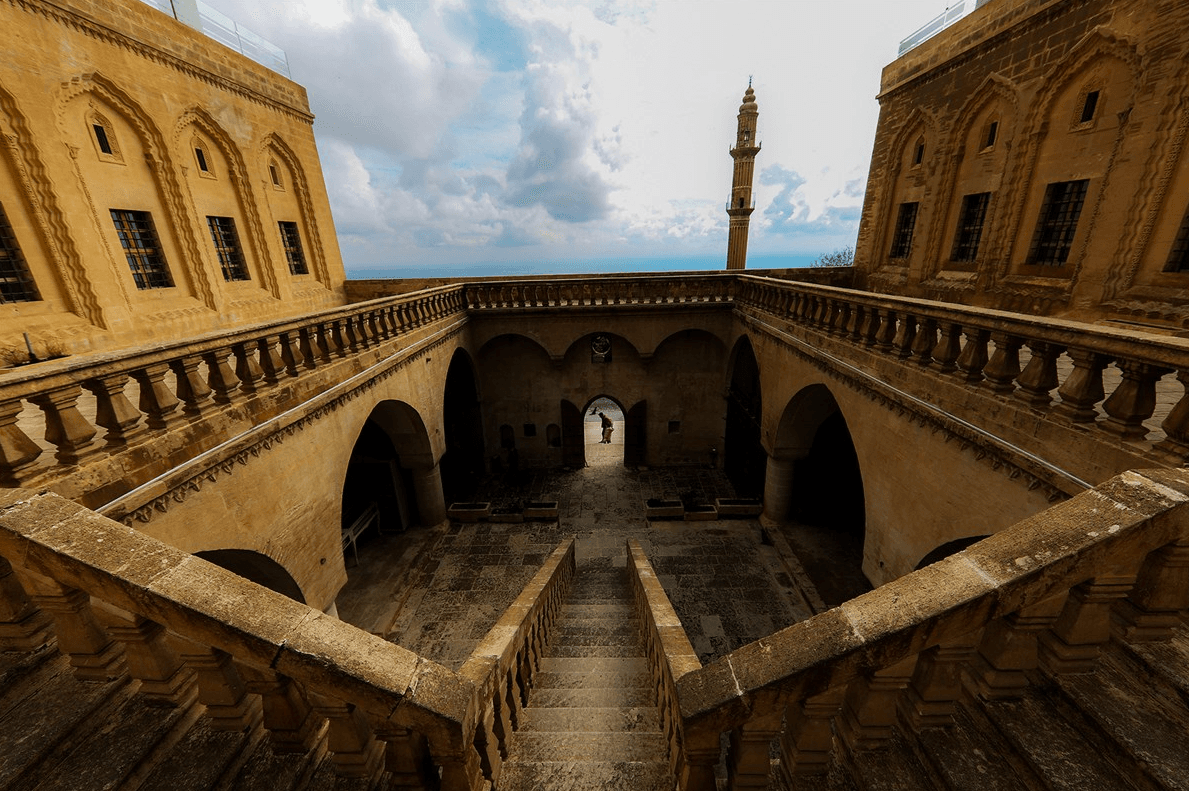
Mardin (Province)
Mardin is a city located at the intersection of Mesopotamia and Anatolia, having served as a home to various civilizations throughout history. Its architecture, renowned for its stonework, and its social structure, where diverse cultures and beliefs coexist, attract attention. Its history extends back to 50,000 BCE, bearing traces of numerous civilizations from the Sumerians to the Romans, from the Artuqids to the Ottomans. With its historical structures, traditional handicrafts, and rich kitche
EN
Ahsen Karakaş
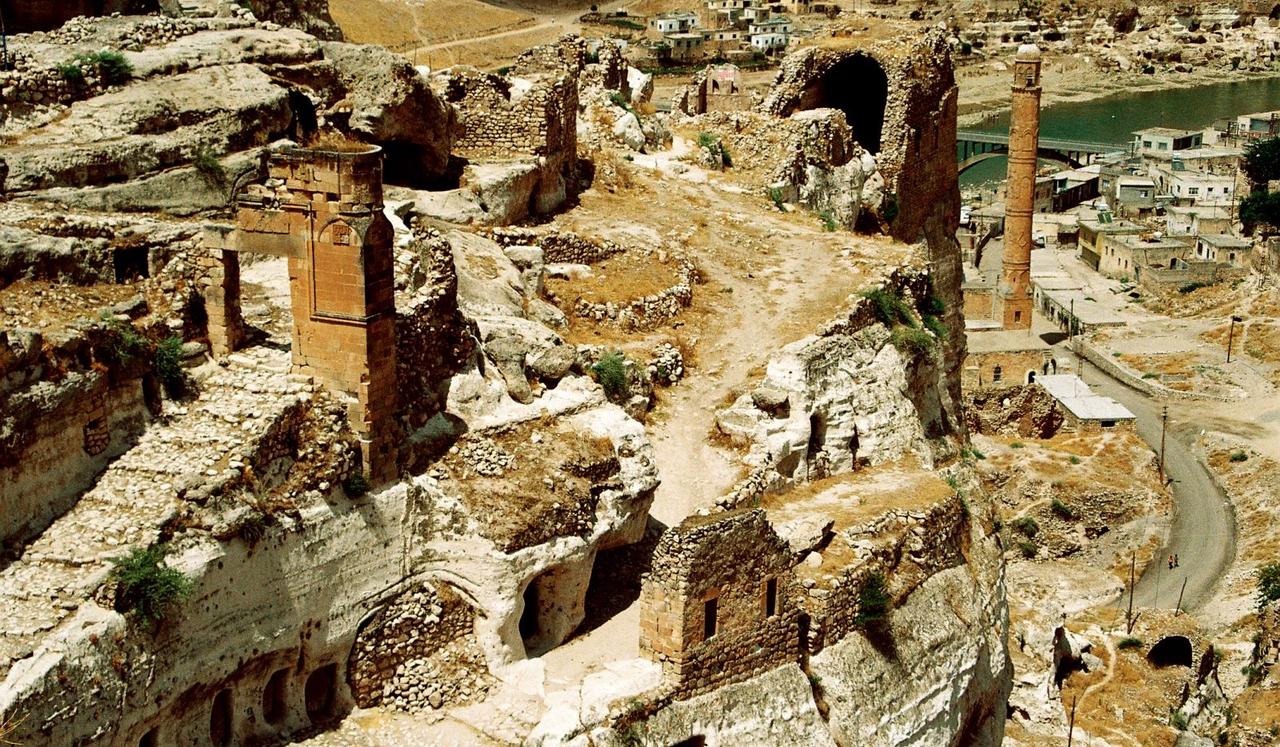
Batman (Province)
Batman is one of the rapidly developing cities in Türkiye’s Southeastern Anatolia Region. Located in the basin between the Tigris River and its tributaries, the Batman and Garzan streams, the province attracts attention for both its historical richness and industry potential. Due to its fertile lands part of Mesopotamia, it has been home to numerous civilizations throughout history and holds significant cultural heritage, particularly through its Hasankeyf like historical settlements. Industrial
EN
Mehmet Salih Çoban
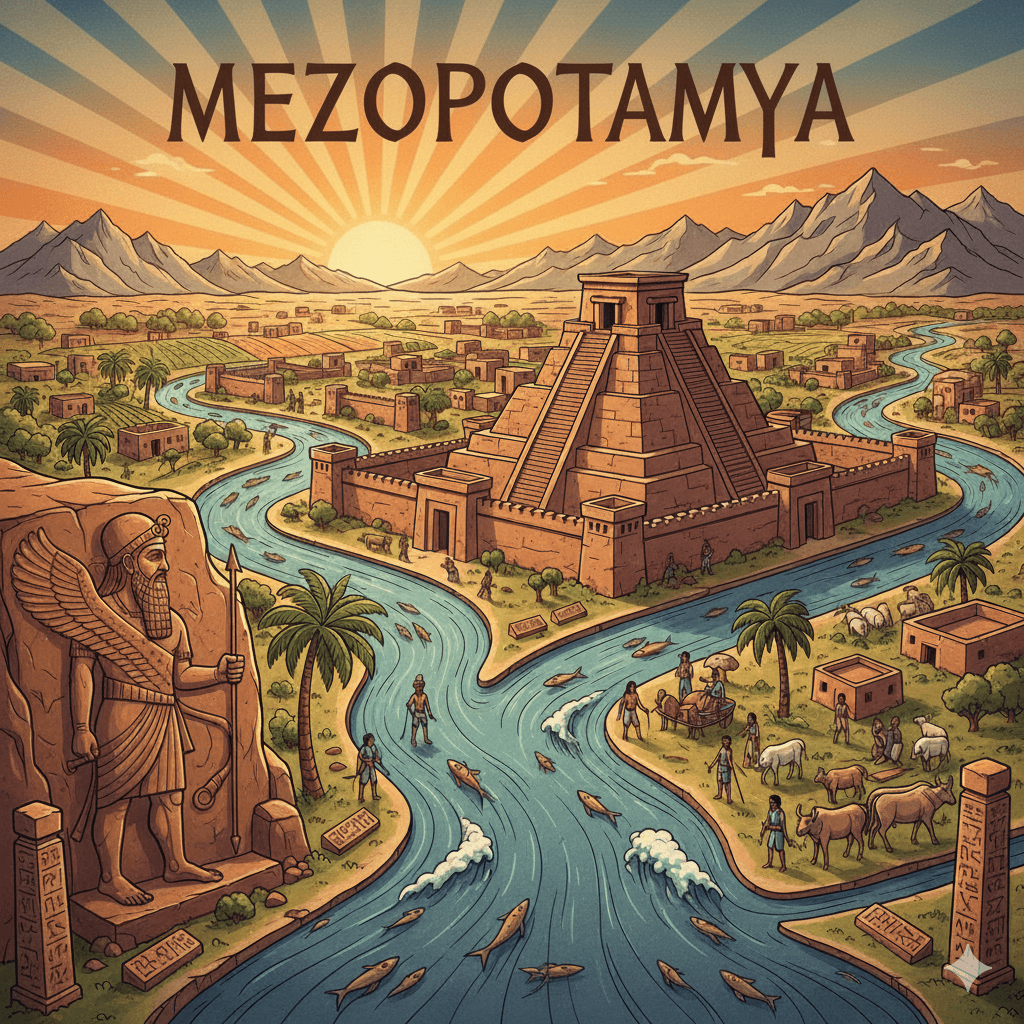
Cradle of Civilizations: Mesopotamia
Mesopotamia derives its name from the Tigris and Euphrates rivers. This region, meaning “land between two rivers,” is where humanity’s earliest civilizations emerged. Today, these lands extend as far as Iraq, Syria, and southeastern Türkiye. In Türkiye, the provinces of Şanlıurfa, Adıyaman, Gaziantep, Diyarbakır, Batman, Siirt, and Mardin are considered part of the Mesopotamian cultural region. The rich historical remains found in these areas reveal the earliest steps of civilization in Anatolia
EN
Nida Öztürkmen

Euphrates River
The Euphrates River, the longest river in Western Asia, originates in Türkiye and flows through the territories of Syria and Iraq before emptying into the Persian Gulf. For thousands of years, this river has sustained life across the regions it traverses, serving not only as a physical waterway but also as the vital artery of history, civilizations, and cultures. The Euphrates has a total length of approximately. Geographical and Hydrological Characteristics The Euphrates’ journey begins in the
EN
Kasım Emre Anıl
 Ep
EpEpic of Gilgamesh
The Epic of Gilgamesh is regarded as the earliest known long literary text in written history. Its formation extends back to the Sumerian period, around 5000 BCE, when it began to be recorded in writing. The epic was composed in the Akkadian language using cuneiform script on clay tablets and remained popular during the periods of the Assyrian and Babylonian kingdoms. Access to the texts of the Epic of Gilgamesh became possible through archaeological discoveries in the mid-19th century. The epic
EN
Yahya B. Keskin
LaLapis Lazuli
Lapis lazuli is a semi-precious stone composed primarily of metamorphic rocks. It consists mainly of the mineral lazurite and may also contain pyrite, calcite, and diopside among other minerals. Its distinctive deep blue color is due to lazurite, a silicate mineral chemically composed of sodium, aluminum, silicon, and sulfur. Throughout history, lapis lazuli has been used in numerous fields including jewelry, decorative objects, sculpture, and pigment production. It has held enduring significanc
EN
Esmanur Demir
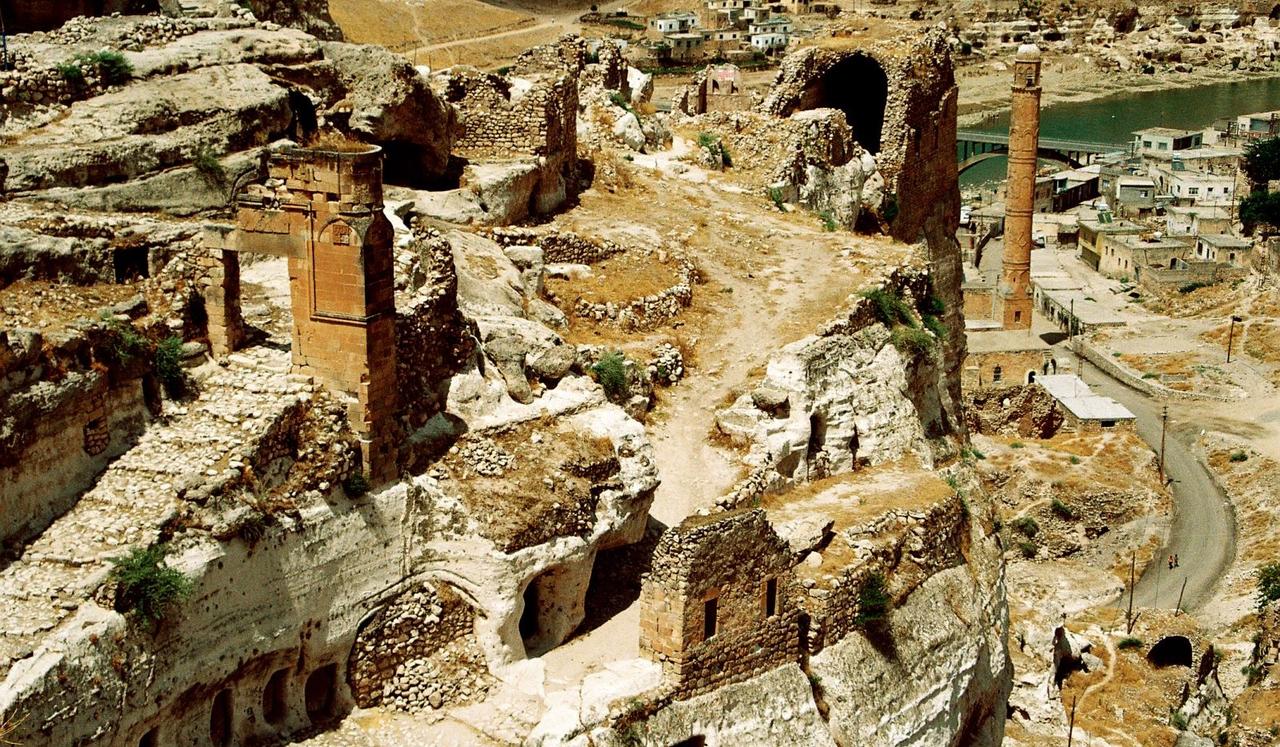
Batman (Province)
Batman is one of the rapidly developing cities in Türkiye’s Southeastern Anatolia Region. Located in the basin between the Tigris River and its tributaries, the Batman and Garzan streams, the province attracts attention for its historical richness and industrial potential. Due to its fertile lands part of Mesopotamia, it has served as a home to numerous civilizations throughout history and holds significant cultural heritage value, especially through historical settlements such as Hasankeyf. Ind
EN
Mehmet Salih Çoban
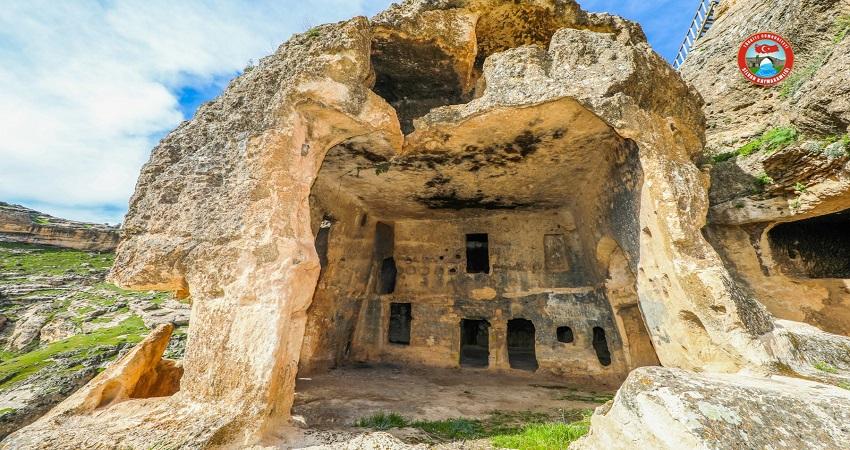
Hasuni Caves
The history of Hasuni extends back to the Mesolithic (Flaked Stone) Age, when humans transitioned to settled life and began carving stone for protection. It was continuously inhabited from the 1st millennium BCE to the 13th century CE. It is believed that the first builders of this mysterious city were the Assyrians; however, over time many civilizations including the Urartians, Medes, Persians and Alexander the Great left their marks here. 🏢 The World’s First “Apartment Buildings” May Be Here!
EN
Amine Öztürk
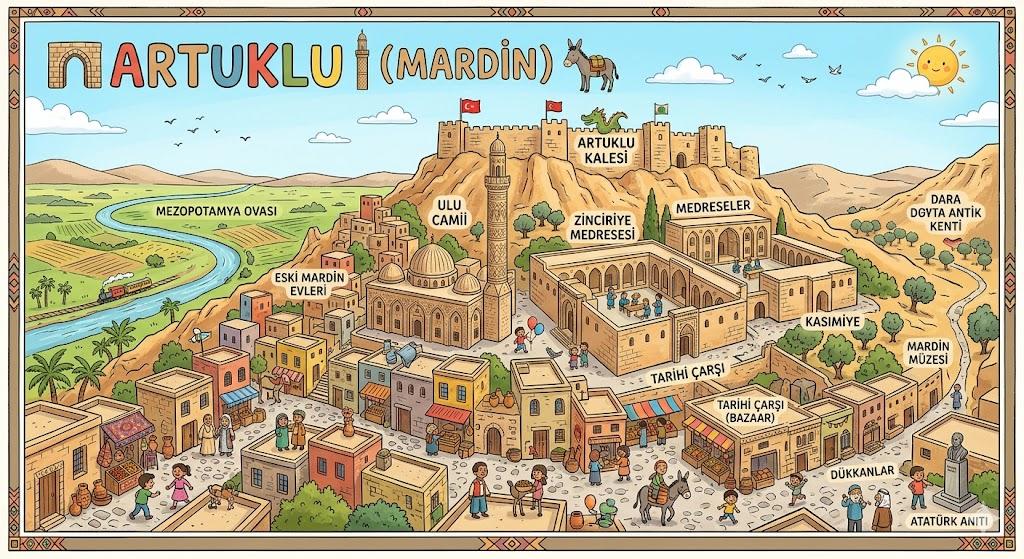
Artuklu (District)
Imagine a city rising as if sprung from the pages of a fairy tale, overlooking the endless plains of Mesopotamia from a high ridge. This is Artuklu, where every stone hides stories thousands of years old. Artuklu is not merely a settlement but a captivating open-air museum where time seems to stand still. Where Is Artuklu? Artuklu is located in southeastern Türkiye, at the center of Mardin province. Situated at an elevation of exactly 1083 meters above sea level on the summit of a mountain, it o
EN
Edanur Çimen
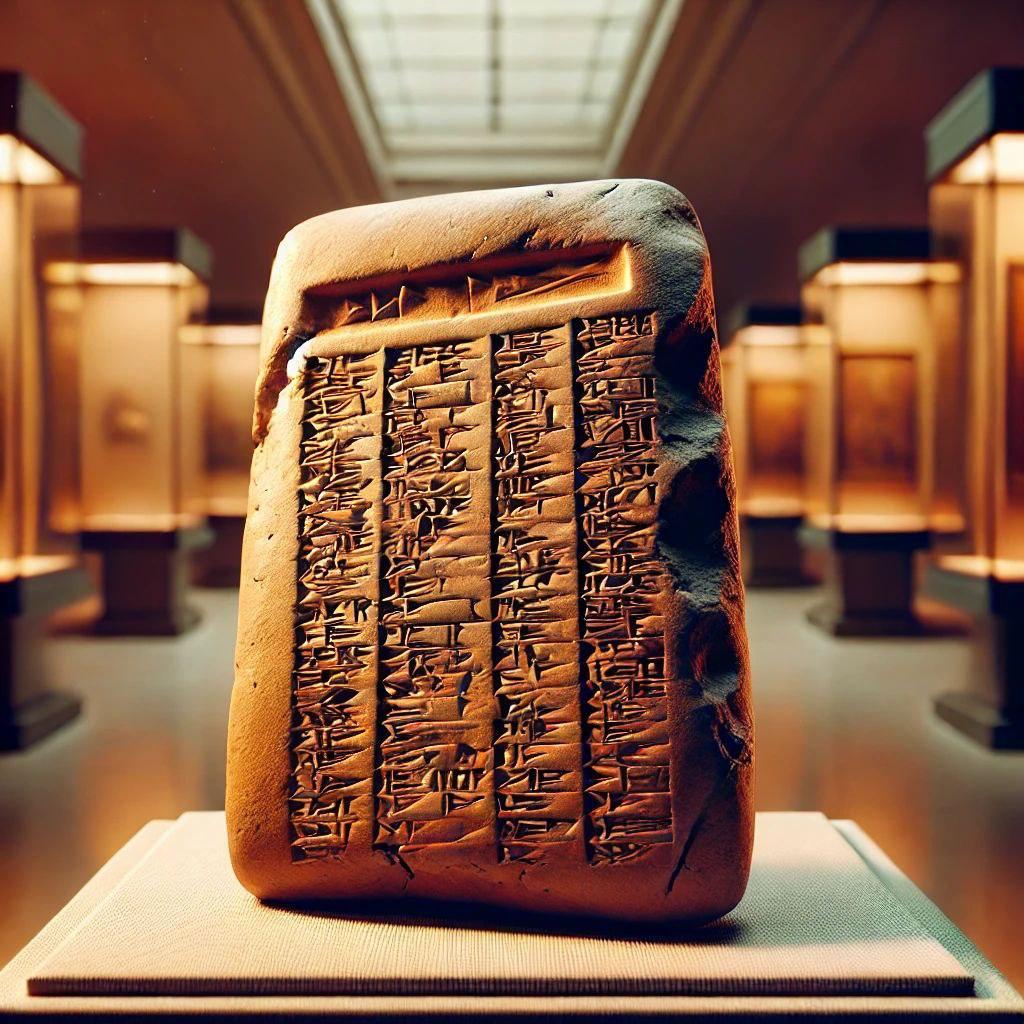
Love Song for Shu-Sin
The oldest known love poem in the world is the Love Song for Shu-Sin, dating back to around 2000 BCE from Mesopotamian civilization. This poem was discovered in 1951 during excavations at the Istanbul Museum, where a cuneiform tablet containing the poem was found. This discovery marked a pivotal moment in Mesopotamian research and provided valuable insights into the sacred marriage rituals of the Sumerians. The finding has helped deepen our understanding of both the literary tradition and religi
EN
Enes Malik Akmaz