


This article was automatically translated from the original Turkish version.
+1 More
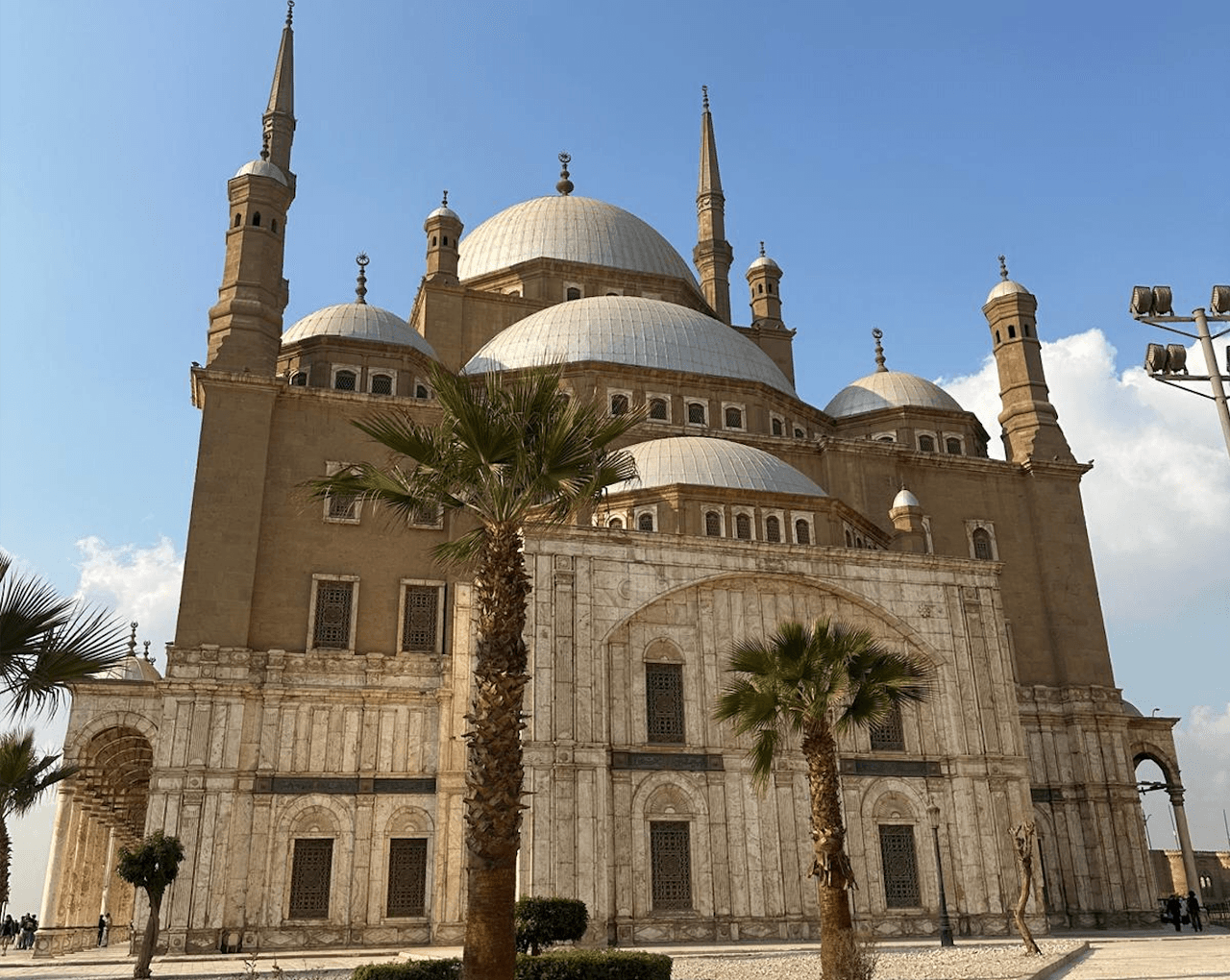
Kavalalı Mehmet Ali Paşa Cami (Cairo)
Construction Date | 1830-1848 | ||||||||
|---|---|---|---|---|---|---|---|---|---|
Architecture | Mimar Yûsuf Boşnak | ||||||||
Kavalalı Mehmet Ali Paşa Camii is an important structure located in Cairo the capital of Egypt built in the first half of the 19th century that combines characteristic elements of Ottoman and Egyptian architecture. The mosque commissioned by Kavalalı Mehmet Ali Paşa occupies a dominant position in the city of Cairo. Construction began in 1830 during the reign of Kavalalı Mehmet Ali Paşa and was completed in 1848 during the rule of the Egyptian Khedive Abbas Hilmi Paşa.
The mosque stands out as a building constructed in a blend of Ottoman architectural influences with Baroque and Rococo styles. It was built by a master team led by Mimar Yûsuf Boşnak who was brought from Istanbul. The mosque consists of a domed prayer hall and a courtyard with a fountain. Its walls are made of cut stone and feature Baroque decorations. The mosque is oriented along a southeast-northwest axis with the courtyard located in the northwest and the prayer space situated in the southeast qibla direction.
The mosque was built at the center of the Cairo Citadel the highest point in Cairo offering a commanding view over the city. Kavalalı Mehmet Ali Paşa Mosque is among the structures that define Cairo’s skyline. Visitors to the mosque can enjoy panoramic views of the city from the citadel walls.
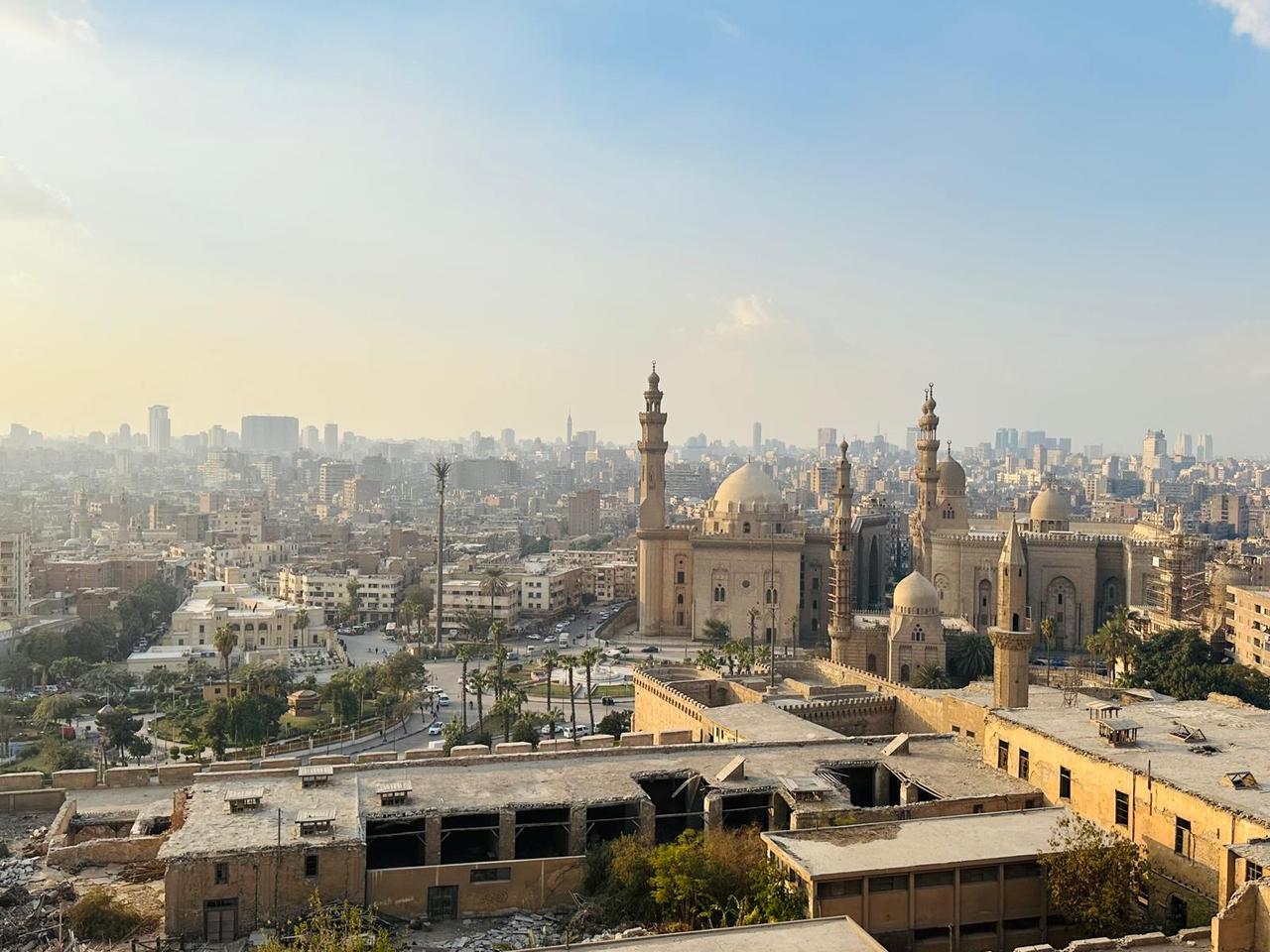
View of Cairo from Kavalalı Mehmet Ali Paşa Mosque. (Author’s lens)
Although the mosque reflects the influence of Ottoman classical architecture it is particularly notable for its central dome design inspired by Istanbul’s Sultan Ahmet Camii and Ayasofya. The main dome rests on four massive piers and is supported by half domes creating a spacious and open interior. The exterior façade draws attention with its imposing minarets and monumental presence. As one of the largest mosques in Egypt this structure stands out not only as a place of worship but also as an architectural masterpiece. One of its distinctive features is its centralized dome plan and slender pencil minarets reflecting Mehmet Ali Paşa’s imperial ambitions modeled after Ottoman sultans.
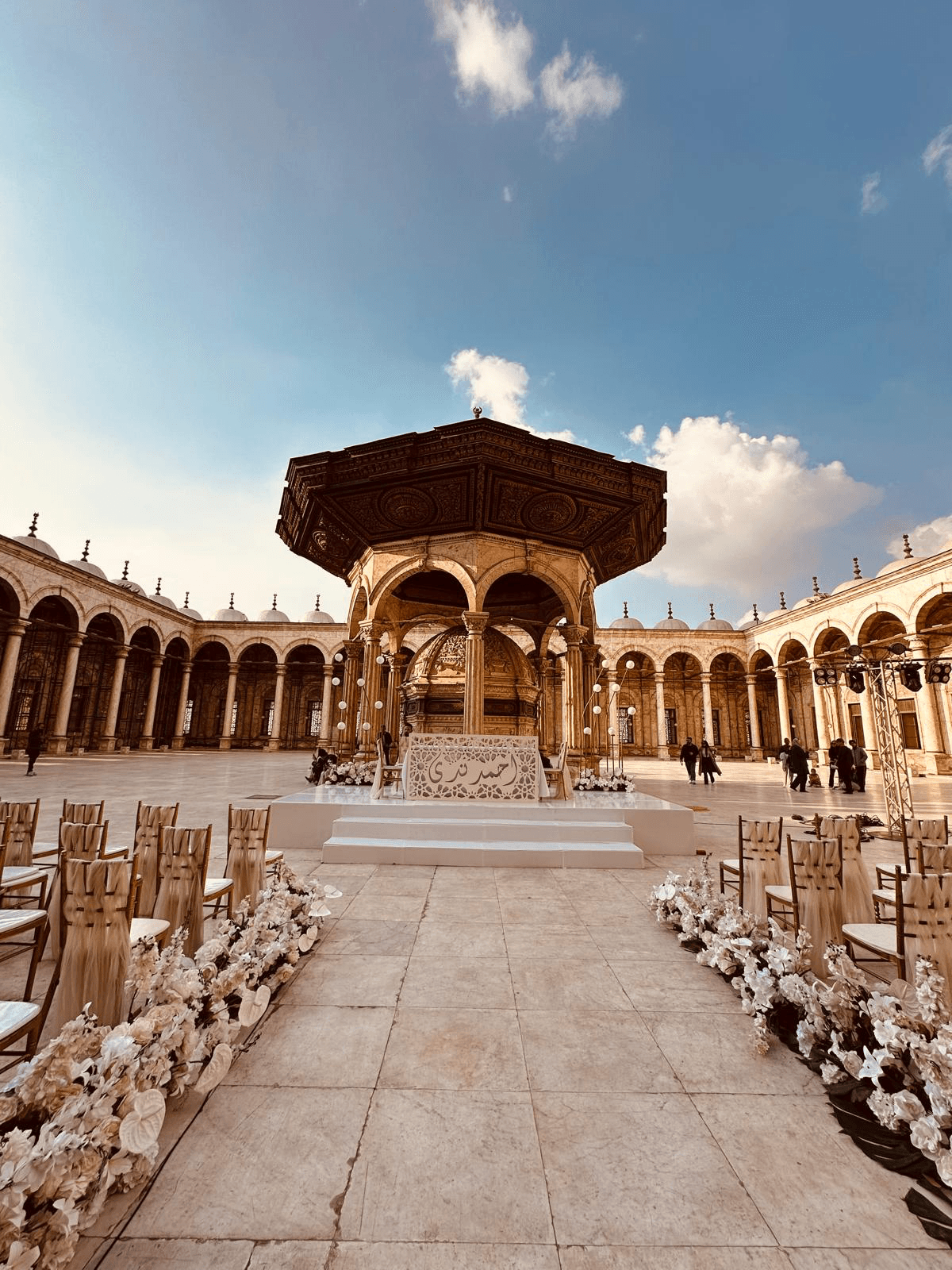
The mosque’s impressive courtyard and rich decorative details offer visitors a journey through history. The courtyard features a monumental entrance reflecting the Ottoman külliye concept. Today the courtyard is also used for wedding ceremonies.
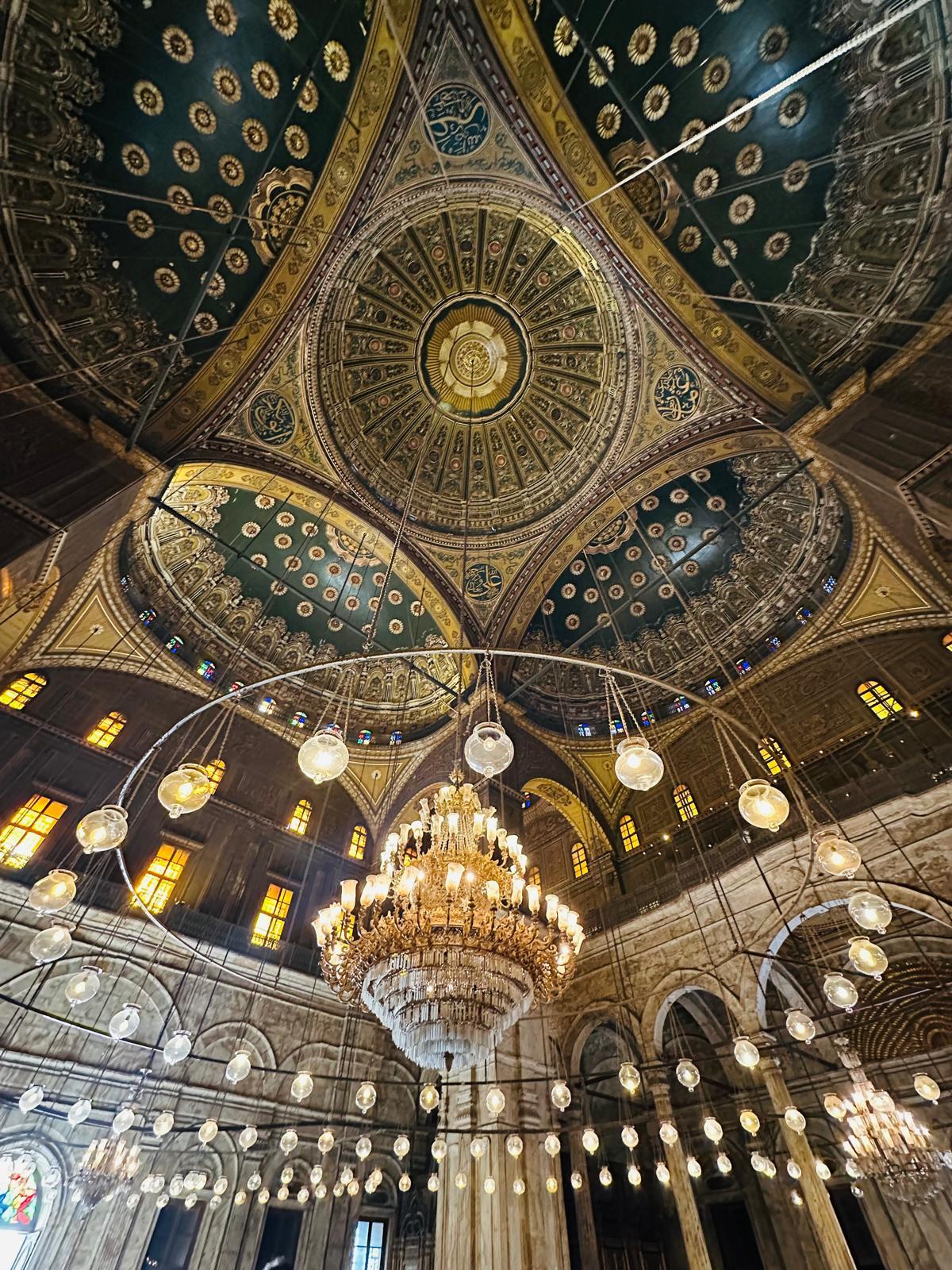
Kavalalı Mehmet Ali Paşa Mosque. (Author’s lens)
The interior decoration of the mosque adopts an aesthetic that blends Ottoman calligraphy art with uniquely Egyptian decorative elements. The massive chandelier fine wooden craftsmanship and ornamental tilework showcase the elegance of Ottoman artistic traditions. Marble was extensively used in the construction of the mosque with a particularly rich decorative scheme dominating the interior spaces. The mihrab and minbar feature intricate details reflecting the refined craftsmanship of Ottoman art.
The mosque features a large central dome supported by four half domes and four smaller domes at the corners. All domes are covered with lead. The mosque attracts attention with its elegant minaret and magnificent interior decorative elements.
Wedding ceremony in the courtyard of Kavalalı Mehmet Ali Paşa Mosque. (Author’s lens)
As one of the largest mosques in Egypt this structure stands out both as a place of worship and as an architectural masterpiece. Kavalalı Mehmet Ali Paşa Camii is regarded as one of the most prominent examples of Ottoman architectural influence in Egypt and today is visited as one of Cairo’s most important historical monuments.
Anadolu Ajansı. “Mısır’da Mehmet Ali Paşa Camii.” Accessed February 18, 2025.https://www.aa.com.tr/tr/pg/foto-galeri/misirda-mehmet-ali-pasa-camii/0/75800
Bozdoğan, Sibel. Modernizm ve Ulusun İnşası: Erken Cumhuriyet Türkiyesi’nde Mimari Kültür. İstanbul: Metis Yayınları, 2002.
Erol, Melike. Mısır Kahire Fotoğraf Albümü. 2025.
Islamic Thought Atlas. "Mehmet Ali Paşa Camii." Accessed February 18, 2025.https://islamdusunceatlasi.org/mehmet-ali-pasa-camii/3479
Türkiye Diyanet Vakfı İslam Ansiklopedisi. "Mehmed Ali Paşa Camii." Accessed February 18, 2025.https://islamansiklopedisi.org.tr/mehmed-ali-pasa-camii
Kavalalı Mehmet Ali Paşa Cami (Cairo)
Construction Date | 1830-1848 | ||||||||
|---|---|---|---|---|---|---|---|---|---|
Architecture | Mimar Yûsuf Boşnak | ||||||||
No Discussion Added Yet
Start discussion for "Kavalalı Mehmet Ali Paşa Camii" article
ARCHITECTURAL STRUCTURE