


This article was automatically translated from the original Turkish version.
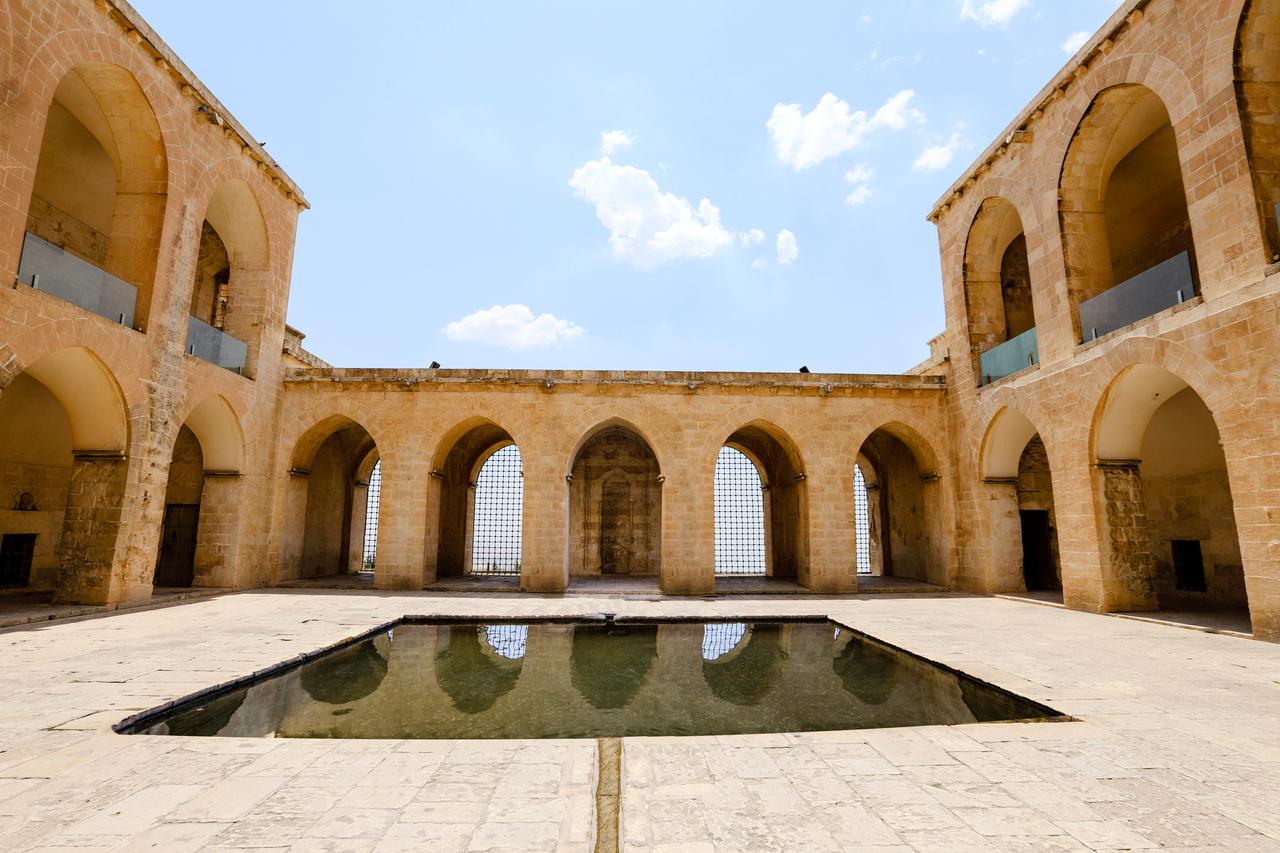
Kasımiye Medresesi
Location | Mardin/Türkiye (southwest of the city center) | ||||||||
|---|---|---|---|---|---|---|---|---|---|
Construction | Beginning: Artuklu Period (13th century) Completion: Akkoyunlu Period (1457–1502) | ||||||||
Estimated Construction Date | 1469 (no foundation inscription has been found) | ||||||||
Type | single-iwan Open madrasa külliye (with mosque and tomb) two-story | ||||||||
Material | Regularly cut stone and brick | ||||||||
Plan | two-story Open courtyard single-iwan madrasa | ||||||||
Significance | An monumental structure in Mardin showcasing stone craftsmanship and reflecting Artuklu and Akkoyunlu architecture. | ||||||||
Kasımiye Medresesi, Mardin city center’s southwest, on a commanding position overlooking the Mesopotamian Plain, stands as a historic medrese that has survived to the present day. Construction began during the Artuklu period (13th century) but was left incomplete due to invasions by the Timurid forces. The medrese was completed between 1457 and 1502 during the reign of Akkoyunlu ruler Cihangiroğlu Kasım Pasha (Sultan Kasım). Although its exact construction date is uncertain, it is dated to 1469 and thus bears the name of Sultan Kasım. The absence of an inscriptive plaque has led to some ambiguity in historical records.
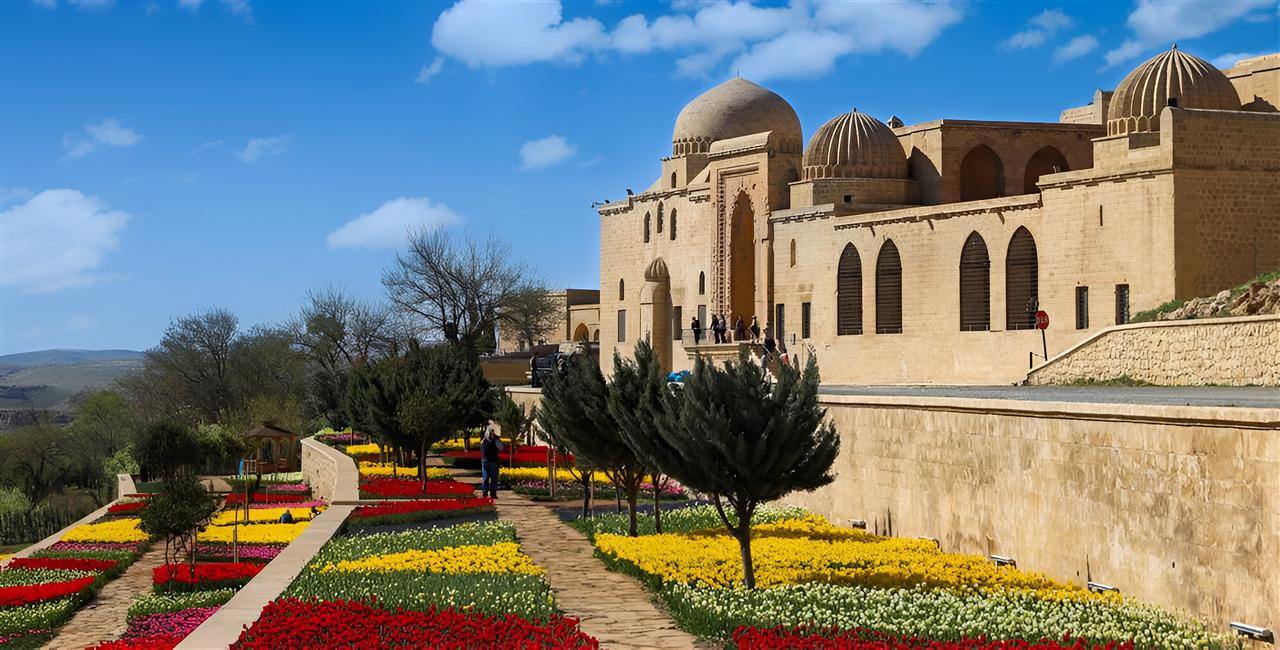
Kasımiye Medresesi (T.C. Mardin Artuklu Üniversitesi)
Kasımiye Medresesi is a two-story, single-eyvan structure of the open medrese type, arranged around a single courtyard. It is built on two terraces using finely cut stone and brick. 【1】 Facing south toward the plain, the medrese is among the largest structures in Mardin. Notable for its stonework and decorative motifs, the building was designed as a külliye, incorporating a mosque and a türbe. The monumental crown gate is adorned with compositions of floral and geometric motifs.
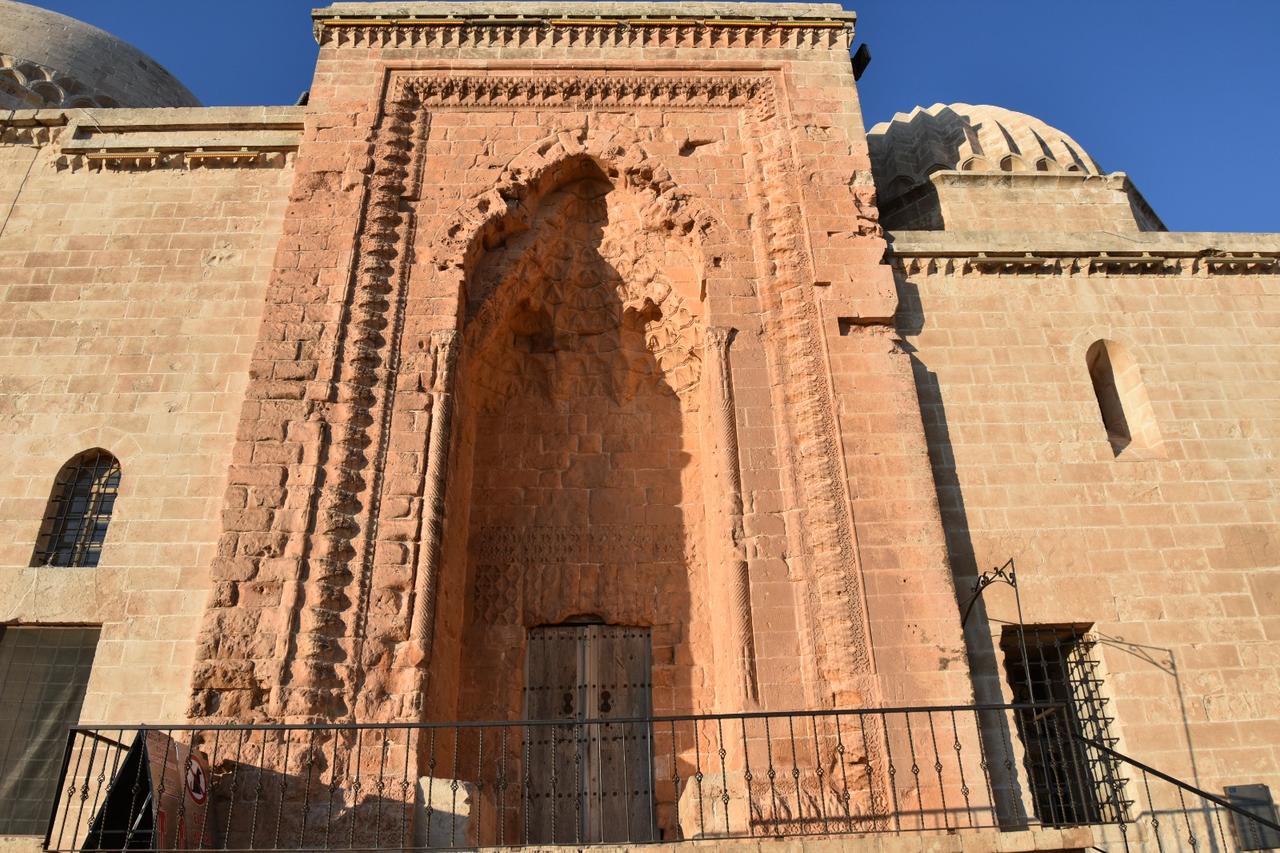
Entrance eyvan (T.C. Mardin Artuklu Üniversitesi)
Medrese is entered through a barrel-vaulted corridor from the crown gate on the southern facade. Around the large revaklı courtyard, twenty-three rooms are arranged on two levels (eleven on the ground floor and twelve on the upper floor). On the northern side of the courtyard stands a large eyvan, cutting through the second floor, with a square pool in front. This pool is part of a system designed to channel water from a çeşme. Although the selsebil structure of the eyvan is common in Mardin architecture for climatic and visual purposes, it is traditionally believed that star reflections were used here for astronomy lessons. To the west is an independent mosque, and to the east a two-story mosque rises. In the southwest corner of the courtyard, within a domed dome-covered türbe chamber, two symbolic sandukas are placed; these are thought to belong to Sultan Kasım and his sister.
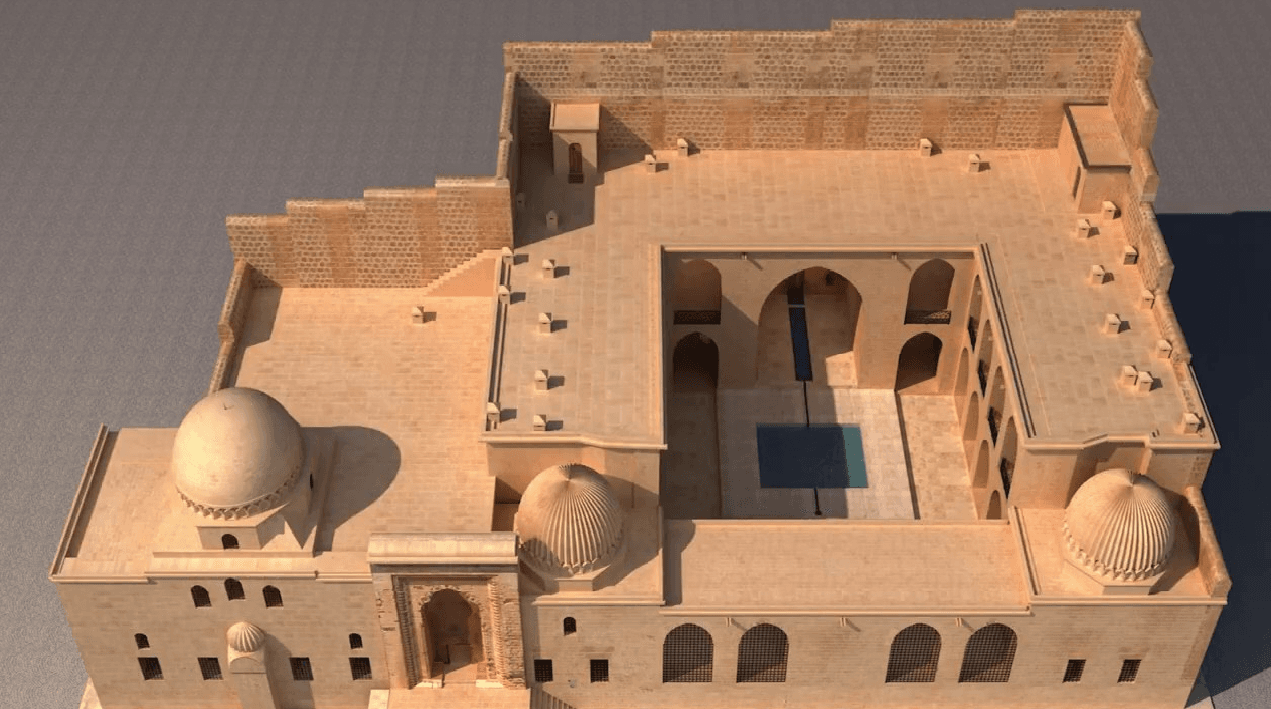
3D plan (T.C. Mardin Artuklu Üniversitesi)
The doorways of the classrooms, slightly over one meter in height, reflect the concept that “a student should bow his head when entering the presence of his teacher, so as not to show disrespect.” It is widely accepted that the symbols above the doors indicated which subjects were taught in each room. The medrese was designed to provide education according to both Hanafi and Shafi’i schools of jurisprudence, and accordingly two mosques were constructed.【2】 The medrese was planned to teach both religious sciences (tafsir, hadith, fiqh, kalam) and positive sciences (medicine, astronomy, mathematics, chemistry). It is said that natural sciences were taught on the first floor and religious sciences on the second. Arabic was the primary language of instruction, and instrumental sciences such as philosophy, logic, and belagat were also included in the curriculum.
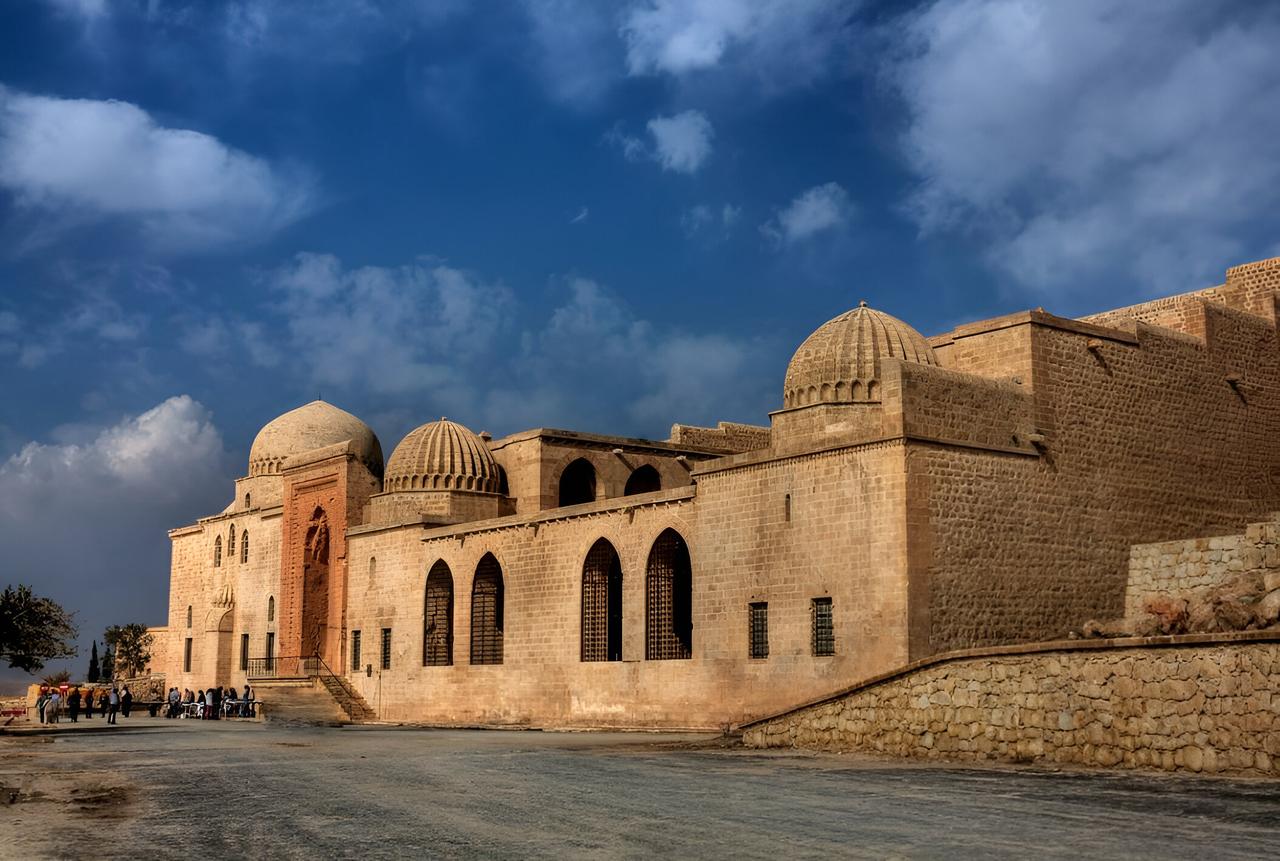
Kasımiye Medresesi (T.C. Mardin Artuklu Üniversitesi)
Kasımiye Medresesi is regarded as one of the final examples of Artuklu architecture. Completed during the Akkoyunlu period, the building became Mardin’s wealthiest and most revenue-generating endowment in the 16th century. Its income was derived from real estate rentals and shares of village and farm properties; expenditures were divided into two categories: salaries for staff and living expenses for teachers and students. The medrese provided uninterrupted education until the First World War, after which it was used for a time as a military barracks during and after the conflict. In the late Ottoman period, declining endowment revenues, war, and migration led to its closure and long-term abandonment. Restoration attempts in 1964 and 1990 were unsuccessful, but a full restoration completed in 2008 reopened it for cultural use. Today it operates as the Cezari Art Museum.
The medrese was not only a center for religious sciences (tafsir, hadith, fiqh, kalam) but also for positive sciences (medicine, astronomy, mathematics, chemistry). It is said that natural sciences were taught on the first floor and religious sciences on the second. Arabic was the primary language of instruction, and instrumental sciences such as philosophy, logic, and belagat were also included in the curriculum.
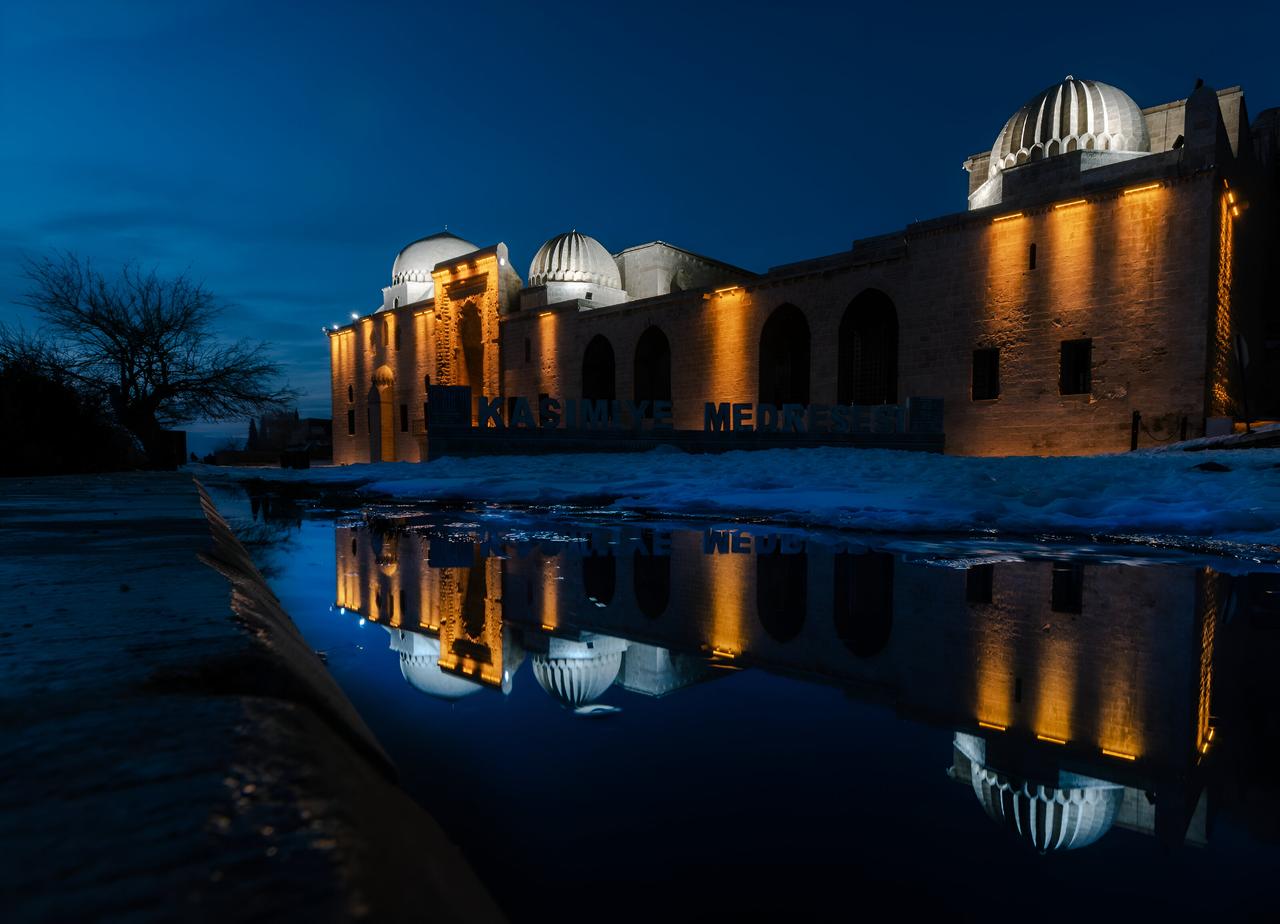
Kasımiye Medresesi (T.C. Mardin Artuklu Üniversitesi)
Legends claim that walls in the selsebil-equipped eyvan bear stains from the blood of Sultan Kasım’s uncle, Uzun Hasan, who was allegedly murdered there. However, scientific analysis (Kastle-Mayer, Adler, Luminol tests, and X-ray diffraction) has determined that these stains are in fact vegetable-based pigment.
Kasımiye Medresesi (T.C. Mardin Artuklu Üniversitesi)
Kasımiye Medresesi is located southwest of Mardin, 250 meters beyond the city stadium, after turning right from the fire station garage. Visiting hours are 08:30–17:30 in winter and 08:30–19:00 in summer.
Kasımiye Medresesi is one of Mardin’s most striking structures, notable for its architectural harmony, stonework, and historical significance in education. This külliye, bearing traces of both Artuklu and Akkoyunlu periods, continues to preserve its value as a historical and cultural heritage today.
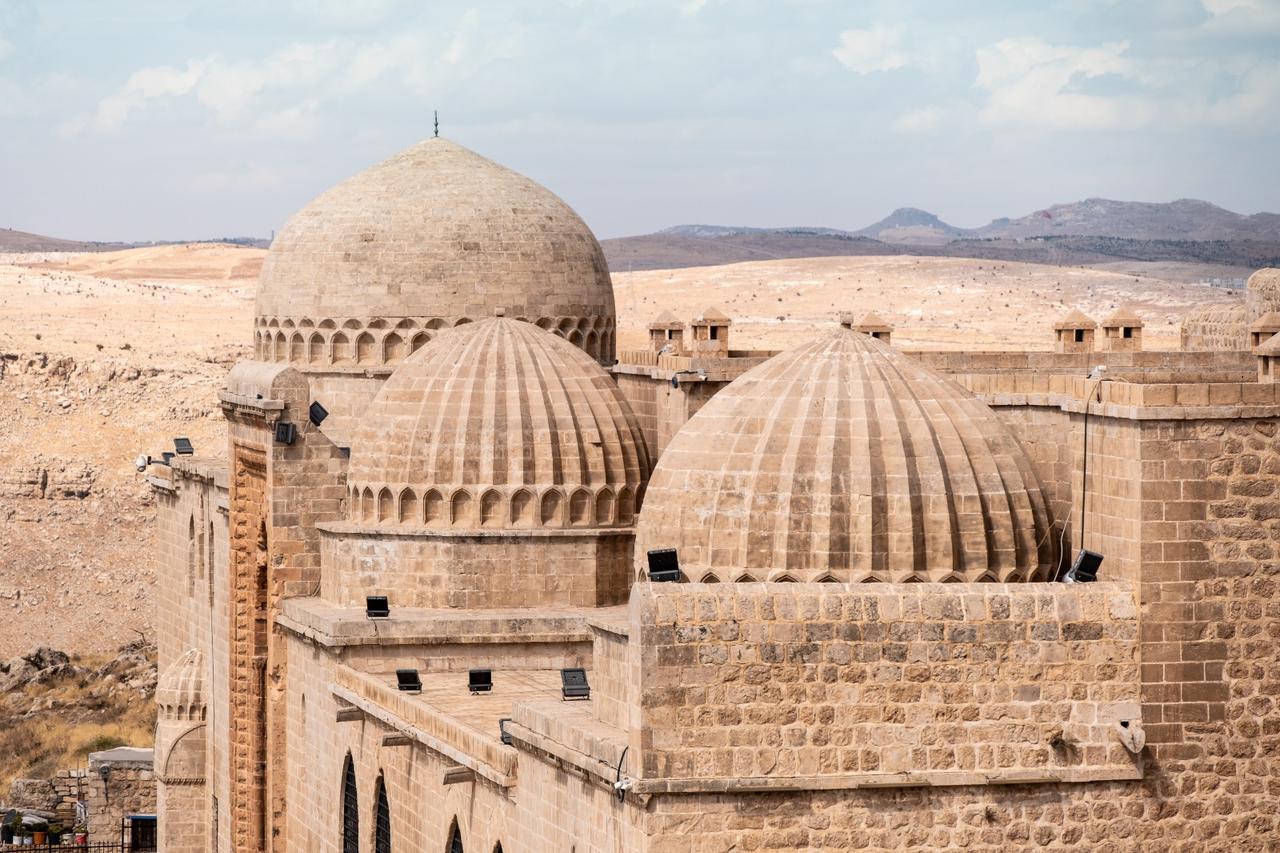
Kasımiye Medresesi (T.C. Mardin Artuklu Üniversitesi)
Artuklu Üniversitesi Faculty of Tourism. "Kasimiye Medresesi." Accessed April 6, 2025.https://www.artuklu.edu.tr/turizm-fakultesi/kasimiye-medresesi
Mardin Büyükşehir Municipality. "Medreseler." Accessed April 6, 2025.https://www.mardin.bel.tr/medreseler
T.C. Ministry of Culture and TourismMardin İl Directorate of Culture and Tourism. "Kasimiye Medresesi." Accessed April 6, 2025.https://mardin.ktb.gov.tr/TR-311570/kasimiye-medresesi.html
Türk Maarif Ansiklopedisi. "Kasimiye Medresesi." Accessed April 6, 2025.https://turkmaarifansiklopedisi.org.tr/kasimiye-medresesi
Türkiye Kültür Portalı. "KASIMİYE MEDRESESİ | Kültür Portalı." Accessed April 6, 2025.https://kulturportali.gov.tr/turkiye/mardin/gezilecekyer/kasimiye-medresesi
[1]
Türkiye Kültür Portalı, “KASIMİYE MEDRESESİ | Kültür Portalı,” Erişim 6 Nisan 2025, https://kulturportali.gov.tr/turkiye/mardin/gezilecekyer/kasimiye-medresesi
[2]
Artuklu Üniversitesi Turizm Fakültesi, “Kasimiye Medresesi,” Erişim 6 Nisan 2025, https://www.artuklu.edu.tr/turizm-fakultesi/kasimiye-medresesi

Kasımiye Medresesi
Location | Mardin/Türkiye (southwest of the city center) | ||||||||
|---|---|---|---|---|---|---|---|---|---|
Construction | Beginning: Artuklu Period (13th century) Completion: Akkoyunlu Period (1457–1502) | ||||||||
Estimated Construction Date | 1469 (no foundation inscription has been found) | ||||||||
Type | single-iwan Open madrasa külliye (with mosque and tomb) two-story | ||||||||
Material | Regularly cut stone and brick | ||||||||
Plan | two-story Open courtyard single-iwan madrasa | ||||||||
Significance | An monumental structure in Mardin showcasing stone craftsmanship and reflecting Artuklu and Akkoyunlu architecture. | ||||||||
Architectural Features
History and Usage
Legends and Investigations
Location and Visit Information