

`seljuk-architecture` Related Article Results
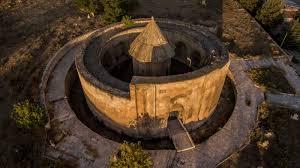
Mama Hatun Külliyesi
The Mama Hatun Türbesi, located in the Tercan district of Erzincan, was built in memory of Mama Hatun, the princess of the Saltuklu dynasty who died in 1192. Mama Hatun was the daughter of II. Izzeddin Saltuk, who assumed control of the Saltuklu Beylik in 1191. History The Mama Hatun Külliyesi is situated in the Tercan district of Erzincan and is one of the architectural complexes from the Seljuk period. The külliye includes structures serving various functions such as a tomb, caravanserai, bath
EN
Zeynep Şule Bingöl
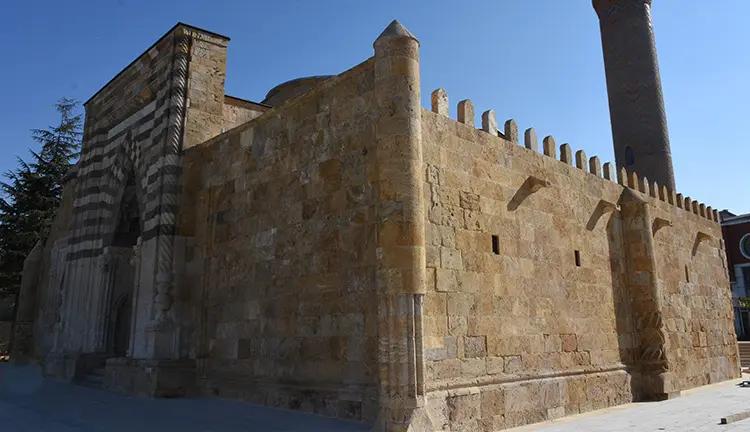
Cacabey and Gökbilim Madrasa
The Cacabey and Gökbilim Madrasa is a structure built during the Anatolian Seljuk State period, designed for education in the field of astronomy. The building is located in the present-day center of Kırşehir, Turkey. Its architectural features, purpose of construction, and historical context reflect the 13th-century Seljuk approach to science and education. Over time, the building has also gained the function of a mosque, and following restoration works, it is preserved as a structure that holds
EN
Sümeyye Akkanat Terzioğlu
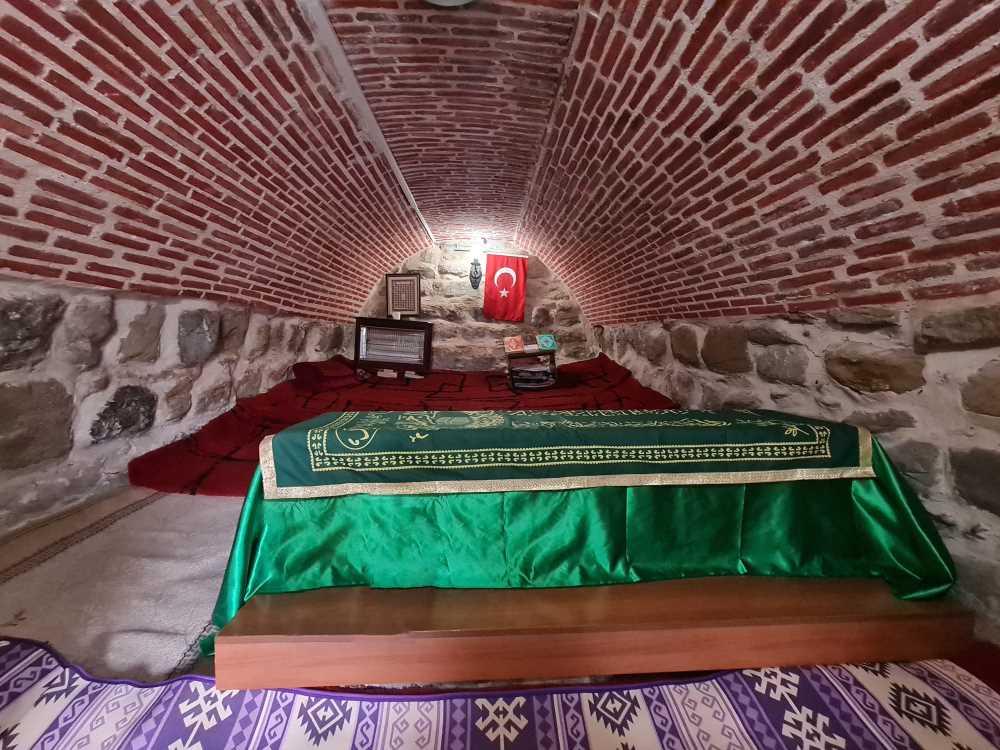
Arab Baba Tomb and Legend
Arap Baba Türbesi is a sacred pilgrimage site located in the historic district of Harput, approximately 5 km from the center of Elazığ. It is situated in the lower level of the Arap Baba Mosque, which is part of the same architectural complex, and is recognized as one of Elazığ’s cultural heritage sites due to both its architectural features and its spiritual role in local beliefs. Architectural and Historical Structure The Arap Baba Türbesi is dated to the Seljuk period. It is located in the lo
EN
Zeynep Şule Bingöl
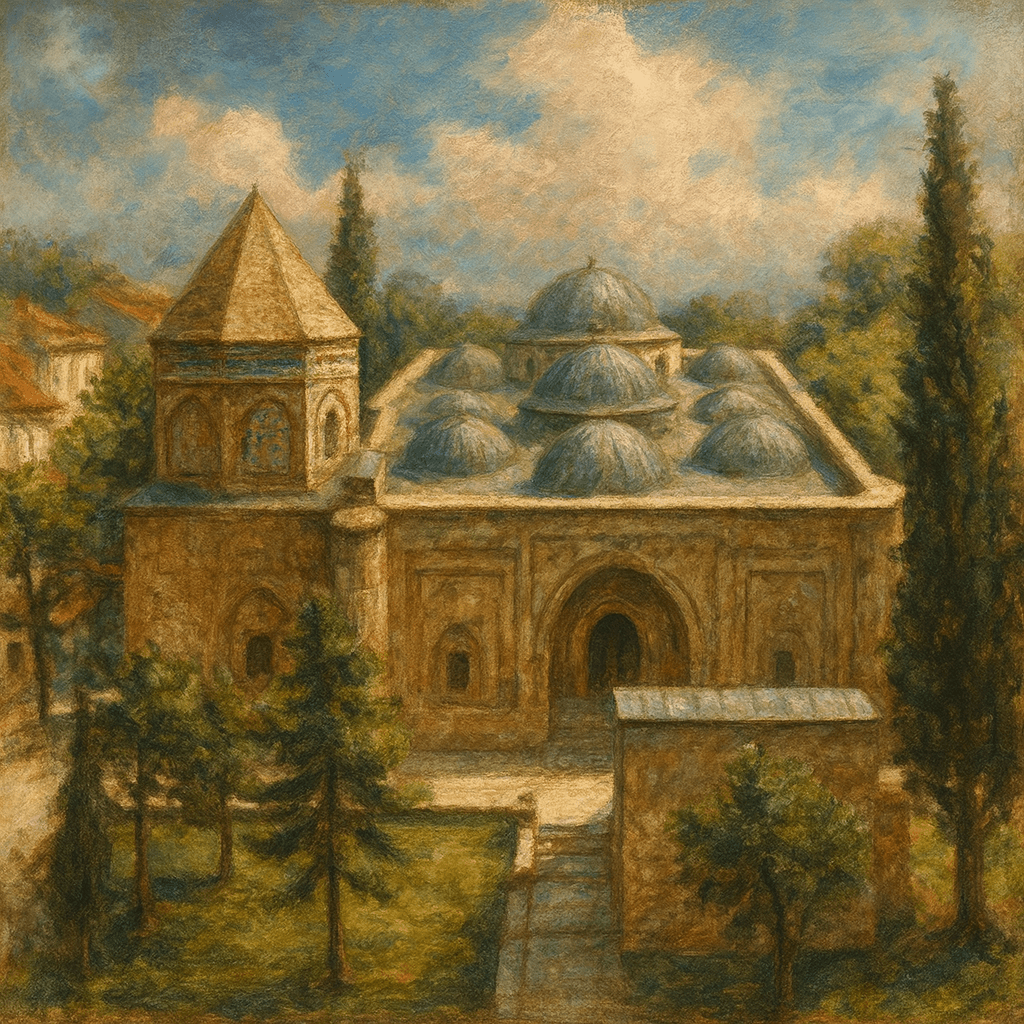
Torumtay Tomb
The Torumtay Türbesi, located in the center of Amasya, was built in 1278 by Amasya’s governor Seyfeddin Torumtay. The tomb serves as the eternal resting place not only for Torumtay but also for his children and grandchildren. Its structure, decorations, and layout exhibit distinctive features different from other Seljuk tombs. (Generated by Artificial Intelligence) " image-element-format="right" image-source="https://cdn.t3pedia.org/media/uploads/2025/08/25/PS2zN3xItllvFzw3yTyREk7KZVbntAdZ.png"&
EN
Hikmet Can Urhan
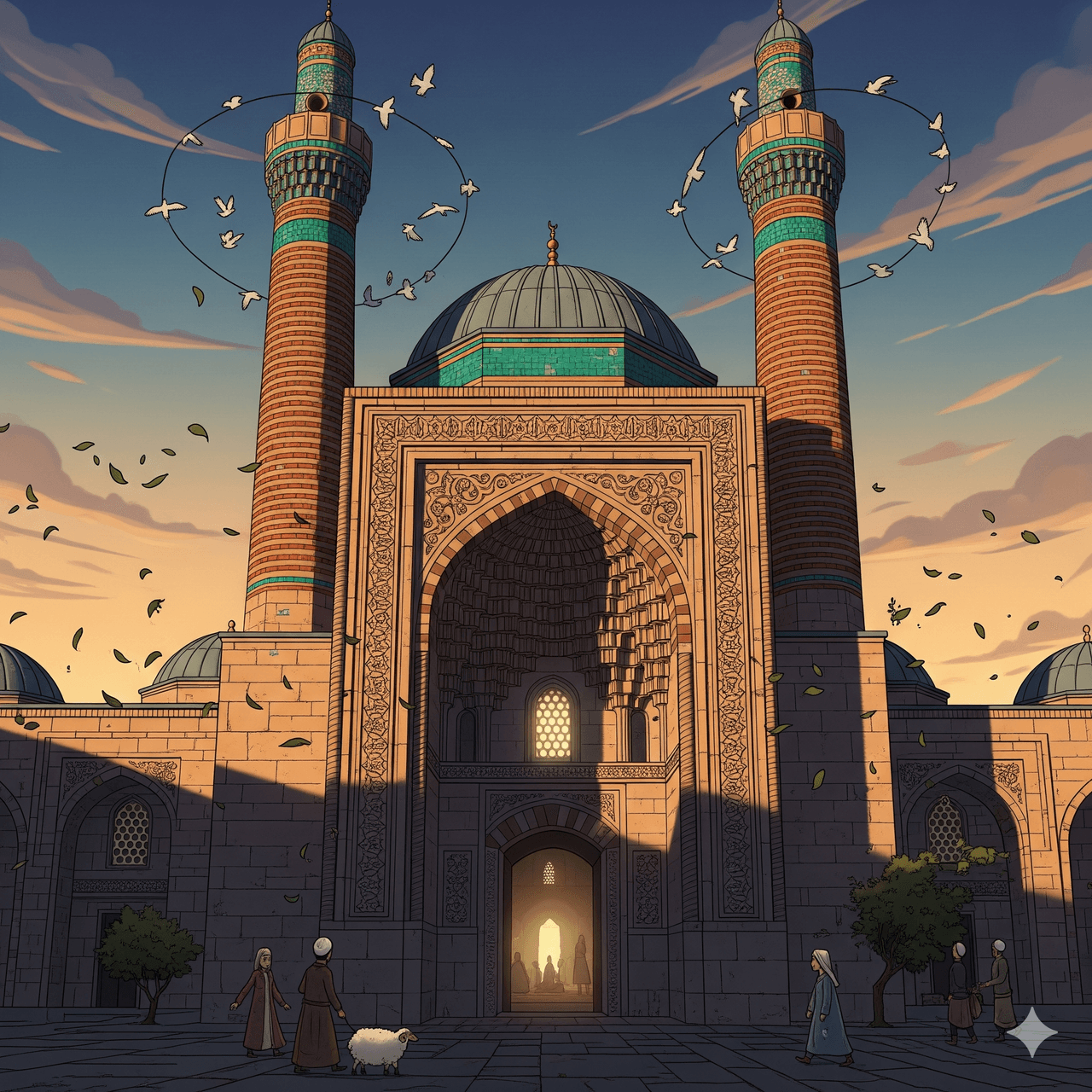
Gök Medrese (Sivas)
Gök Medrese is located at the southeastern foot of the earthwork mound now known as the castle in Sivas. It was constructed in 1271 during the reign of III. Gıyaseddin Keyhüsrev by his vizier Sahip Ata Ali b. Hüseyin. The building has two names: “Sahibiye” and “Gök Medrese.” Sahibiye derives from the patron’s honorific title, while Gök Medrese comes from the turquoise-colored tiles used in its decoration. Architect and Construction The architect of the medrese was Kalûyân el-Konevî, who was resp
EN
Zeynep Yılmaz
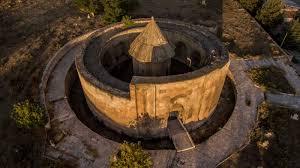
Mama Hatun Külliyesi
Erzincan’s Tercan district is home to the Mama Hatun Türbesi, built in memory of Mama Hatun, the princess of the Saltuklu dynasty who died in 1192. Mama Hatun was the daughter of II. Izzeddin Saltuk, who assumed control of the Saltuklu Beylik in 1191. History The Mama Hatun Külliyesi is located in the Tercan district of Erzincan and is one of the architectural complexes from the Seljuk period. The külliye comprises structures with different functions including a kümbet, a kervansaray, a hamam, a
ENZeynep Şule Bingöl
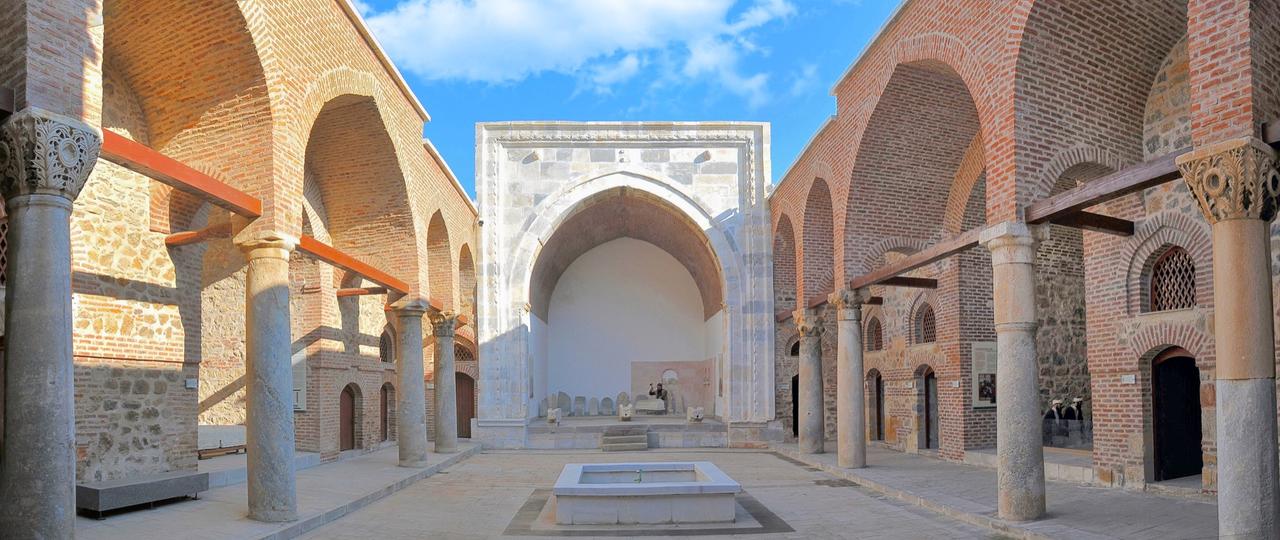
Akşehir Stone Madrasa
Akşehir Taş Medrese is a 13th-century structure located in the district of Akşehir in Konya. It dates from the Anatolian Seljuk period and was commissioned in 1250 (H. 648) by Seljuk Vizier Sâhib Ata Fahreddin Ali. Originally, it served as the central component of a large külliye, which included the medrese, mosque, türbe, hankah, imaret, and çeşme. Only the medrese, mosque, and türbe sections have survived to the present day. The structure is commonly known locally as “Halkalı Medrese” and “Sah
EN
Almina Ecenur Ergünay
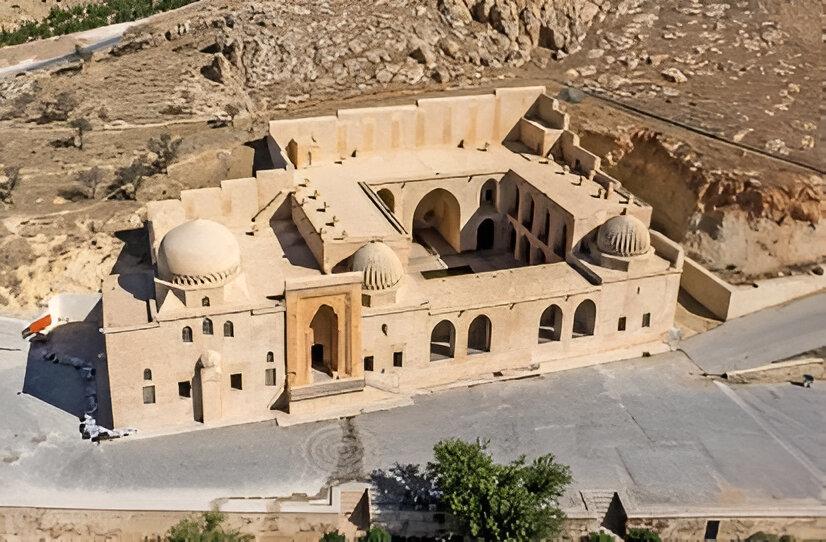
Kasımiye Medresesi
Kasımiye Medresesi, located on a commanding position overlooking the Mesopotamian Plain to the southwest of the provincial center, is a historical madrasa that has survived to the present day. Construction began during the Artuklu period (13th century), but was left incomplete due to raids by Timur forces under Mongol. It was finally completed between 1457 and 1502 during the reign of Medrese ruler Cihangiroğlu November Sultan (Sultan Kasım). Although no exact construction date is known, it is d
EN
Muhammed Samed Acar
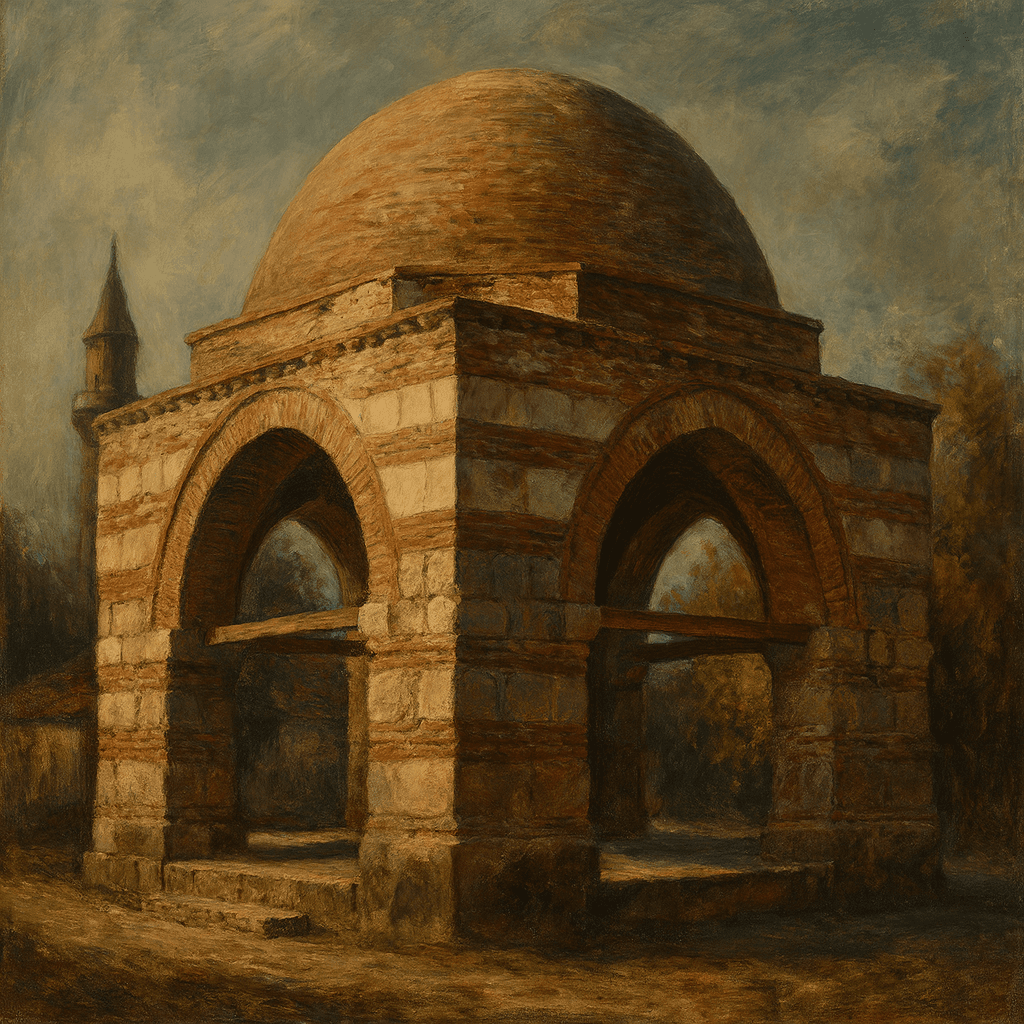
Kanlı Kümbet
Kanlı Kümbet is a historical monument tomb located in the Battalgazi district of Malatya. Situated within an old cemetery in the Meydanbaşı Neighborhood, the structure dates back to the Seljuk period. Although commonly known among the public as a “cellathane,” it is in fact a türbe featuring a special underground section called a crypt, where bodies were interred. (Generated by Artificial Intelligence) " image-element-format="right" image-source="https://cdn.t3pedia.org/media/uploads/2025/08/25/
ENHikmet Can Urhan
 Se
SeSeyyid Burhaneddin Tomb
The Seyyid Burhaneddin Tomb was built over the grave of the Sufi scholar Seyyid Burhâneddin Hüseyin Muhakkık-ı Tirmizî, who was the teacher of Mevlânâ Celâleddîn-i Rûmî. The tomb is located in the city center of Kayseri, on Talas Street, within the Seyyid Burhaneddin Cemetery. Today, it is one of the most frequently visited tombs in Kayseri. History Seyyid Burhaneddin closely guided Mevlânâ’s education in the early 13th century and spent the last nine years of his life in Kayseri. He passed away
EN
Meltem Saraç