


This article was automatically translated from the original Turkish version.
+1 More
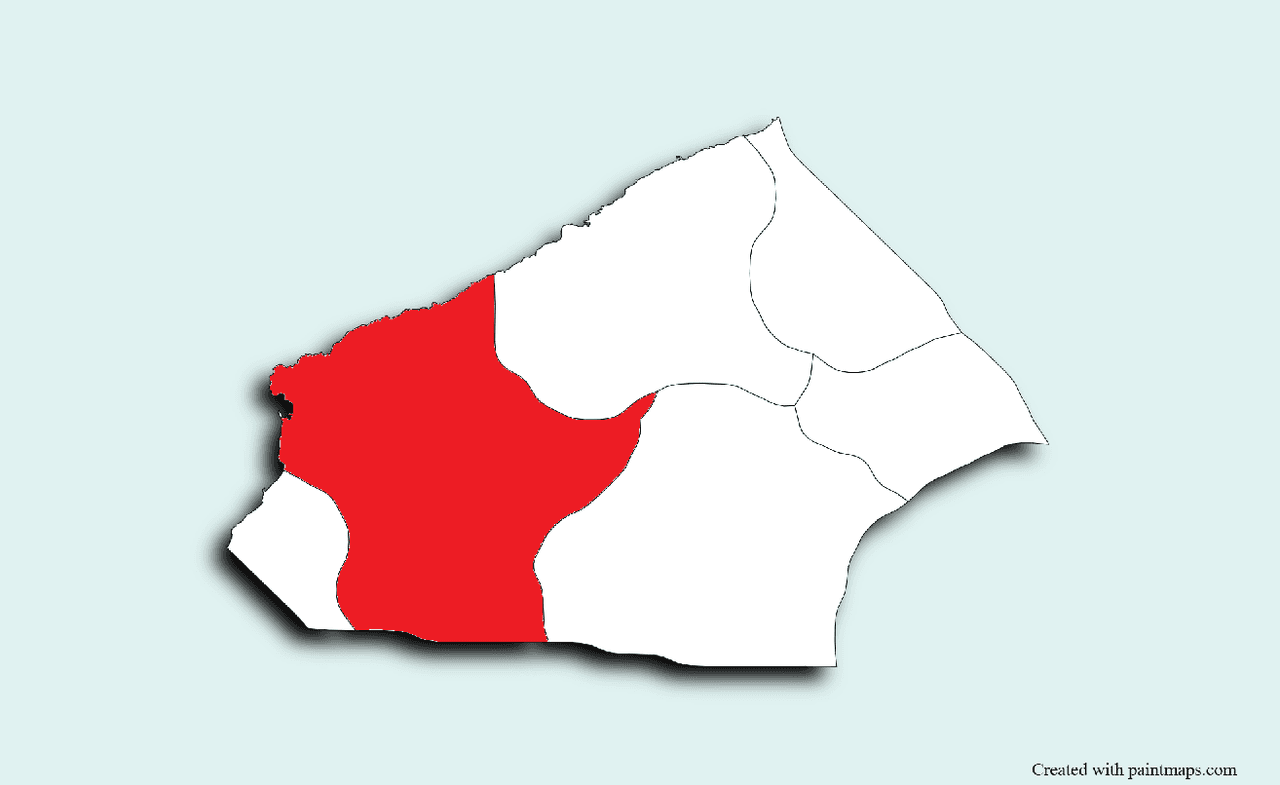
Black Sea Ereğli (District)
Black Sea Ereğli
Country | Türkiye | ||||||||
|---|---|---|---|---|---|---|---|---|---|
Province | Zonguldak | ||||||||
Geographic Region | Black Sea Region | ||||||||
Area | 782 km² | ||||||||
Postal Code | 67300 | ||||||||
Province Area Code | 372 | ||||||||
Province License Plate Code | 67 | ||||||||
District Governor | Mehmet Yapıcı | ||||||||
Mayor | Halil Posbıyık | ||||||||
Karadeniz Ereğli is a district of Zonguldak Province located on the western Black Sea coast and is one of the region’s most prominent districts historically economically and culturally. Known in antiquity as Heraclea Pontica the town has throughout history held significance for maritime trade shipbuilding and industry due to its natural harbor and strategic location. Today the district is particularly notable for its iron and steel industry agriculture and fishing and draws attention for its rich cultural heritage and geographical diversity.
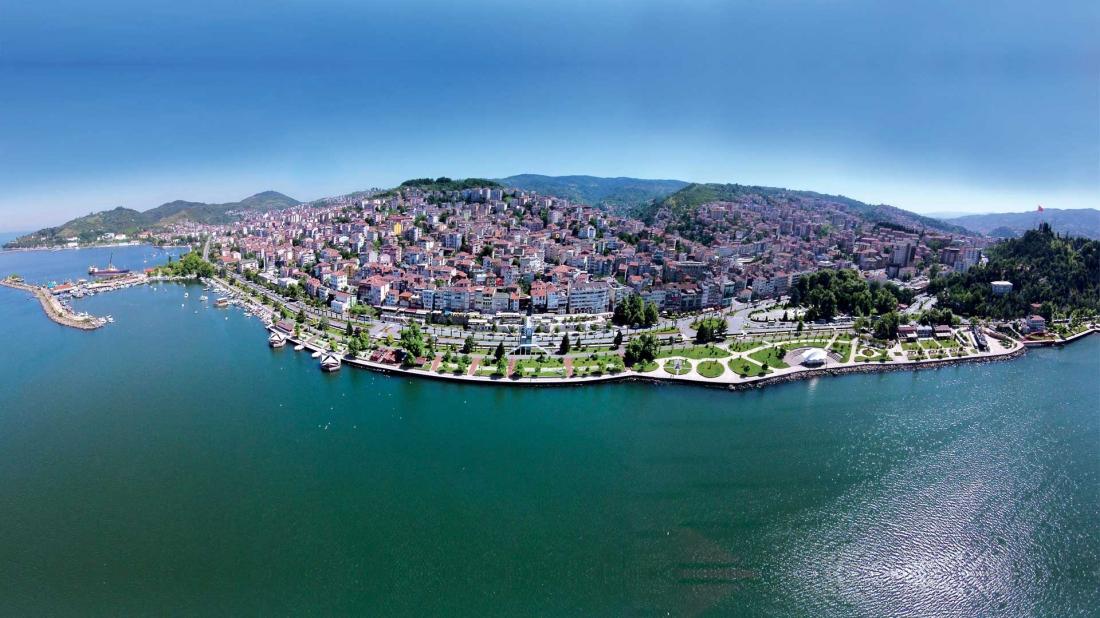
Panoramik Karadeniz Ereğli Fotoğrafı (Kdz. Ereğli Belediyesi)
Due to its geographical position Karadeniz Ereğli has long been one of the key centers of trade culture and transit and has remained within the settlement and influence zones of various civilizations.
In antiquity the area of present-day Karadeniz Ereğli was known as Heraclea Pontike. The town’s name is generally accepted to derive from the mythological hero Heracles. According to ancient sources one of Heracles’ legendary labors the retrieval of the hellhound Cerberus from the underworld took place in the Acheron Caves. It was believed that this mythological scene occurred in the vicinity of Karadeniz Ereğli and thus the region became associated with Heracles. In this context the town was not merely a settlement but also a carrier of mythological memory.
Although the exact founding date of Heraclea Pontike is unknown it is generally accepted that a Greek colony developed in the region from the 6th century BCE onward. The colonization process was primarily carried out by seafarers from Miletus and during this period the town prospered through maritime trade. Over time the region came under the control of the Kingdom of Bithynia and later the Roman Empire. During the Roman period the town continued to function as an important port and commercial center.
During the Byzantine era the town retained its strategic importance and became an episcopal center during the early Christian period evolving into a religious and administrative hub. However the region’s coastal areas were periodically affected by raids from the north and internal unrest which weakened the town’s social and economic structure at times.
Following Turkish campaigns into Anatolia from the 11th century onward the region briefly came under Turkish control but this dominance was not stable. By the late 13th century as the Candaroğulları Beylik and subsequently the Ottoman State expanded their territories Ereğli was incorporated into Ottoman lands. During the Ottoman period the region attracted attention both as a port town and for its surrounding natural resources. The discovery of coal reserves in the 19th century transformed it into a major industrial and production center.
Coal production which began in the mid-12th century significantly altered Ereğli’s social and economic structure. During this period migration from various parts of Anatolia occurred to meet labor demands resulting in greater urban diversity. Under Ottoman administration Ereğli was organized as a key center for coal production and maritime transport.
During the Republican period Ereğli further solidified its industrial identity. Particularly from the mid-20th century onward iron and steel factories established under Turkey’s industrialization policies transformed Ereğli into one of the most important industrial cities in western Black Sea region.
Today Karadeniz Ereğli continues to hold regional importance through its historical legacy and economic potential. As a settlement with continuous habitation from antiquity to the present Ereğli provides uninterrupted evidence of various periods in Anatolian history.
Karadeniz Ereğli is a coastal town located in western Turkey’s Black Sea region within the western part of Zonguldak Province. It borders Alaplı to the east Devrek to the south and Akçakoca to the west. The district has a coastline along the Black Sea which has been decisive for both its historical development and economic activities. The district covers an area of 736 km² and features rugged terrain rising from the coast toward inland areas. The main river in the region is the Kavak Stream which flows through the district center and empties into the Black Sea.
Karadeniz Ereğli is a district of Zonguldak Province. The district center together with surrounding towns and villages comprises a total of 93 neighborhoods. Population mobility is high in the urban center due to the concentration of industry and service sectors. The district’s population structure reflects diversity shaped by historical migration waves.
The district’s economy is based on industry agriculture and services. Karadeniz Ereğli is home to Ereğli Iron and Steel Works T.A.Ş. (ERDEMİR) one of Turkey’s largest flat steel producers. Established in 1965 ERDEMİR holds major significance not only for Ereğli but also for the national industry. Employment based on industry is high. Additionally fishing is an important livelihood source in the district. Agriculture includes the production of various fruits and vegetables with hazelnuts being the most prominent.
Karadeniz Ereğli is connected by road to Zonguldak and neighboring provinces. The nearest airport is Zonguldak Çaycuma Airport approximately 105 km away. Due to its status as a port town maritime transport has historically been significant. Local transportation within the town center is provided by buses and minibuses.
Karadeniz Ereğli encompasses a variety of cultural elements. Folk dances local cuisine traditional crafts and festivals form the cultural fabric of the district. One of the best-known events is the annual International Festival of Love Peace Friendship Culture and Art. In education the Ereğli Faculty of Education affiliated with Bülent Ecevit University is located in the district and serves as the center for higher education activities.
Natural beauty and historical heritage are intertwined in the district. The Acheron Caves attract attention for both their natural formations and their mythological and historical significance. Believed to have been used for religious rituals in antiquity these caves are now open to visitors. Additionally Göztepe the Lighthouse the Alemdar Ship Museum and several historic mosques are among the district’s notable sites. Parks and walking paths along the coastline are essential components of urban life.
Karadeniz Ereğli is a settlement distinguished by its historical origins industrial potential natural beauty and cultural diversity. Its multi-layered structure spanning from antiquity to the present has played a decisive role in the region’s historical and socio-economic development. The district’s natural harbor industrial infrastructure and cultural heritage collectively establish a strategic and multifaceted identity for the region.
Karadeniz Ereğli Belediyesi. "Karadeniz Ereğli Belediyesi Resmi Web Sitesi." Accessed April 29, 2025.https://www.kdzeregli.bel.tr/
Karadeniz Ereğli Belediyesi. *Karadeniz Ereğli Tanıtım Kitapçığı*. Karadeniz Ereğli: Karadeniz Ereğli Belediyesi, 2023.
Karadeniz Ereğli Kaymakamlığı. *Karadeniz Ereğli Kaymakamlığı.* Accessed April 29, 2025.http://www.karadenizeregli.gov.tr/
Zonguldak Valiliği. "Zonguldak Valiliği." Accessed April 29, 2025.http://www.zonguldak.gov.tr/

Black Sea Ereğli (District)
Black Sea Ereğli
Country | Türkiye | ||||||||
|---|---|---|---|---|---|---|---|---|---|
Province | Zonguldak | ||||||||
Geographic Region | Black Sea Region | ||||||||
Area | 782 km² | ||||||||
Postal Code | 67300 | ||||||||
Province Area Code | 372 | ||||||||
Province License Plate Code | 67 | ||||||||
District Governor | Mehmet Yapıcı | ||||||||
Mayor | Halil Posbıyık | ||||||||
No Discussion Added Yet
Start discussion for "Karadeniz Ereğli (District)" article
History
Location and Geography
Population and Administrative Structure
Economy
Transportation
Culture and Education
Natural and Historical Riches