This article was automatically translated from the original Turkish version.
Type of Geographical Indication | Mahreç Sign | ||||||||
|---|---|---|---|---|---|---|---|---|---|
Registration Number | 559 | ||||||||
Registration Date | 06.10.2020 | ||||||||
Product / Product Group(s) | Bakery and confectionery products sweets dough products | ||||||||
Province(s) | Ankara | ||||||||
Applicant/Registrant(s) | Kalecik Municipality | ||||||||
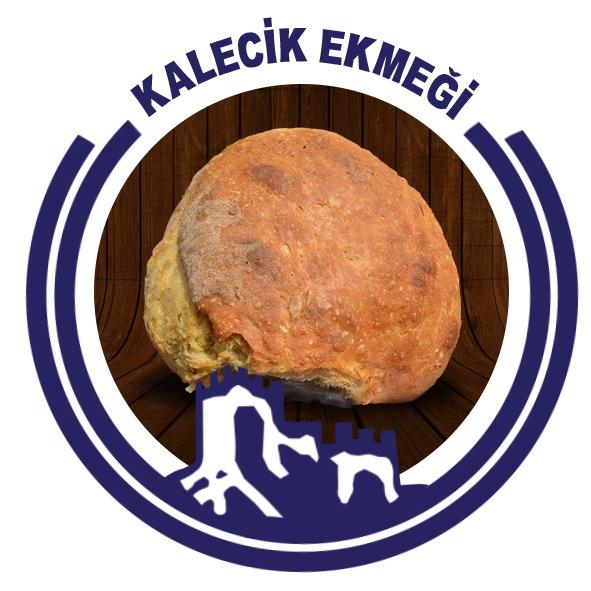
Kalecik Bread, Ankara is a traditional bread unique to the Kalecik district of Ankara province. It is prepared using a mixture of flour, sourdough starter, and fresh yeast. The bread’s distinctive qualities are achieved through a production method that has been preserved in the region for many years and by baking exclusively in stone ovens. Historically produced primarily to meet the needs of the local population, this bread has become a commercial product over time, gaining recognition and association with the Kalecik district due to its unique characteristics.
The production of Kalecik bread primarily uses sifted flour, sourdough starter, fresh yeast, salt, and water. To achieve its distinctive soft texture, the dough is kneaded to a consistency softer than an earlobe and slightly sticky. The unique flavor and structure of the product result from the use of sourdough starter. Following traditional production techniques, the dough is shaped into a round form by hand using a method called “tapışlama” and then prepared for baking. Baking must be carried out exclusively in stone ovens fueled by wood fire.
The production of Kalecik bread begins with the sourdough starter separated from the previous day’s leavened dough, which serves as the main starter.
The geographical boundary of Kalecik bread is the Kalecik district of Ankara province. Due to its unique production method, artisanal skill, and the established association with Kalecik, all stages of production must be carried out within this defined geographical boundary.
Monitoring of whether Kalecik bread is produced in accordance with established standards is conducted by a three-member monitoring body established under the coordination of the Kalecik Municipality. This body consists of one representative each from the Kalecik Municipality, the Kalecik District Directorate of Agriculture and Forestry, and the Ankara University Kalecik Vocational School.
Monitoring is carried out regularly at least once per year; however, the frequency may be increased in cases of complaints or when deemed necessary.
The following key aspects are inspected during monitoring:
The monitoring body may obtain expert support or services from public or private institutions during the monitoring process. The registering institution, the Kalecik Municipality, is responsible for pursuing legal procedures to protect the geographical indication rights.
Turk Patent and Trademark Office. "Kalecik Ekmeği Coğrafi İşaret Sicil Belgesi." Accessed October 25, 2025. https://ci.turkpatent.gov.tr/Files/GeographicalSigns/3ce62030-7c7f-4d36-bffb-fcaa230c8b36.pdf
Turkish Patent and Trademark Office. "Kalecik Ekmeği." Geographical Indications Portal. Accessed October 25, 2025. https://ci.turkpatent.gov.tr/cografi-isaretler/detay/1982

Type of Geographical Indication | Mahreç Sign | ||||||||
|---|---|---|---|---|---|---|---|---|---|
Registration Number | 559 | ||||||||
Registration Date | 06.10.2020 | ||||||||
Product / Product Group(s) | Bakery and confectionery products sweets dough products | ||||||||
Province(s) | Ankara | ||||||||
Applicant/Registrant(s) | Kalecik Municipality | ||||||||
Product Characteristics
Production Method
Geographical Boundary
Monitoring