

`bread` Related Article Results
Egyptian Bread
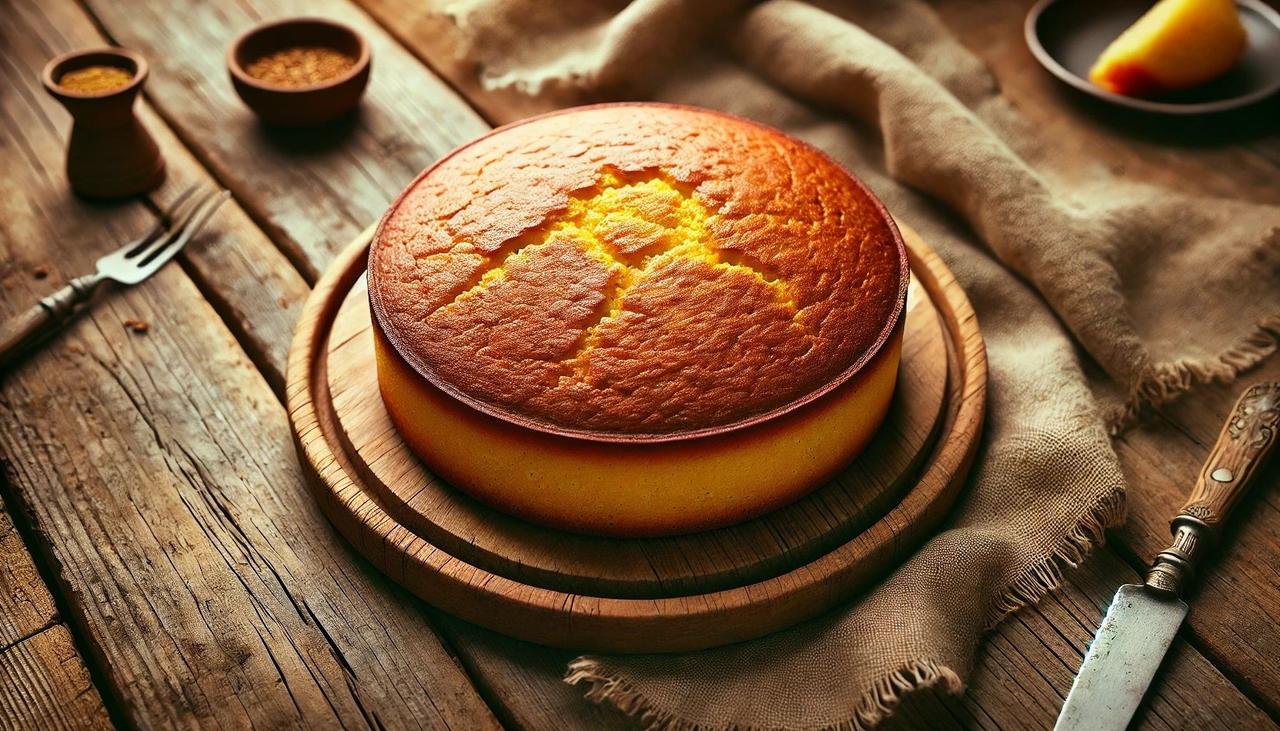
Mais bread is a type of bread widely consumed in various regions of Türkiye, particularly in the Black Sea Region, with cornmeal as its primary ingredient. Due to its gluten-free structure, it differs from classic wheat flour breads and is typically a product that does not require kneading or fermentation, though it can be enriched with simple or additional ingredients. History and Prevalence The corn plant (Zea mays) entered Ottoman territories from the 16th century onward following the discove
EN
Sabiha Meyra Şahinler
Right of Salt and Bread
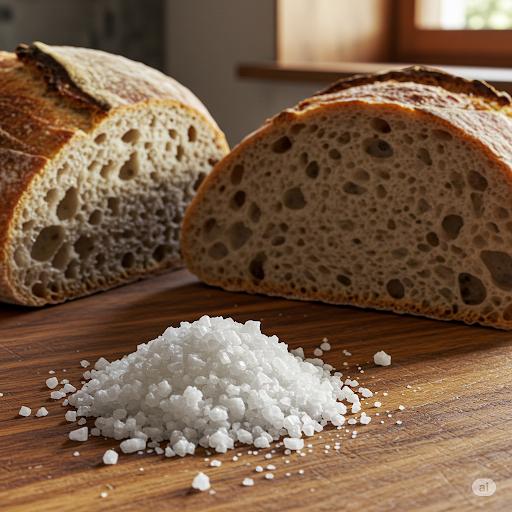
In Turkish culture, the concept of “salt-bread right” is a verbal and practical tradition associated with values such as hospitality, loyalty, and social solidarity. This concept is based on the understanding that consuming bread and salt together establishes a bond between individuals. Cultural Significance of Salt and Bread In Turkish folk beliefs, salt is linked to concepts such as protection from the evil eye, abundance, and good fortune. Bread is regarded as a sacred food symbolizing life a
EN
Zeynep Ahmetbeyoğlu
Wheat (Triticum spp.)
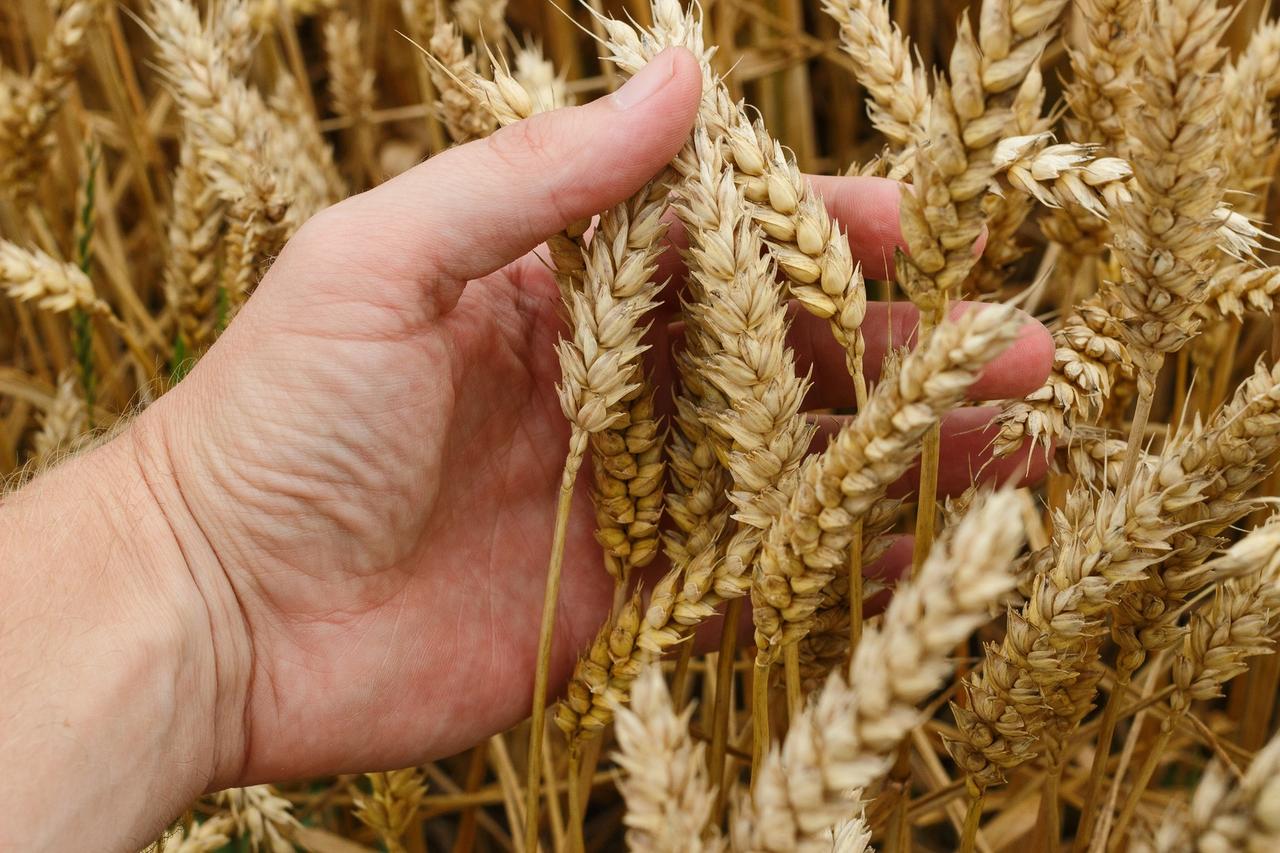
Wheat is a cereal crop belonging to the Poaceae family and the genus Triticum, and is among the world’s staple food crops. It is generally classified into two main species groups: Triticum aestivum L. (bread wheat) and Triticum durum Desf. (durum wheat). Wheat is polyploid in structure and is typically represented by diploid (2n=14), tetraploid (2n=28), and hexaploid (2n=42) species. Origin and History According to archaeological and genetic evidence, wheat was domesticated approximately 10,000
EN
Mehmet Salih Çoban
Vakfıkebir Bread
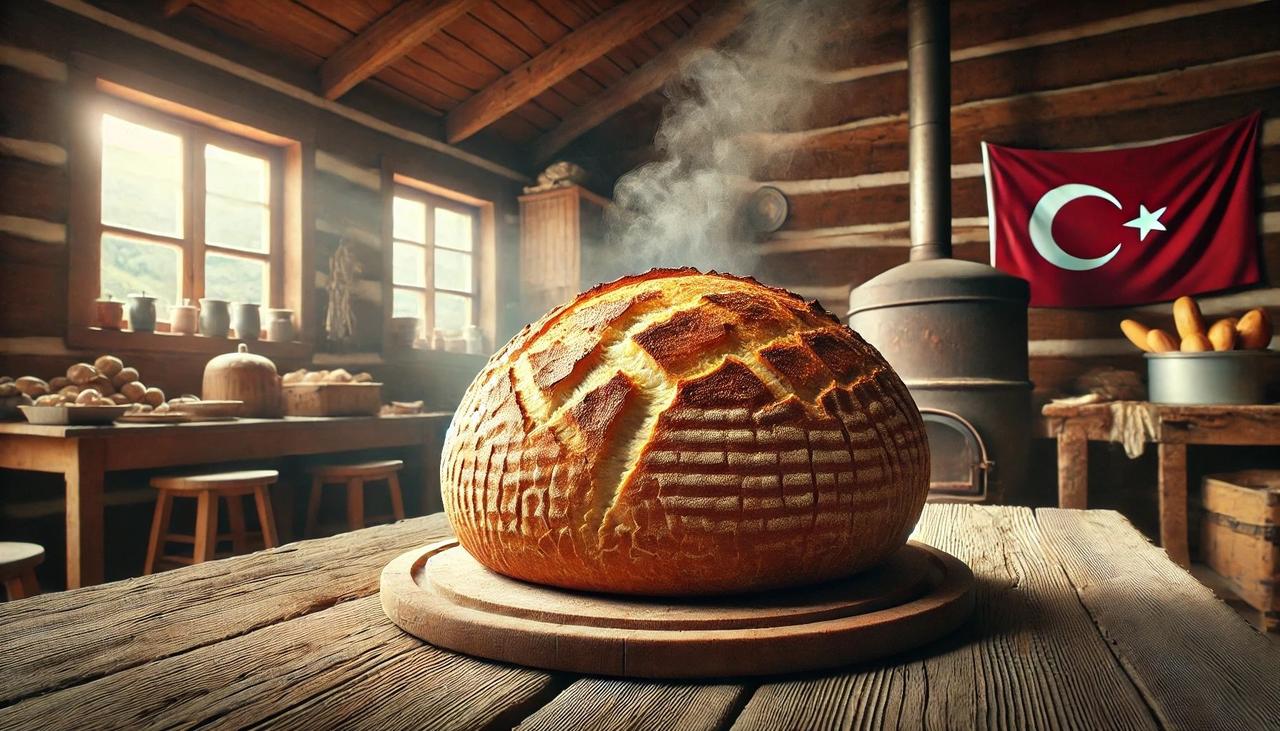
Vakfıkebir Bread is a traditional type of bread unique to the Vakfıkebir district of Trabzon province in Türkiye’s Black Sea Region, baked using traditional methods in stone ovens and known for its long shelf life. Typically produced in large sizes, this bread is recognized for its crust structure and extended freshness. Locally known as “stone oven bread,” it is a geographical indication-registered local product. History The history of Vakfıkebir Bread is rooted in the region’s traditional brea
EN
Sabiha Meyra Şahinler
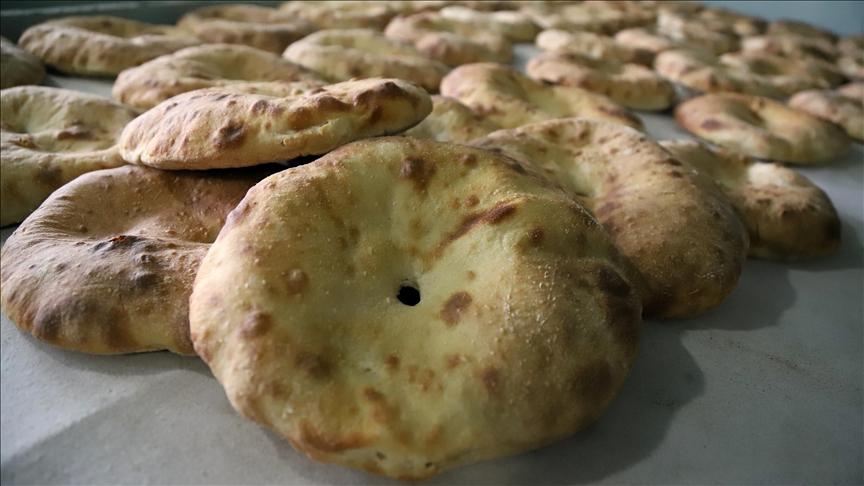
Gelveri Ekmeği (Gelveri Bread)
Gelveri bread (Gelveri ekmeği) is a traditional flatbread type specific to the Güzelyurt district of Aksaray province, registered with a geographical indication (Registration No: 1040, 07.03.2022). This bread, which has a round shape and a soft inner structure, is produced in the characteristic rock formations and historical stone ovens of the Cappadocia Region. The geographical boundary is limited to the Güzelyurt district of Aksaray. History The roots of Gelveri bread extend to the ancient per
EN
Melahat Pamuk
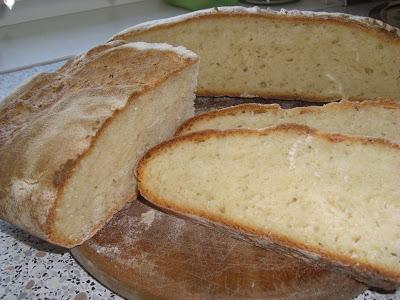
Afyonkarahisar Potato Bread
Afyonkarahisar potato bread is a sourdough bread variety produced exclusively in the province of Afyonkarahisar using local raw materials and traditional methods, without any additives. Its ingredients include regional bread wheat flour, boiled potatoes, salt, drinking water, and sourdough starter. The sticky dough is prepared using traditional wooden vessels and baked in a stone oven with wood fire. Potatoes shorten the fermentation time, delay staling, and preserve the bread’s elastic structur
ENSabiha Meyra Şahinler

Bread in the Lion's Mouth
🦁 Bread in the Lion’s Mouth The expression "bread in the lion’s mouth" is used to describe how difficult it is to make a living or earn money from a job. Let us examine the origin and meaning of this expression. (Generated by artificial intelligence) " image-element-format="right" image-source="https://cdn.t3pedia.org/media/uploads/2025/08/16/WfxU8yeQbK9k8mYFOX2J97mJhH45zq9G.png"> 🦁 Where Does It Come From? The origin of this expression lies in the struggles faced by people living in Anatol
EN
Nida Üstün
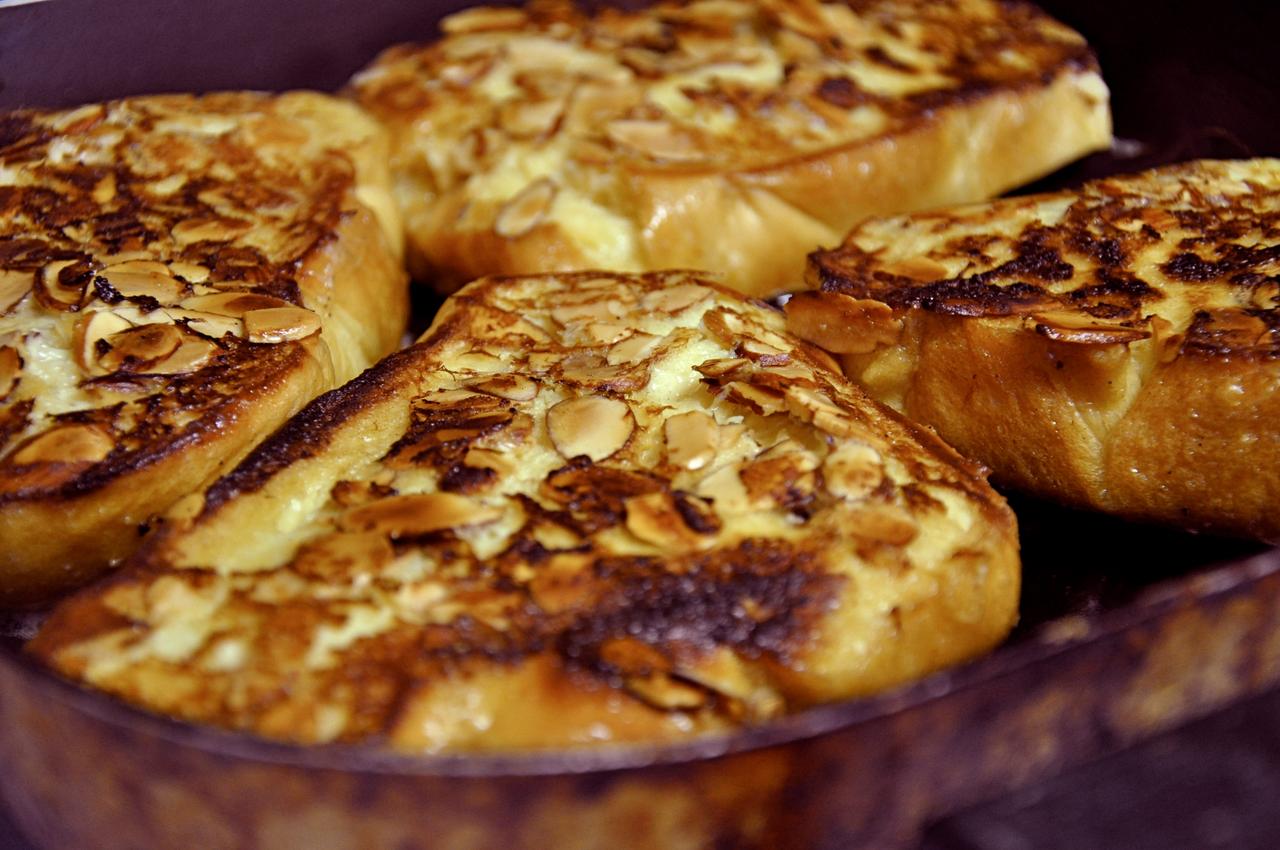
Pain Perdu
Pain Perdu is a traditional dish prepared by soaking stale bread in a mixture of milk and eggs, then cooking it. The term, which means “lost bread” in French, describes a culinary practice that repurposes bread that has lost its freshness rather than discarding it. In this sense, Pain Perdu is regarded as a historical culinary practice based on the principle of food reuse【1】. Historical Origins Techniques involving soaking stale bread in liquid mixtures and then cooking them can be traced back t
EN
Melikcan BUDAK

Vakfıkebir (District)
Trabzon’s one of the districts along the Black Sea coast, Vakfıkebir is a settlement known for its stone oven bread, butter production, and rich historical heritage. Where Does the Name Come From? The name Vakfıkebir has historical roots. When Gülbahar Hatun, the mother of Ottoman Sultan Yavuz Sultan Selim, traveled by sea to Trabzon, she was caught in a storm and vowed to donate the land in the region as a charitable endowment if she reached shore safely. After arriving safely on land, she fulf
EN
Samet Cemalettin ALKAN
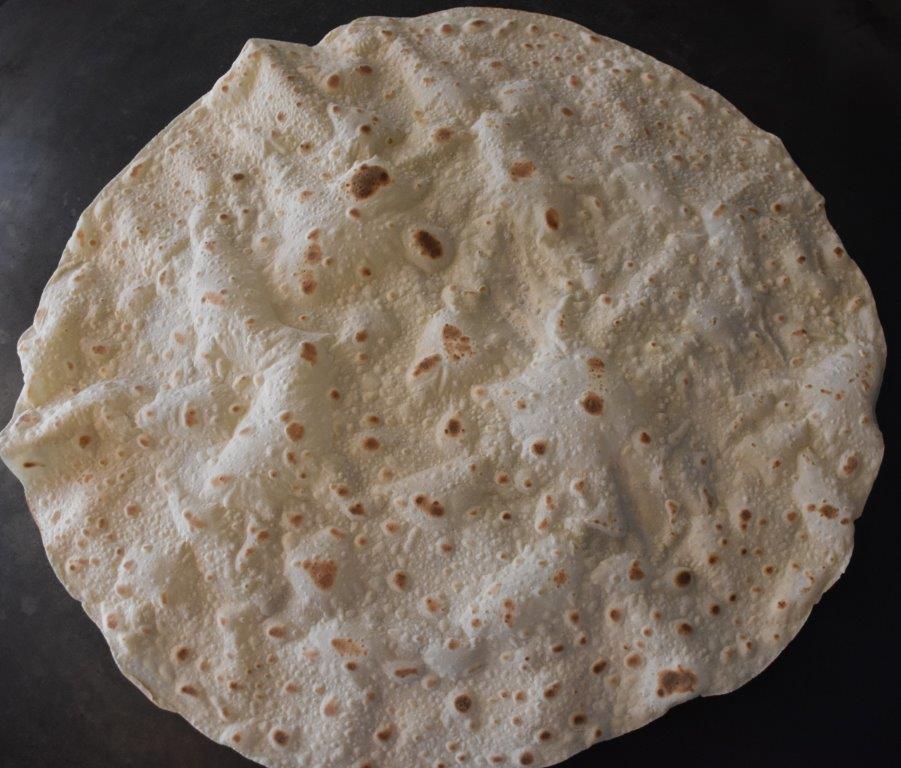
Malatya Yufka Bread
Malatya yufka bread is a thin bread produced exclusively in the province of Malatya using only whole wheat flour, water, and salt, with no yeast or additives. These flatbreads, weighing approximately 150 grams, measuring 1 mm in thickness and 150 cm in diameter, are cooked on a hot metal plate 2 mm thick, with both sides baked. Traditionally produced through the imece communal labor system, Malatya yufka bread can be stored for up to six months in a cool, dry environment and is softened with a s
ENSabiha Meyra Şahinler