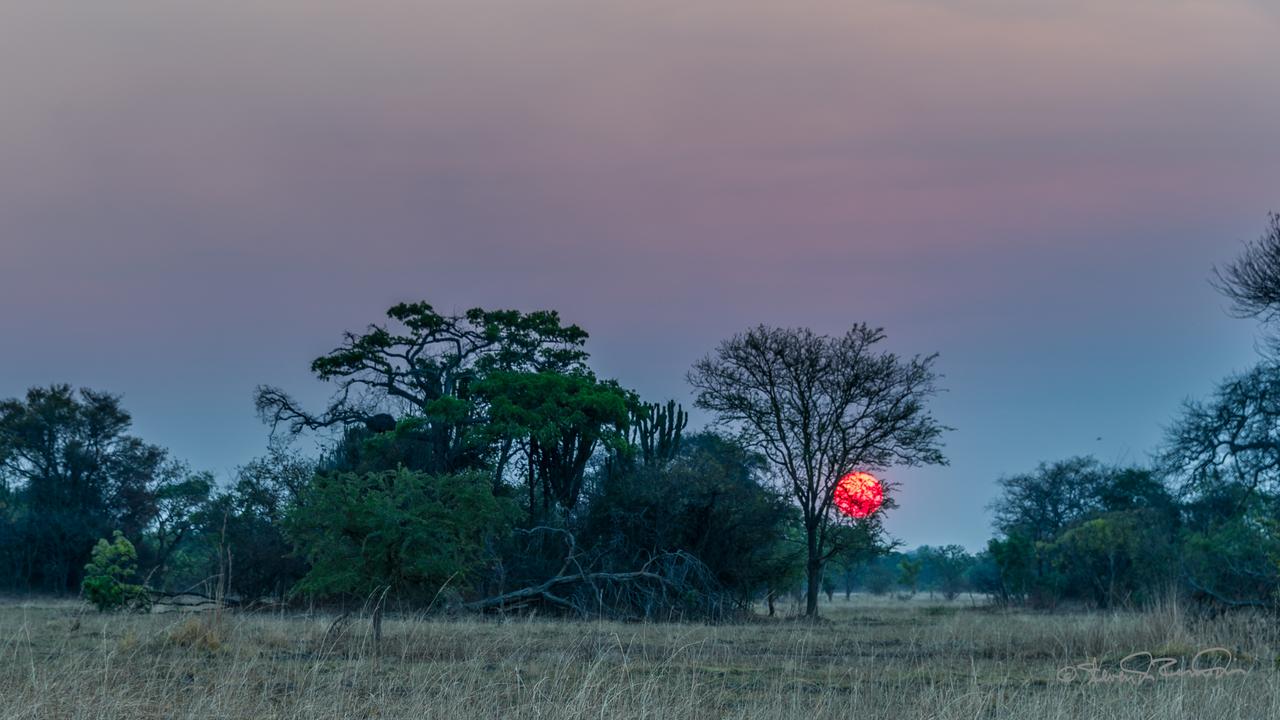
This article was automatically translated from the original Turkish version.
+2 More
Conservation Status | National Park | ||||||||
|---|---|---|---|---|---|---|---|---|---|
Area(s) | 22 400 km² | ||||||||
Important Species | Cheetah Leopard Lion Elephant Buffalo Puku Red Lechwe | ||||||||
Biodiversity | 493 bird species 199 mammal species | ||||||||
Ecosystem Types | Rocky Outcrops Scrublands Miombo and Mopane Forests Floodplains Savanna | ||||||||
Main Rivers | Lufupa Lunga Kafue | ||||||||
Location | Zambia | ||||||||
Year of Establishment | 1950 | ||||||||
Kafue National Park is a national park located in western Zambia, covering an area of 22,400 km² and recognized as the country’s largest protected area. It was officially designated as a national park in 1950. The park is divided into two main sections, north and south, and is traversed by three major rivers: Kafue, Lunga and Lufupa. The region hosts a variety of ecosystems with tropical and subtropical characteristics, featuring a distinct dry and wet seasonal cycle. Kafue provides habitat for a wide diversity of wildlife and is recognized as a protected area of both national and international biological significance.
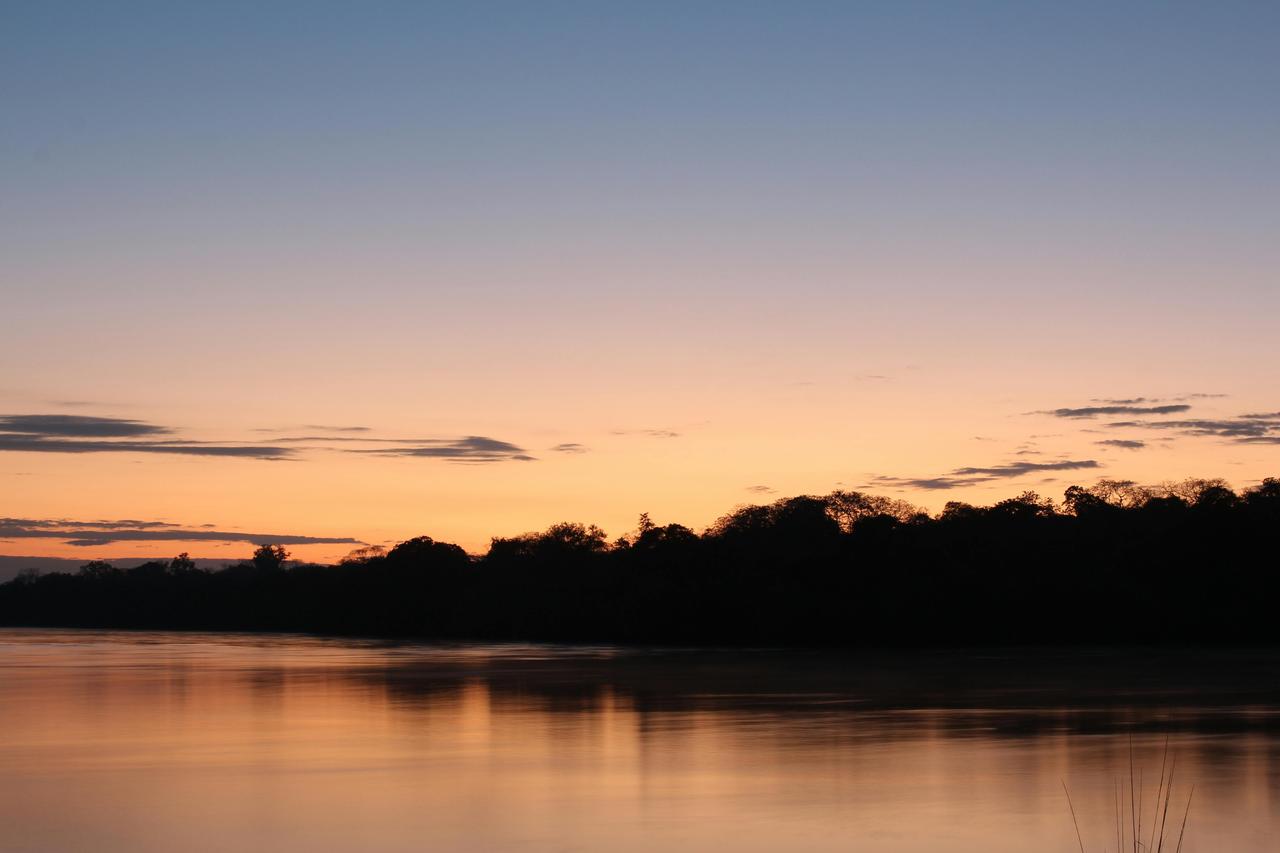
Kafue National Park (Pexels)
Kafue National Park was formally proclaimed on 20 April 1950 as Zambia’s oldest and largest national park. The establishment process began in the 1920s with the creation of the Kafue Game Reserve, aimed at controlling the decline of wildlife. However, due to inadequate infrastructure and lack of formal administration, this goal was not fully realized. In 1948, under the framework of the 1933 International Convention for the Protection of Fauna and Flora, the proposal to establish a national park was discussed, and a combined area of approximately 22,400 km² was suggested, formed by merging the Kafue Game Reserve and the Cordon Control Area. After consultations with local authorities and tribal leaders, boundaries were finalized in 1949 and the park was named after the Kafue Basin. Management was initially assigned to the Game and Tsetse Control Department, which over time was restructured and divided, leading by 1999 to the current administrative framework under the Zambia Wildlife Authority (Zambia Wildlife Authority).【1】
Before the park’s proclamation, numerous settlements existed in the region, particularly the villages of Busanga, Katinti and Katobo, along with various tribal communities located across different parts of the park. Administration negotiated the relocation of these villages while safeguarding certain rights of the local population; fishing, hunting, forestry and mining rights were granted in limited form to some tribes.【2】 After the official proclamation, most of the local population was gradually relocated outside the park, and the remaining groups had their traditional use rights restricted to specific areas. In 1972, Kafue National Park was formally reclassified, losing its status as both a national park and indigenous land, and was recognized as an independent protected area. Its administrative structure evolved over the years; beginning in 1991, it was managed through separate North and South commands, comprising 26 ranger posts and various research and surveillance units.【3】
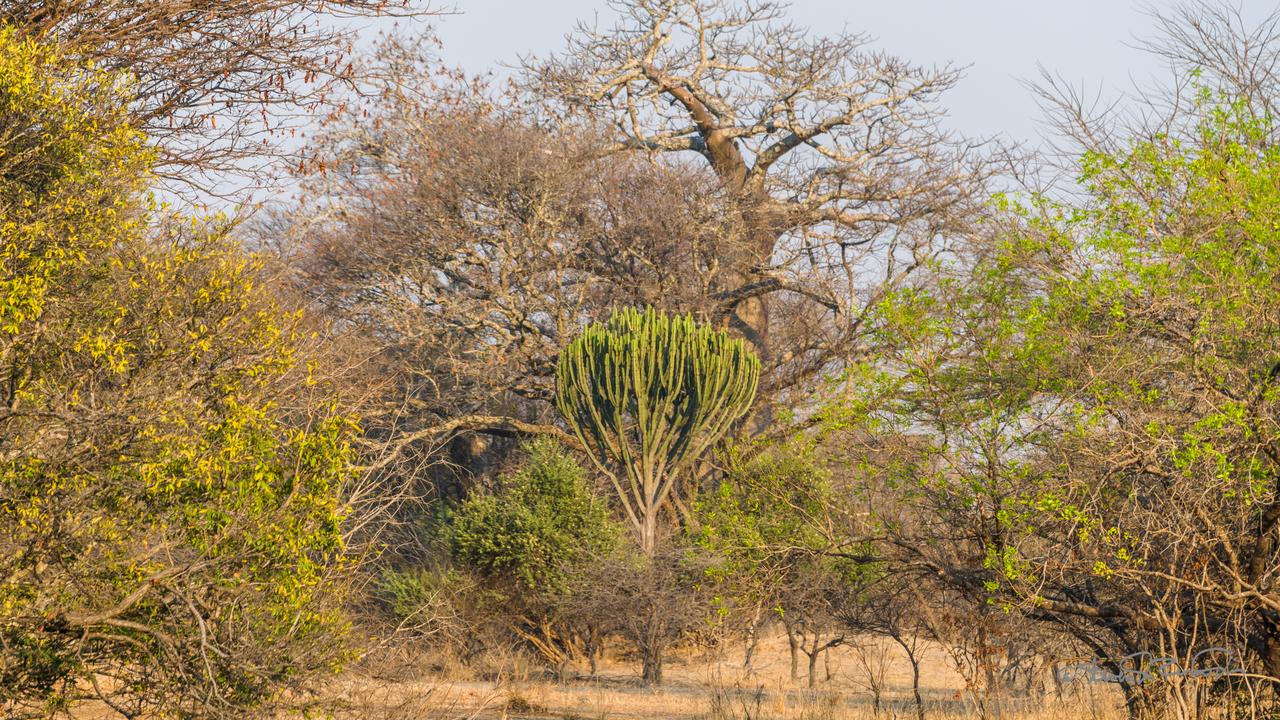
Kafue National Park Baobab Tree (Flickr)
Kafue National Park encompasses a vast ecosystem characterized by a wide variety of habitats and aquatic systems. The area forms a transitional zone between rivers, wetlands, forests and open savannas, enabling the observation of diverse ecological processes. The park’s climatic conditions and seasonal cycles shape the distribution of vegetation and animal species, contributing to the sustainable functioning of energy flows and food chains within the ecosystem. This diversity enables the conservation of biodiversity in both terrestrial and aquatic ecosystems and supports the ecological integrity of the region.
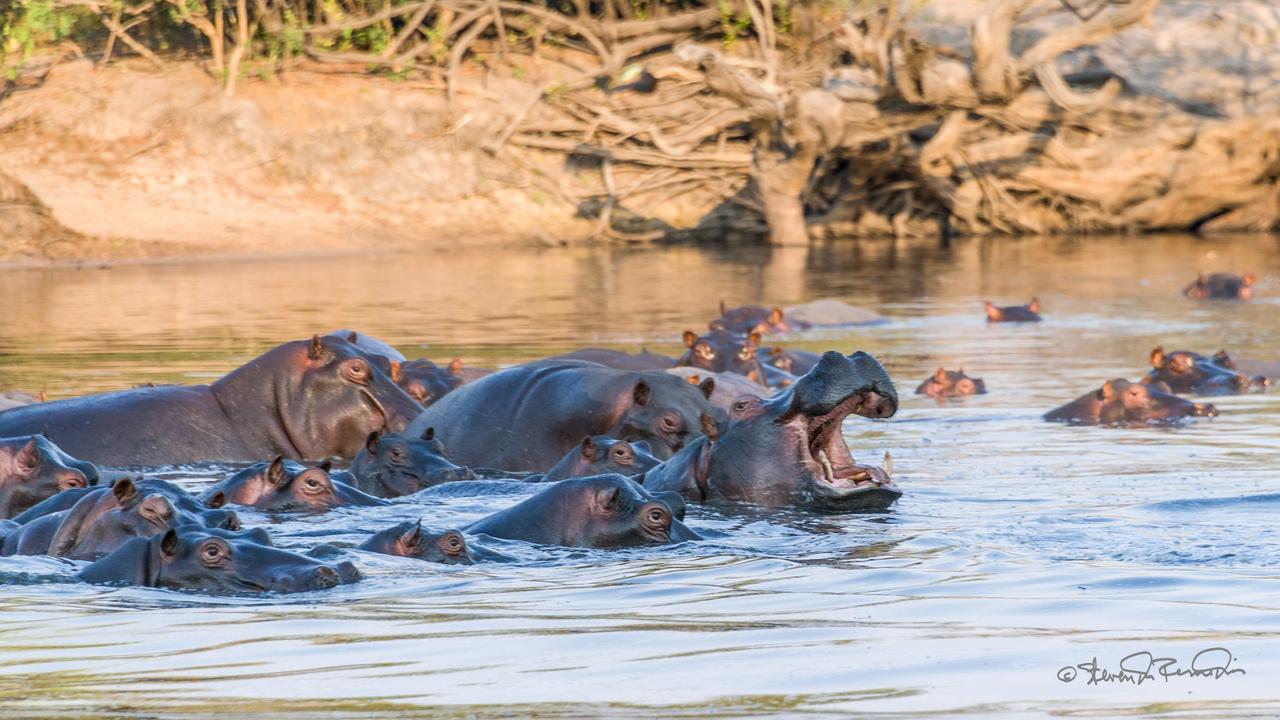
Kafue National Park Hippos (Flickr)
Kafue National Park possesses an extensive hydrological network fed by numerous water sources, primarily the Kafue, Lunga and Lufupa rivers. These rivers serve as natural corridors connecting the northern and southern sections of the park, supporting the aquatic cycle and the habitats of water-dependent species. Floodplains and wetlands formed along the rivers provide critical habitats for aquatic vegetation and numerous species including fish, reptiles and waterbirds. The park also contains seasonal lagoons and temporary water pools that contribute to species survival even during the dry season. Water systems play a central role not only for biological diversity but also in regulating plant community distribution and soil moisture.
Kafue National Park is characterized by a tropical savanna climate with a distinct wet and dry season. The wet season typically lasts from November to April, during which the majority of the park becomes densely vegetated, rivers fill their floodplains and wetlands expand. The dry season occurs between May and October, during which rivers and lagoons shrink and some waterways dry up completely, while vegetation turns brown. The hottest month is usually October, with average maximum temperatures ranging between 31 °C and 35 °C, and average minimum temperatures between 15 °C and 18 °C.【4】
This cycle between dry and wet seasons governs the dynamics of the park’s ecosystem and shapes the feeding, breeding and migratory behaviors of species. Climatic variability, particularly annual fluctuations in temperature and rainfall, influences the distribution of plant species and the adaptive strategies of both aquatic and terrestrial species. Seasonal cycles regulate energy flow and food chains within the ecosystem, while wetlands and floodplains create microhabitats that sustain life during the dry season.
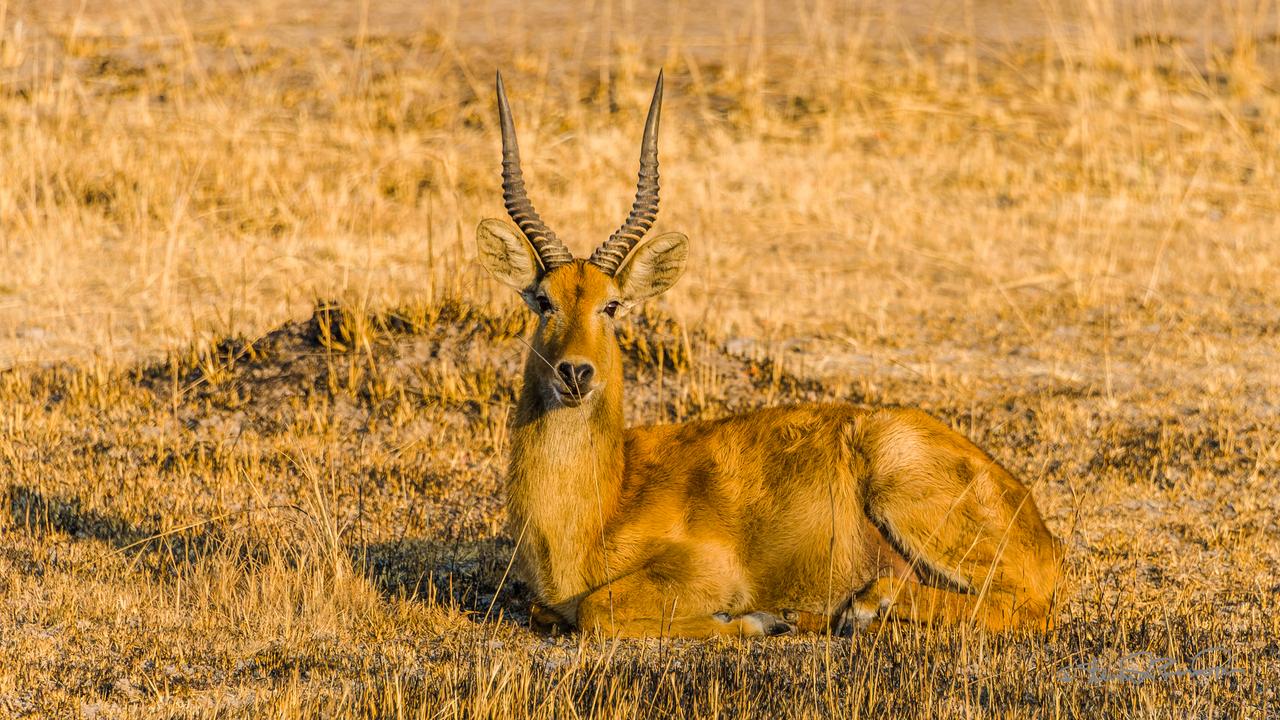
Kafue National Park Roan Antelope (Flickr)
Kafue National Park possesses a rich and complex biodiversity, with a wide variety of species observed across terrestrial and aquatic ecosystems. The park has recorded 199 mammal species and 493 bird species.【5】 This diversity includes 21 different antelope species, representing the highest antelope diversity in African savannas, and 401 red lechwe unique to the Kafue Flats. Large mammals such as elephant, buffalo, puku, sable and hartebeest are widespread across different regions of the park; elephant populations are part of a corridor within the Kavango-Zambezi Transfrontier Conservation Area, which holds half of Africa’s savanna elephants.【6】 Predatory species such as lion, leopard, cheetah, hyena and Cape wild dogs also inhabit the park. This faunal diversity is evenly distributed across habitats such as savannas, miombo forests, mopane forests and floodplains.
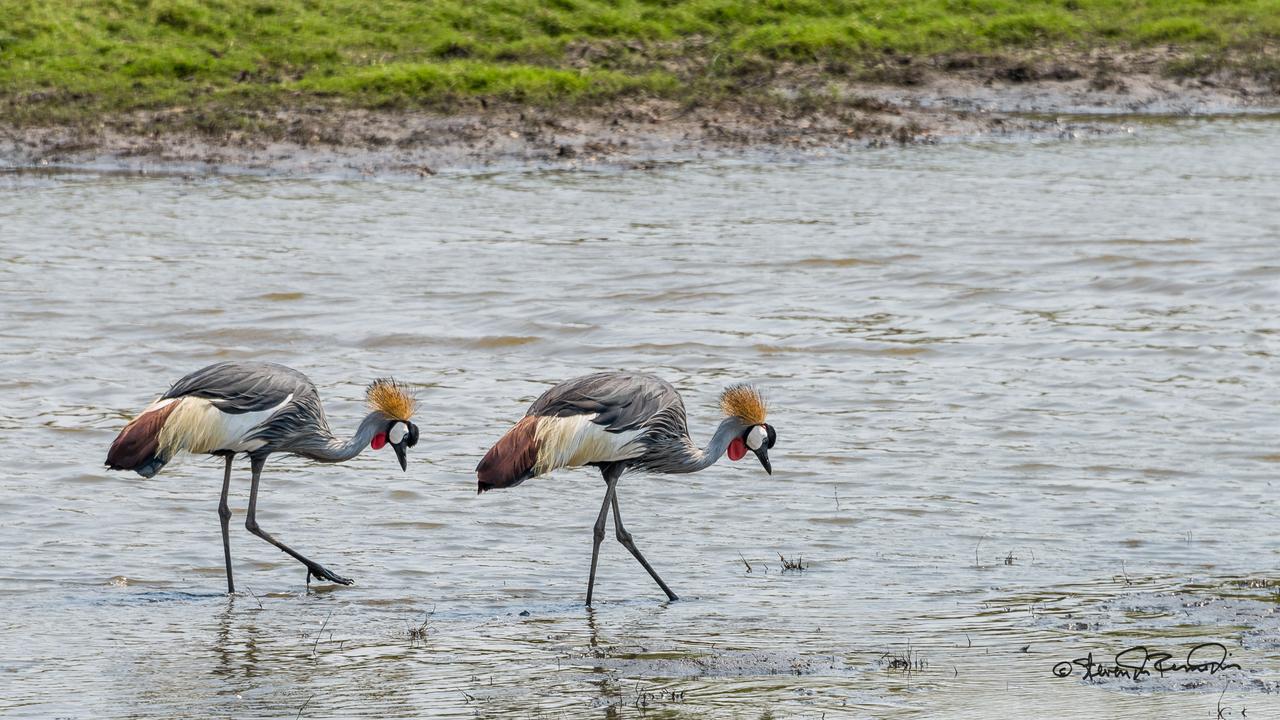
Kafue National Park Large-crowned Cranes (Flickr)
Aquatic ecosystems also form a vital component of biodiversity. The Kafue River and its tributaries, the Lunga and Lufupa, along with the wetlands and floodplains they create, provide critical habitats for aquatic species. These areas host water-dependent species such as crocodile, hippopotamus and waterbirds. Seasonal flooding nourishes aquatic vegetation, while remaining lagoons during the dry season serve as life-sustaining microhabitats. This diversity contributes to the sustainability of food chains and energy flows within the ecosystem; the interaction between terrestrial and aquatic habitats supports both ecological integrity and interspecies balance.
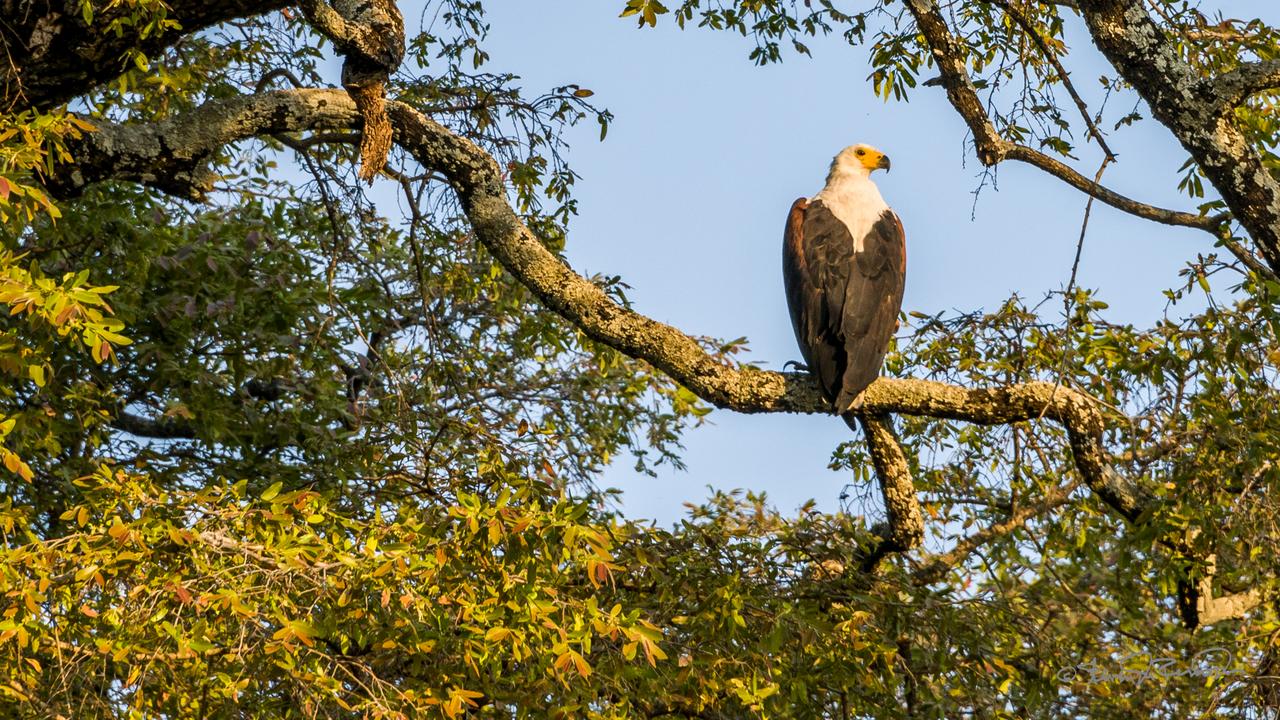
Kafue National Park Fish Eagle (Flickr)
Kafue National Park is a vast conservation area encompassing a wide range of natural landscapes. Different regions of the park feature savannas, floodplains, forested areas and rocky terrain, providing suitable habitats for diverse plant and animal species. Rivers and wetlands create environments that meet the needs of both aquatic and terrestrial species, while terrestrial areas offer feeding and shelter grounds for grazing animals and predators. The ecological transition zones within the park connect different habitats, supporting species adaptation and ecosystem sustainability. This structure positions Kafue as a strategically important area for ecological diversity and natural balance.
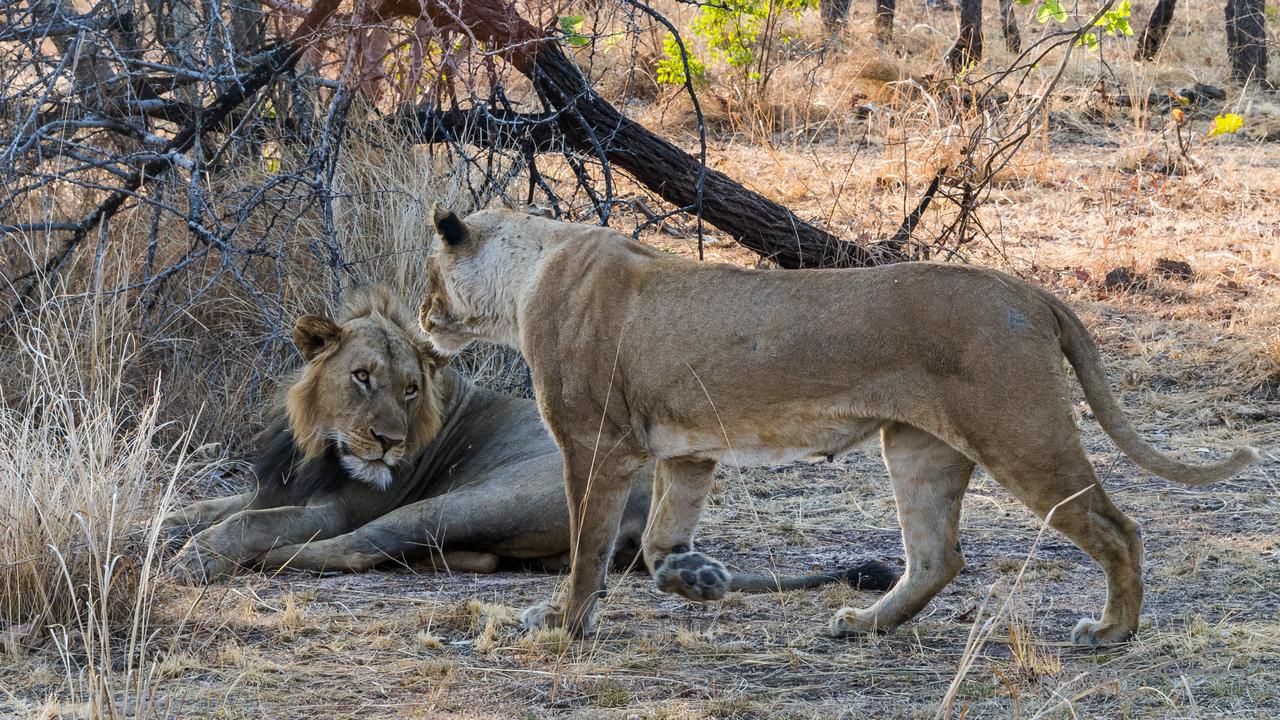
Kafue National Park Lions (Flickr)
Kafue National Park has a complex structure integrating multiple ecosystems, which are clearly divided into distinct habitat classes. The majority of the park is covered by savanna areas characterized by grasslands and mopane trees. These areas provide extensive grazing grounds for red lechwe, puku and other antelope species. Savanna habitats are nourished by seasonal flooding, supporting food chains and ecosystem dynamics; during the dry season, they contain lagoons and floodplains that serve as critical watering and drinking points for animals. In addition, the northern and southern regions of the park feature miombo forests, shrublands and karstic rocky outcrops. These habitats provide both hunting and shelter grounds for large predators such as lions, leopards, cheetahs and hyenas.
The park’s wetlands and river systems constitute another distinct habitat class. Floodplains and temporary lagoons formed along the Kafue, Lunga and Lufupa rivers host aquatic vegetation and serve as critical habitats for fish, reptiles and waterbirds. These areas create microhabitats that support species survival, especially during the dry season. Riverbank floodplains and wetlands regulate energy flow within the ecosystem and provide a vital link between terrestrial and aquatic habitats. This diversity enables both terrestrial and aquatic species to coexist and sustains biological diversity.
Kafue National Park has faced various pressures from human activities over many years. Local communities living around the park have historically engaged in fishing, hunting, forestry and small-scale mining, which have affected species distribution and population densities in certain habitats. Settlements and agricultural activities in the northern and southern sections of the park have restricted ecosystem functioning in floodplains and wetlands, leading to habitat fragmentation. Additionally, poaching and illegal wildlife trade pose serious threats to both large mammals and rare bird species.
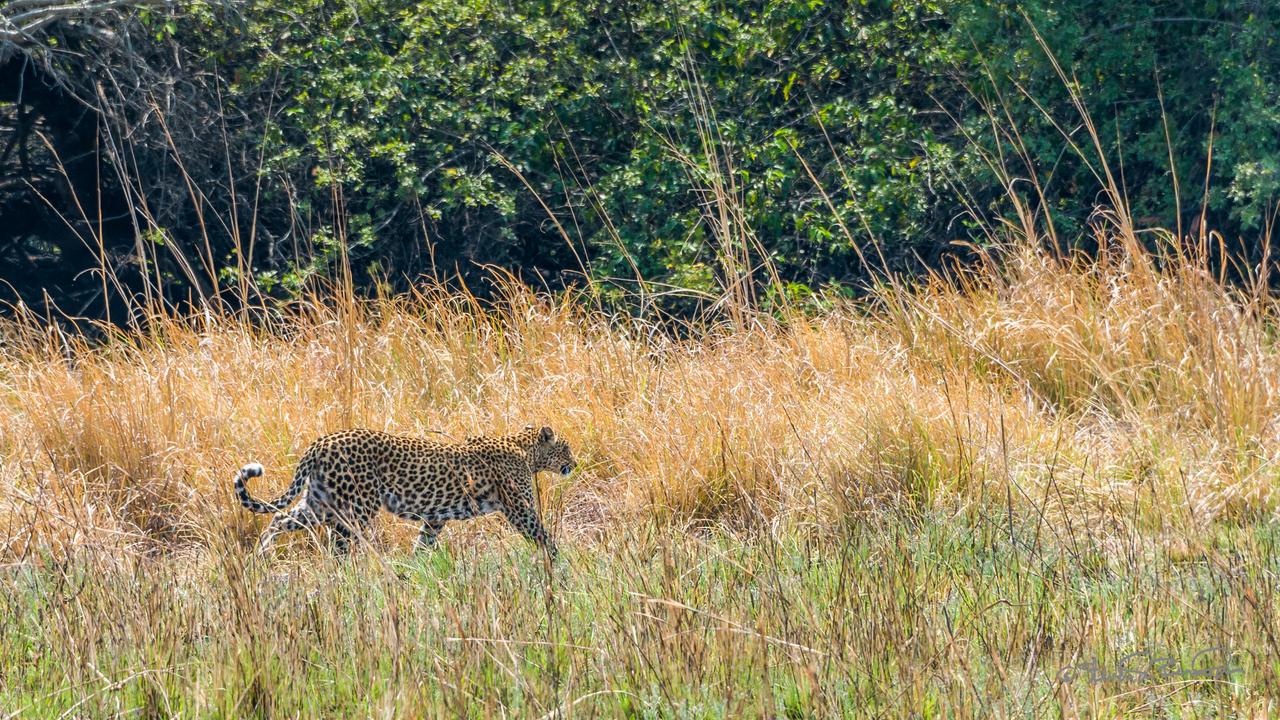
Kafue National Park Leopard (Flickr)
Human-induced pressures, combined with climatic variability and natural fluctuations in water regimes, create additional stress factors for vulnerable species in the ecosystem. Conflicts between predators and human settlements have occurred in some areas, particularly restricting the movement of species such as lions, leopards and cheetahs. Increasing tourism activities, especially in unregulated or inadequately equipped zones, can lead to noise pollution and habitat degradation; however, these impacts can be mitigated through controlled tourism and sustainable use practices. These factors necessitate careful management of Kafue National Park to ensure the conservation of its biological diversity and the sustainability of its ecosystem integrity.
The management of Kafue National Park is carried out under a partnership between the Zambian Government and African Parks. This collaboration has been institutionalized through a long-term agreement, with park management now conducted through Greater Kafue Landscape Limited. Under the 2025–2035 General Management Plan, the park has been divided into six distinct management zones to balance tourism, conservation, research and community use. The management model is based on a multi-stakeholder structure involving participation from public institutions, local communities, civil society organizations and private sector representatives. This framework envisions the inclusion of 15 traditional governance units around the park and over 220,000 residents living in surrounding areas.【7】
Conservation strategies encompass measures aimed at maintaining ecosystem integrity and preserving biodiversity. Specific actions have been identified to address key threats such as habitat degradation, human-wildlife conflict and illegal wildlife trade. Under the Strategic Investment Management Action Plan, an initial budget of $24.1 million USD has been allocated to implement priority interventions in the short term.【8】 In addition, initiatives such as infrastructure development, strengthening conservation activities, educational programs and increased employment opportunities aim to protect the ecosystem while integrating local communities into the process. This approach seeks to ensure the long-term sustainability of the park by balancing conservation and use.
Kafue National Park holds cultural significance for the local communities and traditional governance structures surrounding it. Traditional leadership systems in the region view the area not merely as a natural conservation zone but as an integral part of their identity and cultural heritage. In this context, traditional leaders actively participate in conservation processes and assume roles in managing natural resource use. The relationship between the park and surrounding settlements is directly linked to the local communities’ livelihood practices, economic activities and social structures. In this way, Kafue National Park possesses not only a function of natural conservation but also the character of a cultural area connected to societal structures.
African Parks. “Kafue National Park.” African Parks. Accessed March 29, 2026. https://www.africanparks.org/the-parks/kafue
DosRemedios, Steven. “Candelabra Tree.” Flickr. Accessed March 29, 2026. https://www.flickr.com/photos/sdosremedios/22782858030/
DosRemedios, Steven. “Fish Eagle.” Flickr. Accessed March 29, 2026. https://www.flickr.com/photos/sdosremedios/22578895239/
DosRemedios, Steven. “Great Crowned Crane.” Flickr. Accessed March 29, 2026. https://www.flickr.com/photos/sdosremedios/52040952441/
DosRemedios, Steven. “Hippos.” Flickr. Accessed March 29, 2026. https://www.flickr.com/photos/sdosremedios/22578873909/
DosRemedios, Steven. “Hyena.” Flickr. Accessed March 29, 2026. https://www.flickr.com/photos/sdosremedios/22578747909/
DosRemedios, Steven. “Leopard.” Flickr. Accessed March 29, 2026. https://www.flickr.com/photos/sdosremedios/22552888658/
DosRemedios, Steven. “Lion Love.” Flickr. Accessed March 29, 2026. https://www.flickr.com/photos/sdosremedios/22970844545/
DosRemedios, Steven. “Roan Antelope.” Flickr. Accessed March 29, 2026. https://www.flickr.com/photos/sdosremedios/22970903095/
DosRemedios, Steven. “Sunset.” Flickr. Accessed March 29, 2026. https://www.flickr.com/photos/sdosremedios/22349921343/
Global Alliance of National Parks. “Kafue National Park.” National Parks. Accessed March 29, 2026. https://national-parks.org/zambia/kafue/
Midlane, N., M. J. O’Riain, G. A. Balme, H. S. Robinson, and L. T. B. Hunter. “On Tracks: A Spoor-Based Occupancy Survey of Lion Panthera leo Distribution in Kafue National Park, Zambia.” Biological Conservation 172 (2014): 101–108. Accessed March 29, 2026. https://www.sciencedirect.com/science/article/pii/S0006320714000585
Ministry of Tourism Zambia. “Ministry of Tourism Launches Kafue National Park General Management Plan 2025–2035: A New Era for Conservation and Sustainable Tourism.” Ministry of Tourism (Lusaka, Zambia). June 5, 2025. Accessed March 29, 2026. https://www.mot.gov.zm/?p=4370
Mwima, H.K. “A Brief History of Kafue National Park, Zambia.” *Koedoe* 44, no. 1 (2001): 57–72. Accessed March 29, 2026. https://koedoe.co.za/index.php/koedoe/article/view/186
Schaeuffele, Benjamin Olivier. “Kafue Estate, Lusaka Province, Zambia.” Pexels. Accessed March 29, 2026. https://www.pexels.com/tr-tr/fotograf/peyzaj-manzara-gun-batimi-orman-23331253/
Squarre, David, Kyoko Hayashida, Alex Gaithuma, Herman Chambaro, Naoko Kawai, Ladslav Moonga, Boniface Namangala, Chihiro Sugimoto, and Junya Yamagishi. “Diversity of Trypanosomes in Wildlife of the Kafue Ecosystem, Zambia.” *International Journal for Parasitology: Parasites and Wildlife* 12 (2020): 34–41. Accessed March 29, 2026. https://www.sciencedirect.com/science/article/pii/S2213224420300365
[1]
H. K. Mwima, “A Brief History of Kafue National Park, Zambia,” Koedoe 44, no. 1 (2001): 57-60, Last Accessed: 29 March 2026, https://koedoe.co.za/index.php/koedoe/article/view/186
[2]
A.e., p. 60-61
[3]
A.e., p. 67-68
[4]
A.e., p. 57
[5]
Ministry of Tourism Zambia, “Ministry of Tourism Launches Kafue National Park General Management Plan 2025–2035: A New Era for Conservation and Sustainable Tourism,” Ministry of Tourism (Lusaka, Zambia), 5 June 2025, Last Accessed: 29 March 2026, https://www.mot.gov.zm/?p=4370
[6]
African Parks, “Kafue National Park,” African Parks, Last Accessed: 29 March 2026, https://www.africanparks.org/the-parks/kafue
[7]
Ministry of Tourism Zambia, “Ministry of Tourism Launches Kafue National Park General Management Plan 2025–2035: A New Era for Conservation and Sustainable Tourism,” Ministry of Tourism (Lusaka, Zambia), 5 June 2025, Last Accessed: 29 March 2026, https://www.mot.gov.zm/?p=4370
[8]
A.e.,

Conservation Status | National Park | ||||||||
|---|---|---|---|---|---|---|---|---|---|
Area(s) | 22 400 km² | ||||||||
Important Species | Cheetah Leopard Lion Elephant Buffalo Puku Red Lechwe | ||||||||
Biodiversity | 493 bird species 199 mammal species | ||||||||
Ecosystem Types | Rocky Outcrops Scrublands Miombo and Mopane Forests Floodplains Savanna | ||||||||
Main Rivers | Lufupa Lunga Kafue | ||||||||
Location | Zambia | ||||||||
Year of Establishment | 1950 | ||||||||
No Discussion Added Yet
Start discussion for "Kafue National Park" article
History
Ecosystem
Rivers and Aquatic Systems
Seasonal Cycles and Climatic Features
Biodiversity in the Ecosystem
Habitats
Habitat Classes
Human Impacts and Threats
Management and Conservation Strategies
Cultural Significance