


This article was automatically translated from the original Turkish version.
Hydrometeorological disasters are natural events that result from the interaction between the water cycle and atmospheric processes, significantly disrupting societal socioeconomic and sociocultural activities, causing loss of life and property, and exceeding the capacity of local resources to manage. All natural disasters directly or indirectly linked to meteorological conditions are classified as hydrometeorological disasters.
Common hydrometeorological disasters include:
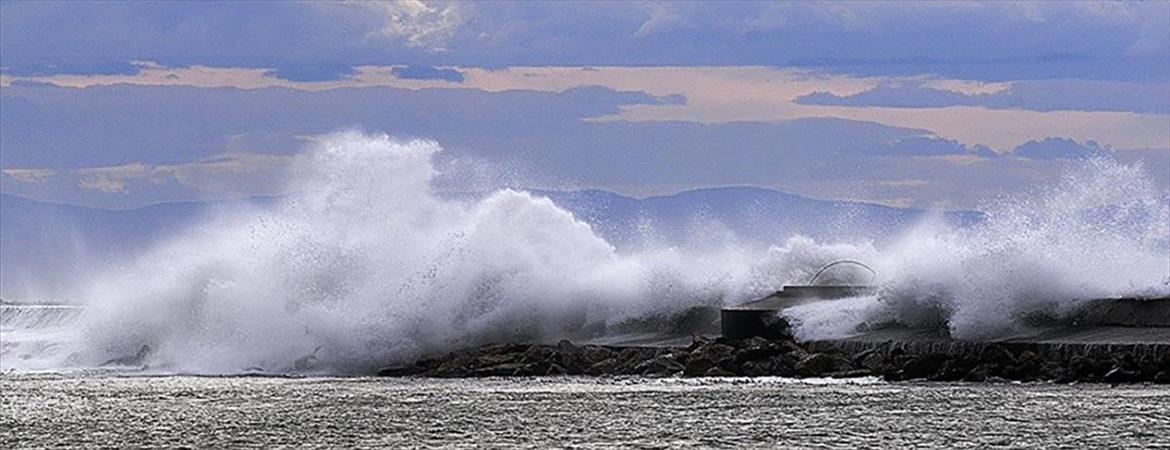
Hydrometeorological disaster: (Anadolu Ajansı)
Hydrometeorological disasters cause significant loss of life and property and disrupt socioeconomic activities. The increasing frequency of these events cannot be explained by climate change alone; human-induced factors also amplify their impacts. Floods storms hail heavy snow drought and forest fires occur frequently and lead to severe losses.
These factors intensify the impacts of hydrometeorological disasters that originate from natural processes and increase societal risk.
Global climate change affects the frequency intensity and scale of hydrometeorological disasters. Increased atmospheric water vapor can alter precipitation patterns and lead to more extreme weather events. The likelihood and impacts of droughts excessive rainfall storms and tornadoes are being reshaped as a consequence of climate change.
To reduce the negative impacts of hydrometeorological disasters disaster management and early warning systems are developed. Meteorological observations numerical weather forecast models and alert mechanisms are the primary tools used to predict disasters reduce risks and implement necessary measures. Institutions such as the General Directorate of Meteorology contribute to the risk reduction chain by sharing forecast and early warning information with the public and relevant organizations.
Anadolu Ajansı. "Hidrometeorolojik Afetler." Yeşil Sözlük. Accessed December 12, 2025.https://www.aa.com.tr/tr/yesilhat/yesil-sozluk/hidrometeorolojik-afetler/1818186
Kadıoğlu, Mikdat. "İklim Değişikliği, Hidrometeorolojik Afetler ve Afet Yönetimi." İstanbul Teknik Üniversitesi, Accessed December 12, 2025.https://www.tuba.gov.tr/files/yayinlar/raporlar/TUBA-978-625-8352-56-6_ch04.pdf
Meteorology General Directorate. "Erken Uyarı ile Geleceği Güvence Altına Almak" METAFET 2025 Sunumu, Accessed December 12, 2025.https://www.mgm.gov.tr/FILES/genel/sunular/metafet2025.pdf

No Discussion Added Yet
Start discussion for "Hydro-meteorological Disasters" article
Main Types of Hydrometeorological Disasters
Frequency and Impacts of Hydrometeorological Disasters
Factors Amplifying Disaster Impacts
Relationship with Climate Change
Disaster Management and Early Warning Systems