

`meteorology` Related Article Results
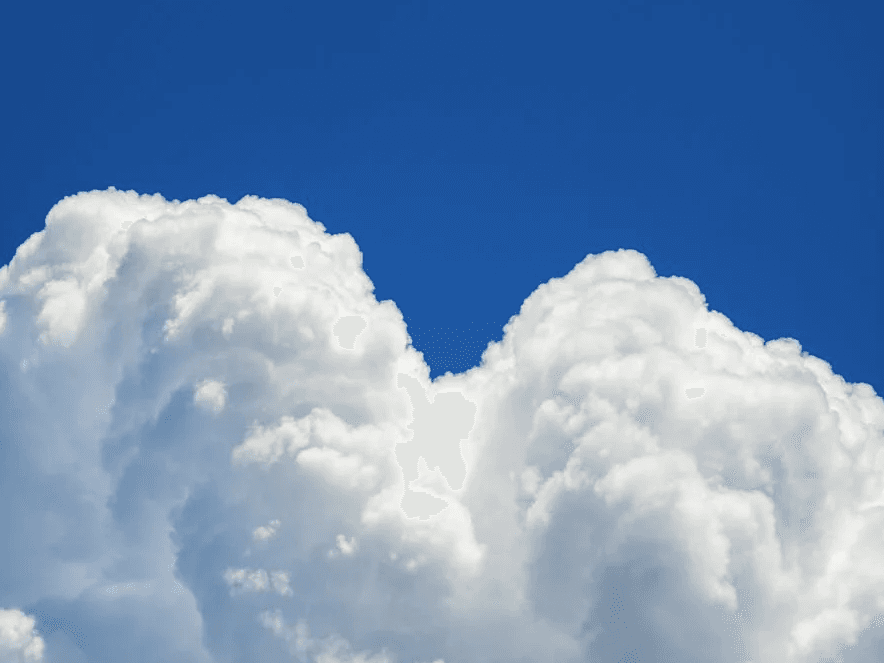
Cloud Types
Clouds are a natural atmospheric phenomenon that occurs when water vapor in the atmosphere undergoes specific physical and thermodynamic processes to transform into liquid water droplets or ice crystals. This natural event is one of the fundamental components of the water cycle and is directly related to vertical air movements, temperature changes, and the presence of microscopic particles. Cloud formation is not a single-stage process but results from the simultaneous or sequential interaction
EN
Sümeyra Uzun
Meteorology
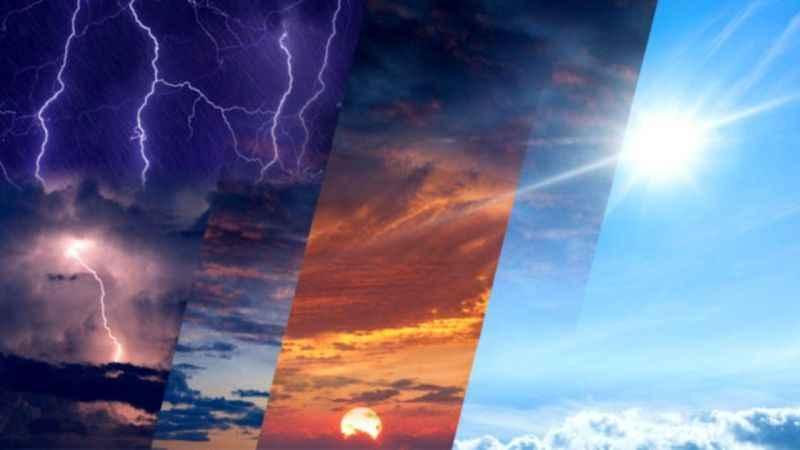
Meteorology is the scientific study of atmospheric phenomena. Derived from the Greek word "meteorologia," it means the study of celestial phenomena. This science encompasses a much broader field than just daily weather forecasting, including climate change, global warming, storms, wind patterns, and precipitation systems. Meteorology investigates the physical and chemical properties of the atmosphere, makes predictions about the future based on past data, and seeks to understand the scientific b
EN
Gülsüm Yıldırım
What Is Jet Stream?
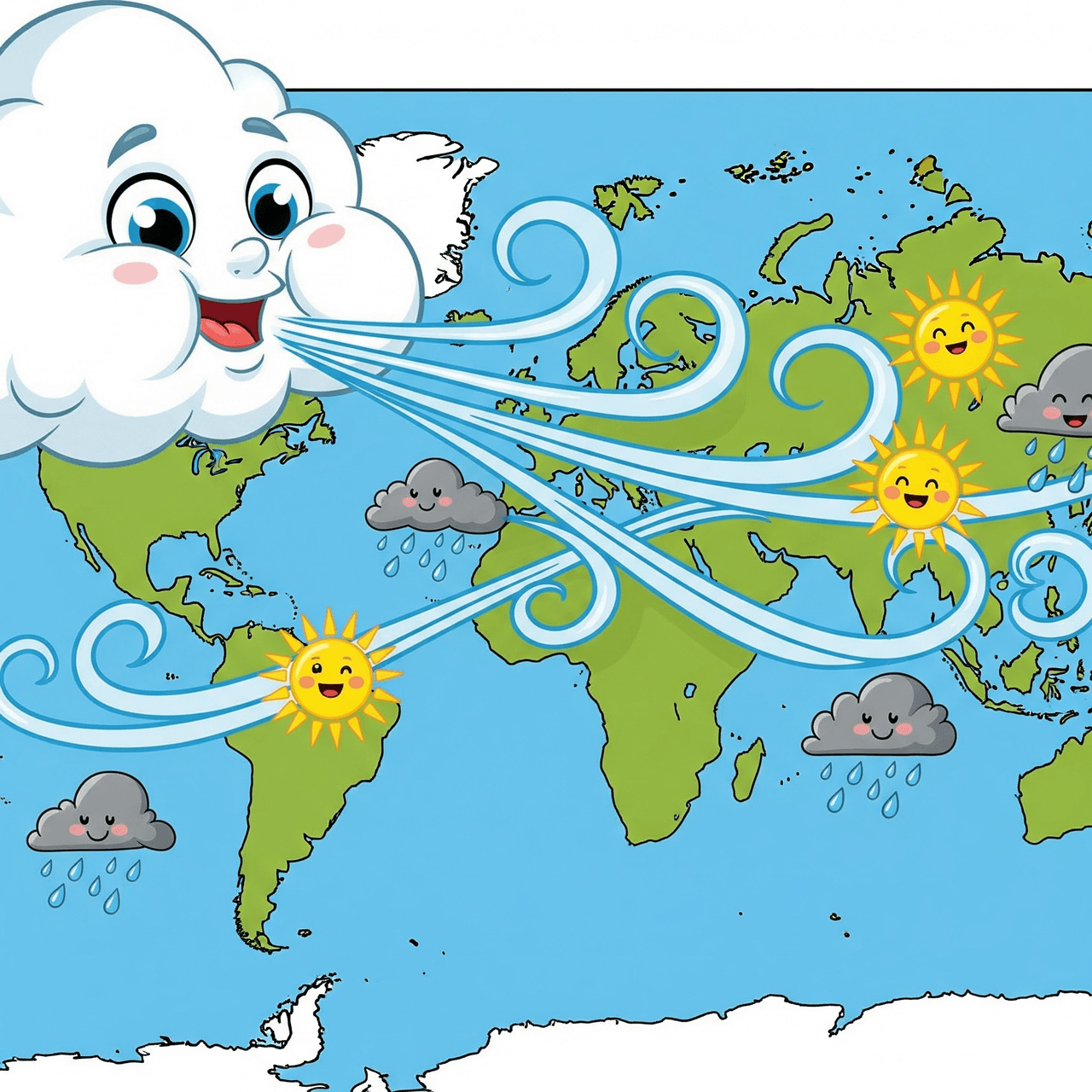
Jet stream is the term used for very fast air currents that flow at high altitudes, even above the regions where airplanes fly. These winds generally blow from west to east and can be thought of as long, narrow rivers of air encircling the Earth. Where Do They Form? Jet streams form in the upper part of the troposphere, the lowest layer of the atmosphere, at altitudes of approximately 10 to 15 kilometers. They are typically found in the mid-latitudes of both the Northern and Southern Hemispheres
EN
Rüya Dumlu
What is the Mesosphere?
The upper layer of the atmosphere! The mesosphere is one of Earth’s atmospheric layers. It lies above the troposphere and stratosphere and encompasses the region before the thermosphere. Where Does It Begin and How Far Does It Extend? The mesosphere begins at approximately 50 kilometers in altitude and extends up to 85–90 kilometers. This layer is a high-altitude region of the atmosphere that is relatively thin and cool. What Happens in the Mesosphere? -Polar Mesospheric Clouds (Noctilucent Clou
EN
İbrahim Filiz
Fog
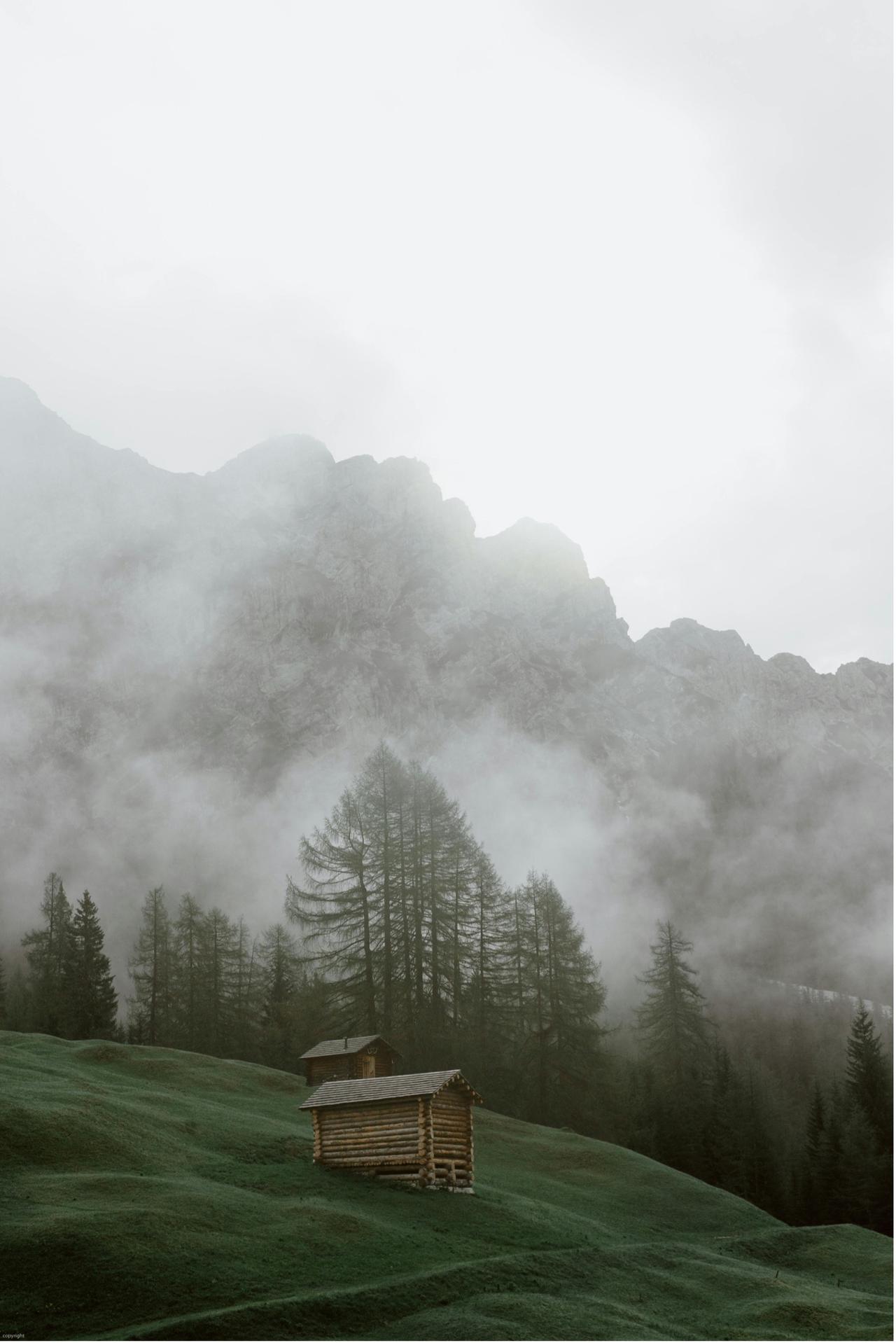
Fog is a meteorological phenomenon that occurs when water vapor in the air near the Earth’s surface condenses into suspended tiny water droplets or ice crystals due to the air layer reaching its dew point temperature or gaining additional moisture through evaporation. Lakra and Avishek define fog as an atmospheric boundary layer phenomenon. Fog forms when water vapor near the Earth’s surface condenses into suspended water droplets or ice crystals. This phenomenon, which reduces horizontal visibi
EN
Melike Erol
 Sm
SmSmall-Scale Cyclical Systems
Small-scale cyclical systems are meteorological phenomena that describe local and regional atmospheric movements. These systems are structures characterized by specific patterns of air circulation, typically occurring over areas several kilometers in diameter. The formation of small-scale cyclical systems is shaped by the interaction of factors such as temperature differences surface characteristics terrain morphology and local wind patterns. These systems are generally short-lived and highly de
EN
Ahmet Burak Taner
AiAir Radar
Air radar is a system that detects, monitors, and analyzes objects in the atmosphere, precipitation systems, wind movements, and other meteorological phenomena using electromagnetic waves. Air radars are widely used in meteorology, aviation, and military fields. Fundamentally, an air radar consists of the following components: 1. Radar Antenna: Emits electromagnetic waves and collects signals reflected from objects in the atmosphere. 2. Transmitter: Generates high-frequency radio waves and broad
ENBeyza Nur Türkü
Hydro-meteorological Disasters
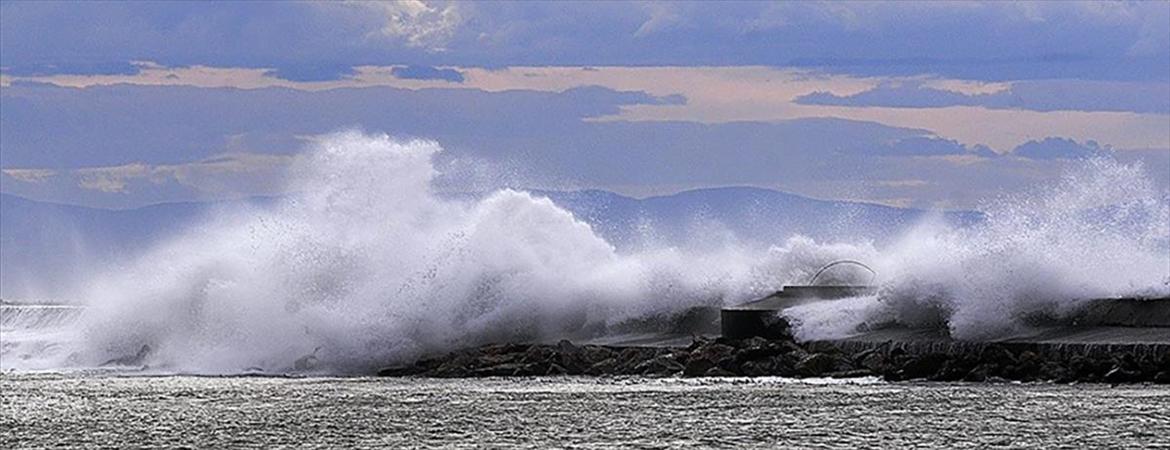
Hydrometeorological disasters are natural events that result from the interaction between the water cycle and atmospheric processes, significantly disrupting societal socioeconomic and sociocultural activities, causing loss of life and property, and exceeding the capacity of local resources to manage. All natural disasters directly or indirectly linked to meteorological conditions are classified as hydrometeorological disasters. Main Types of Hydrometeorological Disasters Common hydrometeorologi
ENRabia Dalkıran
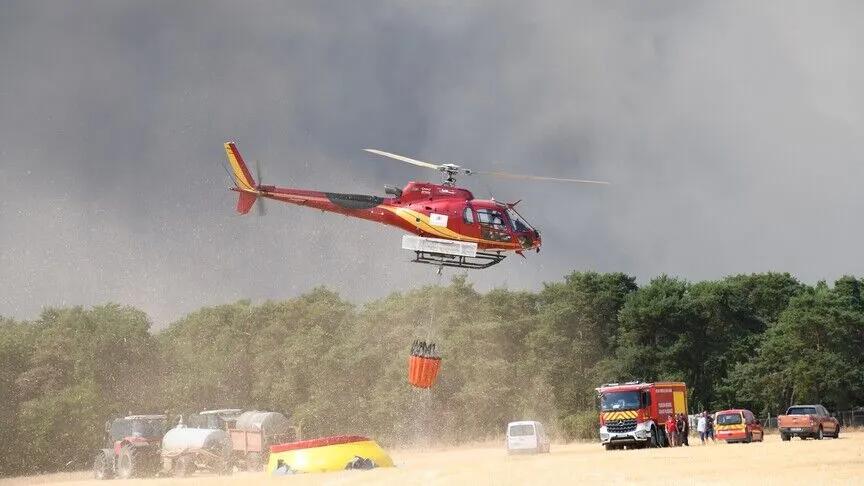
France Forest Fires (July 2026)
The Fontainebleau Forest fire began on 12 July 2026 in the Fontainebleau Forest, located approximately 60 kilometers southeast of Paris in the Seine-et-Marne department of France. Rapidly spreading over a large area, the fire escalated into a major forest fire that proved difficult to control due to high temperatures, low humidity, and strong winds. The Fontainebleau Forest, from which the fire originated, is considered one of France’s most important natural areas, renowned for its biodiversity,
EN
Zeynep Gül
TuTurbulence
Turbulence is a meteorological phenomenon caused by the irregular, sudden, and unpredictable movement of air currents in the atmosphere. In aviation terminology it is also referred to as atmospheric turbulence. Turbulence occurs when air masses undergo abrupt changes in direction and speed, creating complex motions in vertical or horizontal planes. These movements can disrupt aircraft stability during flight, leading to shaking, sudden altitude changes, or control difficulties. Turbulence is con
EN
Sümeyra Uzun