


This article was automatically translated from the original Turkish version.
Computers are regarded as one of the most critical inventions forming the foundation of modern technology. The historical development, spanning from mechanical calculation machines to artificial intelligence-supported systems, has led the advancement of information technologies.
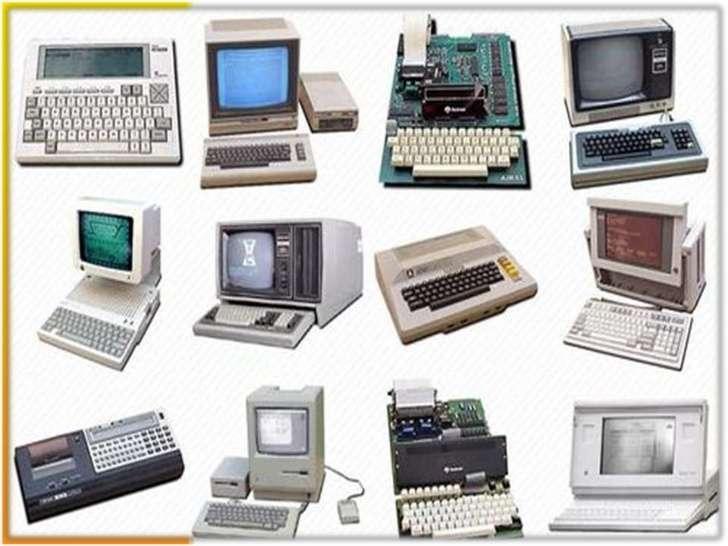
From past to present computer-Bilgeyik
The foundations of the computer concept date back to mechanical calculating machines developed in the 17th century. Blaise Pascal (1642) invented the Pascaline, a machine capable of performing addition and subtraction. Gottfried Wilhelm Leibniz (1672) designed a more advanced mechanical calculator that also included multiplication and division. These machines are considered the first steps toward automated computation.

Pascaline - Seolog
In the 19th century, Charles Babbage designed the Analytical Machine, regarded as the precursor to modern computers. This system, programmable using punched cards, could perform arithmetic operations. Ada Lovelace laid the first foundations of computer programming by developing algorithms for Babbage’s design. However, due to the engineering limitations of the era, this machine was never fully constructed.
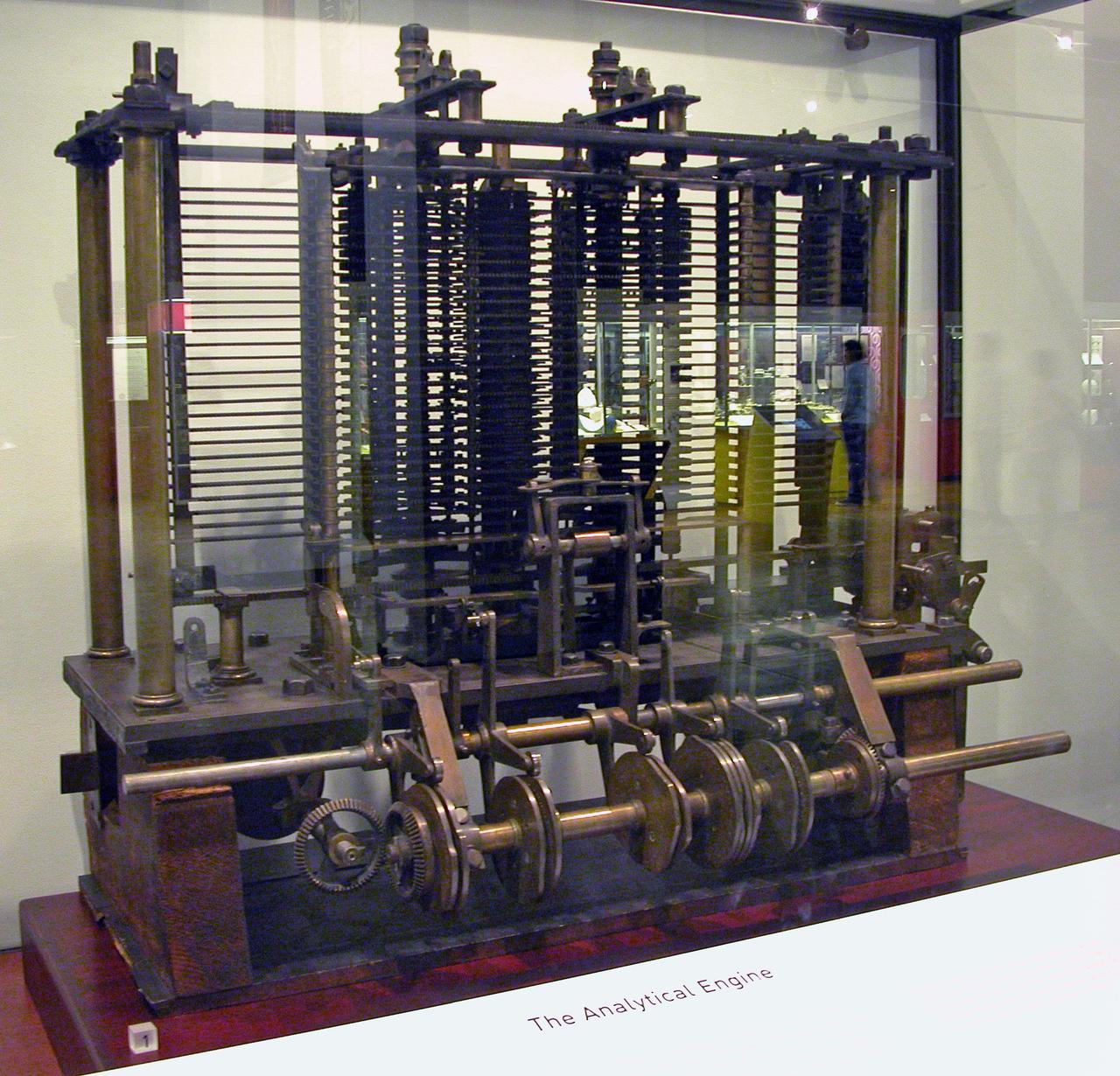
Analytical Machine - Wikipedia
In the mid-20th century, the development of electronic circuits marked the beginning of the digital computer era. ENIAC (1946) is recognized as the first fully electronic digital computer. This dev system, containing 18,000 vacuum tubes, had the capacity to perform 5,000 operations per second. ENIAC represents a significant milestone on the path to modern computer architecture.

ENIAC -
In the 1950s, the development of transistors enabled computers to become smaller and more energy-efficient. In the 1960s, integrated circuits created a revolution in hardware by integrating multiple transistors onto a single chip. These advancements made computers more compact, faster, and accessible.
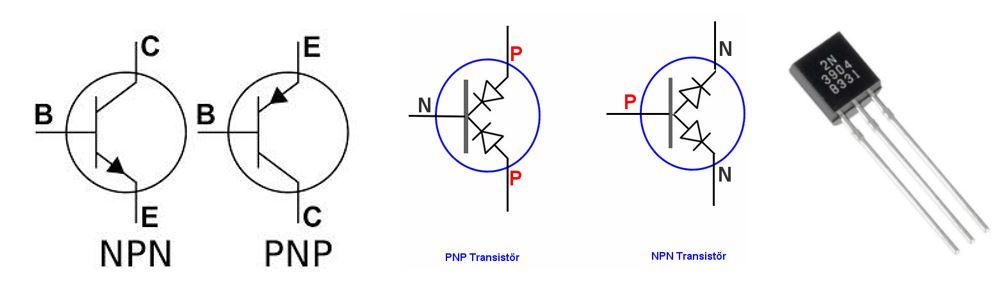
What is a Transistor? NPN and PNP Transistors - Ahmet Candemir Eğitim Portalı
In the mid-1970s, the invention of microprocessors paved the way for the birth of personal computers (PCs). Altair 8800 (1975) gained attention as the first personal computer sold as a kit. The Apple II (1977) and IBM PC (1981) models helped popularize computers among home users. During this period, the software industry also experienced rapid growth.
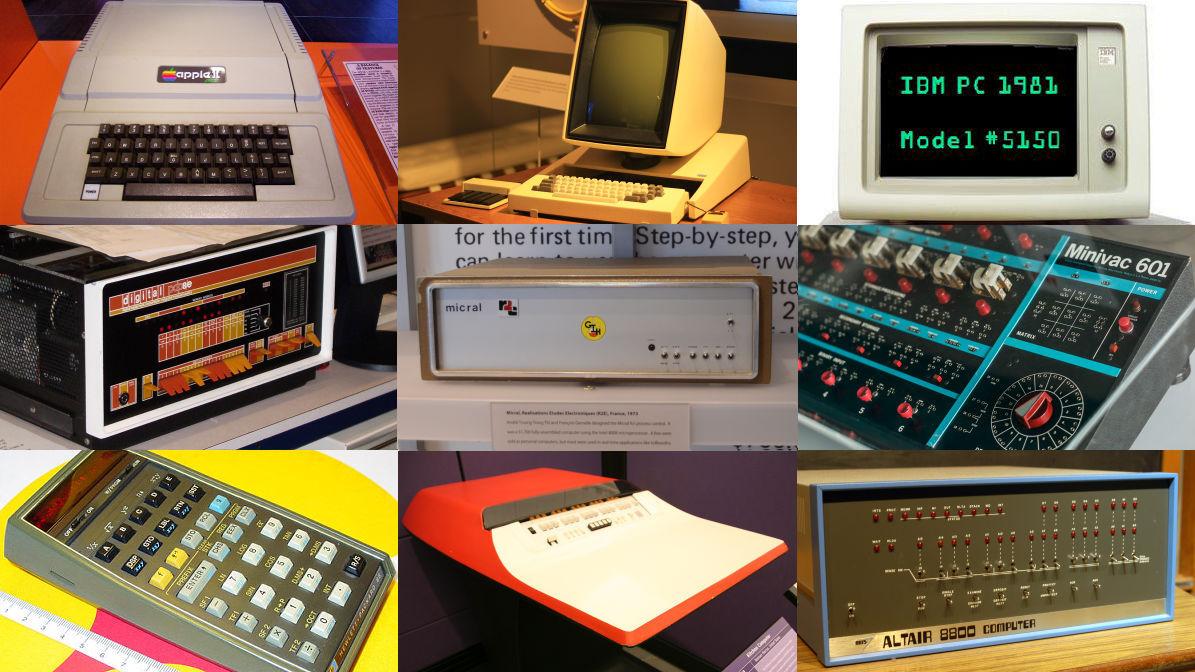
What is the world's first PC among the "Apple II" and "IBM 5100" machines? - GIGAZINE
In the early 1990s, the Internet transformed computers into a global communication network. With the advent of the 2000s, mobile devices, smartphones, and laptops made computer access possible anytime and anywhere. Wireless communication, cloud computing, and data sharing became fundamental elements of information systems.
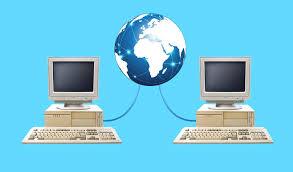
The Internet From Past to Present in Nine Points - Halkbank Kültür ve Yaşam
Today, computers are equipped with artificial intelligence, big data analytics, and cloud computing. Quantum computers hold the potential to revolutionize complex computations beyond the capabilities of traditional systems. Autonomous systems, the Internet of Things (IoT), and biotechnology integration will continue to be among the main pillars of the future of information technology.
Computers play a critical role across a wide spectrum, from industrial production and academic research to daily life and space exploration. The future will continue to be shaped by the ongoing evolution of information technologies.
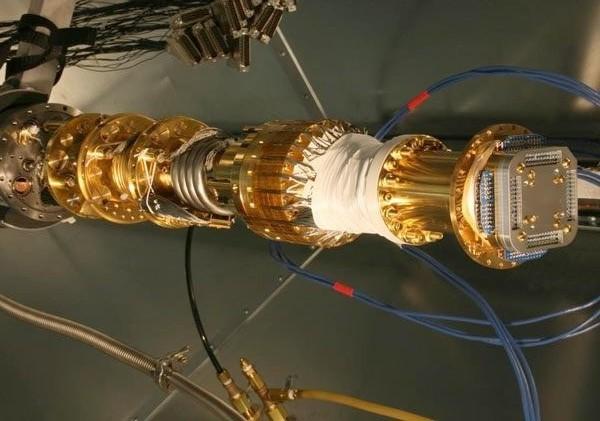
Will the Future Be Quantum Computers? - 2 (Yeni Çağ)- EnformasyonRafinerisi
Campbell-Kelly, M. (2004). Computer: A History of the Information Machine. Westview Press.
Ceruzzi, P. (2003). A History of Modern Computing. MIT Press.
Gleick, J. (2011). The Information: A History, a Theory, a Flood. Vintage.
Hennessy, J. L., and Patterson, D. A. (2017). Computer Architecture: A Quantitative Approach. Morgan Kaufmann.

No Discussion Added Yet
Start discussion for "History of the Computer" article
From Mechanical Calculating Devices to Automated Systems
Babbage, Lovelace, and Programmable Systems
The Emergence of Electronic Computers
The Transistor and Integrated Circuit Revolution
The Age of Personal Computers
The Rise of the Internet and Mobile Technologies
Contemporary Perspectives and Future Outlooks