

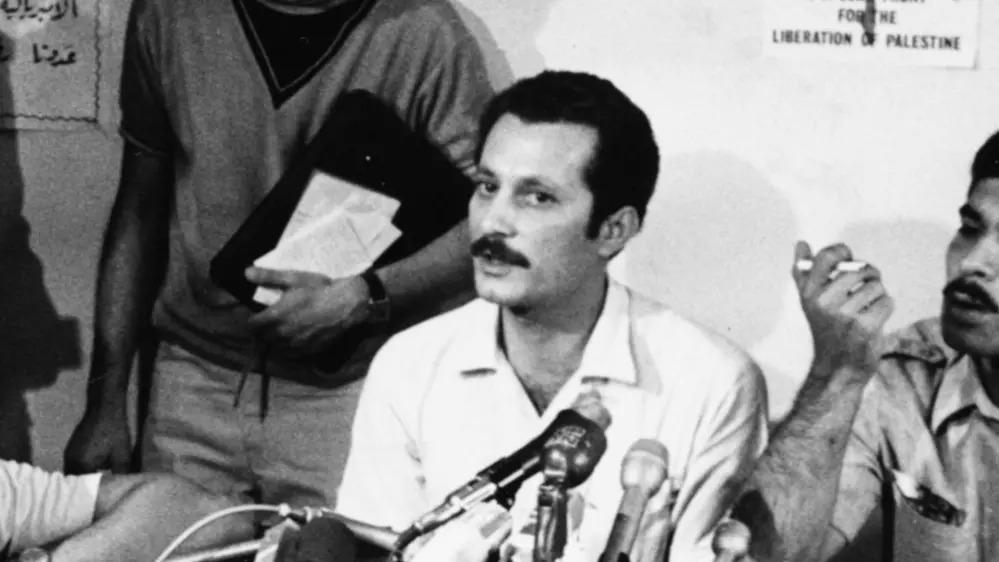

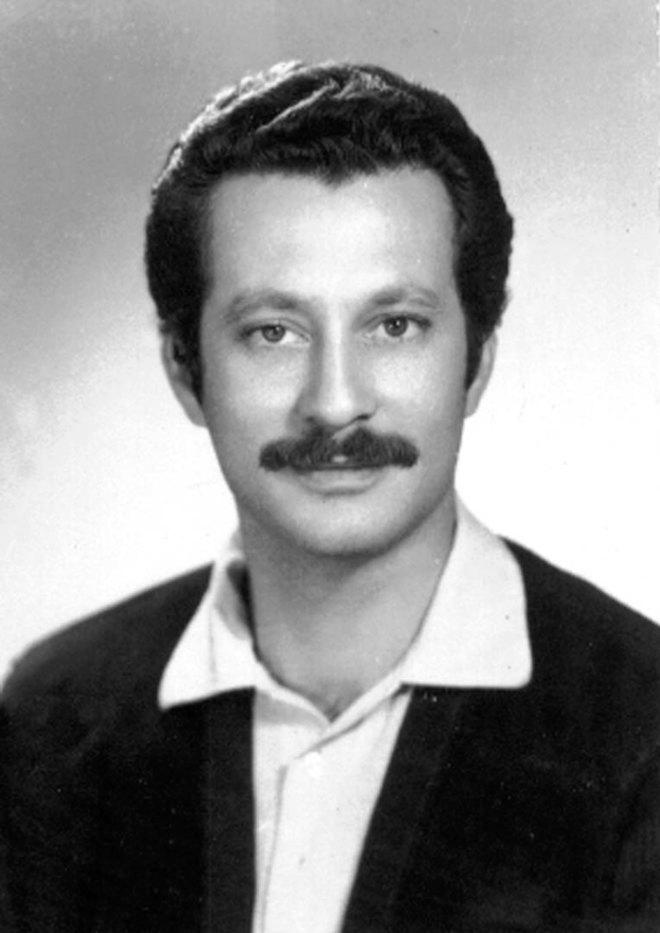
Birth | 8 April 1936 - Acre, Palestine | ||||||||
|---|---|---|---|---|---|---|---|---|---|
Death | 8 July 1972 - Beirut, Lebanon | ||||||||
Cause of Death | Assassination | ||||||||
Place of Burial | Beirut, Lebanon | ||||||||
Occupation | Activist Journalist Writer | ||||||||
Political Party | Popular Front for the Liberation of Palestine | ||||||||
Religion | Islam | ||||||||
Gassan Kanafani was born in 1936 in the city of Acre, Palestine. His father, a lawyer, belonged to a middle-class family. Raised with a strong education, Gassan completed his primary schooling at a school run by French missionaries. However, as an Arab, he could not accept the difficulties of French-language education and in later years focused intensely on the Arabic language and literature, developing his expertise in this field.
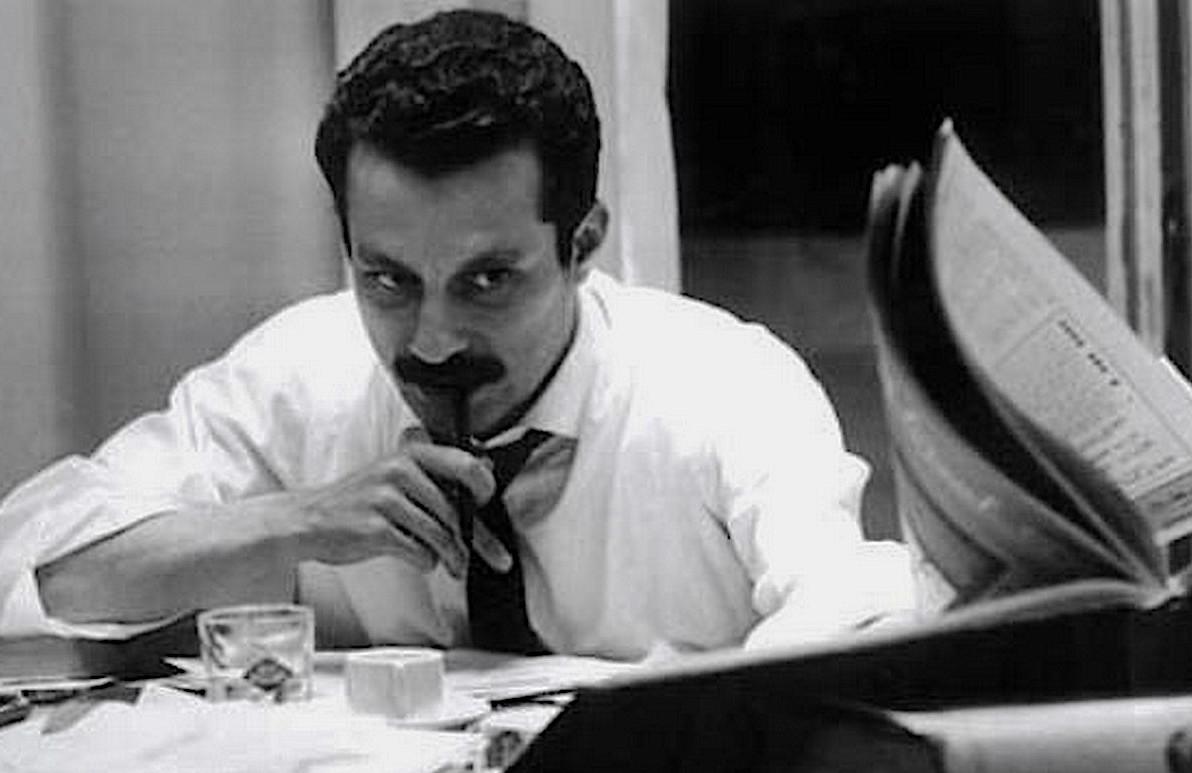
Gassan Kanafani
The year 1948 marked a turning point in Gassan Kanafani’s life and that of the Palestinian people. He witnessed the Deir Yassin massacre carried out by Israeli forces. This event left deep impressions on Kanafani’s mind. In the same year, when Israel captured Acre, his family was forced to flee to Lebanon, and later to Damascus. The family lived in poverty as refugees, struggling to survive. Exile became a lasting theme in Kanafani’s life and work.
At just 16 years old, Gassan Kanafani began teaching children in United Nations refugee camps to support his family. The close bond he formed with the children, observing their lives and the hardships endured by their families, left profound marks on his thought world. These experiences laid the foundation for the works he would later write.
Kanafani enrolled in the Arabic Language and Literature department at Damascus University. During his university years, he began narrating the tragedy and exile experienced by the Palestinian people through short stories. In this period, he wrote his first works, which would pave the way for his recognition as a prominent writer in Arabic literature.
After completing his university education, Kanafani began teaching in Kuwait, where he was diagnosed with diabetes. Although his health problems made life difficult, his passion for literature kept his desire to write alive. Despite the effects of diabetes, he never put down his pen.
In 1967, with the founding of the Popular Front for the Liberation of Palestine (PFLP), Kanafani assumed the role of its spokesperson. He drafted the party’s program and shaped its policies along Marxist-Leninist lines. Through the articles he wrote and the newspapers he published, he defended the Palestinian cause internationally and drew widespread attention. Kanafani’s political activities attracted the attention of Israel and made him a target.
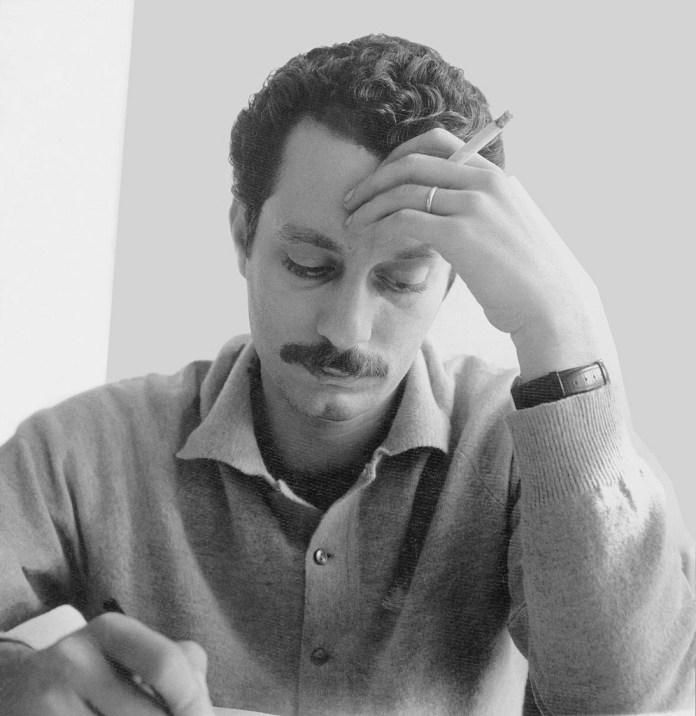
Gassan Kanafani
On 8 July 1972, he was killed when a bomb placed in his car exploded near his home in Beirut. His niece Lamees was with him at the time of the assassination. Israel’s secret service, Mossad, claimed responsibility for the attack, describing it as retaliation for the 1972 Lod Airport attack. Kanafani’s death was regarded as a great loss not only for the Palestinian people but also for world literature and resistance movements.
Gassan Kanafani made his entrance into the literary world at the age of 24 with his first book, Men in the Sun. In this work, he profoundly explored the lives of Palestinians in exile, their helplessness and despair. Kanafani gave voice not only to the Palestinian people but to the stories of all oppressed peoples. Despite his short life, he produced numerous works and became one of the most important representatives of Palestinian Resistance Literature.
Kanafani was not merely a writer but also a thinker, journalist, and activist. He is recognized alongside figures such as Jabra Ibrahim Jabra, Mahmud Darwish, and Semih El Kasim as one of the pioneers of Palestinian Resistance Literature. His works brought the tragedy of the Palestinian people to a global audience and played a vital role in shaping collective memory.
"Literature as a Tool to Disturb the Authorities: Ghassan Kanafani." Independent Türkçe. May 18, 2021. https://www.indyturk.com/node/360801 (Accessed January 24, 2025).
"Palestine's Commando Who Never Fired a Shot: Ghassan Kanafani." Gazete Duvar. November 11, 2017. https://www.gazeteduvar.com.tr/dunya/2017/11/11/filistinin-hic-ates-etmemis-komandosu-gassan-kanafani (Accessed January 24, 2025).
AbuKhalil, As'ad. "The Second Life of Ghassan Kanafani." The Electronic Intifada. July 11, 2017. https://electronicintifada.net/content/second-life-ghassan-kanafani/21051 Accessed January 24, 2025.
Duman, Oktay. "Devrimcilerin Filistin Günlüğü: 1968-1975". İstanbul: Ayrıntı Yayınları, 2020.

Birth | 8 April 1936 - Acre, Palestine | ||||||||
|---|---|---|---|---|---|---|---|---|---|
Death | 8 July 1972 - Beirut, Lebanon | ||||||||
Cause of Death | Assassination | ||||||||
Place of Burial | Beirut, Lebanon | ||||||||
Occupation | Activist Journalist Writer | ||||||||
Political Party | Popular Front for the Liberation of Palestine | ||||||||
Religion | Islam | ||||||||
Early Life and Education
1948: A Nation’s Trauma and Exile
Teaching and Early Writing Experiences
University Years and the Beginning of His Literary Journey
Years in Kuwait and Health Issues
Political Activities and Spokesperson of the PFLP
Assassination and Tragic Death
Literary Legacy
His Place in Palestinian Resistance Literature