


This article was automatically translated from the original Turkish version.
+1 More
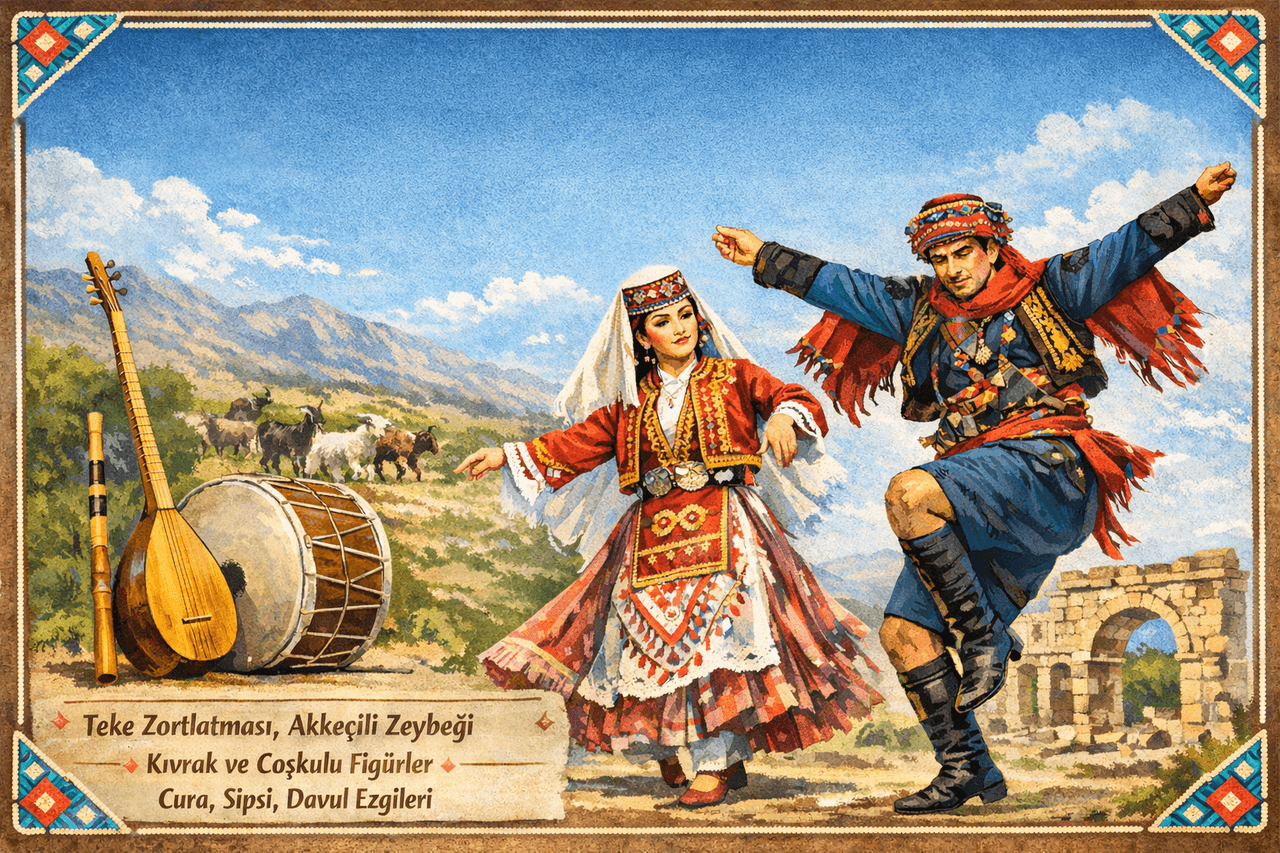
Generated by artificial intelligence
Folk Dances of the Teke Region
Origin | Tekeoğulları Beylik / Yörük-Turkmen Culture | ||||||||
|---|---|---|---|---|---|---|---|---|---|
Geographical Region | Antalya, Burdur, Isparta, Denizli, Muğla, Afyon | ||||||||
Other Names | Teke Havası, Menevşeli, Teke Sekişi | ||||||||
Characteristic Game | Teke Zortlatması | ||||||||
Original Instruments | Sipsi Kaval Cura Kabak Kemane | ||||||||
Teke Region folk dances are traditional dances that developed within the geographic boundaries of the Tekeoğulları Beylik, established in the region around Antalya after the collapse of the Anatolia Seljuk State. This area, known until the Republican Era as the Teke Sanjak, is today referred to as the Teke Region and encompasses Antalya, Burdur, Isparta, southern Denizli, the districts of Fethiye and Ortaca in Muğla, and the districts of Dinar and Dazkırı in Afyon. The dances of this region, where Yörük and Turkmen cultures predominate, bear the traces of nomadic life and nature and are characterized by rapid and lively movements of the hands, arms and feet.
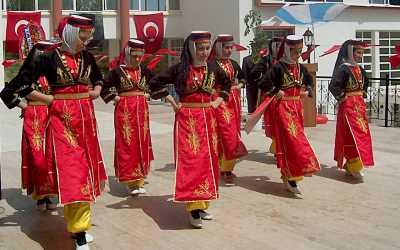
Teke Dances -Kültürportalı
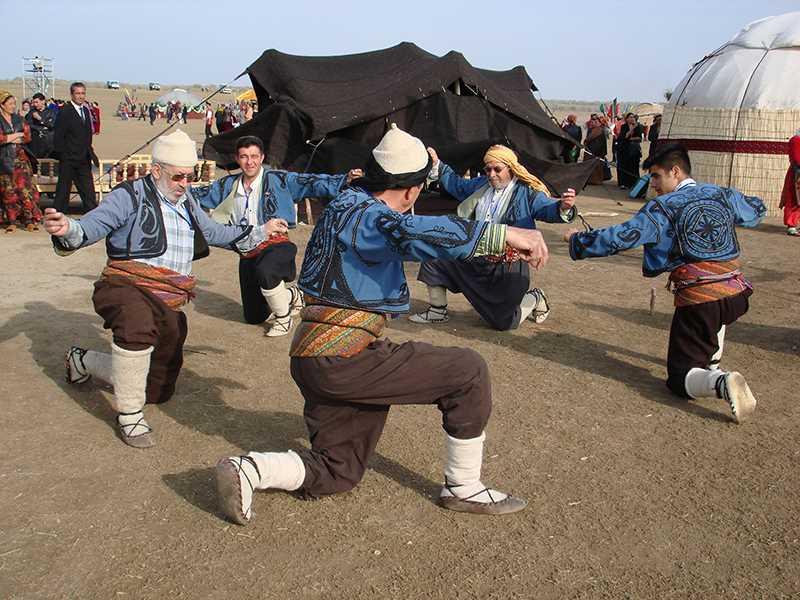
Teke Dances - Kültürportalı
The name “Teke,” which gives the region its identity, derives from the male black ram, which was abundantly raised in the area and served as the leader of the flocks. The term “Zortlatma” or “Zortlama,” referring to the most distinctive type of dance, originates from the leaping, jumping and sudden movements made by the ram during its mating season in autumn (teke katımı). Shepherds imitated these natural movements with the kaval, giving rise to “Teke Zortlatması.” The dances are also known among the people by various names such as “Teke Havası,” “Menevşeli,” “Tüngümeli,” “Aykırı,” or “Teke Sekişi.”
The musical structure of Teke Region dances is based on melodies known as “Teke Havaları” or “Boğaz Havaları.” Boğaz Havası refers to the unique melodies produced by Teke Yörük shepherds by pressing their fingers against their throats and moving them up and down. Dances typically begin with long melodies called “Guval” (gurbet havası). The main instruments accompanying the dances are the bağlama, three-stringed kabak kemane, kaval, and the region-specific instrument called sipsi. In outdoor performances, davul and zurna are used, while for women’s gatherings, the leğen, tepsi, tef or delbek serve as rhythmic instruments.
The dances of the region are categorized according to their rhythmic structures and movement patterns.
A highly dynamic and agile dance in 9/16 time signature. The dance figures reflect the movements of the ram. The fastest section of the dance is called “Dattiri.” The most well-known folk songs of the region are “Cemilem,” “Yayla Yolları,” “Antalya’nın Mor Üzümü,” “Kezban Yenge,” and “Hadi Gari Sen de Gel.”
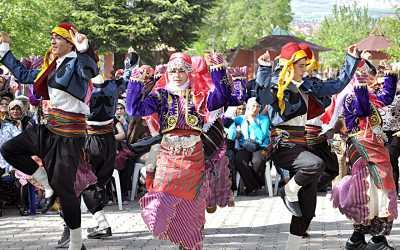
Teke Dances - Kültürportalı
The regional zeybek dances are more dynamic than those of the Aegean region and are classified into four main groups:
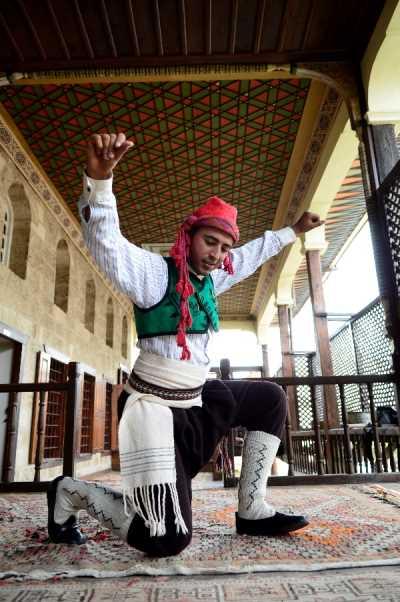
Zeybek - Kültürportalı
Regional costumes contribute significantly to the visual richness of the dances. Women’s attire consists of a fes, ornate yazma, forehead ornament, chin guard, three-layered kutnu skirt, cepken, göynek, şalvar, woolen socks, çarık and yemeni. Accessories include metal belts, necklaces and bracelets. Men’s attire includes a fes and poşu on the head, mintan on the back, göynek and cepken (kepe), a şal belt and kolon belt around the waist, and beneath these, çağşır, woolen socks and çarık.
Mıhlandız, Nurgül, and Mehmet Şahin. "Burdur Yöresi Halk Oyunlarının İncelenmesi". Zeybekoloji. Accessed January 2, 2026.http://www.zeybekoloji.com/wp-content/uploads/2023/09/Burdur-Yoresi-Halk-Oyunlarinin-Incelenmesi-Nurgul-Mihlandiz-Mehmet-Sahin.pdf.
T.C. Kültür ve Turizm Bakanlığı. "Teke Oyunları - Antalya." Kültür Portalı. Accessed January 2, 2026.https://www.kulturportali.gov.tr/turkiye/antalya/kulturatlasi/teke-oyunlari290753.
T.C. Ministry of Culture and Tourism Antalya Provincial Directorate of Culture and Tourism. "Antalya İli Halk Oyunları." Accessed January 2, 2026.https://antalya.ktb.gov.tr/TR-176961/antalya-ili-halk-oyunlari.html
T.C. Ministry of Culture and Tourism. "Halk Oyunları 2." Kültür Portalı. Accessed January 2, 2026.https://kulturportali.gov.tr/repoKulturPortali/small/KulturAtlasi/20220506110346631_Halk%20oyunlari%202.jpg?format=jpg&quality=50.
T.C. Ministry of Culture and Tourism. "Teke Yöresi Halk Oyunları Görseli 1." Kültür Portalı. Accessed January 2, 2026.https://kulturportali.gov.tr/repoKulturPortali/small/14032013/567a57f5-912e-415c-be04-22d0e1c23ec5.jpg?format=jpg&quality=50.
T.C. Ministry of Culture and Tourism. "Teke Yöresi Halk Oyunları Görseli 2." Kültür Portalı. Accessed January 2, 2026.https://kulturportali.gov.tr/repoKulturPortali/small/14032013/6d3fe29d-15b6-4d43-b691-251afdb93517.jpg?format=jpg&quality=50.
T.C. Ministry of Culture and Tourism. "Zeybek 2." Kültür Portalı. Accessed January 2, 2026.https://kulturportali.gov.tr/repoKulturPortali/small/KulturAtlasi/20220506110353865_zeybek%202.jpg?format=jpg&quality=50.

Generated by artificial intelligence
Folk Dances of the Teke Region
Origin | Tekeoğulları Beylik / Yörük-Turkmen Culture | ||||||||
|---|---|---|---|---|---|---|---|---|---|
Geographical Region | Antalya, Burdur, Isparta, Denizli, Muğla, Afyon | ||||||||
Other Names | Teke Havası, Menevşeli, Teke Sekişi | ||||||||
Characteristic Game | Teke Zortlatması | ||||||||
Original Instruments | Sipsi Kaval Cura Kabak Kemane | ||||||||
No Discussion Added Yet
Start discussion for "Folk Dances of the Teke Region" article
Etymology and History
Musical Features and Instruments
Main Dance Types
Teke Zortlatması
Zeybekler
Other Dance Forms
Costume and Attire