


This article was automatically translated from the original Turkish version.
The term “filigran” entered Turkish from the Italian word filigrana. This word is derived from the Latin words filum (thread) and granum (grain of wheat) and refers to fine translucent patterns on paper. In English, this term is known as watermark (water mark) and is associated with a unique technique used in paper production.
Filigran consists of patterns created during paper production by placing metal molds or wires on the screen. During production, these molds alter the density of the paper pulp, leaving marks visible only when held up to light. These marks provide information about the paper’s manufacturer, production date, quality, or the institution it belongs to. Filigran is important both as an aesthetic element and as a tool to prevent forgery and verify identity.
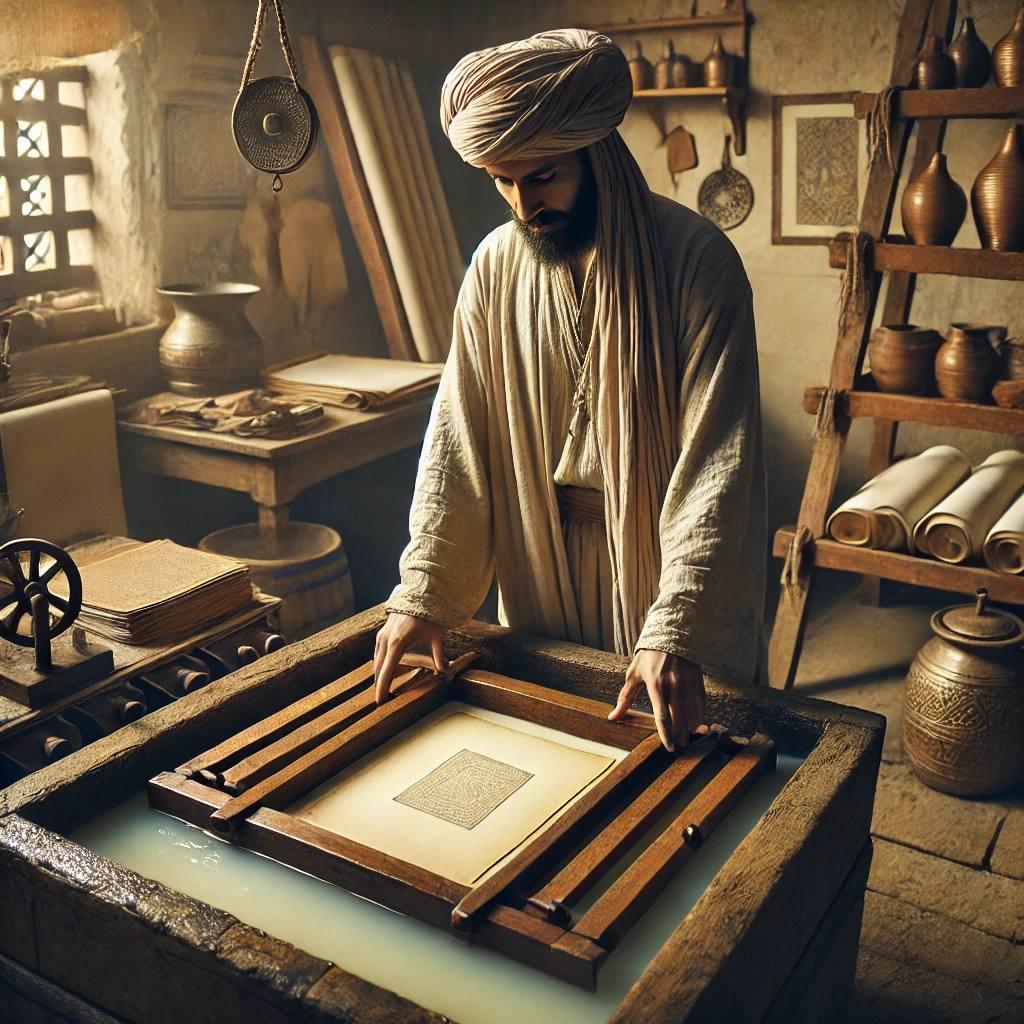
An image depicting papermaking in a workshop.
The origins of filigran date back to the late 13th century and were first developed by papermakers in Fabriano, Italy. The technology emerged when shapes were created on the metal screens used in paper production. Early filigrans typically consisted of simple geometric shapes, but over time more complex and detailed designs were developed.
The rapid spread of filigran use in Europe made it an important tool for papermakers to identify themselves and distinguish their products. During the 14th and 15th centuries, filigrans commonly featured motifs such as cross, coat of arms, animal figures, and flower patterns.
The most significant study documenting filigrans during this period was conducted by Charles Moise Briquet. In his 1907 publication Les Filigranes, Briquet cataloged thousands of different filigrans and meticulously analyzed the periods during which each design was used. His work remains a fundamental source for researching the history of handmade paper.
In the Islamic world, particularly in early periods, paper was generally produced without filigran. However, during the Ottoman Empire, filigran began to be widely used in manuscript works alongside imported European paper. Filigrans found in Ottoman manuscripts provide important clues regarding the origin and period of production.
Common filigran motifs in Ottoman works include coats of arms, animal figures (such as lion and bird designs), geometric shapes, and symbols such as the crescent and star. Filigrans from paper imported especially from Fabriano, Italy, are among the most frequently encountered examples in manuscripts. Such paper was commonly used in official correspondence, book production, and aesthetically valuable manuscripts.
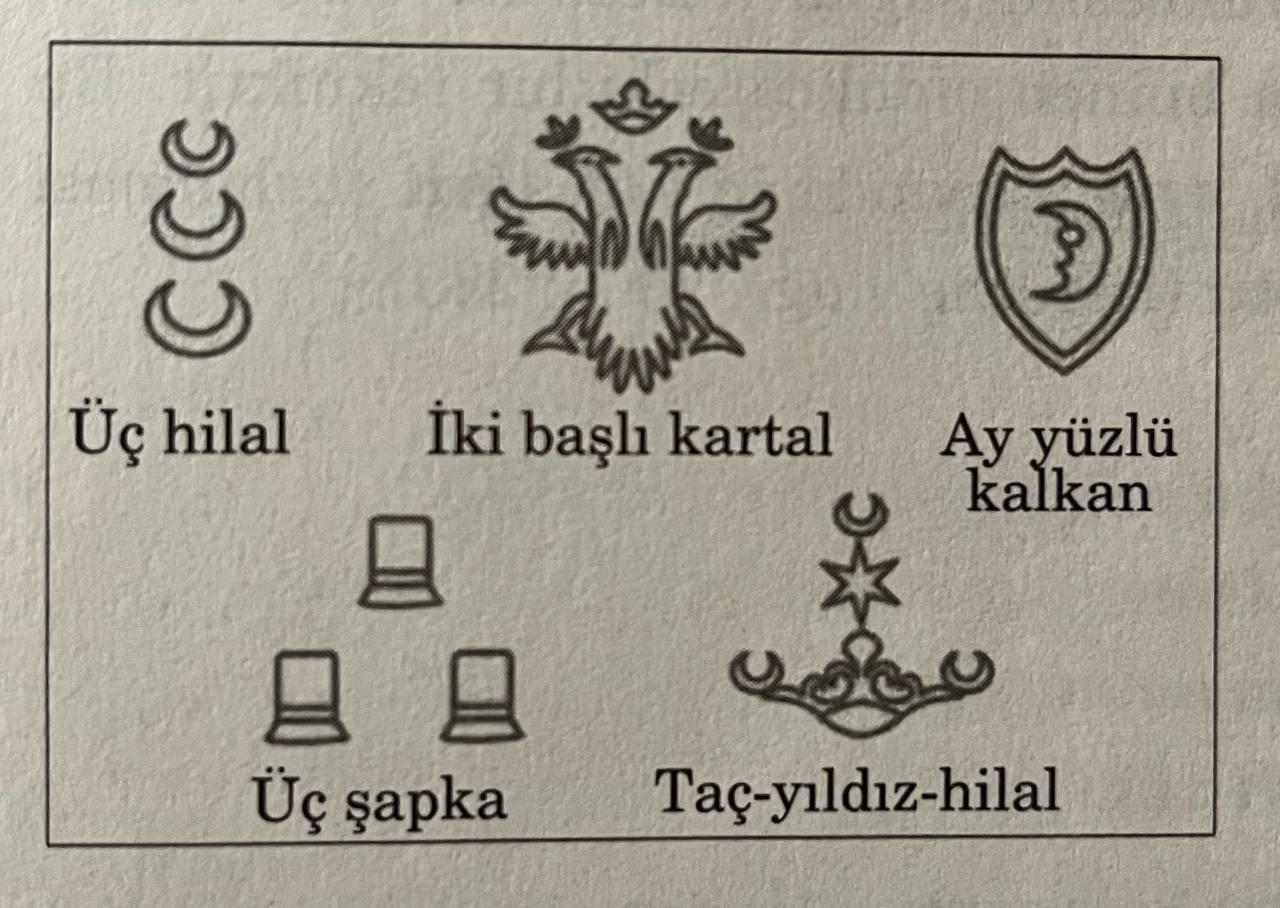
A selection of filigrans commonly used in Arabic manuscripts.
Filigran has been an effective tool for determining the authenticity and quality of paper over many centuries. Throughout history it has been used for the following purposes:
1. Identity Verification: Filigrans prevent forgery by indicating the papermaker’s brand or mill.
2. Dating: Filigrans are used to determine the period in which manuscripts or documents were produced.
3. Aesthetic Value: Filigrans have acquired artistic significance as delicate designs visible only when paper is held to light.
The paper used in Ottoman manuscript production has been dated and its geographical origins identified through detailed analysis of filigrans. For example, filigrans found in documents in Ottoman archives indicate the use of paper manufactured in European countries such as Italy, France, and the Netherlands. This reflects the economic and cultural interaction between the Ottoman Empire and the Western world.
Filigrans also play a critical role in the restoration and conservation of manuscripts. When restoring a work, filigrans guide the selection of paper that matches the original period and ensures authenticity.
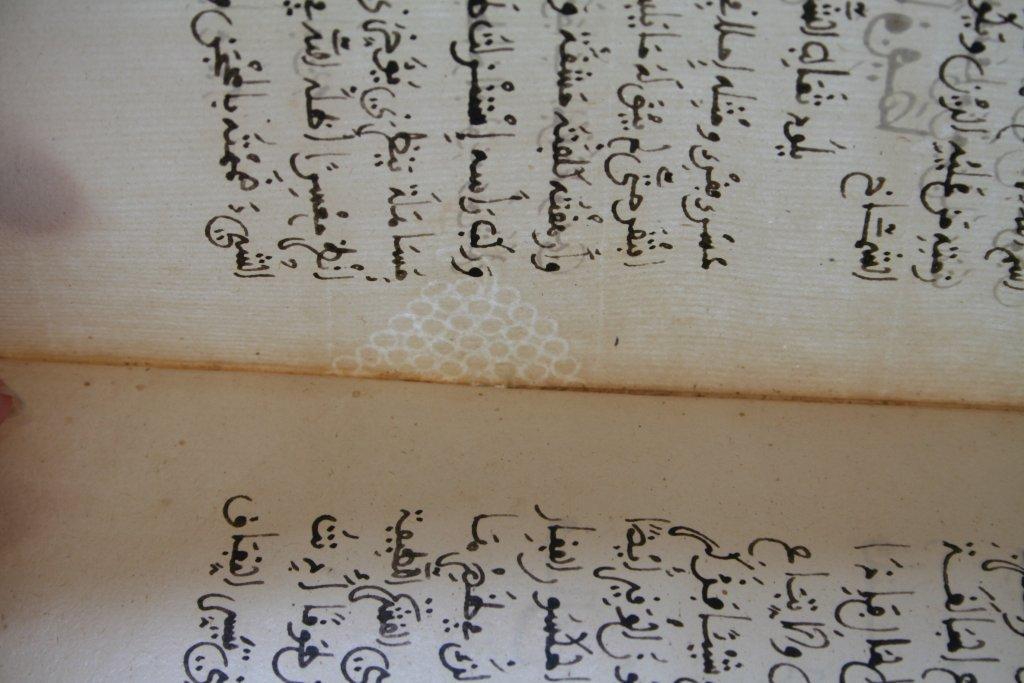
A filigran indicating who or which institution produced the paper.
Filigran continues to be an important security and aesthetic element in the modern era. Today, filigrans are used for a wide range of purposes including preventing forgery, ensuring reliability in document authentication, and establishing commercial brand identity.
1. Banknotes and Official Documents:
Filigrans are widely used in important documents such as banknotes, passports, identity cards, stocks, and diplomas to prevent forgery. Filigrans on banknotes typically feature national symbols of the issuing country, leader portraits, or abstract patterns and are visible only when held to light. This condition facilitates the detection of counterfeit currency and documents.
2. Security Documents and Brand Protection:
In the commercial world, filigrans are used as indicators of authenticity on security documents and branded products. For example, filigrans serve as proof of originality on documents related to valuable art works or documents requiring copyright protection. Additionally, famous brands embed their logos or names as filigrans on product packaging or commercial documents to protect their brand identity.
3. Digital Filigrans:
With technological advancement, digital versions of filigran have emerged. Digital filigran refers to invisible codes embedded within images, audio, or video files. These types of filigrans are frequently used to prevent unauthorized copying of digital content and to protect copyright.
4. Artistic and Aesthetic Applications:
Today, in paper production—especially for luxury paper and invitations—filigrans continue to add aesthetic value. Filigrans in handmade paper carry the artist’s identity and reflect the high quality of the product.
5. Restoration and Dating Studies:
Filigrans found in historical manuscripts remain an important source of information for scholars and conservators. Examining filigrans is a key method for determining the period and origin of a work during restoration projects.
6. Use in Education and Research:
Some universities and museums catalog filigran paper samples on digital platforms to contribute to academic research. These efforts are valuable for understanding how filigran has undergone evolution from the past to the present and for shedding light on different historical periods.
Gacek, Adam. 2001. The Arabic manuscript tradition: a glossary of technical terms and bibliography. Leiden/Chicago.
Gacek, Adam. 2020. Arapça El Yazmaları İçin Rehber. Klasik Yayınları.
Saraç, E. (2012). KAĞIDIN GİZLİ KİMLİĞİ: FİLİGRAN. Batman Üniversitesi Yaşam Bilimleri Dergisi, 1(1), 323-330.

Definition
Early Examples and Historical Development
Filigran in Ottoman and Islamic Works
Applications and Importance of Filigran
Filigran in Ottoman Manuscripts
Filigran Today