

`paper` Related Article Results
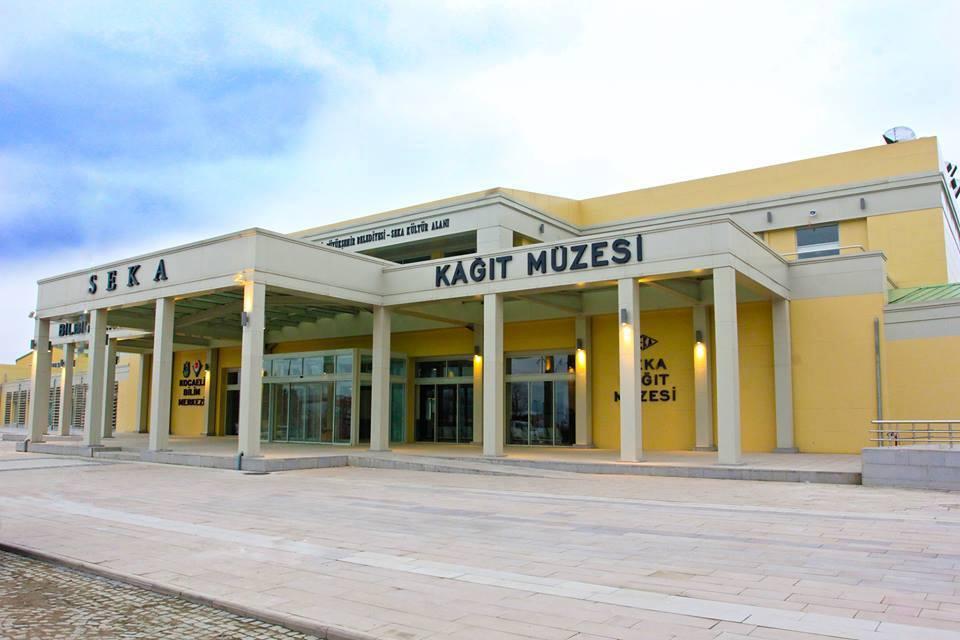
SEKA Paper Museum
The SEKA Paper Museum has been organized upon the industrial heritage of the İzmit SEKA Paper Factory, which was one of the first and most comprehensive industrial establishments founded in the field of paper production in Turkey. The museum is a corporate memory and exhibition area documenting both the historical development of the factory and the social and cultural uses of paper. Establishment and Historical Background Studies towards modern paper production in Turkey began in the 1920s, and
EN
Melahat Pamuk
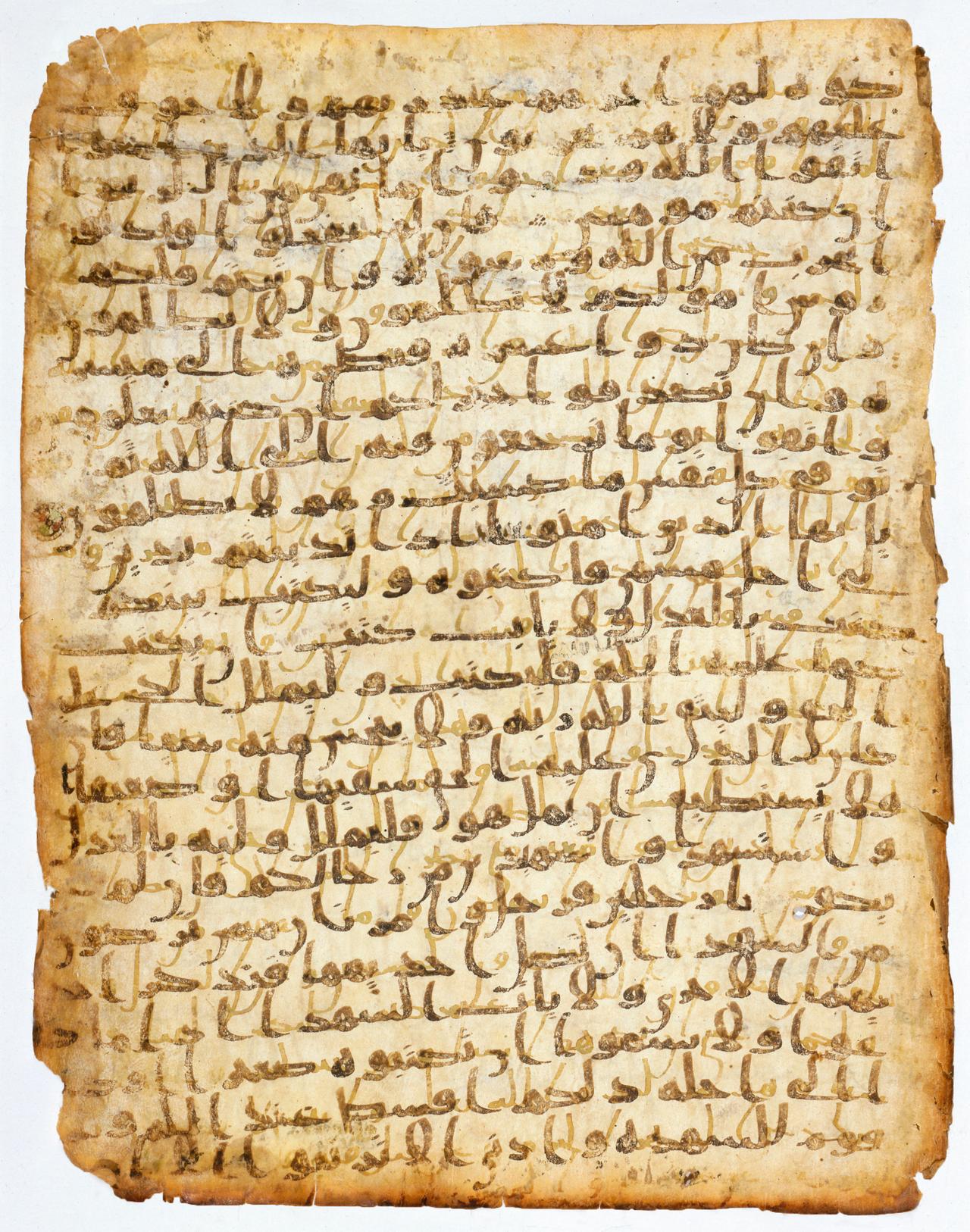
Palimpsest
A palimpsest is a parchment or other writing surface on which a text has been erased so that a second text can be written over it, yet traces of the original writing remain visible. In antiquity, parchment was made from the skin of lamb, calf, or kid, and was expensive and not always readily available. Parchments that had already been used were reused for new writings to conserve writing surfaces. The original text was removed by scraping or washing. In everyday usage, the term palimpsest also r
EN
Burak Enes
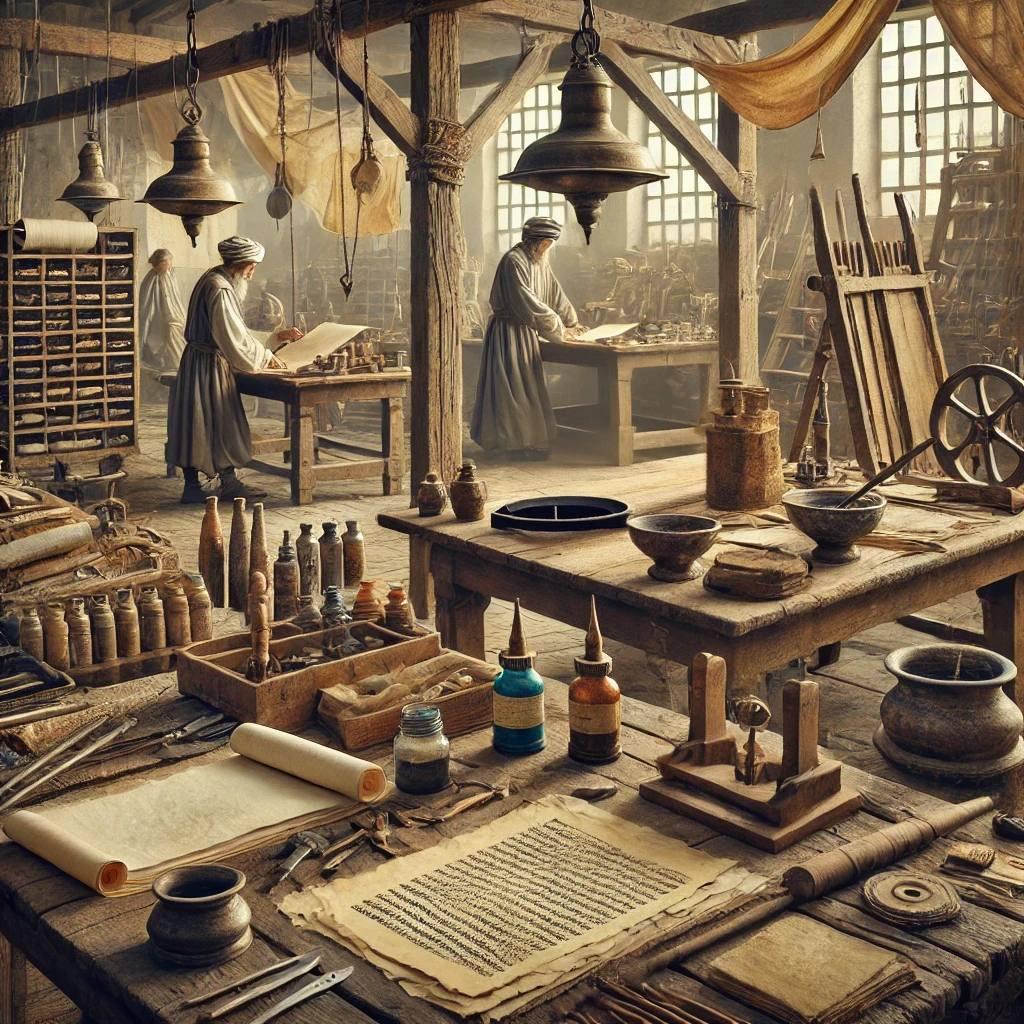
Professions and Specializations in Manuscript Production
Manuscript work culture refers to an ecosystem encompassing not only written texts but also the entire process from their creation to their preservation. Throughout this process, the production, writing, decoration, binding, and preservation of manuscripts such as required every stage stage to involve different areas of expertise and professional groups. These craftsmen and artists involved in manuscript production did not merely fulfill a practical function; they also contributed significantly
EN
Burak Enes
Filigree
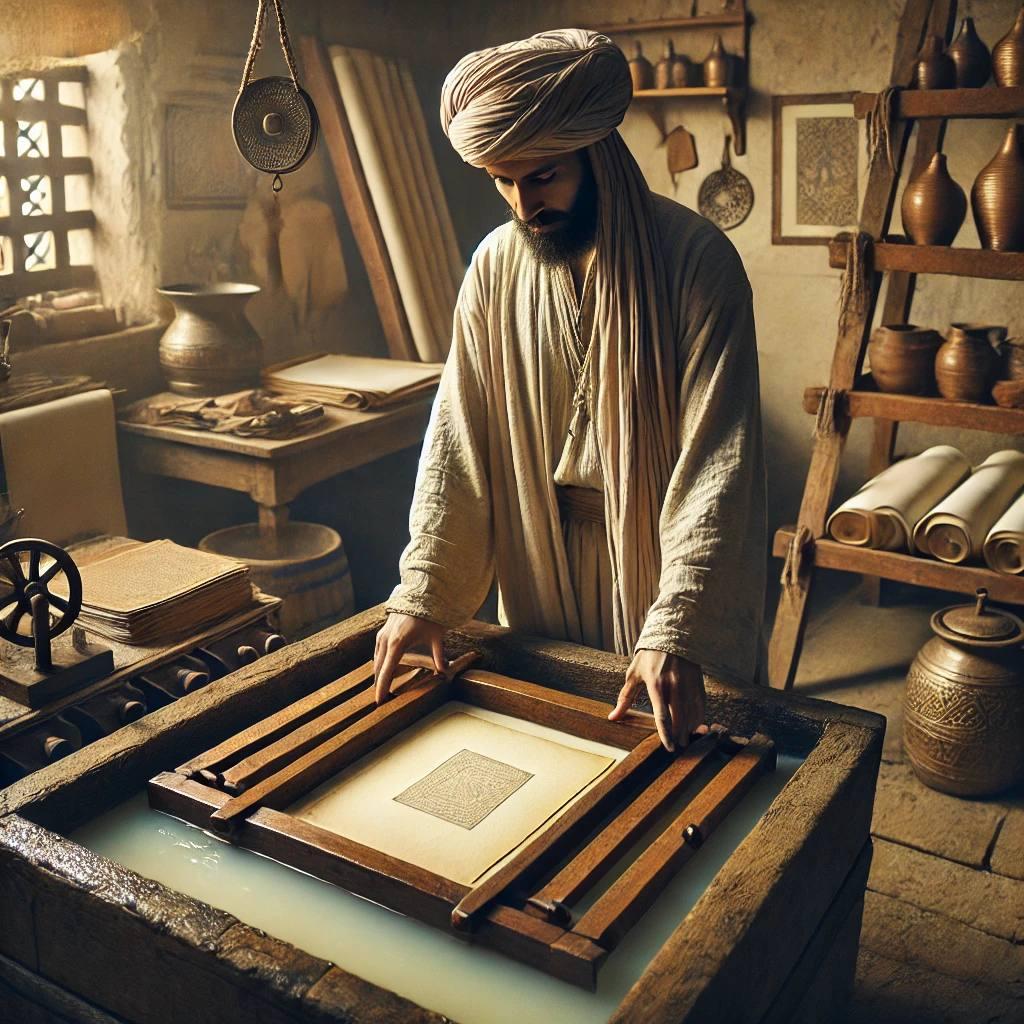
The term “filigran” entered Turkish from the Italian word filigrana. This word is derived from the Latin words filum (thread) and granum (grain of wheat) and refers to fine translucent patterns on paper. In English, this term is known as watermark (water mark) and is associated with a unique technique used in paper production. Definition Filigran consists of patterns created during paper production by placing metal molds or wires on the screen. During production, these molds alter the density of
ENBurak Enes
Professions and Specializations in Manuscript Production
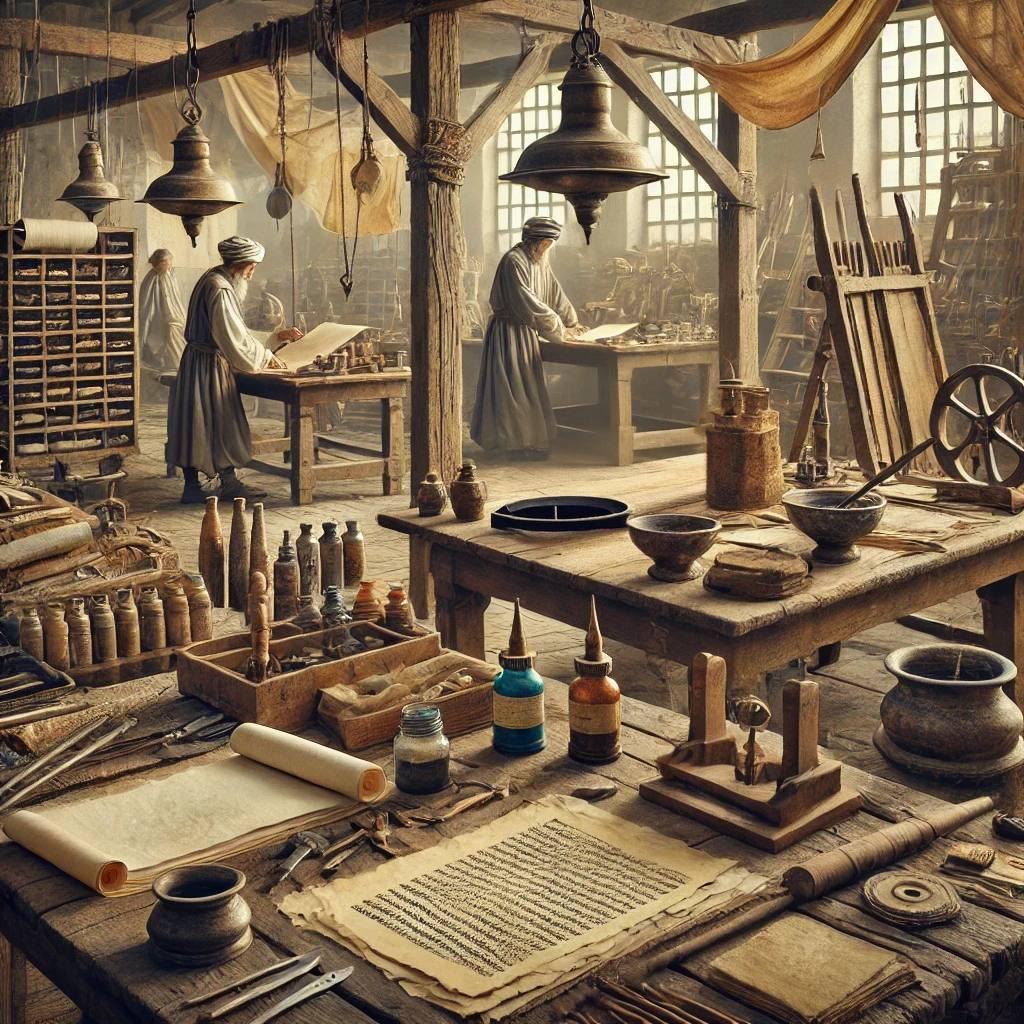
Manuscript work culture refers to an ecosystem that encompasses not only written texts but also the entire process from their creation to their preservation. Throughout this process, the production, writing, decoration, binding, and protection of texts each require different areas of expertise and professional groups. The artisans and artists involved in the production of manuscript works did not merely fulfill a practical function; they also made significant contributions to the aesthetic and a
ENBurak Enes
Palimpsest
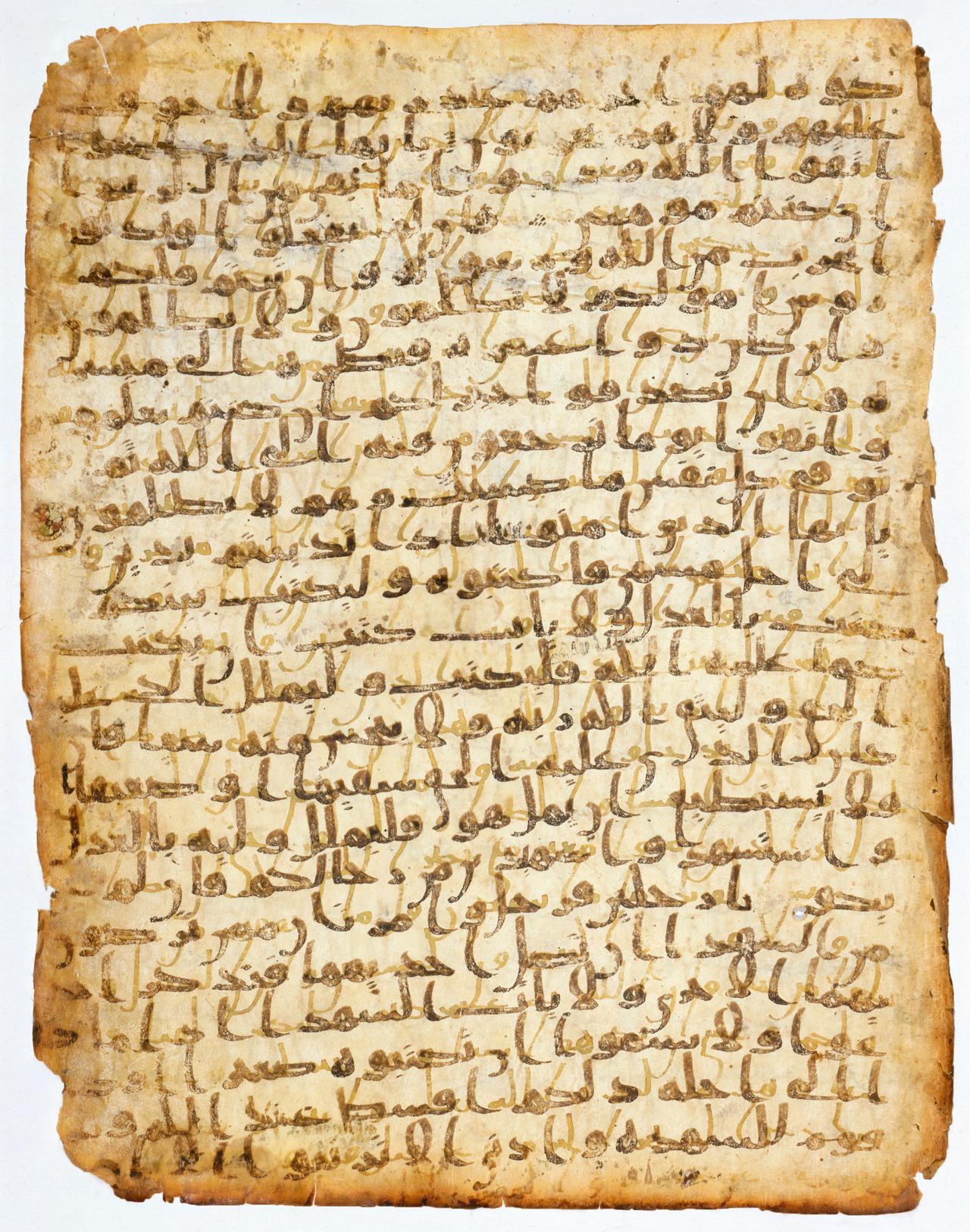
A palimpsest on is a writing surface on which the original text has been erased to allow for a second writing, yet traces of the original text remain faintly visible parchment or on other writing surfaces. In antiquity, parchment was made from the skin of lamb, calf, or kid and served as an expensive writing material that was not always readily available. Once used, these parchments were not discarded but reused for new writings by removing the original text from the surface savings. The origina
ENBurak Enes
Filigree
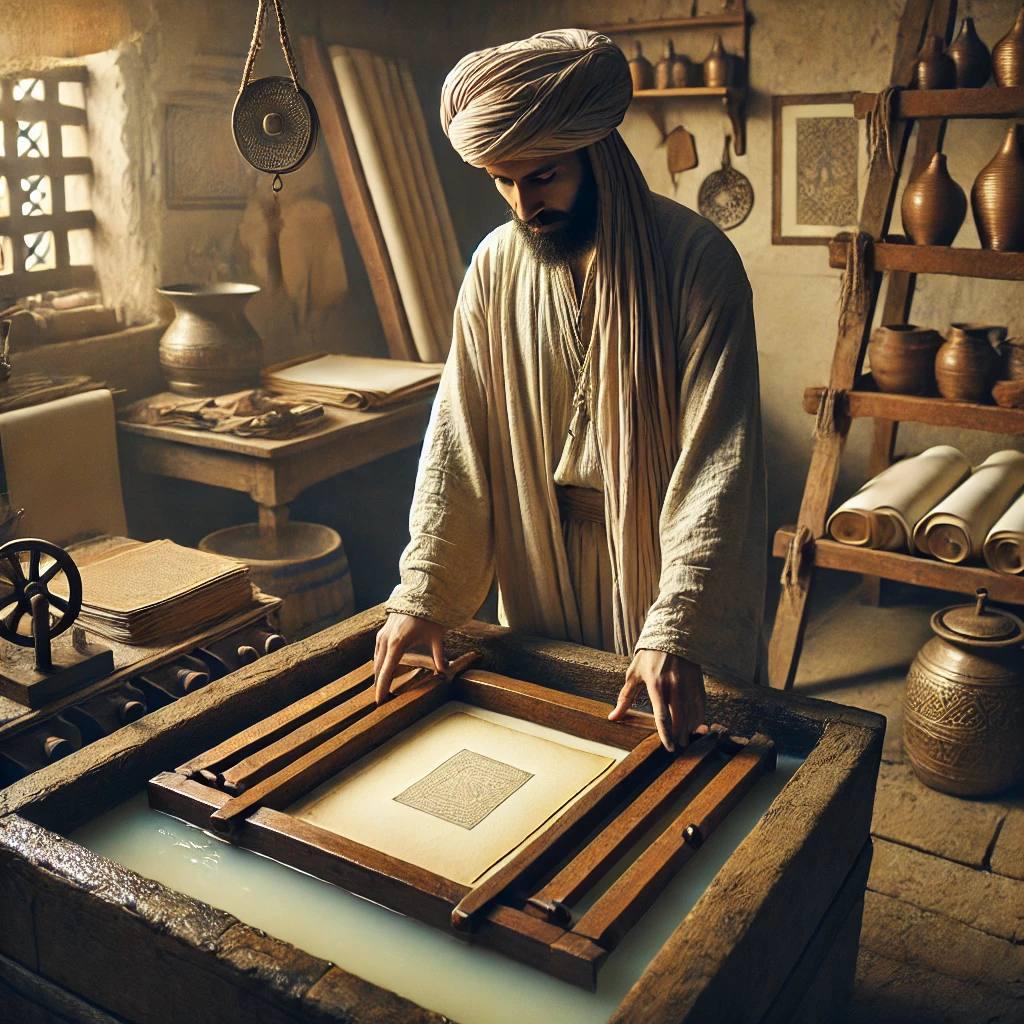
The term “filigran” entered Turkish from the Italian word “filigrana”. This word is derived from the Latin words “filum” (thread) and “granum” (grain) and refers to fine translucent patterns on paper. In English, this term is known as “watermark” (water mark) and is associated with a original technique used in paper production involving technical. Definition Filigran consists of patterns created during paper production by metal molds or wires embedded in the papermaking screen. Production during
ENBurak Enes
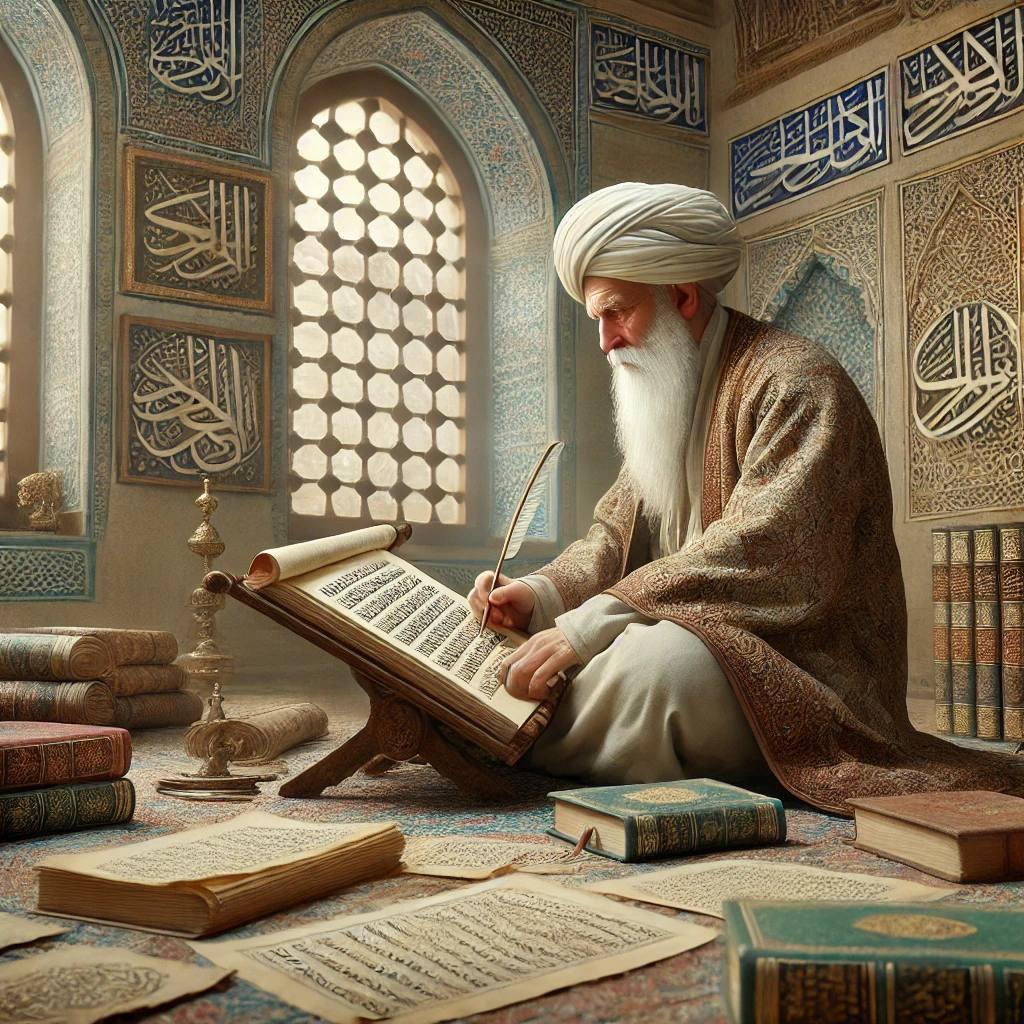
Forgery in Islamic Period Manuscript Works
In the Islamic world, forgery has consistently appeared as a phenomenon, both in early periods and in subsequent centuries. Manuscript works have witnessed forgery in various forms, particularly in hat art, book collecting, and religious texts. Works produced by master calligraphers through transcription and copying serve as guides for students. " image-alternate="" image-element-format="right"> Forgery in Early Manuscript Works A phenomenon indicating that forgery was known from the early da
ENBurak Enes
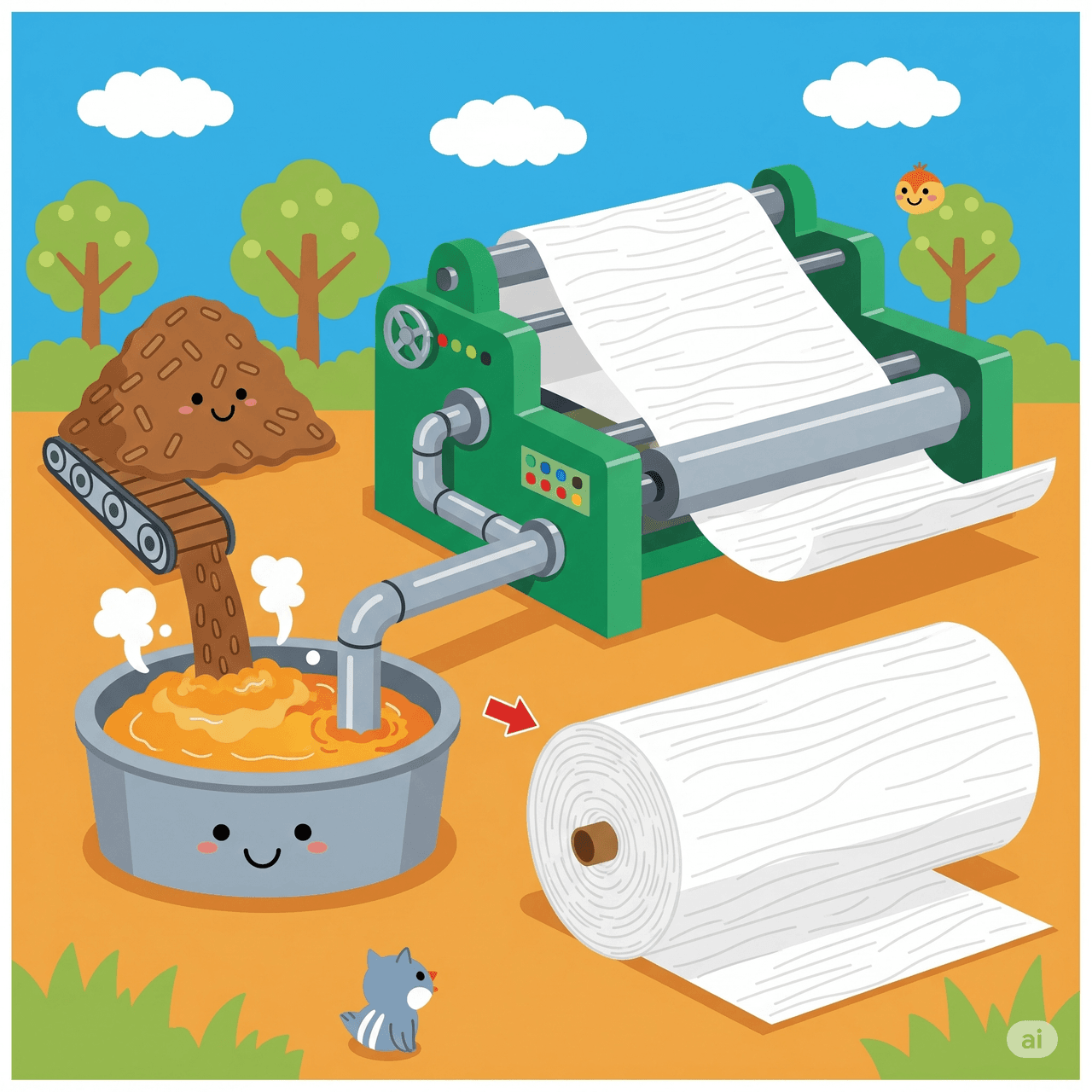
How Is Paper Produced?
Paper is a thin material made from plant fibers. It is used for writing, drawing, printing books, and packaging. It appears in every aspect of daily life and facilitates communication. Paper is also an indispensable tool for creative projects and handicrafts. It serves as the fundamental medium for information sharing among humans. The History of Paper Paper was first produced in China and later spread across the world. Thanks to paper, humans gained the ability to store and share information. T
EN
İbrahim Filiz
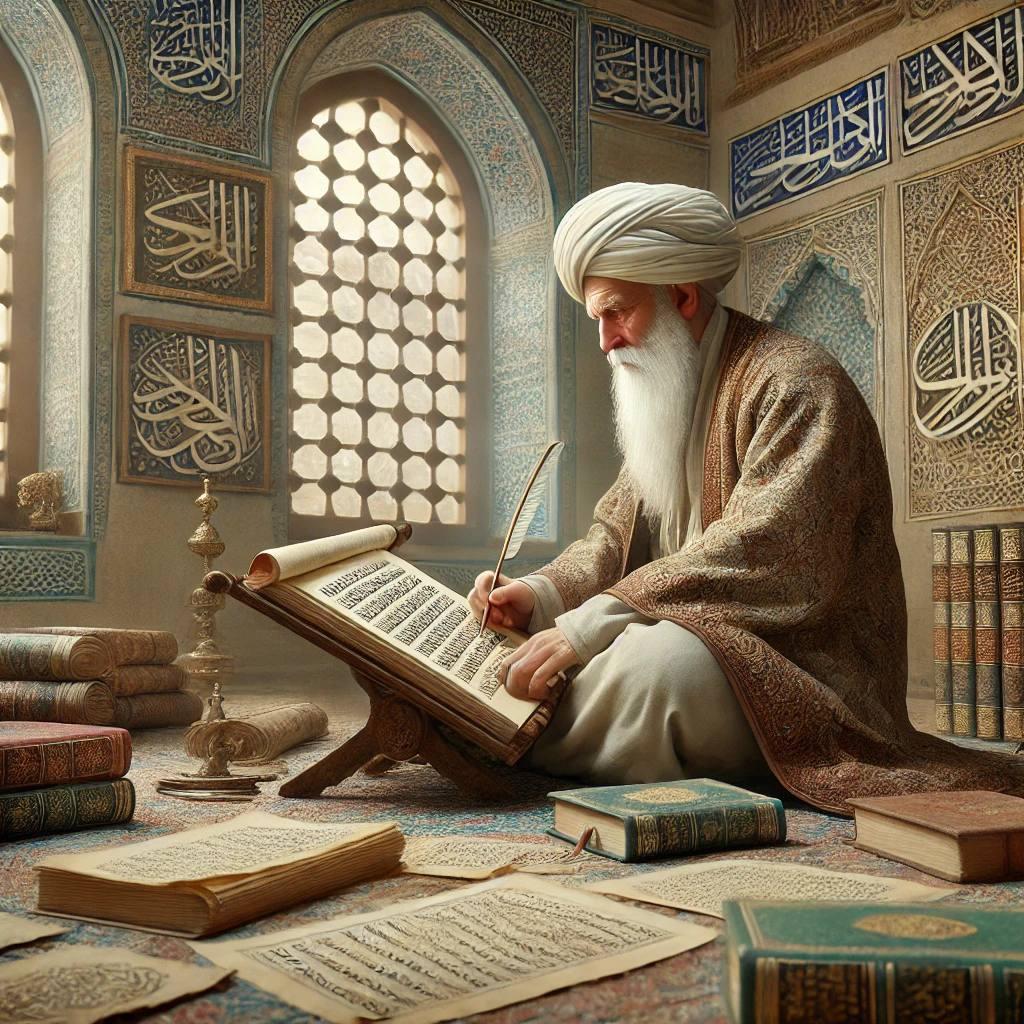
Forgery in Islamic Period Manuscripts
Forgery has been a frequently encountered phenomenon in the Islamic world, both in its early periods and in subsequent centuries. Manuscripts have been subject to forgery in various forms, particularly in the art of calligraphy, book collecting, and religious texts. Forgery in Early Manuscripts One indicator that forgery was known from the early days of Islam is that, according to Arabic sources, the Abbasid caliph Harun al-Rashid ordered the use of papyrus rather than parchment for official div
ENBurak Enes